Childhood Development Info presents sibling bonds as relationships shaped by growing up together, sharing experiences, and forming a connection that can last well beyond childhood. With the source article centered on play, the useful question for parents is not whether siblings should be close, but how daily play can give that closeness room to develop.
Because the available source text is limited, the guidance below keeps the reported facts narrow and uses general parenting context to explain how families can think about shared play without turning it into another chore.
Why Play Is a Practical Starting Point
According to Childhood Development Info, siblings grow together and share experiences. Play is one of the most natural ways those shared experiences happen, especially because it gives children something concrete to do together instead of asking them to simply get along.
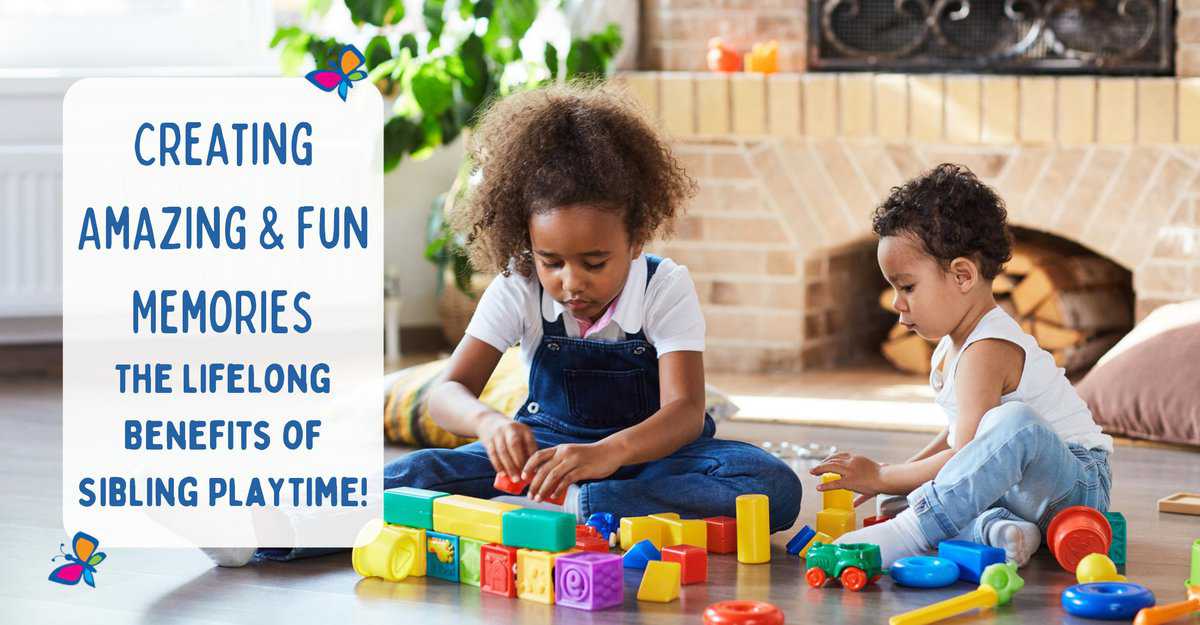
In everyday family life, play can make sibling connection feel less forced. A puzzle, pretend scenario, outdoor game, building project, or simple made-up challenge gives children a common focus. That shared focus can reduce the pressure of direct emotional conversation while still creating chances to cooperate, negotiate, laugh, and repair small disagreements.
What Parents Can Encourage Without Taking Over
The goal is not to script every interaction. Sibling relationships need space to become their own relationship, not a performance managed by adults. Parents can still make play more likely by setting up conditions that support fairness, safety, and participation.
- Choose activities where each child can contribute, even if their ages or abilities differ.
- Rotate who picks the game so one sibling does not always control the play.
- Keep materials simple enough that the focus stays on interaction, not rules or equipment.
- Step in for safety or repeated meanness, but allow ordinary negotiation when children can handle it.
This kind of light structure can help siblings practice being together without making every moment a lesson. It also leaves room for different personalities: one child may like active play, another may prefer quieter games, and both preferences can be valid.
Key Takeaways
- Childhood Development Info frames sibling relationships as unique bonds shaped by growing together and sharing experiences.
- Shared play can give siblings a concrete reason to cooperate, negotiate, and enjoy time together.
- Parents can support play by offering options, setting basic boundaries, and avoiding too much control.
- Not every play session needs to be harmonious to be useful; small disagreements can become practice for repair.
When Play Does Not Look Peaceful
Sibling play is not always calm. It can involve arguments over turns, rules, space, or who gets to lead. That does not automatically mean the play has failed. For many families, the valuable part is helping children return to the activity after a manageable conflict.
A parent might pause the game, name the problem plainly, and ask for one workable next step. The important distinction is between normal friction and a pattern where one child is consistently excluded, intimidated, or ignored. Play should not become a cover for unfairness.
Making Shared Play Easier to Repeat
Strong sibling bonds are built through repeated moments, not one perfect family activity. Since the source emphasizes shared growth and experiences, parents can look for small, repeatable openings: a short game before dinner, a shared cleanup challenge, a weekend activity, or a few minutes of pretend play that lets siblings create something together.
The most useful approach is often modest. Make space, offer materials, set boundaries, and let the children bring their own ideas. Over time, those ordinary interactions can become part of the relationship siblings remember as their shared history.
Inspired by this post on Childhood Development Info.