Getting kids moving in summer does not have to mean building a strict activity schedule or turning every afternoon into a camp-style program. The more useful question is simpler: what kind of setup makes movement feel worth starting?
Motivation for Mom frames the problem as a familiar summer gap between the calm version parents imagine and the screen-heavy version that can actually happen. Its advice points to a practical pattern: kids are more likely to move when the activity has ownership, a destination, a challenge, or a quick sense of progress.
Start With Momentum, Not Motivation
A child who has already settled into a screen may not be eager to switch to open-ended outdoor play. That does not mean the parent needs a bigger lecture or a more impressive list of ideas. It often means the activity needs a clearer entry point.
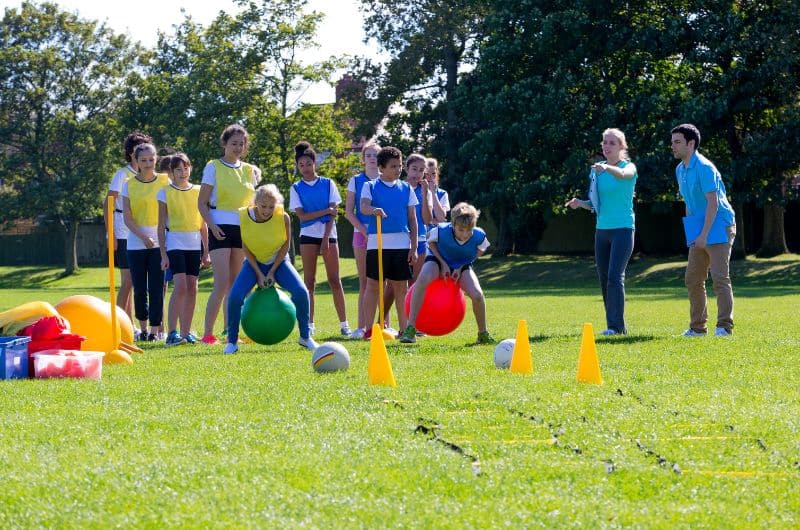
The source suggests giving kids something concrete to do rather than simply telling them to be active. A backyard Olympics works because the children are not just running around; they are designing events, making rules, competing, and treating the result as their own production. The movement comes packaged inside a project.
That distinction matters. When children help create the game, they are less likely to experience it as another adult assignment. A parent can keep the role small: provide basic materials, announce the event, judge fairly, and let the odd rules stand as long as everyone is safe.

Give Physical Activity a Reason to Exist
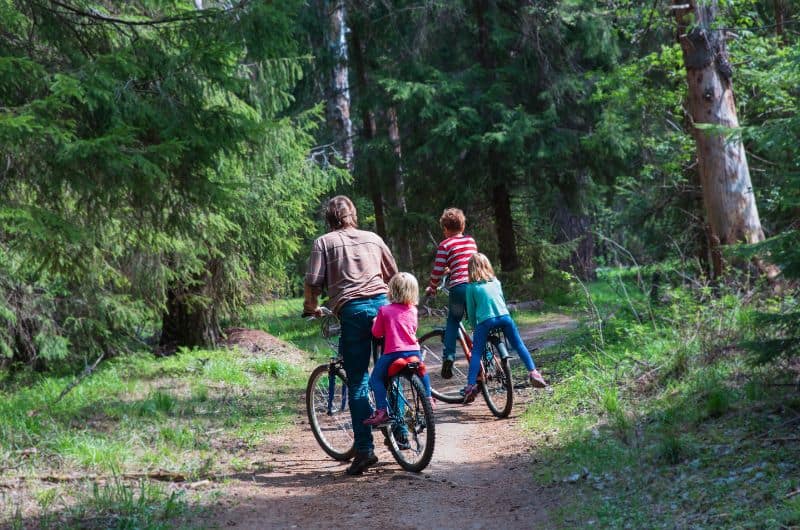
Some activities fail because they have no story. A bike ride around the block may sound healthy to an adult, but to a child it can feel like exercise for exercise’s sake. Motivation for Mom recommends adding a real destination: ice cream, a different playground, a creek, or a library visit where the child gets to choose a book.
The same idea applies beyond biking. A walk can become a hunt for one unusual object. A trip to the park can become a challenge to find the best climbing route. The destination does not need to be expensive or elaborate. It just needs to make the effort feel connected to a result.
This also lowers conflict. Instead of asking a child to stop doing something enjoyable, the parent is offering a different payoff. That is a stronger invitation than a vague instruction to go outside.
Use Simple Constraints to Keep Play Going
Free play is valuable, but a blank slate can be hard to start. The source’s water-play and scavenger-hunt examples work because they add just enough structure. A sprinkler game, a target, or a challenge to retrieve an object from a kiddie pool without touching it gives children a problem to solve while they move.
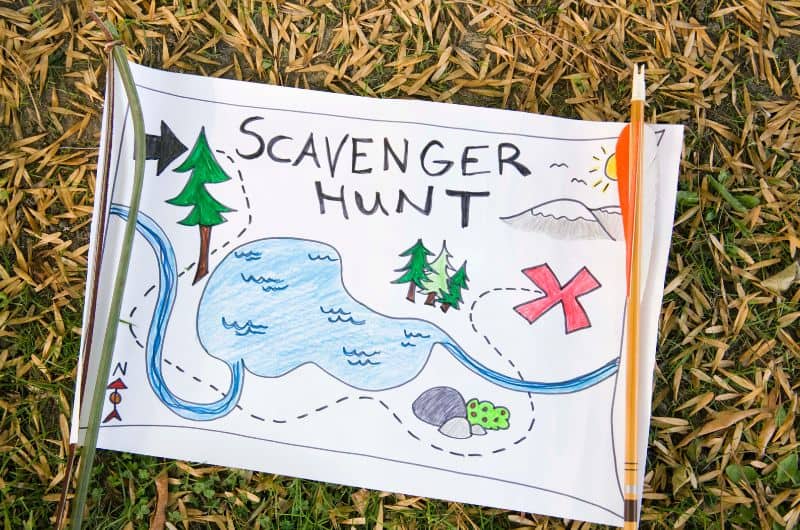
Scavenger hunts benefit from the same specificity. Motivation for Mom notes that a list with concrete items, such as a palm-sized rock, a feather, a seedpod, or a spider web to photograph, sends children searching with more purpose than a vague request to find something from nature.
The parent takeaway is not to overproduce the activity. The useful part is the constraint: a clear object, a light challenge, and enough freedom for children to improvise. In hot weather, water adds another practical advantage because it can make being outside feel manageable for longer.
Look for Activities That Build Competence
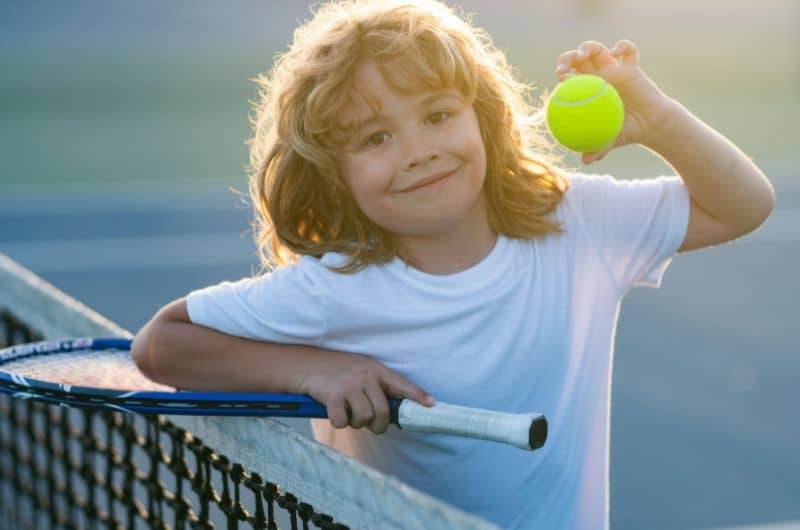
One reason racket sports appear in the source is that they offer visible progress. Tennis and pickleball give children a clear feedback loop: swing, connect, watch where the ball goes, adjust, and try again. That sense of improvement can be more motivating than a parent reminding them that movement is good for them.
According to Motivation for Mom, pickleball may feel especially approachable for younger beginners because the court is smaller and early rallies can happen sooner. The source also points to mobile coaching services as one way families can reduce logistical barriers, such as finding instruction or figuring out equipment.
The broader lesson is not that every child needs lessons. It is that activities with a learnable skill can have staying power. When a child feels capable, they may be more willing to return to the activity without the same level of negotiation.
Key Takeaways for Low-Stress Summer Movement
- Make the activity specific enough that kids know how to begin.
- Give movement a purpose, such as a destination, challenge, or small reward.
- Let children own part of the plan so the activity feels less adult-directed.
- Use water, scavenger hunts, and simple games to extend outdoor play without complicated prep.
- Choose some activities that help children feel more skilled over time.
The Practical Goal Is an Easier Evening
The strongest idea in the source is not that parents need to ban screens or fill every day with planned enrichment. It is that some days go better when children have used their bodies, solved small problems, and had a reason to stay engaged away from a device.
For families, that can mean a backyard competition, a bike ride with a stop worth reaching, a water game, a scavenger hunt, or a beginner-friendly sport. The common thread is not perfection. It is giving kids enough structure to start moving and enough freedom to keep going.
Inspired by this post on Motivation for Mom.