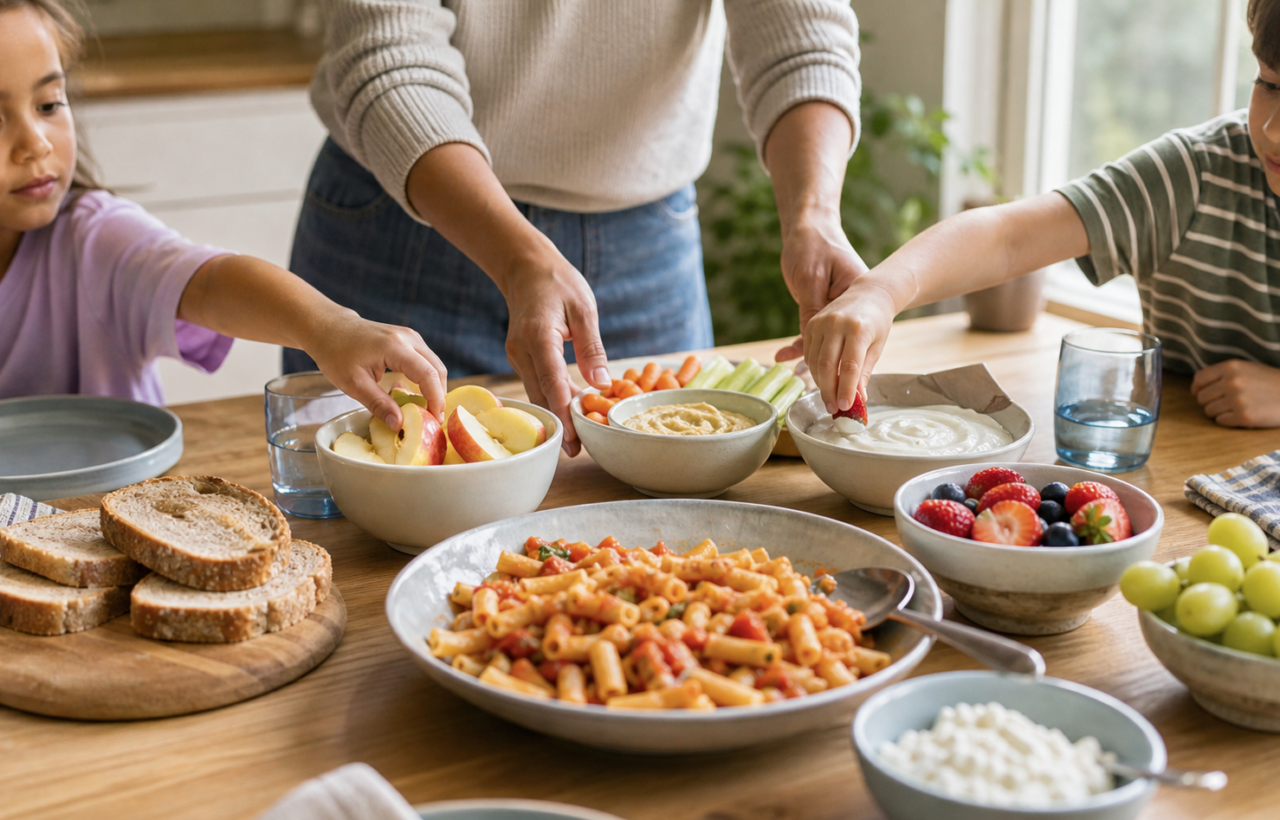
Family food gets easier when meals and snacks are treated as a flexible rhythm, not a daily test of perfect nutrition. Across the source articles, the same practical theme appears: children need structure, variety, and calm support, while caregivers need options that fit real afternoons, hot weather, and changing appetites.
The synthesis below connects three angles from diapr.ai Blog: portion guidance, after-school snacks, and a cold fruit smoothie bowl recipe. Together, they point toward a low-pressure approach to feeding kids that is balanced enough to be useful and simple enough to repeat.
Kids’ Appetites Need Flexibility, Not Guesswork
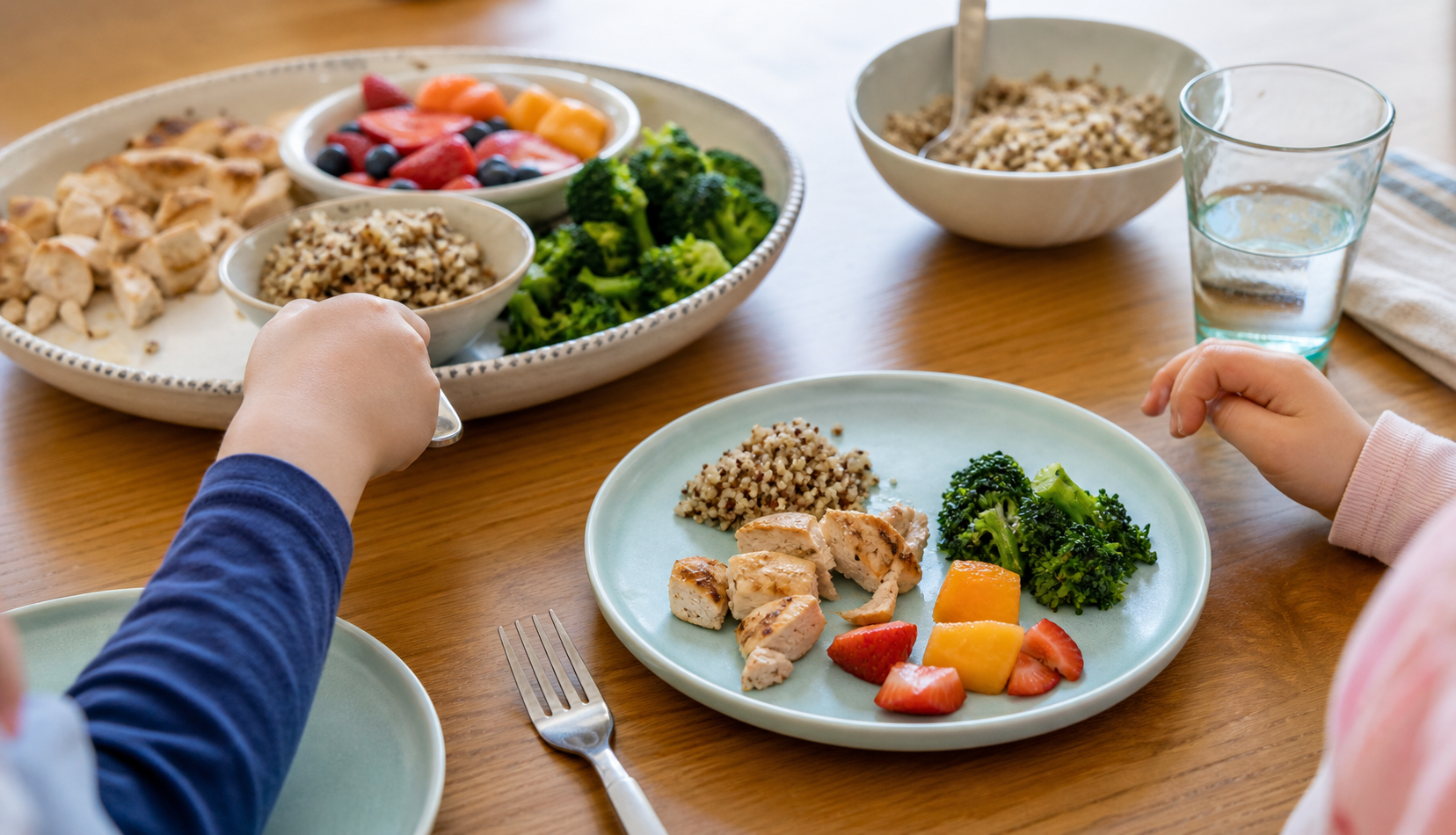
The portions guide reported that it can be difficult to know how much food a child needs because appetites change from day to day and growth shifts with age. That matters because easy family food is not only about fast recipes; it is also about serving food in a way that leaves room for normal variation.
Rather than framing every plate as something that must be finished, the source emphasized a balanced, low-pressure approach that helps children listen to their bodies, try a variety of foods, and build habits over time. This complements the snack article, which treated food between meals as part of the same pattern: not random grazing, but a small chance to add balance when a child needs it.
For families, the useful takeaway is that structure and flexibility can coexist. Caregivers can decide what is offered and when, while allowing children some space around how hungry they are at that particular meal or snack.
After-School Snacks Can Fill the Gaps
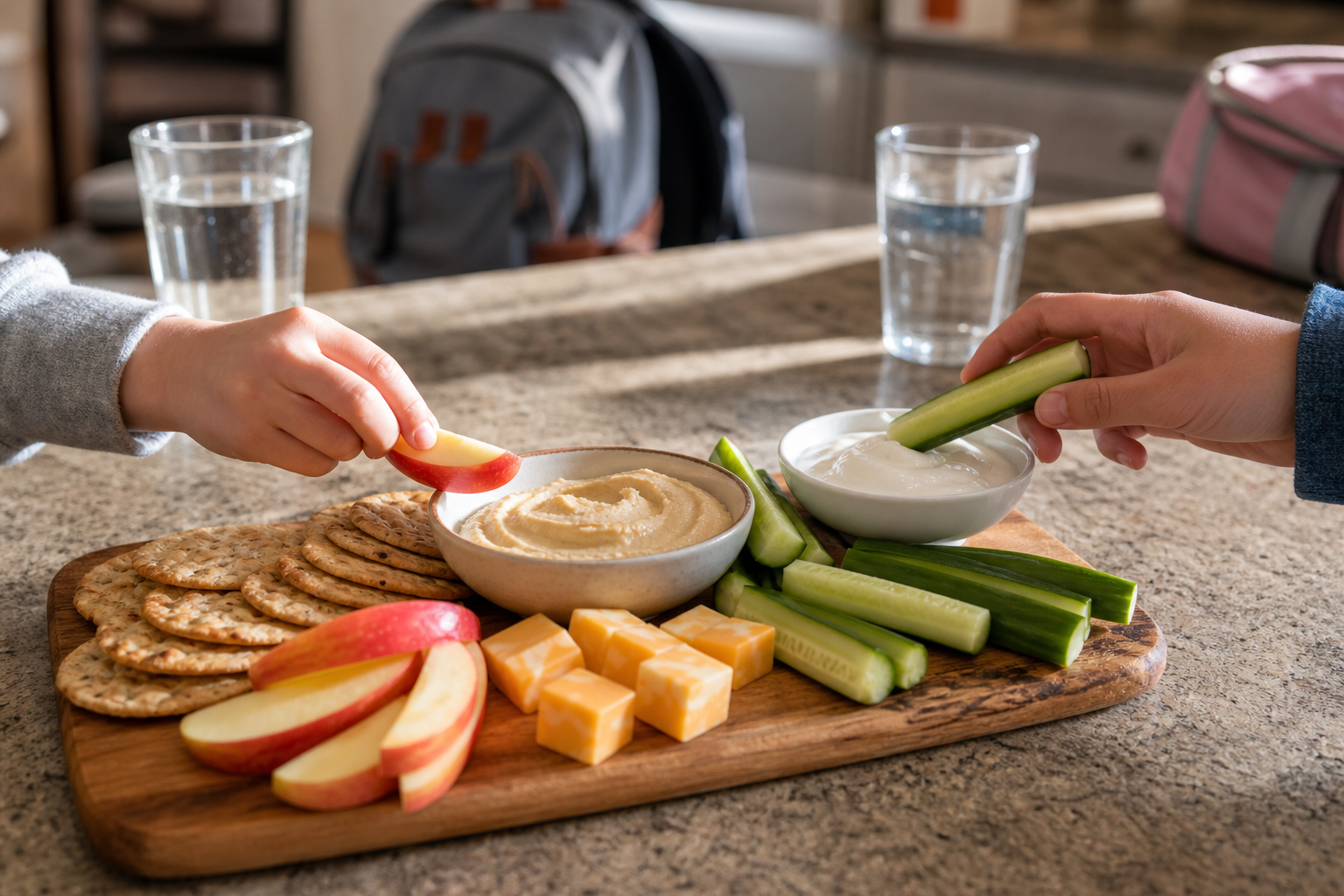
The after-school snack article reported two common realities: sometimes a snack makes up for a barely touched lunch, and other times it simply helps a child reach dinner without an afternoon crash. That framing makes snacks feel less like an extra chore and more like a practical bridge.
The same source said nutritionists often recommend thinking of snacks as small opportunities to add balance. It did not present snacks as a replacement for meals, but as a way to support steady energy and satisfaction until the next meal.
This connects directly with the portions article. If a child’s intake changes across the day, snacks can help smooth out the unevenness without turning lunchboxes or dinner plates into pressure points. A child who eats lightly at one sitting may still have another chance to get something nourishing later.
Simple Recipes Work Best When They Are Adaptable
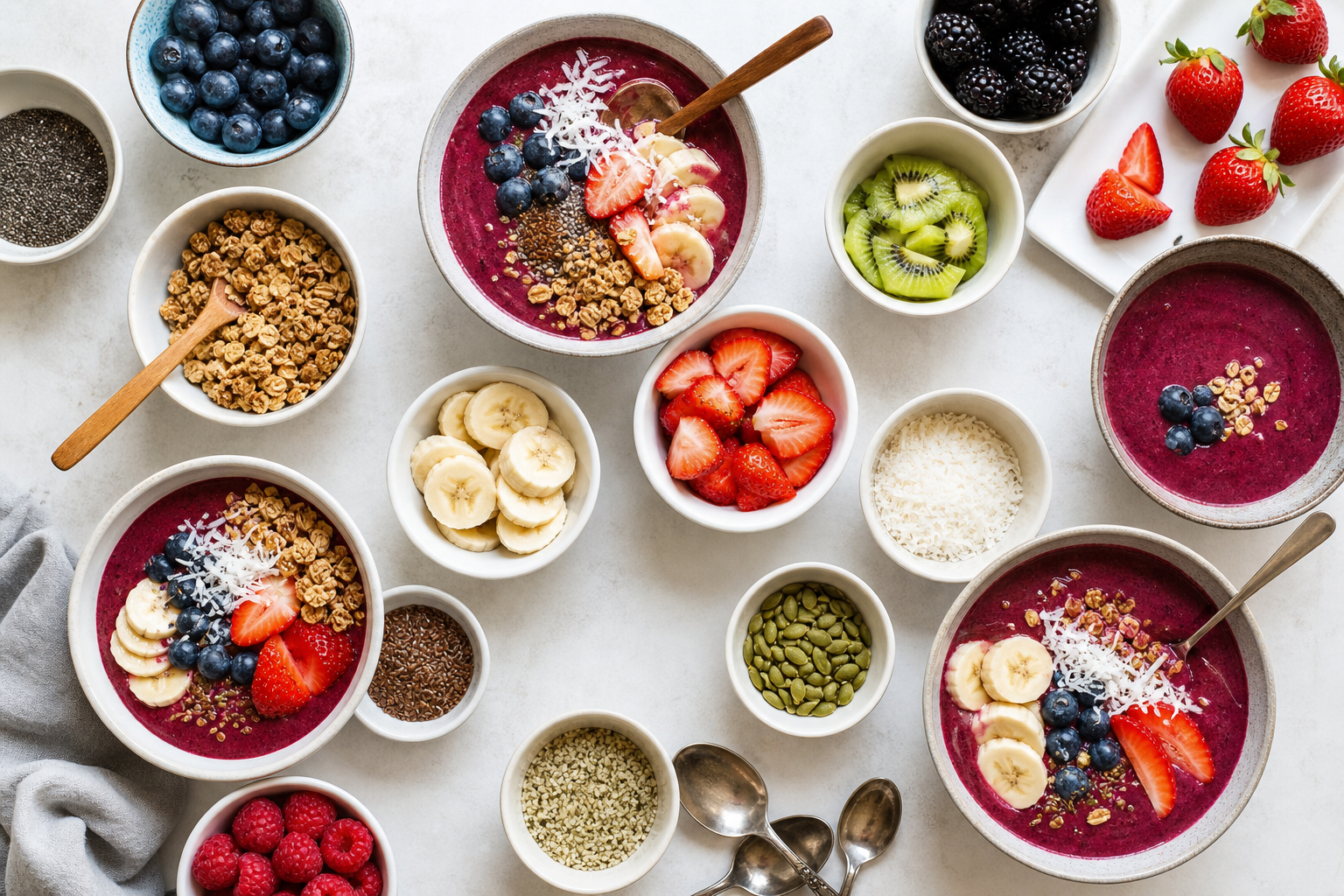
The cold fruit smoothie bowl source offered a concrete example of easy family food: a chilled bowl made with frozen banana, frozen blueberries, optional raspberries, optional kale or spinach, rolled oats, nut butter, vanilla, and vanilla almond milk or another nut or oat milk. Its toppings included options such as granola, frozen berries, pumpkin seeds, hemp hearts, unsweetened shredded coconut, melted nut butter, and raspberry chia jam.
What makes that recipe useful in a family nutrition context is not only the ingredient list. It also includes built-in flexibility. The source noted that if frozen banana is not available, a room-temperature banana can be used with ice cubes, though the texture may be less creamy. It also gives room for optional greens, different milks, and different toppings.
That adaptability matches the broader feeding approach from the other sources. A smoothie bowl can be a light family breakfast, a cooling summer option, or a way to combine fruit, oats, nut butter, seeds, and other toppings without making the meal feel formal or complicated.
Balance Comes From the Pattern, Not One Perfect Plate
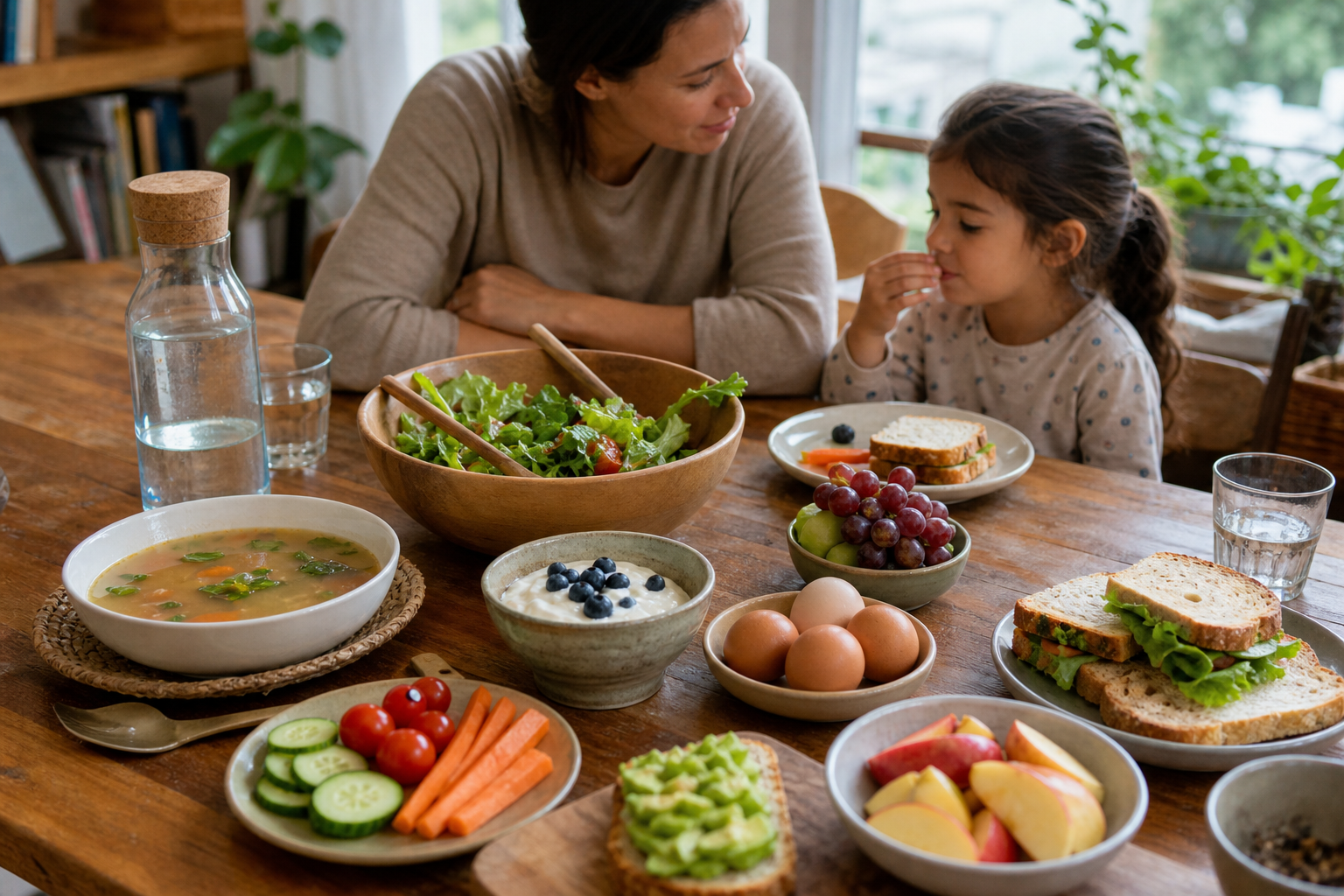
Read together, the sources avoid a rigid view of kids’ nutrition. The portions guide focused on low-pressure habits and body awareness. The snack piece focused on steady energy and filling gaps. The smoothie bowl recipe showed how an easy, cooling food can be customized with ingredients families already like.
That creates a more realistic standard for family meals: offer foods with a mix of roles across the day. Some foods bring quick energy, some help with fullness, some add texture, and some simply make a meal more appealing. The sources do not require every snack or meal to do everything at once.
For busy families, this can reduce decision fatigue. Instead of asking whether a food is perfect, the better question is whether the day includes enough variety, enough chances to eat, and enough calm around the table for children to keep learning their own hunger cues.
Key Takeaways
- Children’s appetites can shift from day to day, so portion guidance works best when it leaves room for normal variation.
- After-school snacks can help fill the gap after a light lunch or support kids until dinner.
- Balanced snacks do not need to be elaborate; they can simply add steadier energy and satisfaction between meals.
- Adaptable recipes, such as the reported cold fruit smoothie bowl, are useful because families can adjust ingredients and toppings.
- A low-pressure feeding pattern can support variety, body awareness, and easier family routines over time.
Easy family food is most useful when it lowers the pressure around feeding kids while still making room for nourishment. The practical path forward is a repeatable set of meals and snacks that can bend with appetite, schedule, season, and what is already in the kitchen.
References
- diapr.ai Blog – How Much Should Kids Eat? A Healthy Portions Guide
- diapr.ai Blog – What I Look for in a Nourishing After-School Snack
- diapr.ai Blog – Cold Fruit Smoothie Bowl: Easy Summer Recipe for Moms