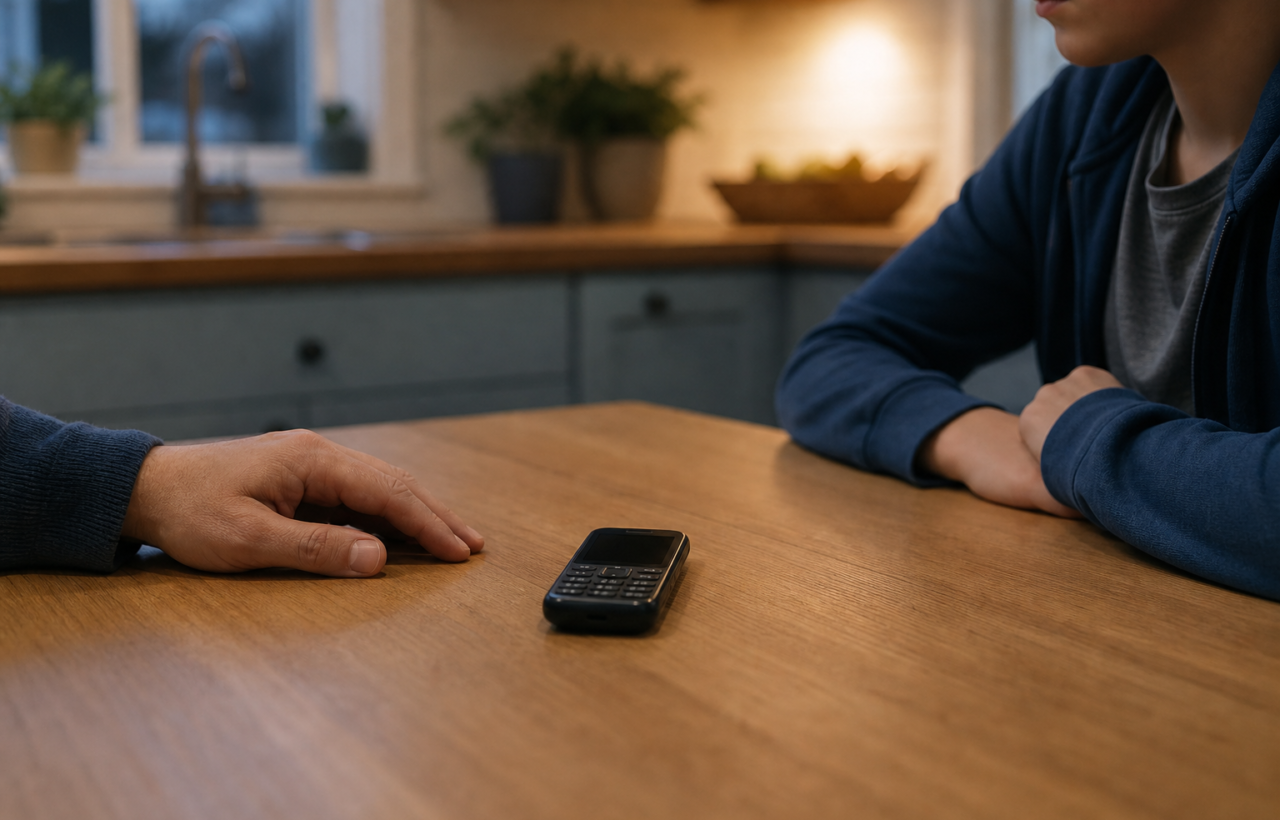
According to Parents, a father finding a burner phone belonging to his 12-year-old son raised concerns serious enough for mental health professionals to weigh in. The source material does not provide the full details of the family situation, so the most useful takeaway is not to assume the worst, but to treat a hidden phone as a signal that needs attention.
For parents, the hard part is balancing safety, trust, privacy, and consequences at the same time. A calm response gives a child less reason to hide more and gives the parent a better chance of learning what the phone was being used for.
Why a Secret Phone Feels So Alarming
A burner phone can suggest secrecy, but secrecy can come from different places. A child may be trying to bypass household rules, stay connected to peers, avoid monitoring, explore independence, or hide something more concerning. The device itself does not explain the motive.
That distinction matters. If a parent responds only with anger or punishment, the conversation can quickly become about getting caught instead of what led to the secrecy. If the response is too casual, genuine safety concerns may be missed. The middle ground is firm, curious, and immediate.
Start With Safety Before Consequences
The first priority is to understand whether the child is at risk. Parents can look for signs that the phone was connected to bullying, contact with unsafe people, sexual content, threats, self-harm concerns, coercion, or pressure from peers. This does not require a dramatic interrogation; it requires clear, direct questions and close attention to the child’s reaction.
A parent might say that the hidden phone broke trust, but that the immediate goal is to understand what happened and whether anyone is in danger. That framing keeps the boundary visible while making room for disclosure.
Key Takeaways for Parents
- Do not treat the phone as the whole story; it is evidence that a conversation is needed.
- Ask what the phone was for before deciding on a consequence.
- Separate safety questions from discipline so the child can answer honestly.
- Review family rules around devices, privacy, and monitoring in plain language.
- Bring in a mental health professional if the situation involves fear, coercion, self-harm concerns, or a pattern of risky secrecy.
How to Have the First Conversation
A useful first conversation is short, specific, and hard to derail. Parents can name what they found, ask the child to explain, and pause long enough to listen. Long lectures often teach children how to defend themselves rather than how to be honest.
Questions that keep the discussion concrete include: Who gave you the phone? What were you using it for? Who knew about it? Were you worried about telling us? Did anyone ask you to keep something secret? These questions focus on context, not character.
Consequences can still be appropriate. The difference is that consequences should match the issue: hiding a device, breaking technology rules, unsafe contact, or refusing to cooperate are not all the same problem. A measured response makes it easier to repair trust after the immediate facts are clear.
Reset the Digital Rules in Writing
Once the immediate concern has been addressed, families can make expectations explicit. Rules are easier to follow when they are concrete: which devices are allowed, where they are kept overnight, what apps or accounts require permission, what privacy a child can expect, and what situations require telling an adult.
Parents should also explain the reason for monitoring. For a 12-year-old, digital independence is still developing. The goal is not total surveillance forever; it is enough structure to keep a child safe while they learn judgment.
When Outside Help Makes Sense
Parents reported that mental health professionals offered guidance on this issue, according to the source summary. In general, outside support is worth considering when a child seems frightened, unusually withdrawn, defiant in a way that feels out of character, or unable to explain what happened without becoming overwhelmed.
A hidden phone can be a one-time boundary violation, or it can be part of a larger pattern. The most constructive response is to slow the situation down, protect the child, and rebuild expectations with enough clarity that secrecy becomes harder to justify.
Inspired by this post on Parents.