
A baby who was sleeping predictably and then suddenly starts waking, fighting naps, or needing more help at bedtime can leave parents wondering what changed. Newton Hush describes this pattern as sleep regression: a temporary disruption that often lines up with growth, new skills, and shifting awareness.
This guide reorganizes the source into a practical parent-first plan: how to recognize a regression, when age matters, what to keep steady, and when to look beyond normal developmental sleep disruption.
What Sleep Regression Usually Means
According to Newton Hush, sleep regression is most likely when a baby or toddler had a workable sleep pattern and then begins struggling to fall asleep or stay asleep for naps or nighttime rest. The key word is change. A newborn with day-night confusion, a baby adjusting after travel, or a sick child may sleep poorly for reasons that are not necessarily regression.
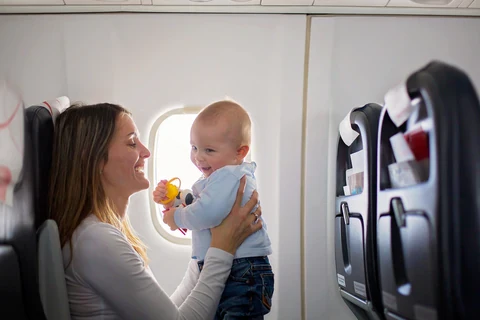
The source frames regression as closely tied to development. Babies are learning, growing, moving differently, and noticing more of the world. That can make sleep feel less settled for a while, even when nothing is technically wrong with the bedtime routine.
Parents should still use judgment. If sleep problems last beyond a few weeks, or if feeding, breathing, fever, pain, or unusual behavior is involved, it is reasonable to check with a health professional rather than assuming development is the only explanation.

Key Takeaways
- Newton Hush reports that regressions can happen around 4 months, 6 months, 8 to 10 months, 12 months, 15 to 18 months, and 2 years, though not every child has every regression.
- Common signs include less sleep, more night waking, nap resistance, extra hunger, and more crankiness.
- Consistency matters: a familiar bedtime routine, a dark and cool room, and steady sleep cues can help during the rough stretch.
- Safe sleep should not be relaxed just because everyone is tired. The sleep space still needs to stay appropriate for the child’s age.
Why Certain Ages Can Be Harder for Sleep
Newton Hush identifies several windows when sleep may become more fragile. Around 4 months, the source notes that babies may be going through a growth spurt and broad physical, cognitive, social, and language development. It also says babies around 3 to 4 months begin producing melatonin and start moving toward more adult-like sleep cycles, including lighter and deeper sleep.
At 6 months, the source points to increased awareness of familiar people, surroundings, and stimulation. A baby who is more engaged with the world may also be more distracted by it. Around 8 to 10 months, crawling, early sounds, early word understanding, and teething can make sleep shorter or more interrupted.

The toddler period brings its own sleep friction. Newton Hush says 12-month-olds may resist a second nap even though many children are not ready for one nap until about 15 to 18 months. At 15 to 18 months, walking, copying adults, using a spoon, tantrums, babbling, and molars may all affect rest. By age 2, a longer awake stretch, one-nap schedule, potty learning, a bigger bed, and more independence can shift sleep again.
How to Tell It Is Probably a Regression
The most obvious clue is a sudden drop in sleep. Newton Hush says some children may struggle to stay asleep longer than 20 minutes during regression periods. That can show up as short naps, bedtime resistance, early waking, or repeated night wake-ups.
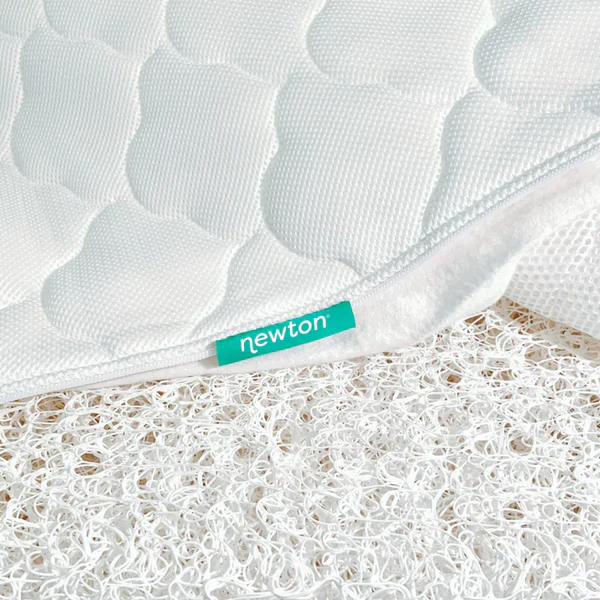
Increased hunger can also appear during growth spurts, according to the source. A baby may want to feed more often or seem harder to satisfy. More crankiness is also expected when rest is disrupted; babies and toddlers have fewer coping tools when they are tired.
It helps to look at the whole picture rather than one bad night. A missed nap after a busy day is not the same as a sustained pattern. Parents can ask: Was sleep fairly steady before? Is there a new skill emerging? Are illness, travel, schedule changes, or discomfort unlikely? If the answers point toward development, a regression becomes a more plausible explanation.

What to Keep Steady When Sleep Falls Apart
The source’s most useful advice is not to rebuild the entire sleep system in panic. Keep the room dark at bedtime, aim for a cool sleep environment, dress the baby for the temperature, and reduce disruptive noise. Newton Hush also suggests white noise as one option for masking household sounds.
A predictable wind-down routine matters because it gives the child repeated signals that sleep is coming. That routine might include a bath, pajamas, a book, a song, and a short goodnight. The exact order matters less than whether it is calm and repeatable.

Sleep cues are another practical tool. Eye rubbing, yawning, slowing down, staring off, or losing interest in toys can signal that the bedtime routine should begin. Waiting until a child is overtired can make settling harder.
Newton Hush also recommends putting a baby down sleepy but awake so they can practice falling asleep in their own sleep space. For families considering sleep training, the source advises waiting until the worst of the regression has passed rather than beginning a new method in the middle of the hardest nights.
Safety and Parent Stamina Still Matter
Tired parents may be tempted to make short-term choices that feel easier at 3 a.m. Newton Hush emphasizes safe sleep basics: a firm, properly fitted mattress, placing baby on the back for sleep, room-sharing without bed-sharing in early infancy, and keeping blankets, pillows, toys, and bumpers out of the crib until the baby is old enough.
The source also says the American Academy of Pediatrics supports offering a pacifier at sleep time, while noting that breastfeeding families may choose to wait until nursing is established, around a month, before introducing one.
Parents need care too. Asking a trusted friend or family member to watch the baby while a parent rests is not an indulgence; it is a practical response to interrupted sleep. Regressions are temporary, but exhaustion can still affect judgment, mood, and patience.
The best goal is not to force perfect sleep overnight. It is to keep the environment safe, keep the routine recognizable, respond to real needs, and avoid turning a developmental rough patch into a completely new set of sleep habits.
Inspired by this post on Newton Hush.