
Combo feeding can mean several different things: nursing and topping up with formula, alternating breast milk and formula bottles, pumping for part of the day, or adding donor milk when it fits the family’s plan. The common thread is that parents need a routine that is clear, clean, and manageable.
Drawing on product and routine suggestions reported by hibobbie Blog, this guide reorganizes the essentials around the real jobs combo feeding creates: choosing milk sources, moving milk safely, reducing cleanup, and protecting the feeding parent’s comfort.
Start With the Feeding Plan, Not the Shopping List
Before buying gear, parents benefit from deciding how breast milk, formula, and possibly donor milk will fit into a day. The source describes several valid patterns, including nursing first and offering a top-off bottle, alternating feeding methods, or using mostly one milk source with a smaller amount of another.

The practical goal is consistency. Caregivers should know what size bottle to offer, when pumped milk should be used, and which hunger cues matter. That shared plan can reduce confusion for partners, grandparents, and childcare providers, especially when more than one person is preparing bottles.
- Label pumped milk with the date, time, and ounces.
- Use the oldest stored milk first.
- Wash hands before handling bottles, pump parts, or milk.
- Bring questions about growth, latch, supply, or supplementation to a pediatrician or lactation consultant.
Choose Milk Sources With Clear Rules
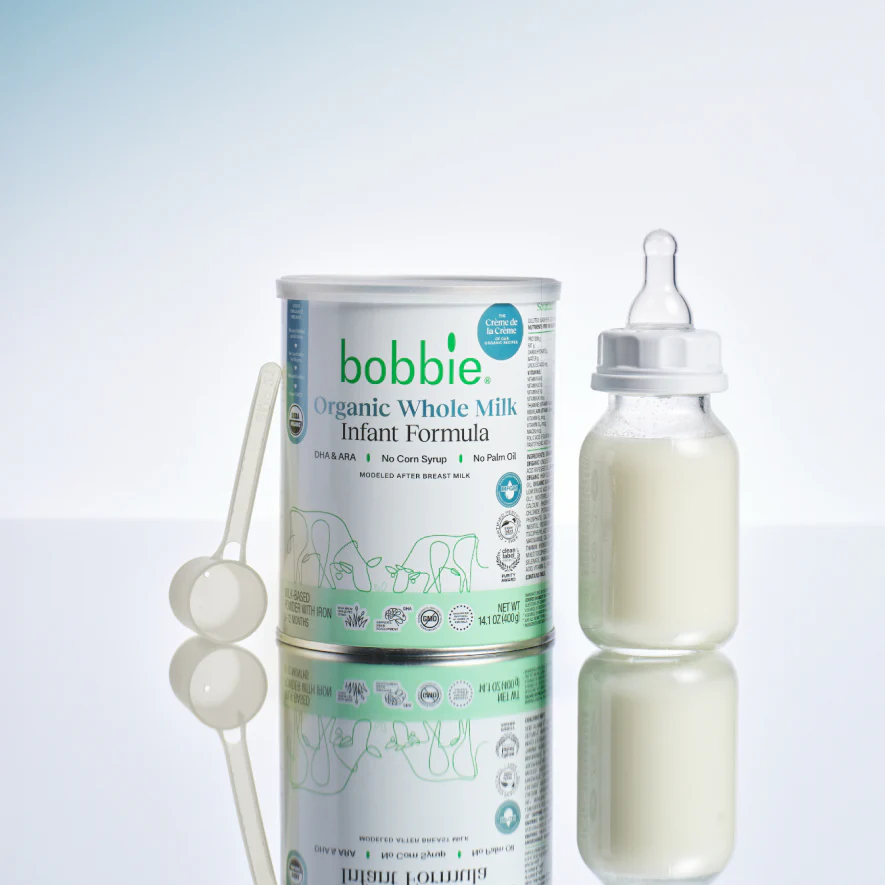
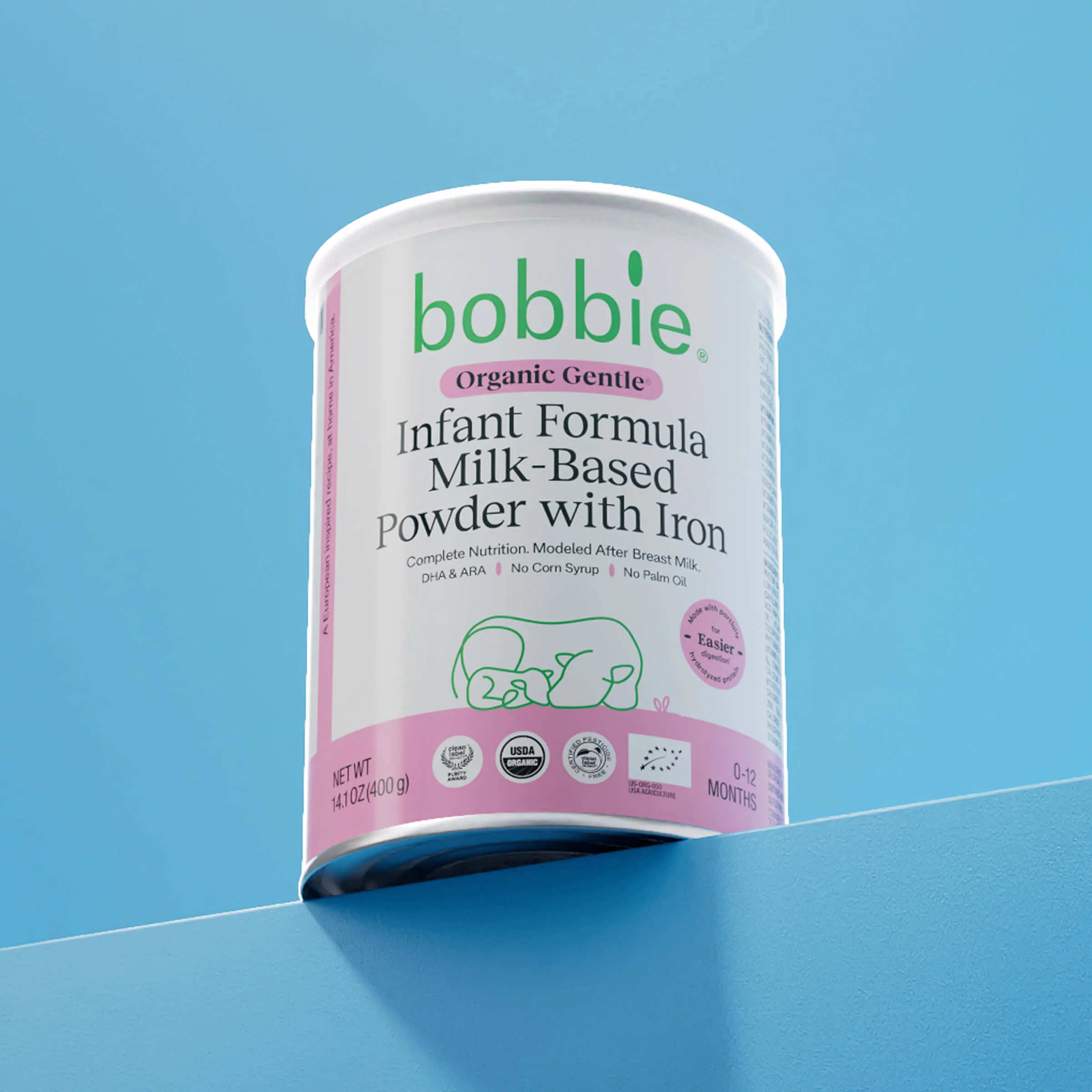
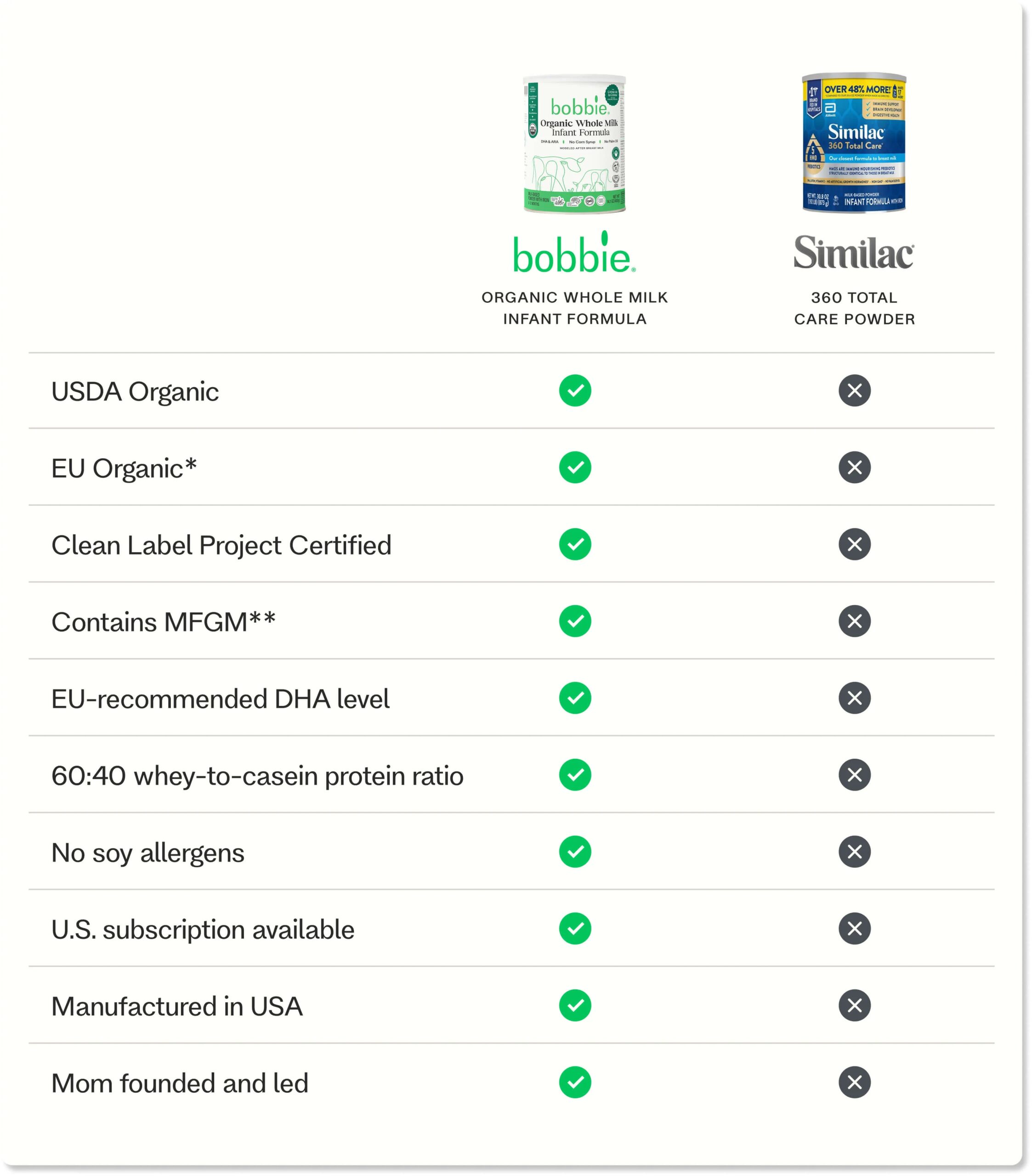
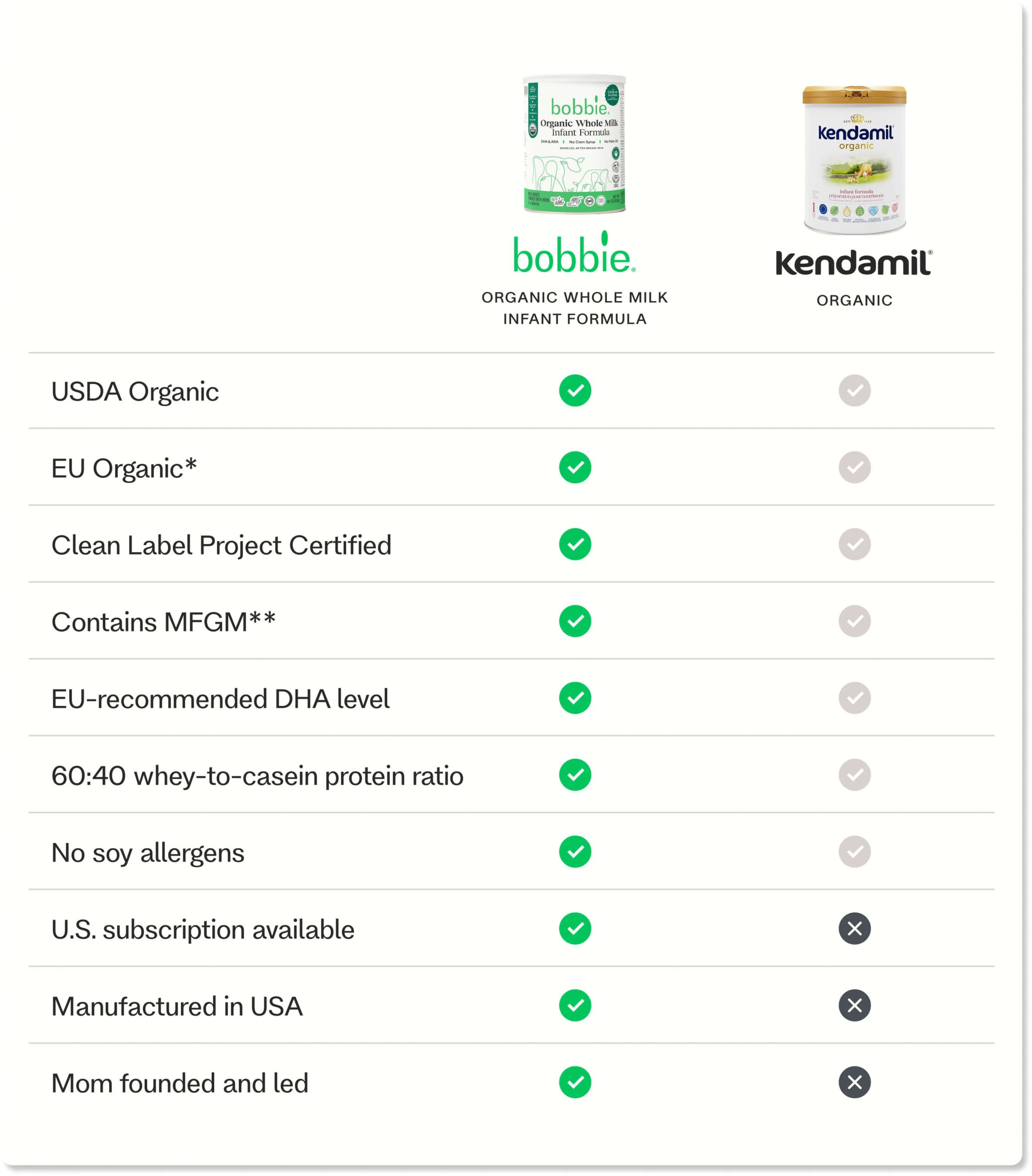
For families using formula as part of the mix, hibobbie Blog highlights Bobbie Organic Whole Milk Infant Formula. The source reports that it is made with pasture-raised organic cows’ milk, uses lactose as the sole carbohydrate source, and does not include corn syrup, palm oil, or soy allergens. It also says the product has Clean Label Project Purity Award and Pesticide-Free certification, with batch screening for more than 400 contaminants.

For families considering donor milk, the same source points to Leche donor milk, describing it as screened, pasteurized, freeze-dried human milk delivered to the home. Parents using donor milk need especially clear handling habits, because waste and storage mistakes can be stressful.

- Store donor milk powder in a cool, dry place.
- Mix gently, following the product directions.
- Use rehydrated donor milk within 24 hours, according to the source’s guidance.
- Prepare smaller portions when intake is unpredictable.
Make Pumping and Storage Easier to Repeat
A combo feeding routine often succeeds or fails on repeatability. If pumping is part of the plan, a portable pump may make the difference between an occasional session and a sustainable habit. Hibobbie Blog names the Muu Pump as a lightweight wearable option intended for hands-free pumping, portability, and manual control.
Storage matters just as much as pumping. The source recommends Lansinoh bottles with NaturalWave nipples and double-zip storage bags, noting that the bags are pre-sterilized, freezer-safe, and designed to lay flat. Smaller storage amounts can help parents thaw only what the baby is likely to drink.

- Store pumped milk in 2- to 4-ounce portions when that matches the baby’s typical intake.
- Freeze bags flat, then organize them upright by date.
- Use breast massage or gentle compression during pumping if it helps with letdown.
- Clean pump parts promptly, following the pump maker’s instructions.
Batching Can Reduce the Daily Bottle Math
When a baby is taking many bottles in a day, preparing each one from scratch can become hard to track. Hibobbie Blog reports that the Willow Glass Breastmilk Pitcher can be used to combine a day’s expressed breast milk or batch-prepare formula, then chill and pour as needed.
The source’s batching advice is specific: refrigerate mixed formula at 40 F or below, discard unused formula after 24 hours, and discard unused breast milk after 4 days. Parents should also sanitize the pitcher, use safe water, portion bottles ahead for outings, and wash the pitcher promptly after use.

Cleaning and Comfort Are Part of the System
Combo feeding creates a lot of small parts: nipples, collars, bottles, pump pieces, pacifiers, caps, and storage containers. The source features the Baby Brezza Bottle Washer Pro, reporting that it washes, sterilizes, and dries up to a day’s worth of feeding gear. Whether parents use a machine or handwashing, the underlying principle is the same: take pieces apart, clean crevices, dry fully, and store items where they stay clean.

Comfort deserves equal attention. Hibobbie Blog includes Earth Mama Organic Nipple Butter, described as a lanolin-free nipple cream, and suggests applying a pea-sized amount after nursing or pumping. Persistent soreness should not be treated as something to simply push through; the source recommends consulting a lactation professional to check latch and positioning.

Education can also lower the pressure. The source recommends Bottle Service by Mallory Whitmore, also known as @theformulamom, for topics such as supplementing, paced bottle feeding, safe preparation, hunger and fullness cues, gas, reflux, and bottle refusal.
Key Takeaways for Combo Feeding Parents
- A written feeding plan helps every caregiver prepare the right milk, amount, and bottle at the right time.
- Formula, pumped milk, and donor milk each need clear storage and preparation rules.
- Portable pumping, flat-freezer storage, and pitcher batching can reduce daily friction.
- Cleaning routines and nipple care are not extras; they help keep the system workable.
- Professional support is appropriate when pain, growth concerns, bottle refusal, or feeding uncertainty continues.
The most useful combo feeding setup is not necessarily the most elaborate one. It is the one that makes feeds predictable, keeps milk handling organized, and gives parents enough flexibility to adjust as the baby’s needs change.
Inspired by this post on hibobbie Blog.