Families preparing for a hospital birth often want the same practical answers first: where to go, what happens at check-in, who can come, and what the first day after birth may look like. Welcome Baby Co. Blog’s guide to Foothills Medical Centre in Calgary offers a useful starting point for those questions.
The details below are drawn from that source and framed as planning guidance, not medical advice. Hospital policies, parking details, and visitor rules can change, so families should confirm current instructions with their care team before delivery.
Start With The Arrival Logistics
According to Welcome Baby Co. Blog, Foothills Medical Centre is located at 1403 29th St. NW and opened in 1966. The source describes it as one of Canada’s largest hospitals, with more than 1,100 beds, and notes that its labour and delivery, postpartum, and NICU areas are on the fifth floor of the main building.
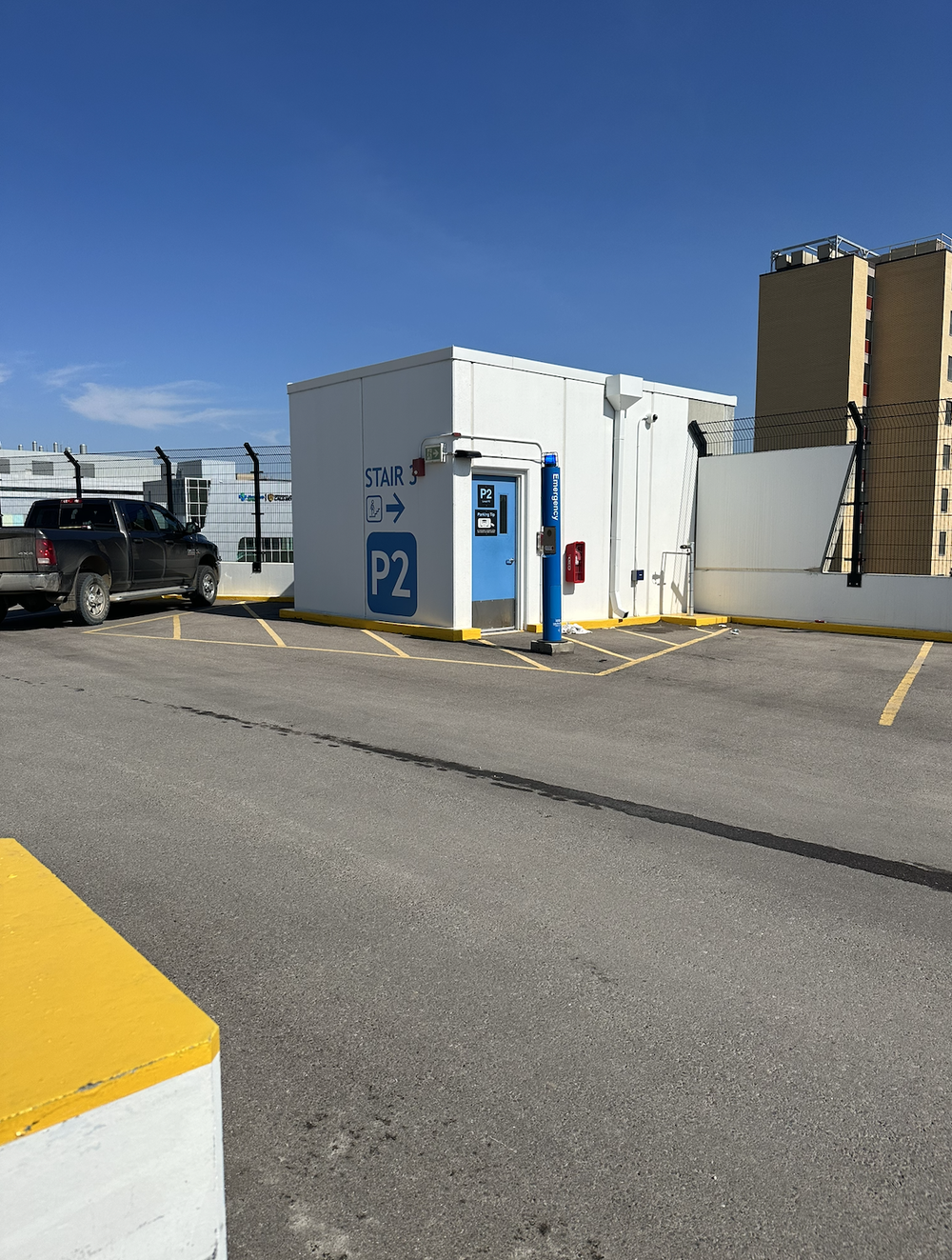
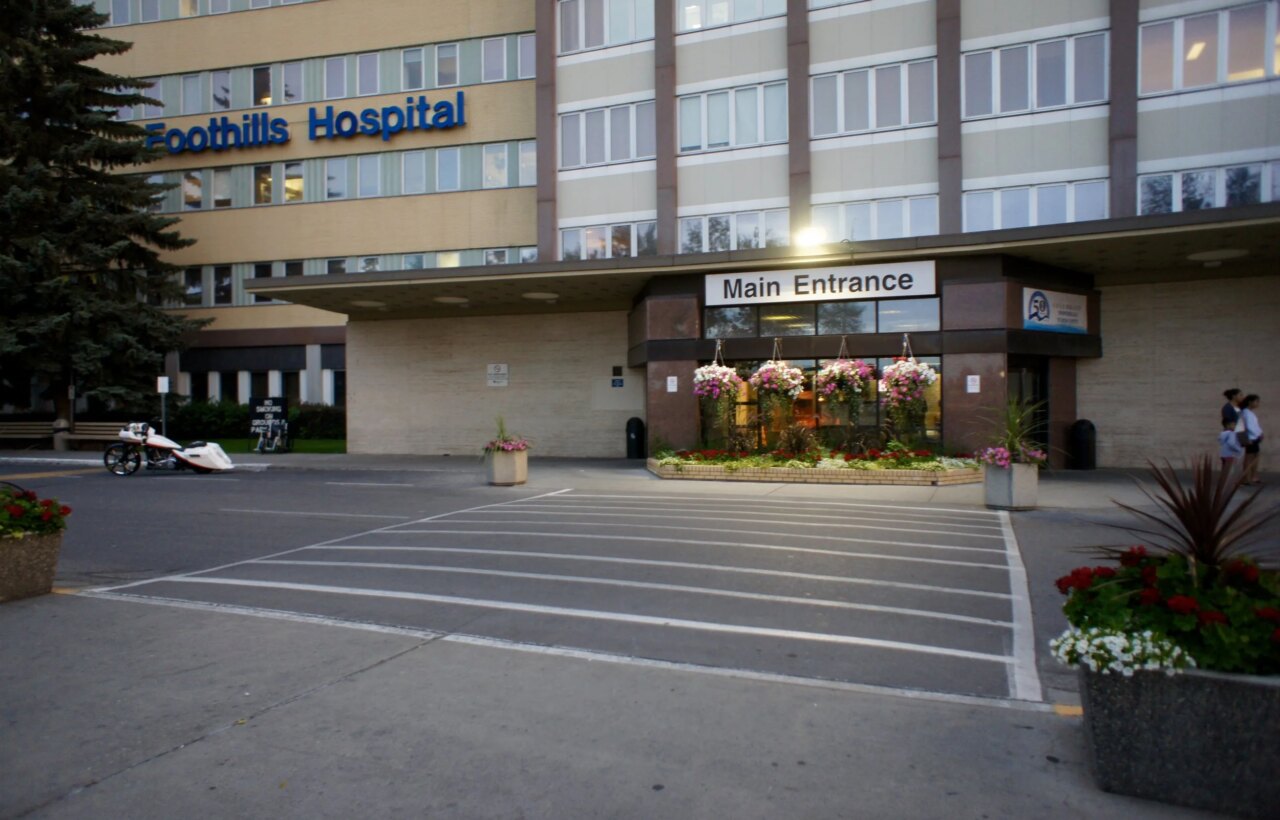
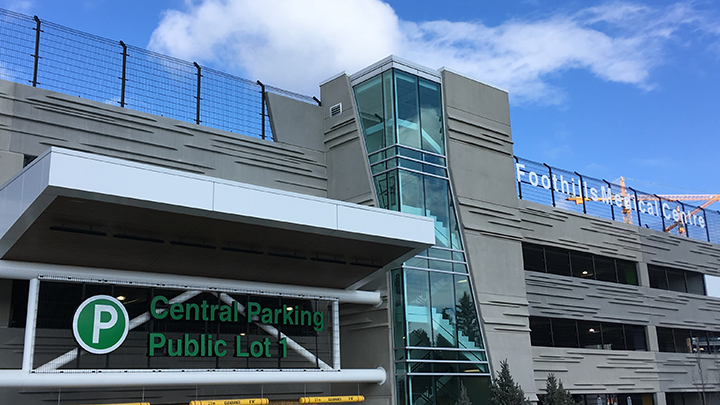
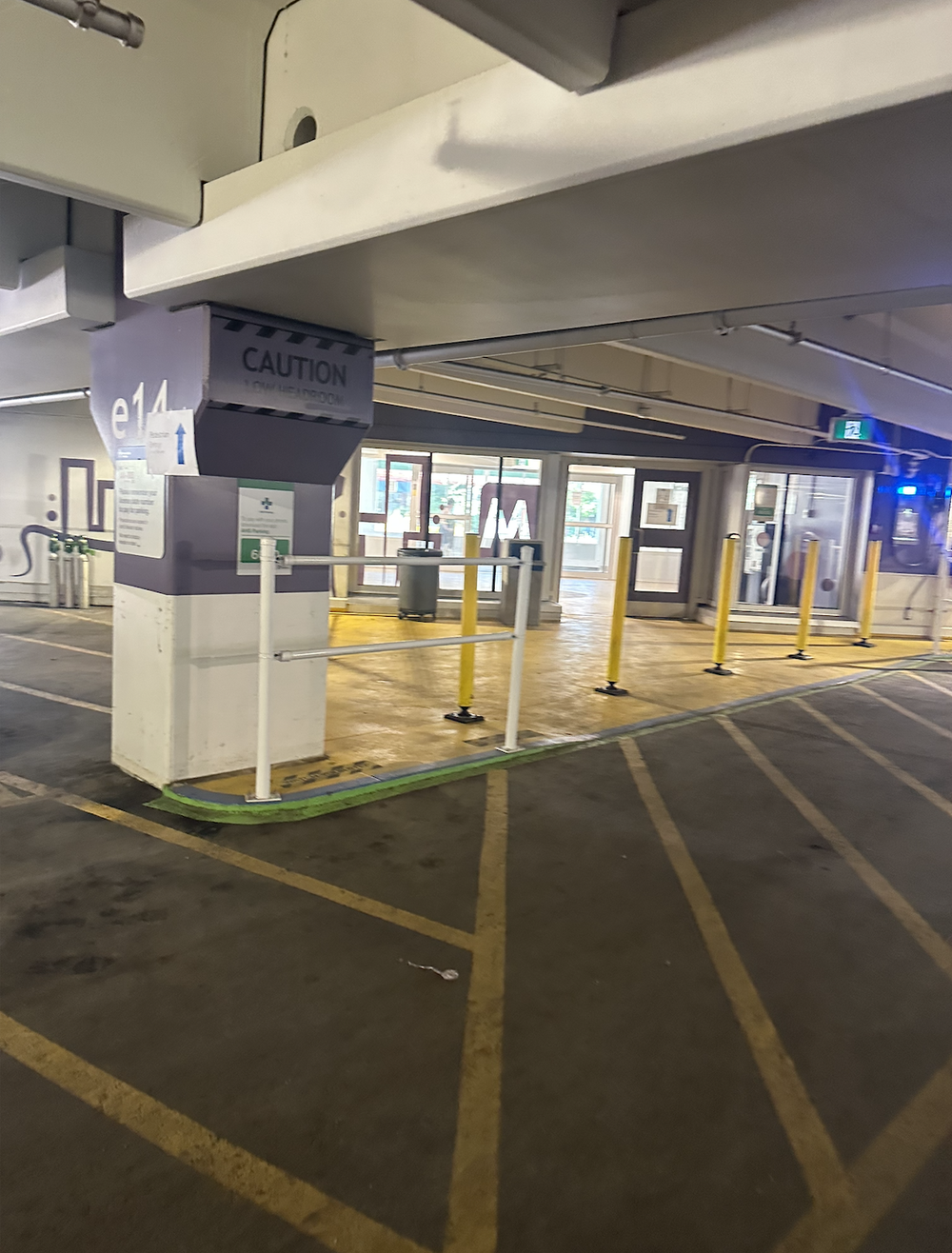
For arrival, the source identifies the central parking structure in front of the main building as the closest option for labour and delivery. It also says the main hospital doors are open 24 hours, while some other entrances lock after 9:30 p.m. If parking is busy, the North and West lots are described as alternatives, though with a longer walk that can be connected through the indoor Foothills Trail pathway system.
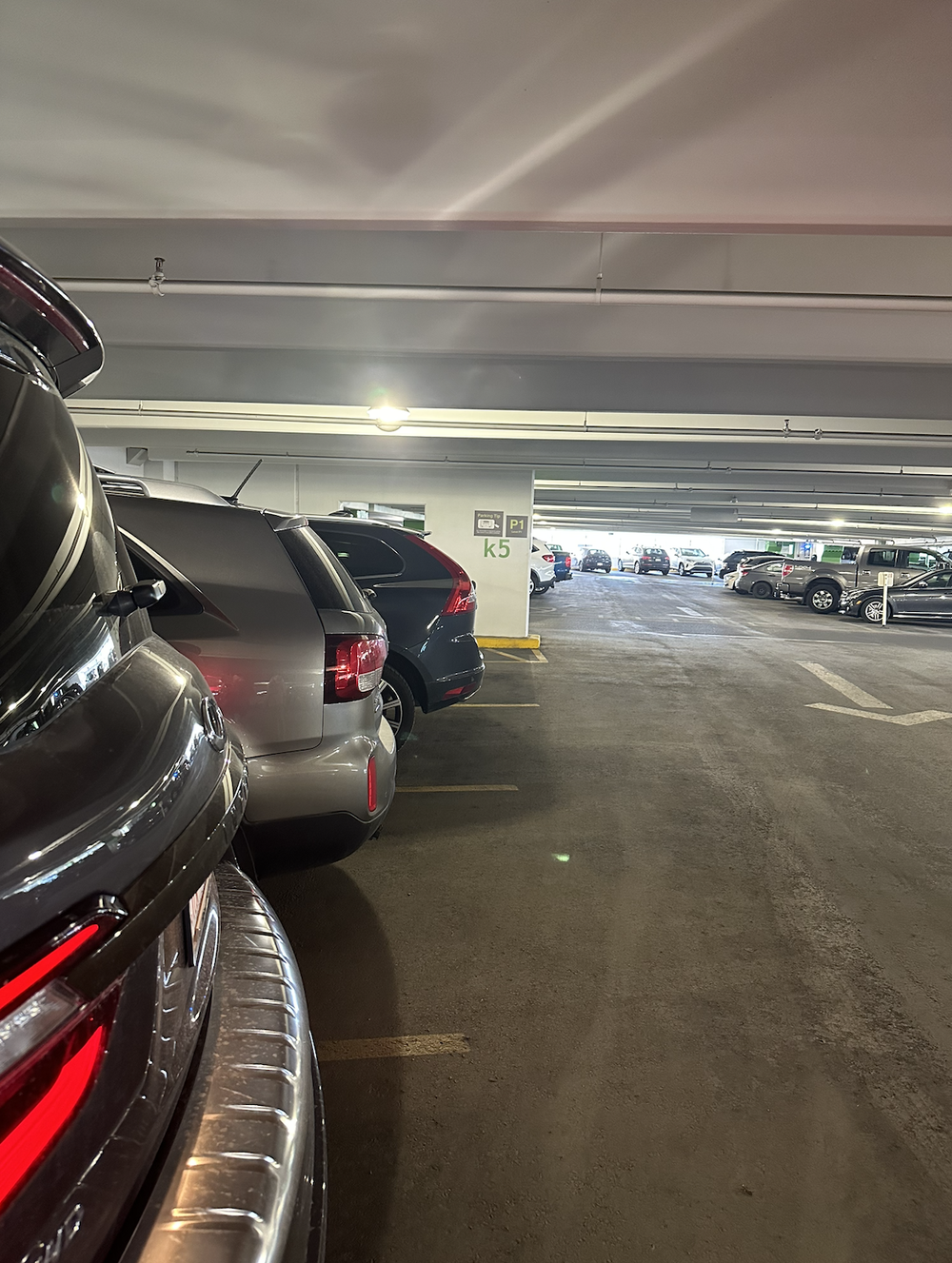
Parking is one of the easiest things to prepare in advance. The source reports AHS hospital parking at $5 per hour, with a $15 daily maximum, and gives Foothills Medical Centre’s parking lot code as 6010. It also recommends setting up the AHS parking app before labour, which can reduce the number of decisions required on arrival.
What Check-In And Triage May Feel Like
Once inside the main building, Welcome Baby Co. Blog says families can take the elevators to the fifth floor, where labour and delivery is Unit 51 and postpartum is Unit 52. At labour and delivery, the source describes a waiting area, glass doors, and a triage window where a nurse begins the check-in process.
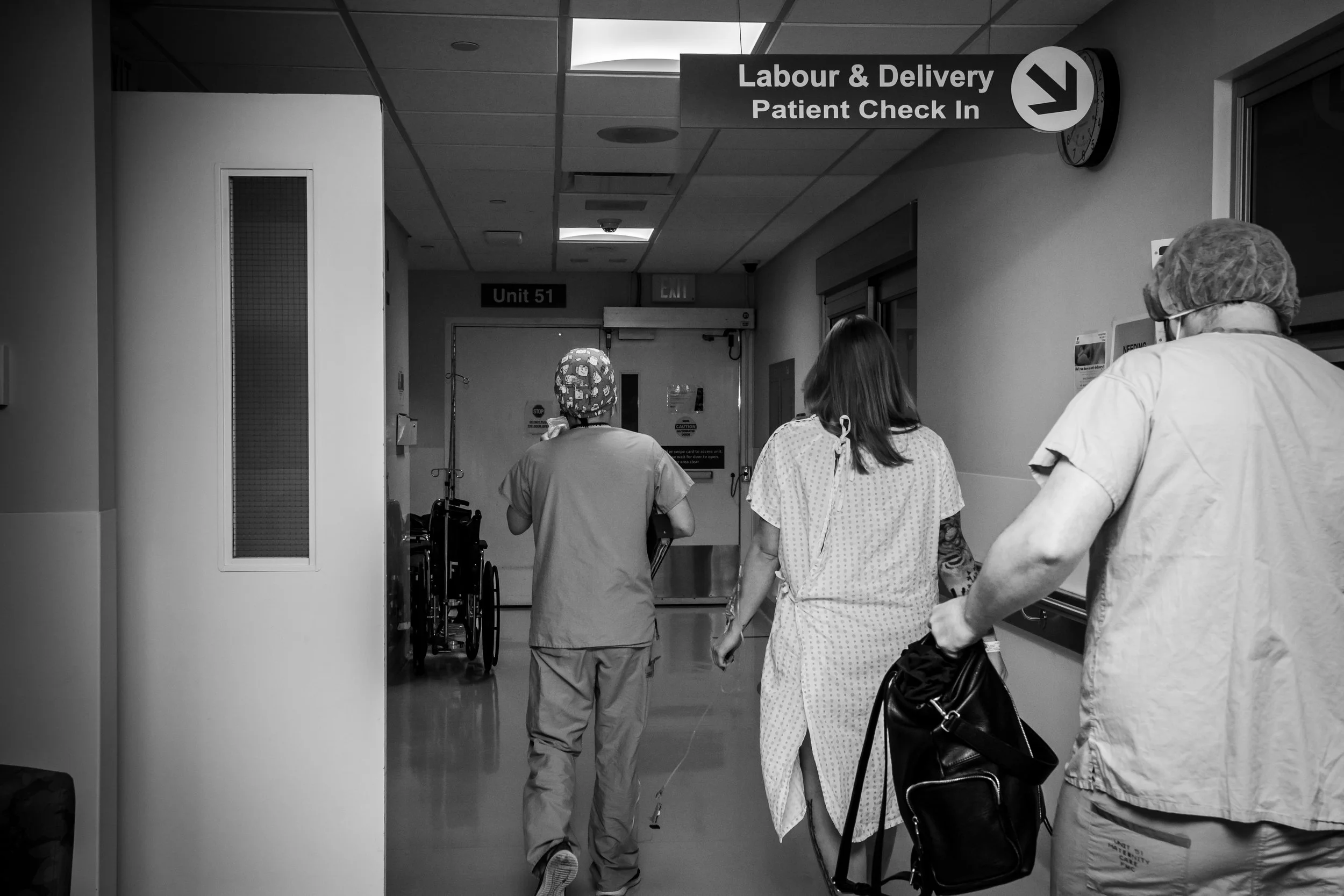
Triage is the point where the care team assesses labour progress and checks on the baby before deciding whether a patient will be admitted or sent home. The source notes that the triage space is small, with beds divided by curtains, and says one support person is typically allowed there until admission.
This is an important expectation to set before the day arrives. Being sent home from triage can feel discouraging, but in the context described by the source, admission generally depends on active labour when the birthing parent and baby are both doing well. Families working with a midwife may receive specific triage instructions from that provider.
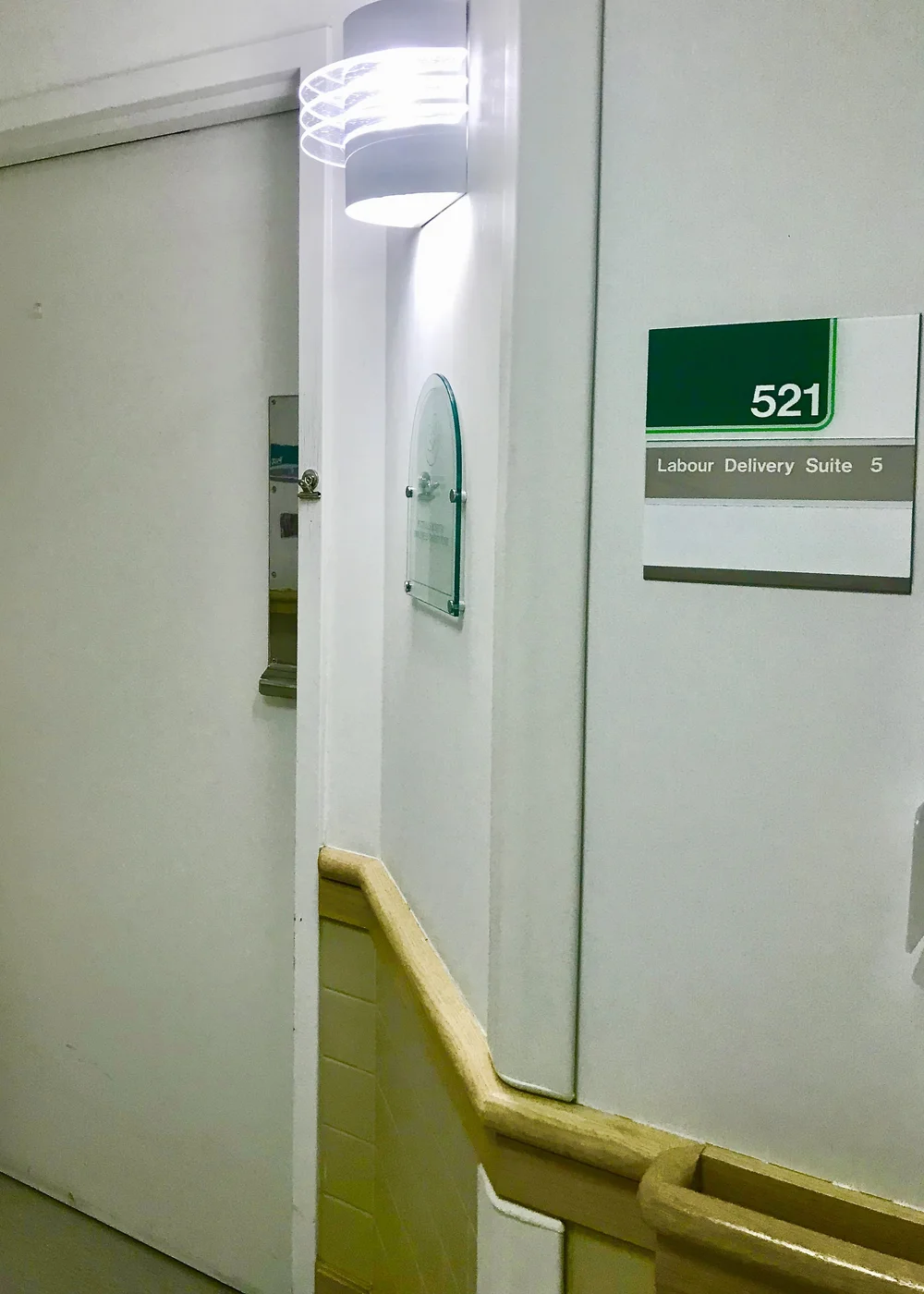
Support People, Birth Rooms, And Caesarean Planning
Welcome Baby Co. Blog reports that two designated support people are typically welcome during birth, with doulas included in that count. The source says those two people should usually remain the same throughout labour, and that requests for additional support should be discussed with the care team.
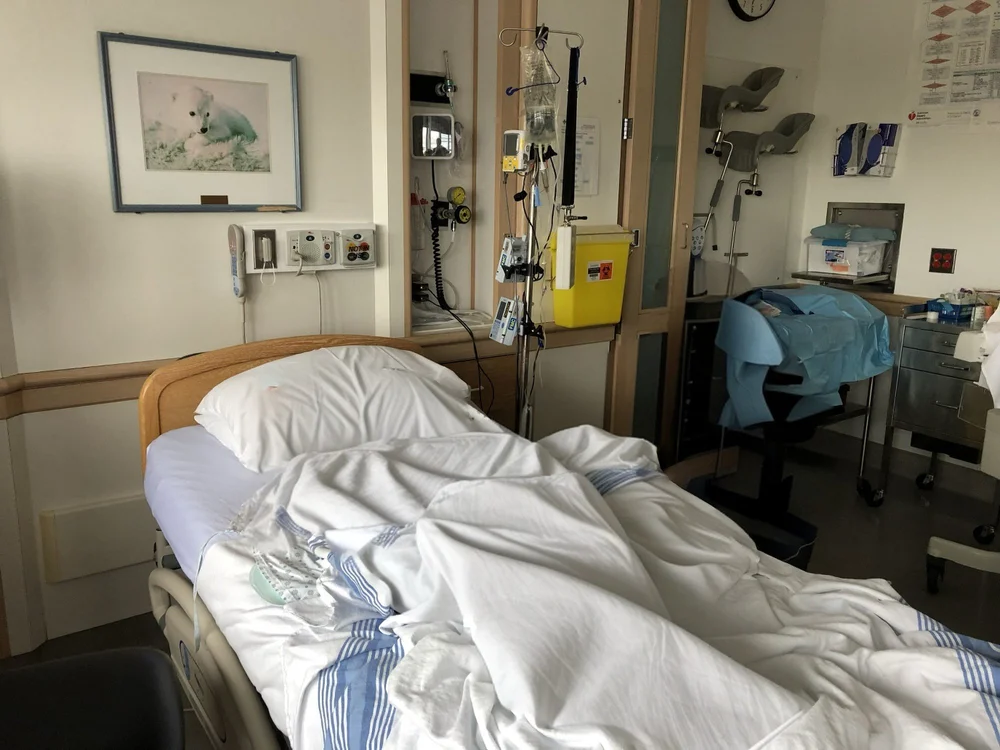
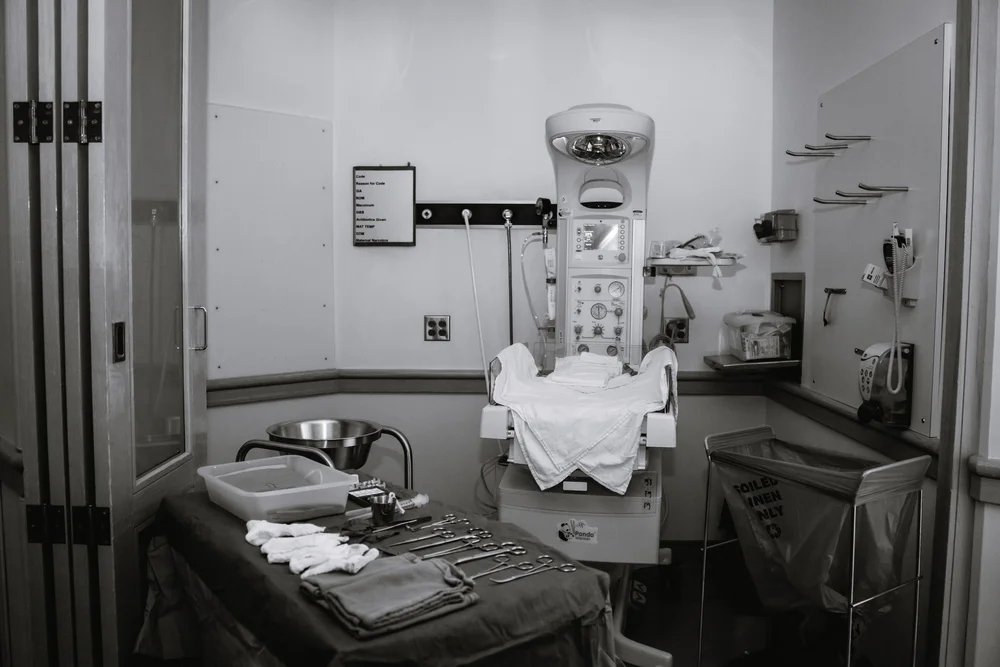
The source describes the labour and delivery rooms at Foothills as private, with layouts that vary. Reported room features include a hospital bed, a chair or small couch, fetal monitoring equipment, a baby warmer, and a private bathroom with a shower. Families remain in the room through labour and for the first few hours after birth, according to the guide.
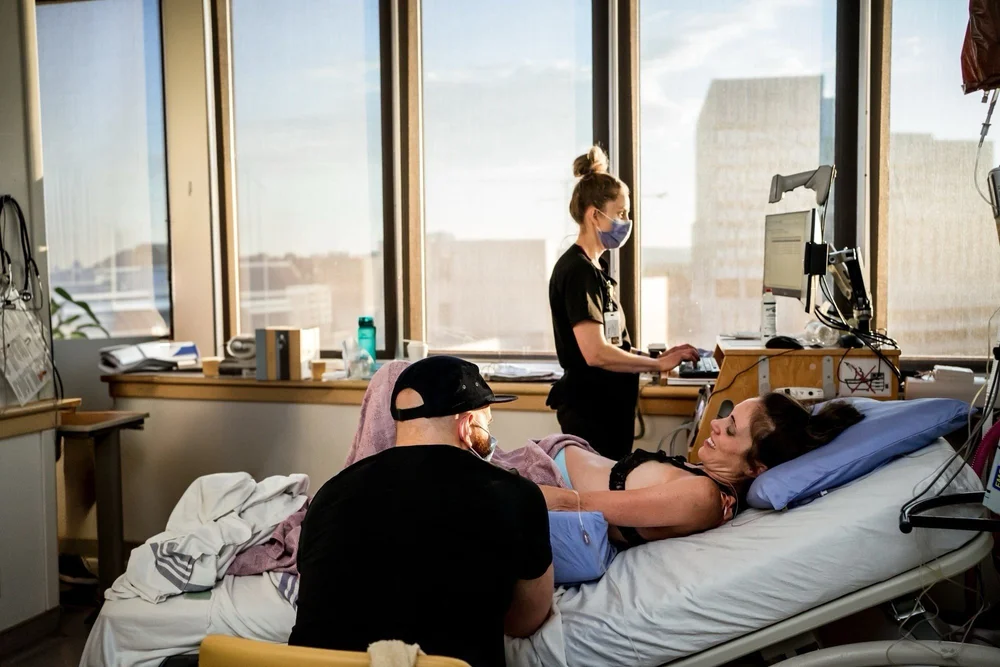
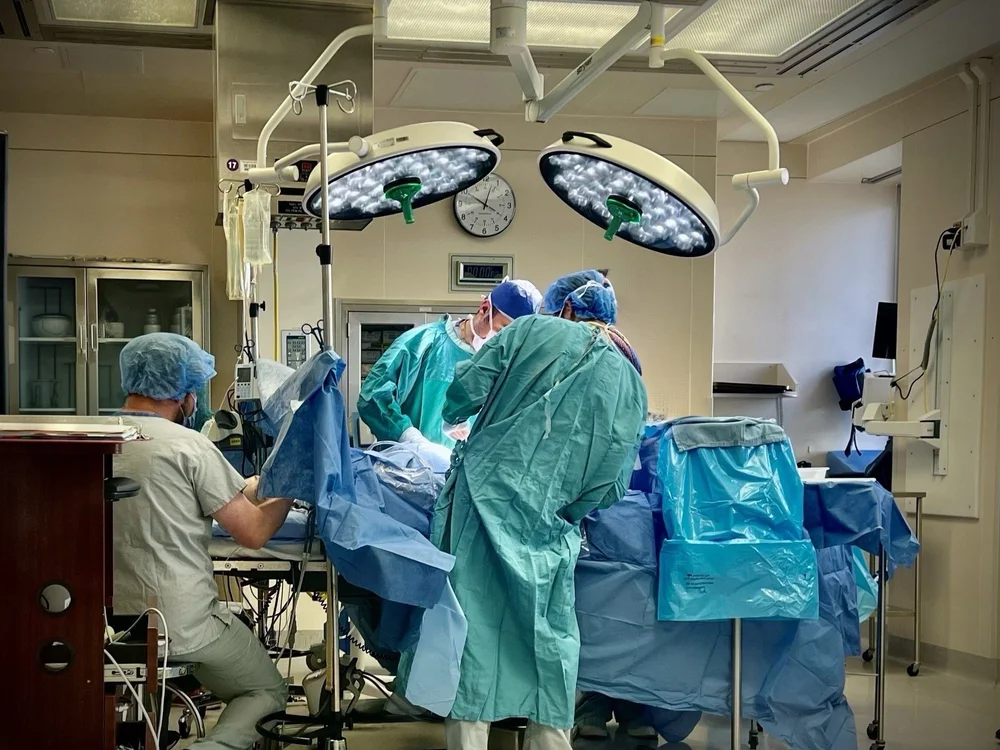
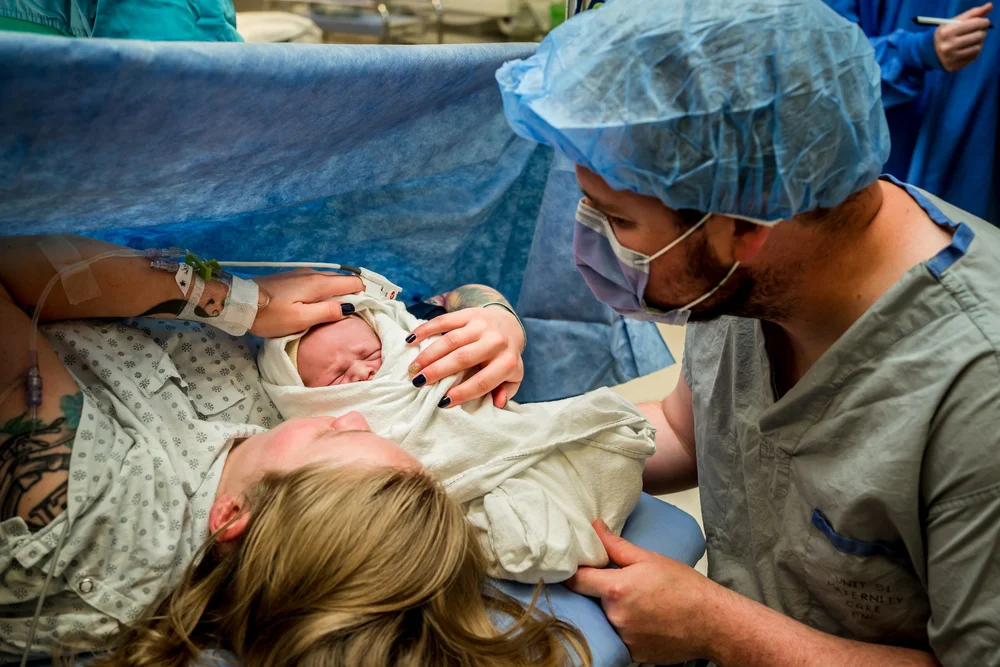
For caesarean births, the source says the unit has two operating rooms, one of which includes a viewing area for an additional support person if the care team allows it. After a caesarean, the parent and baby are moved to a post-operative area for early recovery, comfort checks, skin-to-skin support, and first feeding help. The guide also flags a practical detail for unplanned caesareans: support people may need to pack up belongings because the family may not return to the labour room.
Postpartum, NICU, Food, And Going Home
After birth, the source says patients are typically moved to Unit 52 a few hours later. Most postpartum rooms are described as semi-private, with two beds, one bathroom, curtains for privacy, and a chair rather than a bed for support people. If the baby is well, the guide says the baby stays with the parent, with a bassinet provided in the room.
Visitor logistics are specific in the source: Unit 52 is described as locked and accessed by intercom. Welcome Baby Co. Blog says three designated support people receive purple bands and may visit from 7:00 a.m. to 11:00 p.m. Partners may technically stay 24 hours, though the source notes there may be no sleeping space and that a partner could be asked to leave during rest times if there is a roommate. Sibling visiting hours are reported as 11:00 a.m. to 1:00 p.m. and 6:00 p.m. to 8:00 p.m.
The same fifth floor also houses the NICU, which the source describes as a level 3 NICU for newborns needing extra medical attention, including premature infants and babies born with medical conditions. For uncomplicated births, the guide reports a typical stay of about 24 hours after vaginal birth and about 48 hours after caesarean birth.
Food planning is worth handling before admission. The source says labour and postpartum units have small kitchenettes with ice, water, juice, tea, and light snacks for the birthing parent. Postpartum patients receive three hospital meals daily, while support people can purchase food from options including Timberline Cafe, Garden Deli Cafeteria, and Good Earth Coffee. Meal delivery is also mentioned, with the caveat that families may need to meet drivers at the drop-off area.
Key Takeaways
- Foothills labour and delivery, postpartum, and NICU units are reported to be on the fifth floor of the main building.
- The central parking structure is described as the closest parking option, and the source lists lot code 6010.
- Triage may involve one support person until admission, with admission generally tied to active labour when parent and baby are well.
- Two designated support people are typically allowed during birth, and doulas count within that number.
- Postpartum rooms are mostly semi-private, so packing lightly and planning support-person rest arrangements may help.
- Families should confirm visitor rules, parking rates, and clinical instructions directly before birth.
The most useful preparation is practical and flexible: know the entrance plan, decide who your steady support people will be, pack for both labour and postpartum, and clarify current policies with the team caring for you. That gives families a clearer path through a large hospital setting while leaving room for birth to unfold as it needs to.
Inspired by this post on Welcome Baby Co. Blog.