

Choosing between Bobbie and Kendamil is not just a brand preference. For many parents, the decision comes down to sourcing, ingredient philosophy, digestion, availability, and how much predictability they want in the formula supply.
Using hibobbie Blog as the source, here is a practical way to compare the two formulas without treating either one as universally better for every baby.
Start With The Decision, Not The Label
Both brands are positioned as premium infant formula options, and the source reports that both have organic formulas, avoid corn syrup, avoid palm oil or palm olein oil, and use lactose-based carbohydrates. That means the most useful comparison is not whether one is simply cleaner than the other. It is whether one better matches a family’s practical needs and a baby’s tolerance.

For some families, the biggest priority may be domestic manufacturing and subscription reliability. For others, it may be a UK-made formula tradition or specific additions such as prebiotics. A baby who feeds comfortably, grows as expected, and has no ongoing digestive distress is the real measure that matters.
Key Takeaways
- According to hibobbie Blog, Bobbie is made end-to-end in the United States, while Kendamil is produced in the UK and imported for U.S. buyers.
- Both brands offer whole milk-based options and use microalgae-sourced DHA, according to the source.
- Bobbie is described as offering a wider U.S. subscription setup, including reserved supply and a 10% auto-ship discount.
- Kendamil may appeal to parents who want UK-made formula and formulas with ingredients such as GOS, FOS, and naturally occurring HMOs in some products.
- Neither option is automatically easier to digest for every infant; persistent gas, spit-up, stooling issues, or distress should be discussed with a pediatrician.
Manufacturing And Availability May Be The Clearest Split
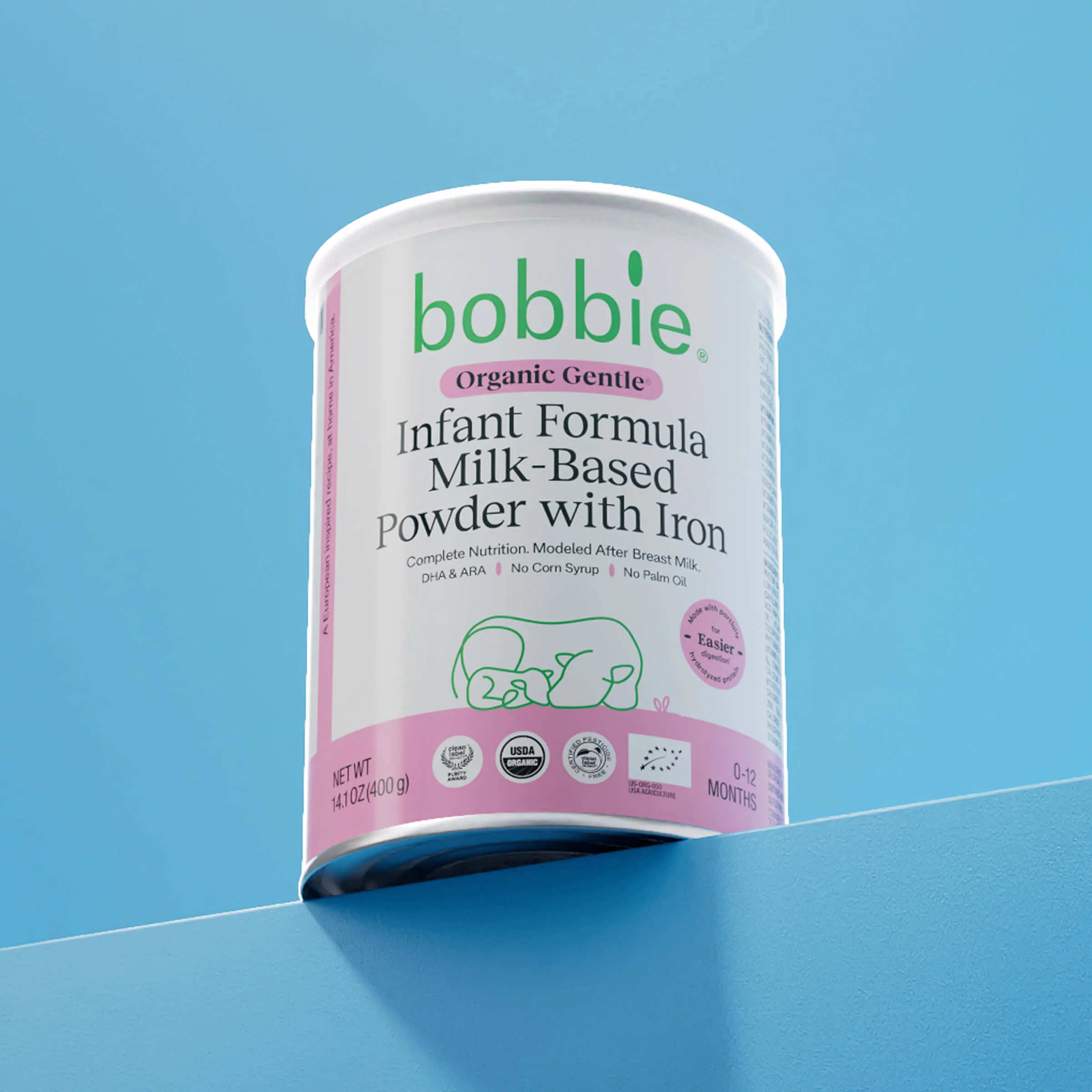
The source frames Bobbie’s manufacturing model as one of its central differences: Bobbie is described as a European-style infant formula manufactured end-to-end in the U.S. with globally sourced ingredients. hibobbie Blog also reports that Bobbie uses more than 2,000 quality and safety checks per batch.
Kendamil, by contrast, is described as a UK-produced formula imported to the U.S. That may be a plus for parents who value European formula heritage. It may be less convenient for families who want to reduce the risk of retail out-of-stocks or shipping uncertainty.
Convenience is another meaningful difference. The source says Bobbie offers direct purchase and subscription options, including free shipping, guaranteed stock, reserved formula supply through the baby’s first year, and a 10% discount on monthly auto-ship orders. Kendamil is described as available through retailers and online channels, but without a dedicated U.S. subscription service.

Ingredient Philosophy: Similar Foundations, Different Choices
On the core carbohydrate question, the brands appear similar in the source material. Bobbie uses lactose as the primary carbohydrate, and Kendamil is also described as lactose-based. Bobbie’s Gentle formula is specifically described as using 100% lactose while avoiding corn syrup, maltodextrin, and table sugar.
Whole milk is another overlap. hibobbie Blog says both Bobbie and Kendamil use whole milk in their formulas. Bobbie’s whole milk formulas are described as including organic whole milk from grass-fed cows, naturally occurring fats, and MFGM, or milk fat globule membrane. The source also says Bobbie pioneered the first USDA Organic whole milk infant formula manufactured in the U.S.

DHA sourcing is also similar. The source reports that both brands use DHA from microalgae and meet EU standards for DHA per 100 kcal serving of formula. For families avoiding fish-derived DHA, that may be a notable shared feature.
Where they differ is in optional complexity. Kendamil is described as including GOS and/or FOS in some formulas, plus naturally occurring HMOs. Bobbie, according to the source, does not include prebiotics in its current formula line and instead emphasizes simpler recipes, leaving supplementation as a separate choice for parents and clinicians.

Digestion Depends On The Baby
Formula marketing can make digestion sound predictable, but tolerance is individual. The source notes that some babies do well on Bobbie while others do better on Kendamil. Gas, spit-up, fussiness, and stool changes can come from the formula itself, feeding technique, normal infant development, or a medical issue such as an allergy or sensitivity.
One practical difference is protein structure. hibobbie Blog reports that Kendamil formulas contain intact milk proteins, while Bobbie offers an Organic Gentle formula made with partially hydrolyzed whey protein. Partially hydrolyzed means the protein has been broken down into smaller pieces, which may be easier for some sensitive babies to handle. That does not make it the right answer for every baby, but it is a relevant distinction for families managing fussiness or gas with pediatric guidance.

If symptoms are severe, persistent, or paired with poor feeding, stool concerns, or excessive crying, the next step should be medical advice rather than repeated formula switching. The source itself points parents toward pediatrician input before making changes.
Which Families Might Lean Toward Each Formula?
Bobbie may make the most sense for parents who place a high value on U.S. manufacturing, direct-to-consumer subscription planning, transparent batch quality controls, and a range of formulas for different feeding needs. The source lists Bobbie options including Organic Whole Milk Formula, Organic Original Formula, Organic Gentle Formula, and Grass-Fed Whole Milk Formula.

Kendamil may fit families who are specifically drawn to a UK-made formula, a European formulation tradition, whole milk-based recipes, and ingredient additions such as prebiotics in some products. The tradeoff, based on the source, is that U.S. families may need to manage availability through retail channels rather than a dedicated subscription.
Combo-feeding families may also weigh package size and waste. hibobbie Blog reports that Bobbie offers a smaller 400g can compared with Kendamil’s 800g can, which may matter when formula is used only occasionally and an opened container must be used within a limited window.
A Sensible Way To Choose
The strongest choice is the one that fits the baby first and the household second. Parents can compare ingredient priorities, decide how much supply predictability matters, and consider whether they need a gentle formula option. Then they should watch the baby’s feeding behavior, stool patterns, comfort, and growth with a pediatrician’s guidance.
Based on the source, Bobbie and Kendamil are both carefully positioned formulas with overlapping strengths and meaningful differences. The practical question is not which label wins, but which formula your baby tolerates and which feeding setup your family can sustain with confidence.
Inspired by this post on hibobbie Blog.