
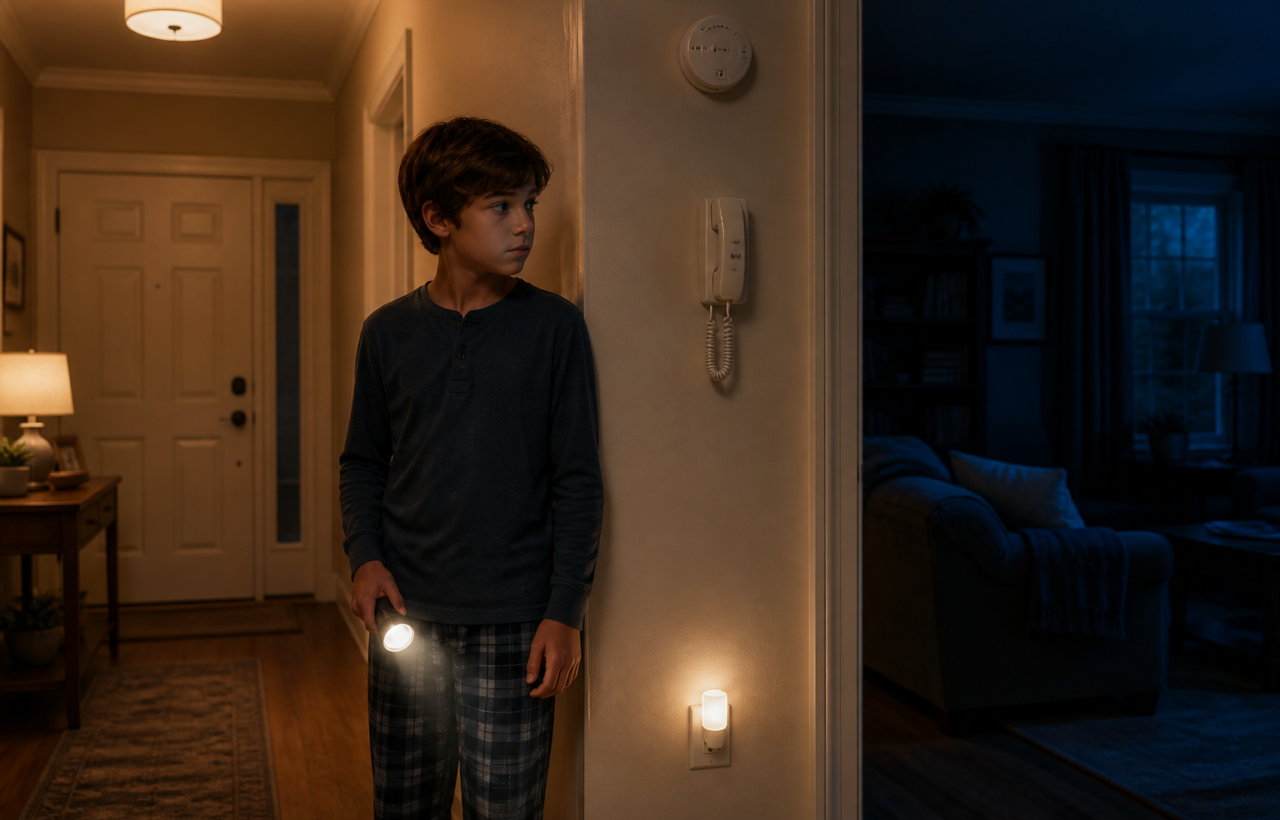
If you are wondering whether a sleeping child can stay home while you work a night shift, attend an event or spend the night elsewhere, start with the child you would actually be leaving. Being able to handle an afternoon alone does not automatically mean they can manage bedtime, a strange noise, a power failure or a frightened wake-up without an adult present.
For a baby or toddler, the answer is straightforward: do not leave them home alone overnight. For an older child, the decision requires more than reaching a particular birthday. You need to confirm the law, see demonstrated safety skills and prepare a backup that can respond in person.
Key takeaways
- A child from birth through 36 months needs an in-person caregiver. A monitor, nearby neighbour or short travel distance does not provide supervision.
- For an older child, legal permission and personal readiness are separate tests. You need a clear yes on both.
- Readiness should be demonstrated during smaller daytime and evening trials, not assumed from confidence or good behaviour.
- A workable overnight plan includes reliable communication, emergency instructions and a nearby adult who has agreed to respond and can enter the home.
- If the plan is safe only when nothing unexpected happens, the child is not ready for that plan.
Babies and toddlers need someone physically present
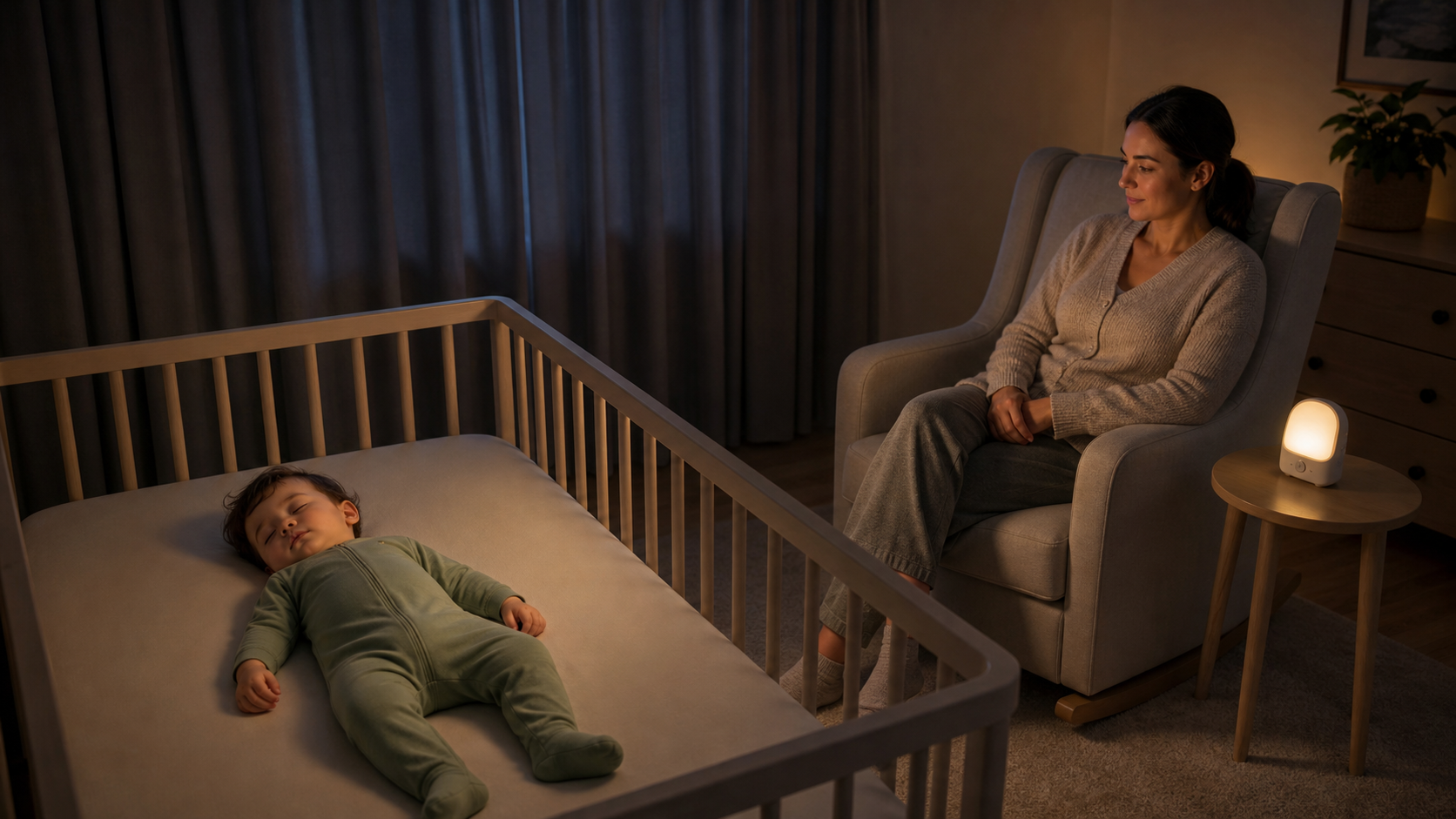
A sleeping baby is still dependent on a caregiver. A video or audio monitor may tell you that the child is crying, vomiting, climbing out of bed or in another kind of trouble, but it cannot pick them up, assess what is happening or evacuate them. Being able to see the child remotely is not the same as supervising them.
The same distinction applies when you will be nearby. A neighbour who has your key but remains in a different home is a backup contact, not the child’s overnight caregiver. If your baby or toddler will remain at home, arrange for a capable caregiver to stay in the home for the entire absence. Other safe options are taking the child with you, having the child sleep at the caregiver’s home when that arrangement is appropriate, or changing your plans.
An older sibling’s presence also changes the question. The younger child would not technically be alone; the older child would be acting as an overnight caregiver. That creates a higher level of responsibility than an older child staying by themselves. Check whether the arrangement is legal where you live, whether the older child can actually provide care and whether an adult can take over promptly. Do not make a child responsible for a baby or toddler overnight simply because they are comfortable spending time alone.
Legal permission and readiness are separate decisions
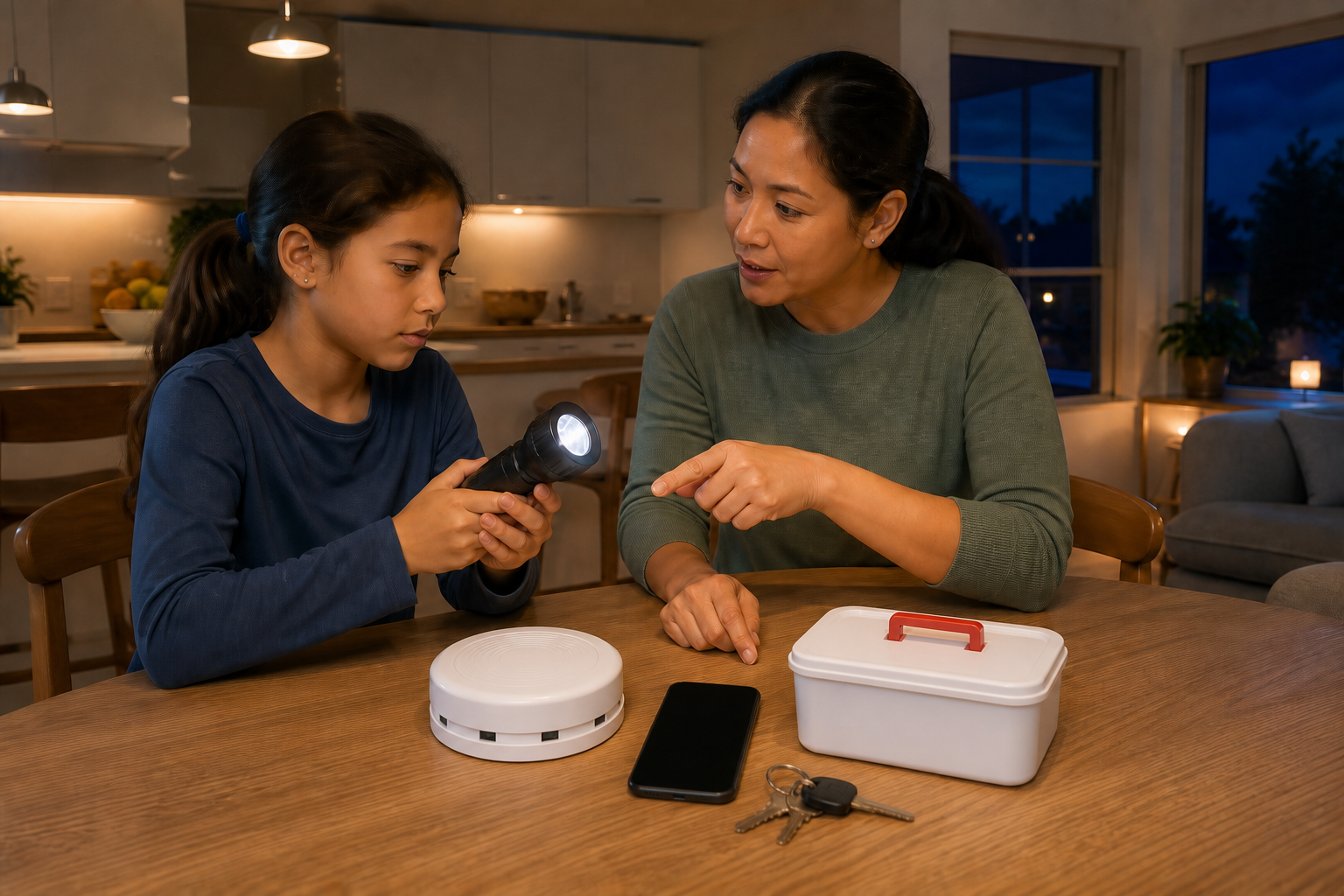
There is no single birthday that answers the question for every family. Age, maturity and the applicable law all matter. Rules and parental duties can differ by jurisdiction, so advice from another parent in a different province, state or country may not apply to you.
Before planning the night, look for current guidance from your provincial, state or local government or child-welfare authority. Check the rule that applies to an overnight absence, not merely a short period after school. If the official wording is unclear, ask the relevant authority or a qualified local legal professional. Do this before paying for plans that depend on leaving the child alone.
Then make three separate decisions:
<!– wp:list {