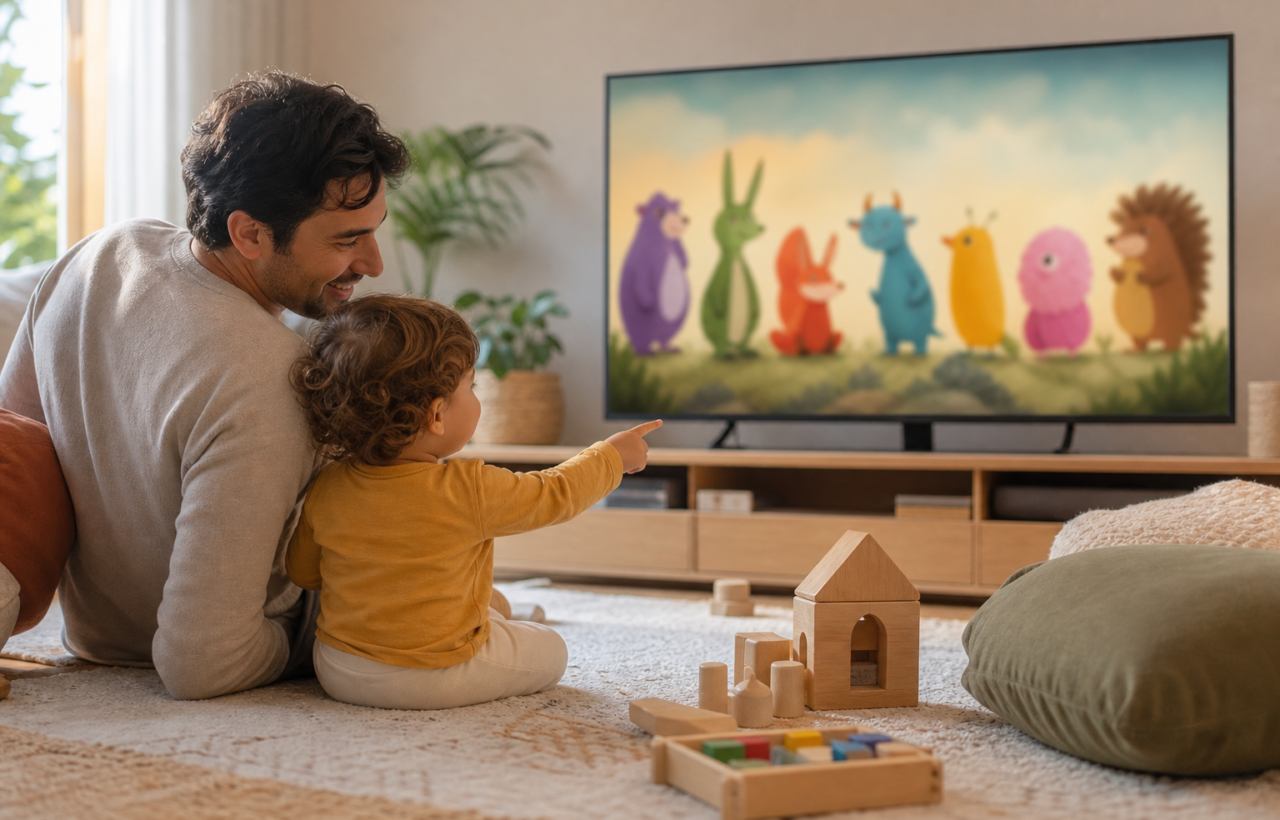
If your toddler points at the screen and calls everyone Mickey, you need a quick way to sort out the clubhouse crew. The easiest method is to learn each character’s job in the story, not just the name.
This parent-friendly character guide covers the familiar faces, the less obvious recurring characters, and simple questions you can use to turn an episode into a conversation with your child.
Meet the seven characters at the centre of the clubhouse
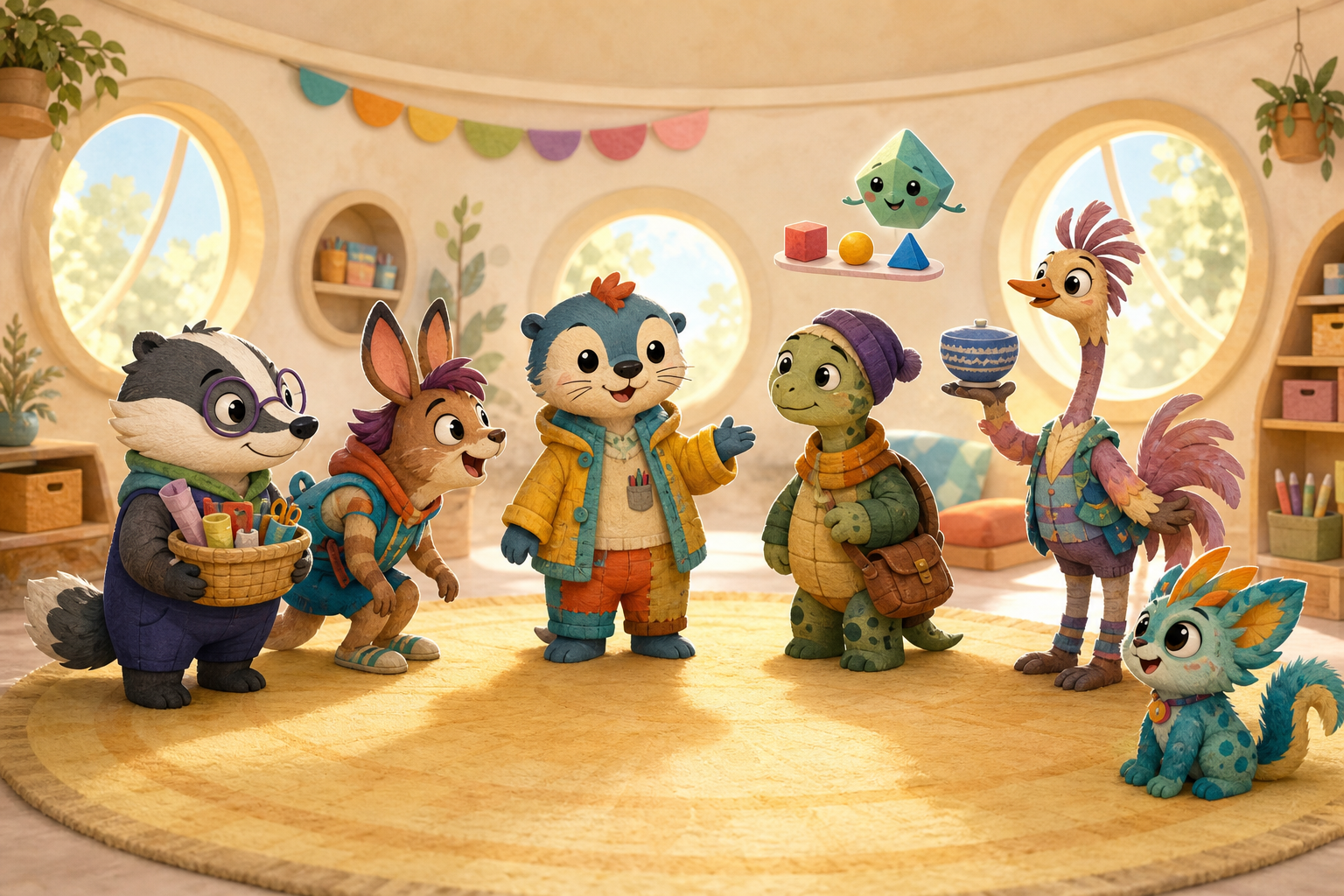
Mickey, Minnie, Donald, Daisy, Goofy, and Pluto form the familiar friend group. Toodles is different: he is the floating helper who supplies the tools that move many of their adventures forward.
| Character | Role in the clubhouse | A question to ask your child |
|---|---|---|
| Mickey Mouse | The kind, confident leader. Mickey guides the group through problems and uses Mouseketools to overcome obstacles. | What problem is Mickey trying to solve? |
| Minnie Mouse | A cheerful and resourceful problem-solver who enjoys music, fashion, creative projects, tea parties, and dance parties. She is Mickey’s girlfriend. | What did Minnie make or plan? |
| Toodles | A yellow floating disk shaped like Mickey’s head. Toodles brings the Mouseketools, including a Mystery Mouseketool. | Which Mouseketool should they try? |
| Goofy | Mickey’s lovable, clumsy friend. His unusual ideas bring comedy to the story, but he remains eager to help solve the problem. | Was Goofy’s idea silly, helpful, or both? |
| Donald Duck | A loyal friend whose impatience and competitiveness can create humorous trouble. He is Daisy’s boyfriend. | How does Donald feel when the plan goes wrong? |
| Daisy Duck | An enthusiastic, quick-thinking friend who likes fashion, dancing, events, and creative projects. She often works alongside Minnie. | What did Daisy notice or do to help? |
| Pluto | Mickey’s playful pet dog. Unlike the other central characters, Pluto does not talk or walk on two legs; he communicates through barks, facial expressions, and body language. | What is Pluto telling the others without words? |
Mickey usually organizes the action, but he does not solve everything alone. The show’s Mouseketool challenges involve ideas such as shapes, math, problem-solving, and critical thinking, while the different personalities give the friends a reason to cooperate.
Toodles is especially useful to recognize because his arrival marks a clear change in the story. When Mickey calls "Oh, Toodles!", you can pause and ask what kind of tool might fit the problem. Your child can point, gesture, or choose between two options; a spoken answer is not required.
Recurring characters your child may ask about
Not every episode uses the same supporting cast. These recurring characters may cause the trouble, provide information, need help, or join the main group for a particular adventure.
- Pete: A gruff and mischievous character who sometimes schemes or creates a problem. He is not simply a villain, though. Pete can also help the group, join an adventure, and learn about kindness or teamwork. He appears in changing roles, including shop owner, magician, and pirate.
- Clarabelle Cow: A cheerful, talkative friend recognized by her cowbell. Clarabelle often organizes events, runs businesses, or helps the group work through a problem. She is particularly close to Minnie and Daisy.
- Ludwig Von Drake: An eccentric professor, scientist, and inventor with an Austrian accent. He often provides explanations, information, or gadgets when the clubhouse crew needs expert help.
- Willie the Giant: A towering but kind-hearted character with a childlike personality. Willie can look intimidating at first, yet the obstacles he creates are often accidental rather than mean-spirited.
- Boo Boo Chicken: A small yellow chick with high-pitched chirps. Her stories frequently involve the group finding her when she is lost or helping her escape a difficult situation.
- Captain Goof-Beard: Goofy’s grandfather and the leader of a friendly pirate crew. Voiced by Dick Van Dyke, he supplies clues, guidance, and encouragement during treasure-hunting stories such as Mickey’s Pirate Adventure.
- Chip and Dale: Mischievous chipmunk best friends who often appear around acorns, trees, or forest adventures. Chip is the more responsible member of the pair, while Dale is more likely to get carried away. They sometimes compete with Donald but will also lend a hand.
A useful shortcut is to sort these characters by what they contribute. Ludwig brings knowledge. Captain Goof-Beard brings clues. Clarabelle organizes. Boo Boo Chicken may need to be found. Willie may create a problem without intending to. Pete can shift between troublemaker and helper, so watch what he does in the specific episode instead of assigning him one permanent label.
Use the characters as conversation prompts, not a memory test

You do not need to quiz your toddler on every name. Choose one idea that matches what your child can already do, then let the character make that idea visible.
- Start with recognition. Name the character and one visible or behavioural clue: "That’s Pluto. He is using his nose to look for something." On another viewing, pause before saying the name and give your child time to point or respond.
- Ask about the immediate problem. Keep the question concrete: "What are they looking for?" or "Who needs help?" If an open question is too difficult, offer two choices that are both visible on screen.
- Predict before Toodles arrives. Ask whether the group needs something for carrying, reaching, finding, or fixing. The prediction does not have to be correct; it gives your child a reason to watch what happens next.
- Notice how a character communicates. Donald may show frustration, while Pluto relies on movement, barking, and facial expressions. You can name what you see without expecting your child to repeat it.
- Finish with the helper. Ask, "Who helped?" A one-word answer, a point at the screen, or an imitation of the character all work. The aim is a shared conversation, not a recall score.
The character differences make these prompts easier to answer. Goofy’s approach may look silly but still contribute to the solution. Pete may begin as an obstacle and later cooperate. Pluto can provide information without speaking. Those contrasts give you something more specific to discuss than whether a character was simply "good" or "bad."
Quick answers to common character questions
Who gives Mickey the Mouseketools?
Toodles brings the Mouseketools after Mickey and his friends call for him. One of the available choices may be a Mystery Mouseketool whose purpose becomes clear later in the adventure.
Is Pete the villain?
Not in a simple, permanent sense. Pete is often mischievous, gruff, or scheming, but he can also be helpful and take part in the group’s adventures. If your child asks whether Pete is bad, focus on the behaviour in that episode: Did he create the problem, help fix it, or do both?
Why does Pluto not talk when Goofy does?
Within the clubhouse stories, Pluto is presented as Mickey’s pet dog and behaves like a dog, communicating through sounds and body language. Goofy is one of Mickey’s talking friends and takes part in solving problems with the rest of the group.
How can you tell Chip and Dale apart by personality?
Chip is generally the more intelligent and responsible one, often trying to keep the situation under control. Dale is more likely to get overexcited or carried away. Watching how each one reacts can be easier than relying on appearance alone.
Pick one thing to notice in the next episode
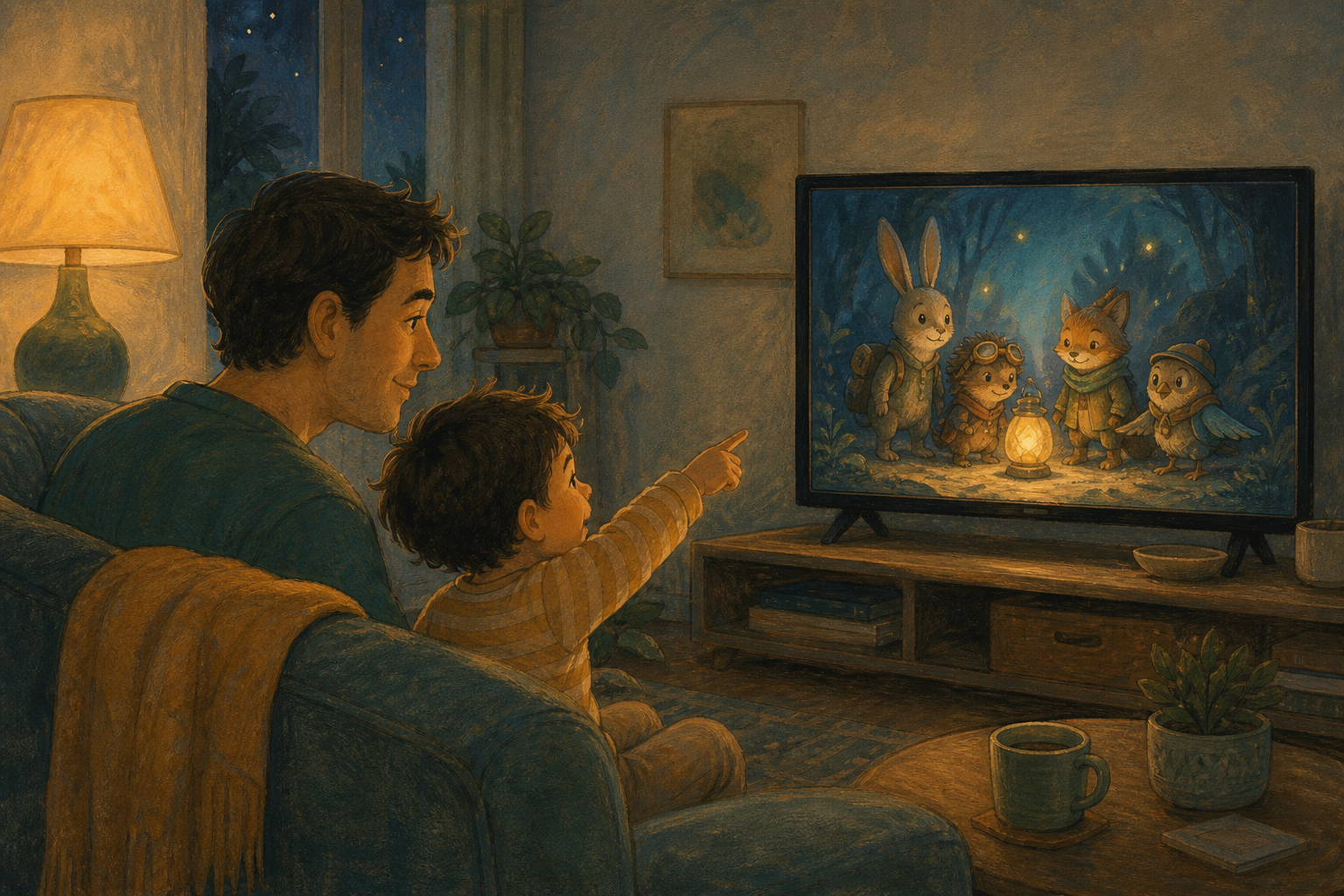
Before the next episode starts, choose one simple prompt: Who has the problem? Which tool could help? Who notices an important clue? When the story ends, return to that same question. One well-timed conversation will do more for shared viewing than trying to name every character at once.
References