You want to thank the people who handle your child’s drop-offs, diapers, bottles, meals, naps, tears, and small victories. Then a simple gift starts raising complicated questions: How much should you spend? Should every educator receive the same thing? Is a gift card too impersonal?
The answer is simpler than the shopping lists make it seem. Thoughtful daycare teacher gifts exist at almost every budget. Your job is not to find the most impressive option. It is to choose something easy to receive, include the right people, and add a specific note that explains why their care mattered.
Decide these three things before you shop
The budget problem usually appears when you buy for the lead teacher first and count the rest of the care team afterward. Reverse that order. Check the rules, identify the recipients, and set one total budget before choosing any gift.
- Ask about the centre’s gift policy. A short message to the director is enough: "We would like to give the educators a small thank-you. Are there any rules about gifts, cash, gift cards, food, or maximum values?" This prevents a well-intended present from putting an employee in an awkward position.
- Confirm who regularly cares for your child. Include the people who open or close the room, cover breaks, help during transitions, or provide consistent care even if their names are not on the classroom door. Ask for names and correct spellings instead of relying on memory.
- Choose a total your household can comfortably afford. There is no universal amount you are supposed to spend. Divide your total across the care team before deciding whether that means individual gift cards, small treats, handwritten cards, or one shared gesture.
A daycare gift is optional. It is not a fee, a tip required for good care, or a measure of how much you value an educator. If spending money would strain your household, write individual notes. A clear description of what the educator has done for your child carries more meaning than an uncomfortable purchase.
Choose a gift that does not create another task
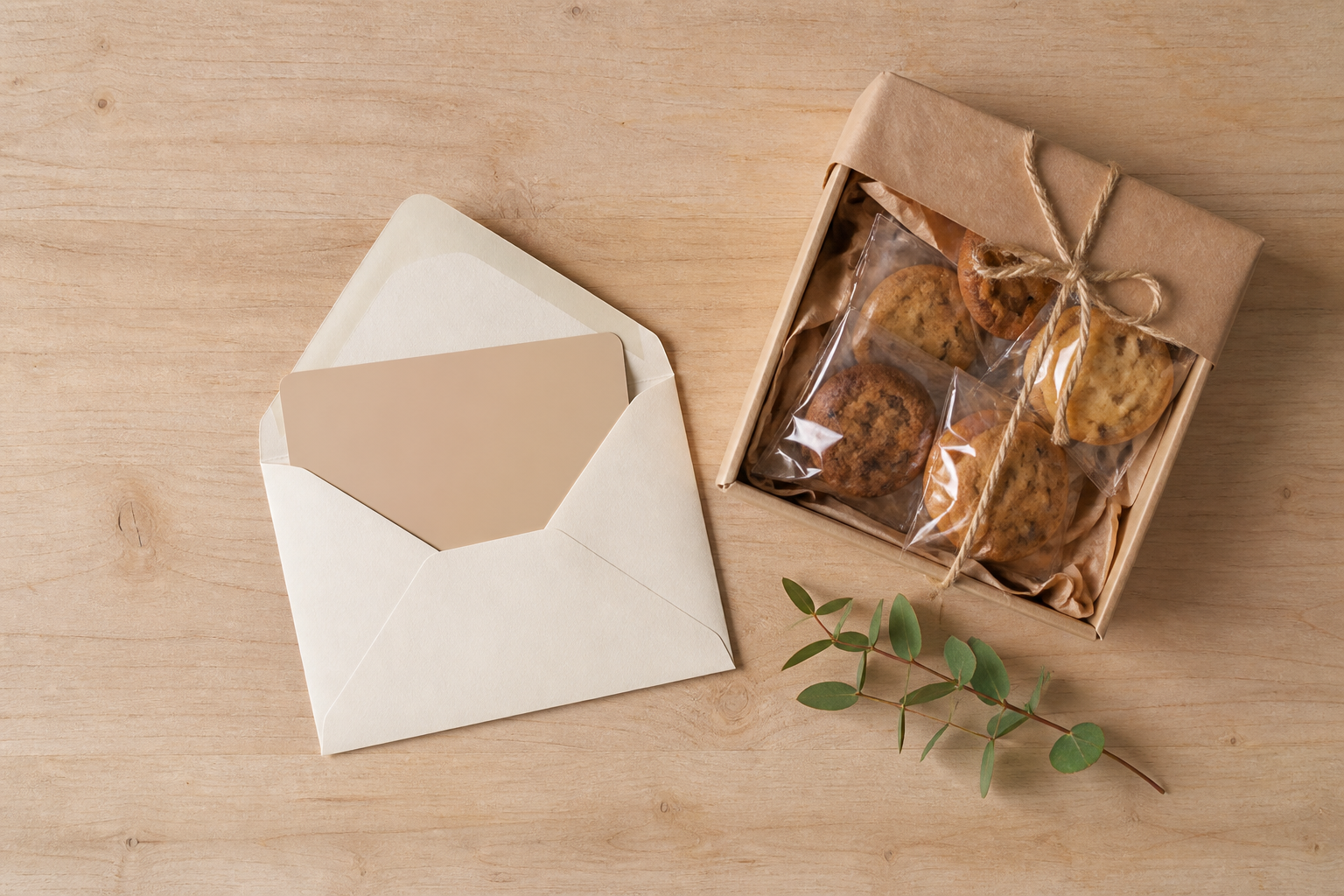
The safest gifts are flexible, compact, and easy to use. Be cautious with anything that depends on the recipient’s taste, diet, home decor, skin sensitivity, storage space, or willingness to display a keepsake.
| Gift option | When it works well | What to check first |
|---|---|---|
| Flexible gift card | You know the educator can easily use the retailer, cafe, grocery store, bookstore, or local business. | Confirm the centre permits gift cards. Verify that the card is activated and keep the receipt until it has been received. |
| Handwritten card | You want a personal option at any budget, including no-spend gifting. | Use the educator’s correct name and describe something specific rather than writing only a generic thank-you. |
| Consumable treat | You know the recipient’s preferences and the item can be taken home easily. | Check allergies, dietary needs, scent sensitivities, and centre rules. If you do not know, choose something else. |
| Small child-made card | You want your baby or toddler represented in the thank-you without creating a bulky keepsake. | Keep it flat and simple. A scribble, sticker, or small handprint can accompany the note you write. |
| Group gift | Several families want to contribute toward one flexible gift or coordinated set of gifts. | Make participation optional, protect contribution amounts, and agree in advance on who is included. |
| Classroom supplies | An educator has shared a wish list or requested a particular item. | Do not assume supplies are a personal gift. If the goal is to thank the teacher, add a separate card addressed to them. |
A gift card becomes personal when the card beside it is personal. Choose a place the recipient can reach without making a special trip. Write the value inside the card so they do not have to check it, but do not copy the full card number. If you are uncertain about the educator’s interests, a broadly useful retailer is a better choice than a hobby-specific shop.
Food can be generous, but it involves more guessing. A beautiful box of chocolates is not useful to someone who cannot eat it. Shared food may also be subject to centre-wide allergy rules even when it is intended for the staff room. Ask first or skip it.
Scented candles, perfume, bath products, jewellery, alcohol, novelty mugs, and decorative signs are harder to choose well. Give one only when you know the educator likes that exact kind of item. A present should not require them to store, display, exchange, or discreetly discard it.
Include the care team without turning the gift into a ranking

Your child may have one primary teacher, but their day can involve co-educators, assistants, floaters, and opening or closing staff. Think through an ordinary daycare day from arrival to pickup. Who greets your child, changes them, settles them for sleep, communicates with you, and steps in when the usual teacher is away?
You do not have to give identical gifts to every employee in the building. Focus on the people who provide regular, direct care to your child. Once you know who they are, choose one of these approaches:
- Equal gifts for regular caregivers. This is the cleanest option when several educators share responsibility and your budget allows it.
- A modest gift for each regular caregiver, plus a separate detailed card for the primary educator. This lets you acknowledge a particularly close relationship without making the monetary difference the centre of attention.
- Individual cards with one shared staff-room gift. Use this only after checking that a shared item is permitted and suitable for the whole team.
- Individual notes without purchased gifts. This is often the best answer when the team is large or your budget is limited.
If gifts differ, hand them over discreetly in labelled envelopes or bags. Avoid distributing one large gift in front of colleagues who are not receiving anything. The same principle applies to a group collection: no family should be pressured to participate, and no contribution amount should be shared with other parents.
Confirm the current staff list shortly before giving the gifts. Daycare schedules and room assignments can change, and an overlooked educator is difficult to fix after the exchange. If you learn about someone at the last minute, a sincere card is enough; you do not need to rebuild the entire plan.
Write the part the educator will remember

The card is where your thanks becomes personal. Skip broad praise such as "Thanks for everything" when you can name the care you actually noticed. A useful structure is: thank them for a specific action, describe what changed for your child, and explain what that meant for your family.
For an infant educator, you might write: "Thank you for learning Aria’s cues and telling us so carefully what helped her settle. Your updates made it easier for us to keep her routine consistent at home."
For a toddler educator, try: "Thank you for helping Sam through difficult drop-offs without rushing him. He now walks into the room talking about the morning song, and that change has made our mornings much calmer."
If the educator helped with a developing skill, you could write: "Thank you for giving Noor time to put on her own boots and celebrating the effort instead of taking over. She is so proud to practise at home now."
These details show the educator that their everyday work was seen. They also keep the note grounded in the professional relationship. Avoid jokes about replacing you as a parent, comments about the educator’s appearance, or language that expects an ongoing personal relationship outside the centre.
If your child is old enough to participate, ask a concrete question: "What does Alex help you do?" or "What do you like doing with Priya?" Write down the answer in your child’s own simple words. Do not force a polished message from a toddler. A scribble, sticker, or dictated sentence is enough.
Key takeaways
- Check the daycare’s rules before buying cash, gift cards, food, or higher-value items.
- Count every regular caregiver before setting the amount for each person.
- Choose a total that fits your household. A purchased gift is never required.
- Prioritize flexible, easy-to-use gifts over items that depend on personal taste.
- Check allergies and centre restrictions before giving anything edible or scented.
- Pair any gift with a short note naming something the educator did for your child.
- When the team is large, individual cards can provide recognition without stretching your budget.
Your next step is not to start browsing. Ask the centre about its policy and write down the names of the people who regularly care for your child. Once those two details are settled, the right gift is usually the simplest one your budget can support, accompanied by a note only your family could have written.
References