

You’re choosing a word your family may say at the front door, write on birthday cards, use during video calls, and repeat for years. A clever nickname can be fun, but the right one is mainly comfortable: the aunt or uncle likes hearing it, you like teaching it, and other caregivers can use it without an explanation.
You don’t need an enormous list or a family-wide vote. Use a short process: agree on the boundaries, build a few realistic candidates, and test them in ordinary sentences. Your child may eventually add an unexpected twist.
Start with the decisions that matter more than cuteness
Before suggesting names, ask the future aunt or uncle what feels natural to them. Some people love a warm title such as Auntie Maya. Others would rather use Maya, Aunt M, or another familiar form of their name. Not everyone is comfortable with Aunt or Uncle, so ask instead of assigning the role aloud and waiting for them to object.
The decision works best when the directly affected adults settle three things:
- Personal comfort: Which titles, name forms, and spellings does the aunt or uncle actually want? Give them room to veto anything that feels childish, awkward, or unlike them.
- Household boundaries: Is there any term you do not want your child taught? A private joke, appearance-based name, or nickname with an insulting meaning shouldn’t become permanent just because another relative finds it funny.
- Family clarity: Does the proposed name sound too much like another aunt, uncle, grandparent, caregiver, sibling, or pet? If it does, adjust it before everyone develops competing habits.
Settling on a nickname from the start gives adults one form to model in conversations, introductions, cards, and photo captions. That consistency is more useful than finding a name nobody else on the internet has used.
Build your shortlist from simple nickname patterns
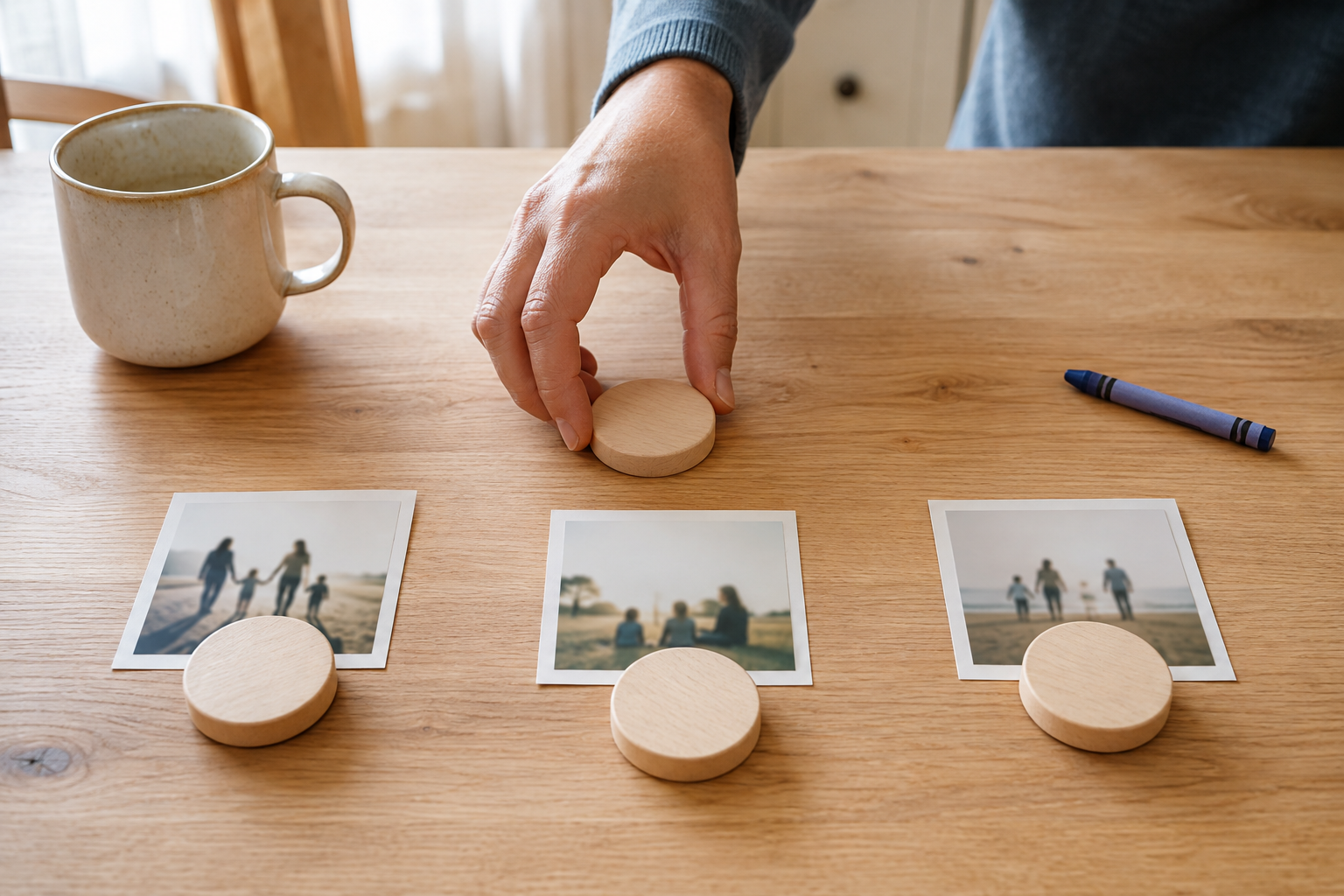
Start with the person’s real name and the kinship title your family normally uses. That produces choices connected to the person rather than random words that happen to sound cute. For example, a Maya might consider Aunt Maya, Auntie Maya, Aunty Maya, Auntie May, Aunt M, or simply Maya. A Daniel might consider Uncle Daniel, Uncle Dan, Uncle D, Unc Dan, or Daniel.
Use these patterns as prompts:
- Title plus full first name: Aunt Priya or Uncle Mateo. This is clear, respectful, and easy for relatives to understand immediately.
- Title plus an existing short name: Auntie Jo or Uncle Sam. Choose the short form the person already uses rather than inventing one for them.
- Title plus an initial: Aunt K or Uncle J. This can separate relatives who share a first name without introducing a surname into every conversation.
- The person’s name by itself: Priya or Mateo. This may be the least forced option when the relationship is already obvious within your household.
- A name-based invention: A repeated syllable or family-approved variation can work when it grows naturally from the person’s name. Test it carefully; a nickname that delights adults now may feel babyish to the person later.
- Your family’s established kinship word: If your family already uses a language or cultural tradition other than Aunt and Uncle, begin there. Don’t borrow a culturally specific term only because its sound is fashionable.
Aunt, Auntie, and Aunty can all sound natural in different families. Use the form and spelling the person prefers. There is no prize for making both sides of the family follow an identical naming system.
When you have a shortlist, remove any candidate that fails one of these questions:
- Would the person introduce themselves this way?
- Would you be comfortable calling it across a playground or writing it on a card?
- Does it distinguish them from people your child sees regularly?
- Does it still sound respectful when you imagine an older child or adult using it?
- Can grandparents, caregivers, and relatives say it without repeatedly asking what it means?
If only one candidate survives, the decision is probably made. If several survive, move from brainstorming to actual use.
Test the nickname in ordinary family sentences

A name can look perfect in a text message and feel clumsy in speech. Say each candidate at your normal pace, not slowly as if you were demonstrating it. Put it into the sentences you will genuinely use:
- “Auntie Maya is here.”
- “Wave to Uncle Dan.”
- “We’re going to Aunt M’s house.”
- “Can you give this to Uncle Mateo?”
- “Where’s Aunt Priya?”
- “Love, Auntie Jo.”
Listen for awkward possessives, repeated sounds, and confusion with another person’s name. Also notice whether you keep unconsciously switching to something else. If Aunt Alexandra always becomes Aunt Alex during normal conversation, the shorter version may be the honest choice.
Try the leading candidate during a regular call or visit. You are checking whether it fits the relationship, not staging an announcement. If it feels natural and the aunt or uncle remains comfortable, keep using it. If everyone hesitates before saying it, return to the simpler option.
Don’t send the shortlist to the entire extended family unless their input is genuinely necessary. More voters usually produce more personal preferences, not a better name. The aunt or uncle needs a meaningful say because it is their identity; you need a meaningful say because it is language you will teach in your household.
Plan for toddler edits and complicated family trees
When your child changes the pronunciation
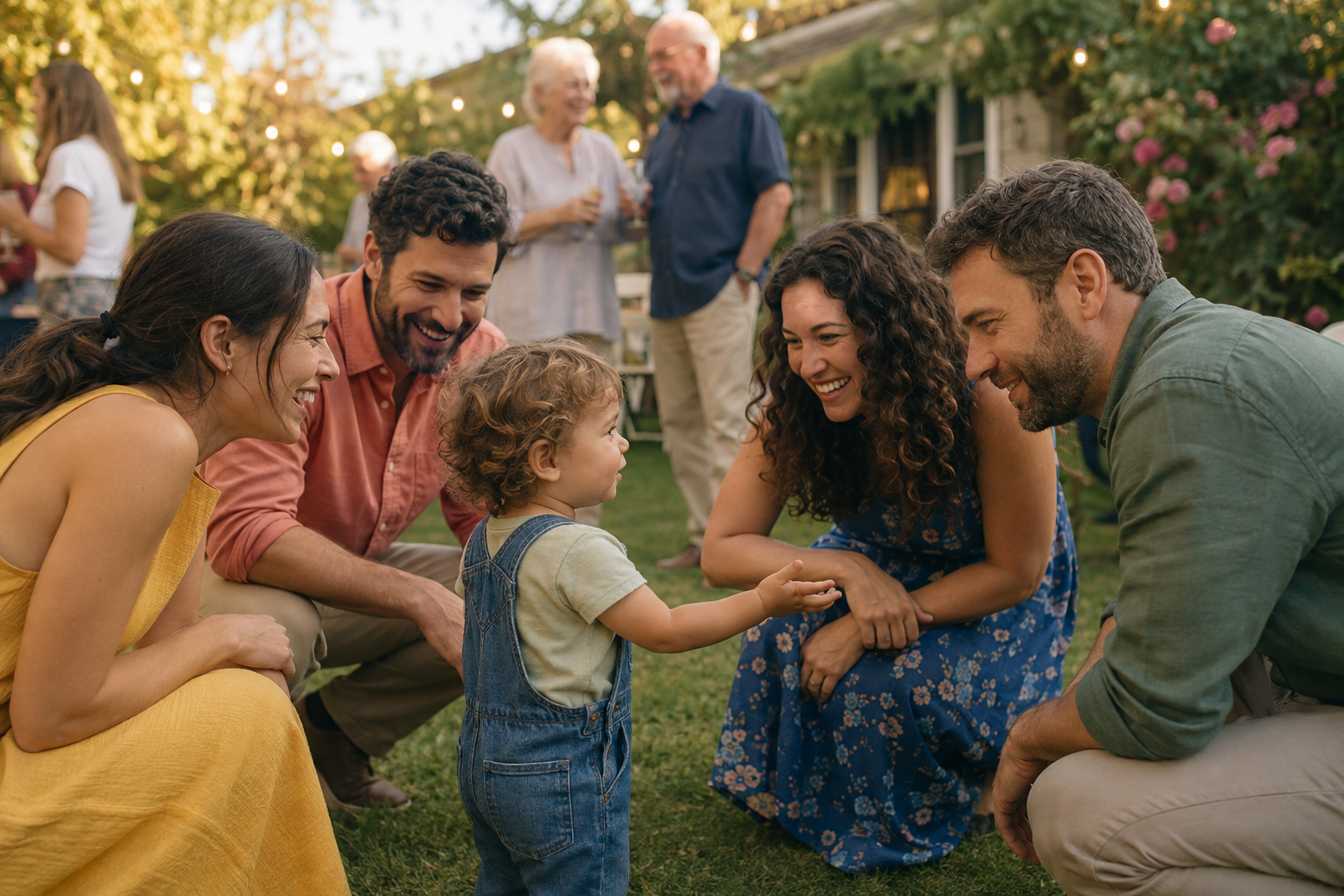
Your carefully selected nickname may not be the version your young child first produces. Treat an early approximation as part of learning, not as a naming emergency. If Auntie Nina becomes “Nee-Nee,” answer naturally while continuing to use Auntie Nina yourself.
Sometimes the child’s version becomes affectionate family shorthand. Before adopting it permanently, check with the person who will carry it. A sound that charms the parents may irritate the aunt or uncle. If they like it, you can let it grow with the relationship. If they don’t, adults should keep modelling the agreed name without turning every attempt into a correction drill.
When two relatives have the same name
Add the smallest distinction that solves the problem. Aunt Jessica and Auntie Jess may be enough. Aunt J and Aunt Jess may work better. A surname initial, familiar short form, or household-specific title can also help. Avoid ranking labels such as “big,” “little,” “old,” or “young” unless the people involved have chosen them; those distinctions can become uncomfortable long after they stop being accurate.
When chosen family, step-relatives, or partners join the picture
Let the relationship and the adults’ preferences lead. A close family friend may welcome an aunt or uncle title, while a biological relative may prefer their first name. A new partner may want time before taking on a family title. Asking, “What would you like the baby to call you?” is clearer and kinder than assuming closeness, distance, or gendered language on their behalf.
When an adult changes their preference
A nickname is not a contract. If someone no longer likes theirs, update the adults first so your child doesn’t hear several competing versions. Then give your child a plain explanation: “We call them Aunt Ren now.” Use the new name consistently and move on without presenting the change as a mistake the child made.
Key takeaways
- Let the aunt or uncle define what feels comfortable; let the parents define what language fits their household.
- Begin with the person’s real name, an established short form, an initial, or a kinship word already rooted in your family.
- Say each candidate in everyday sentences before teaching it to your child.
- Choose clarity over novelty when two relatives or household names sound alike.
- Expect your child to simplify the name, but ask the adult before turning that version into a permanent nickname.
- Change a nickname that becomes uncomfortable. Family affection doesn’t require preserving a label someone dislikes.
Choose a favourite and a backup, then use the favourite during the next call, visit, and card. If it keeps feeling natural in ordinary moments, you have your answer. The nickname doesn’t need to impress anyone outside the family; it needs to fit the relationship your child is beginning to know.
References




