

Your Aldi trip for Aug. 5-11 has two competing jobs: make hot-weather meals easier and cover the return of packed lunches and early mornings. The trouble is that a useful freezer backup can end up in the same cart as several middle-aisle purchases that never had a clear purpose.
Go in with two short plans: one for the food moments that are genuinely difficult this week, and one for household problems you already intended to solve. That lets you consider the 30 Aldi food finds for Aug. 5-11 and the 27 middle-aisle bargains without treating every highlighted item as an automatic saving.
Key takeaways for the Aug. 5-11 Aldi trip
- Use the food finds to fill a specific hot-evening, freezer-backup, lunchbox or early-morning gap. Do not buy first and invent the meal later.
- Treat dorm bedding, bathroom products and other middle-aisle finds as conditional purchases. If an item does not solve a problem already on your list, skip it.
- Keep grocery spending separate from household and impulse spending so an appealing find cannot quietly consume the money reserved for meals.
- Check cooking method, required extras, package information, dimensions and storage space before checkout. The deal only works if the item fits your real routine.
Plan the food finds around the difficult part of your day
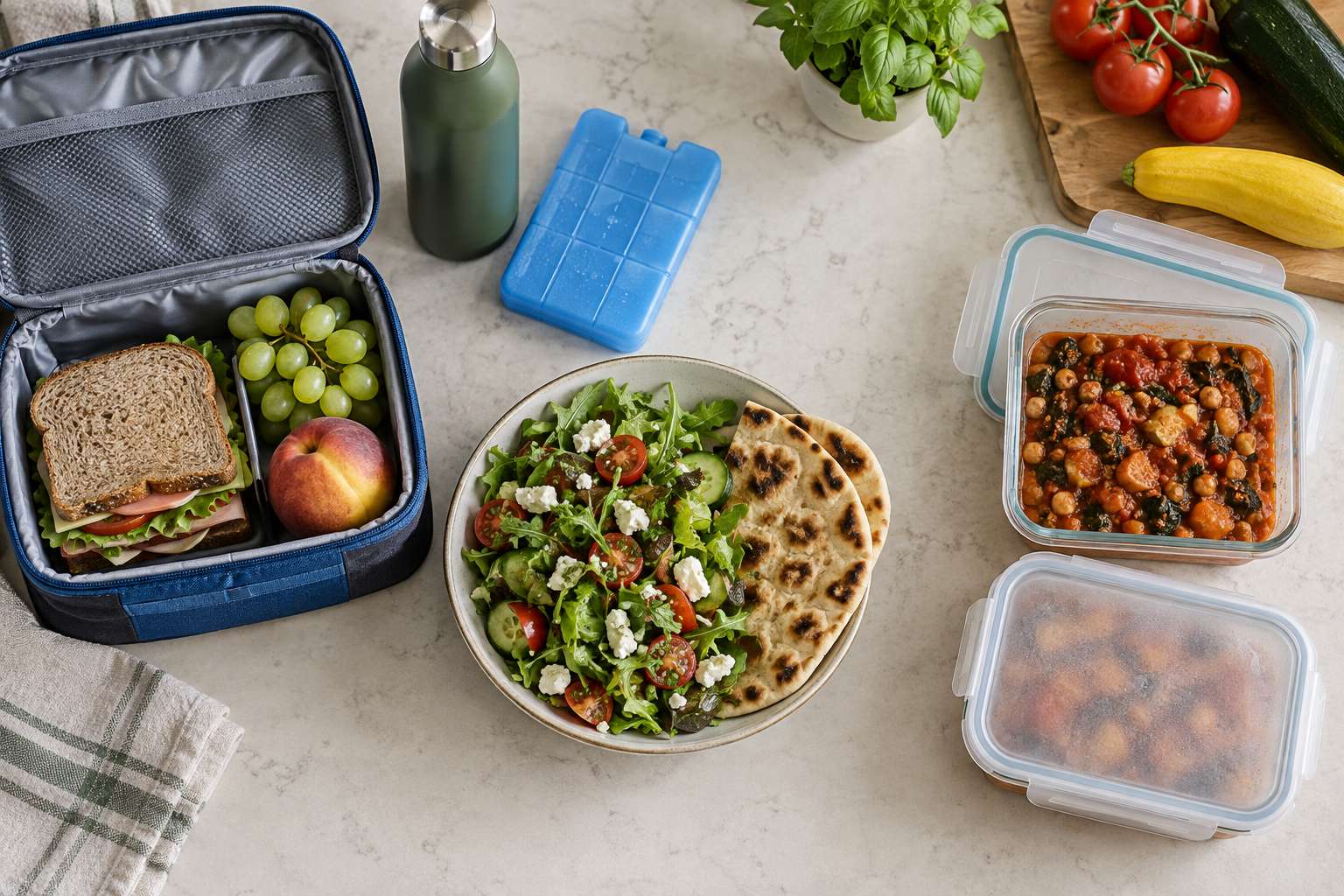
The food selection for Aug. 5-11 lands in an awkward part of the calendar. It is still hot enough to make a long cooking session unappealing, but school mornings, lunchboxes and earlier alarms are returning. Build your list around those moments rather than around product names.
- For the hottest evening: Look for a low-effort meal, but read the preparation instructions first. A freezer item that requires a long oven session does not solve the problem if your goal is to keep the kitchen cooler.
- For the rushed morning: Choose something you can realistically prepare, pack and clean up in the time you have. If it is going to childcare or school, make sure it fits that setting’s food and allergy rules.
- For the backup dinner: Check what else the item needs. A convenient main that requires several sides, sauces or fresh ingredients may cost more and create more work than the package suggests.
Before putting a freezer meal in the cart, name the evening when you expect to use it and confirm that there is room at home. This small test prevents the freezer from becoming storage for aspirational dinners while the family still orders food on the night the backup was meant to cover.
Food marketed to the whole family is not automatically suitable for a baby or young toddler. If you plan to share a find with a child under three, check the ingredient and allergen information, preparation method and texture. Serve it in a form that matches your child’s eating skills, and follow your clinician’s guidance when allergies or feeding concerns are involved. A lower price does not make an unsuitable food safer.
Give every middle-aisle purchase a written job

This week’s 27 middle-aisle bargains reach across needs such as dorm bedding and bathroom purchases. That breadth is exactly why you need a filter. A timely dorm item may be useful in a household preparing an older child for college, while having no relevance at all to another family. Relevance matters more than the discount.
Write the name of the household problem before you shop. For example, do not write “bathroom stuff.” Write the specific item that is worn out, missing or creating daily friction. If you cannot name the problem, the purchase is a possibility rather than a need.
- Replacement: What existing item will this replace? If nothing leaves the house, decide where the new item will live.
- Fit: What measurement, bedding size, capacity or compatibility detail must match? Save the measurement on your phone before leaving home.
- Timing: Will you use it during the coming school transition or remaining summer weeks, or are you buying for an undefined future?
- Budget: Which part of the household budget pays for it? “It was in the middle aisle” is not a budget category.
- Counterfactual: Would you still consider the item if it were sitting on an ordinary shelf without a weekly-deal label?
Use an extra safety screen for anything that will be used by or around a baby or toddler. Read the product’s warnings, age guidance and assembly instructions, and check for small parts or other features that do not suit your intended use. Leave it behind when the label and your child’s stage do not align.
Shop in two passes so groceries keep priority

Before the trip, divide your note into “must come home” and “buy only if it fits.” Regular groceries, feeding essentials and ingredients for planned meals belong in the first group. Weekly food finds and middle-aisle products belong in the second unless they directly replace something essential.
- Collect the groceries required for meals you have already planned.
- Evaluate the weekly food finds against the difficult moments you identified: hot evening, packed lunch, early morning or backup dinner.
- Check your running total before entering the middle aisle.
- Consider only the household items written on your conditional list.
- Before checkout, remove anything that has no planned use, no storage place or no clear budget category.
This order is especially useful when you are shopping with a baby or toddler. If the trip runs into a feed, nap or rapidly shortening attention span, you can end it after the essential pass. The optional part of the shop should not be the reason necessary groceries become rushed or forgotten.
Run a final value check before checkout

A weekly find can be affordable and still be poor value for your household. Use the same questions for food and middle-aisle purchases, but apply them differently.
| Question | Food find | Middle-aisle find |
|---|---|---|
| What job does it do? | Name the meal, lunchbox or difficult time of day it covers. | Name the room, task or item it replaces. |
| What must you verify? | Cooking method, ingredients, allergens, storage and required extras. | Dimensions, size, compatibility, parts, warnings and storage space. |
| What could raise the real cost? | Additional ingredients, unsuitable portions or food that goes unused. | Accessories, duplicate ownership or a purchase that creates clutter. |
| When should you leave it? | You cannot name when the family will eat it. | You cannot name the problem it solves or where it will live. |
Add up the conditional purchases separately before you pay. If their total would force you to reduce planned groceries or another family essential, they are not savings for this trip. Put them back and keep the list; a genuine household need will still be clear after the excitement of the aisle has passed.
Before your Aug. 5-11 visit, write down the meal, morning and household problem you want the trip to solve, then set a ceiling for optional finds. Shop in that order. If a product cannot earn a place on one of those lines, let it stay on the shelf.
References
- Wealthy Single Mommy – 27 Aldi middle aisle bargains for Aug. 5-11
- Wealthy Single Mommy – 30 Aldi food finds for Aug. 5-11




