

You open the diaper and find a red patch that was not there a few hours ago. The useful question is not whether you somehow failed. It is which part of the change routine allowed moisture, rubbing, or an irritant to stay against your baby’s skin.
Diaper rash is extremely common in babies, and even a careful routine cannot prevent every episode. What you can do is make the skin’s exposure to wetness and friction shorter, gentler, and more predictable. That starts with how you change the diaper, not with buying the most expensive package.
Build a diaper-change routine around dry skin
Moisture softens the skin and makes it more vulnerable to rubbing. A snug diaper, vigorous wiping, or repeated attempts to remove every trace of barrier cream can then add friction. Prevention works best when each change addresses both problems.
During the day, use a two- to three-hour diaper check as your backstop, not as permission to wait. Change a diaper promptly whenever you notice that it is wet or soiled. If your baby is especially prone to rashes, check at least every two hours. A wetness indicator can be useful when fullness is difficult to judge from the outside.
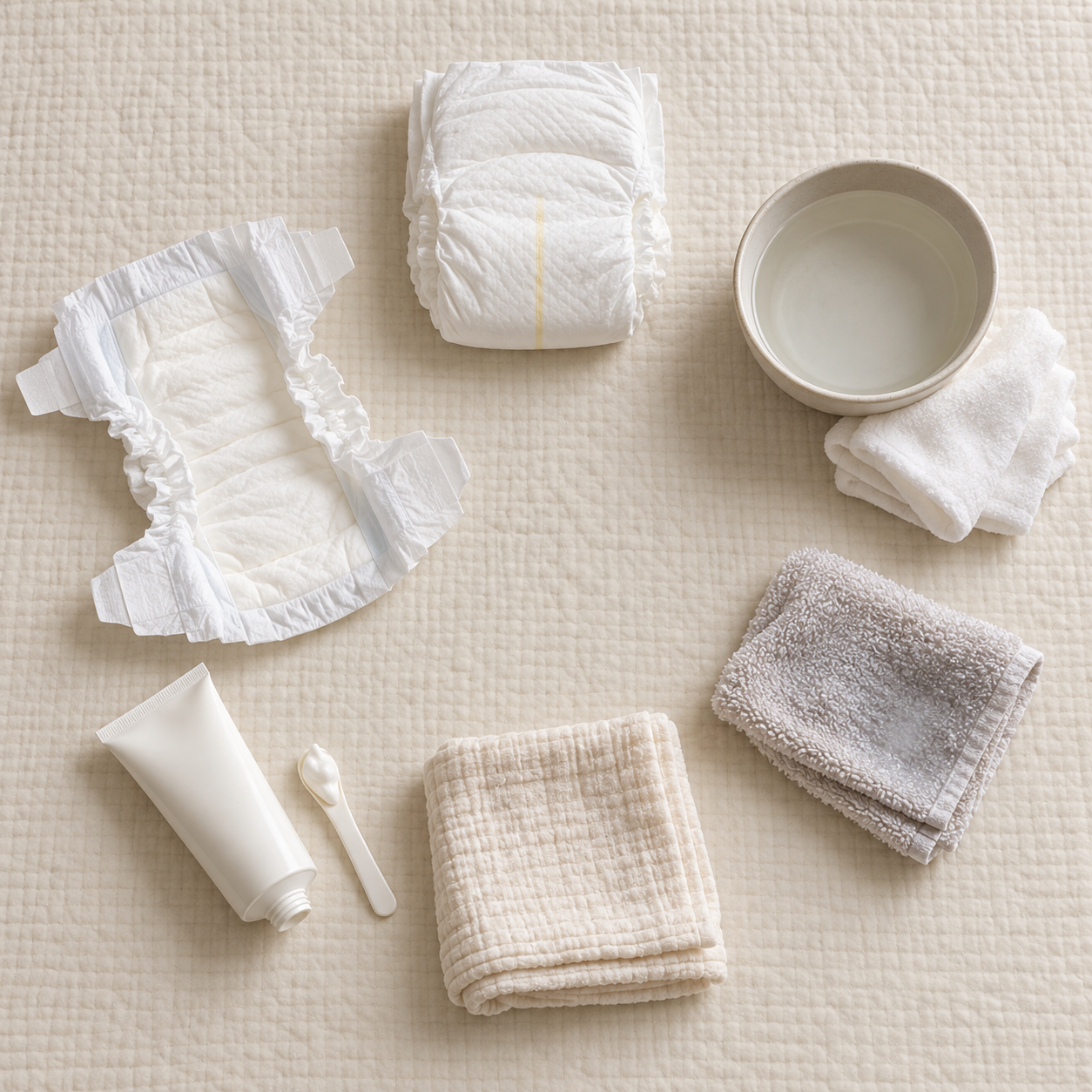
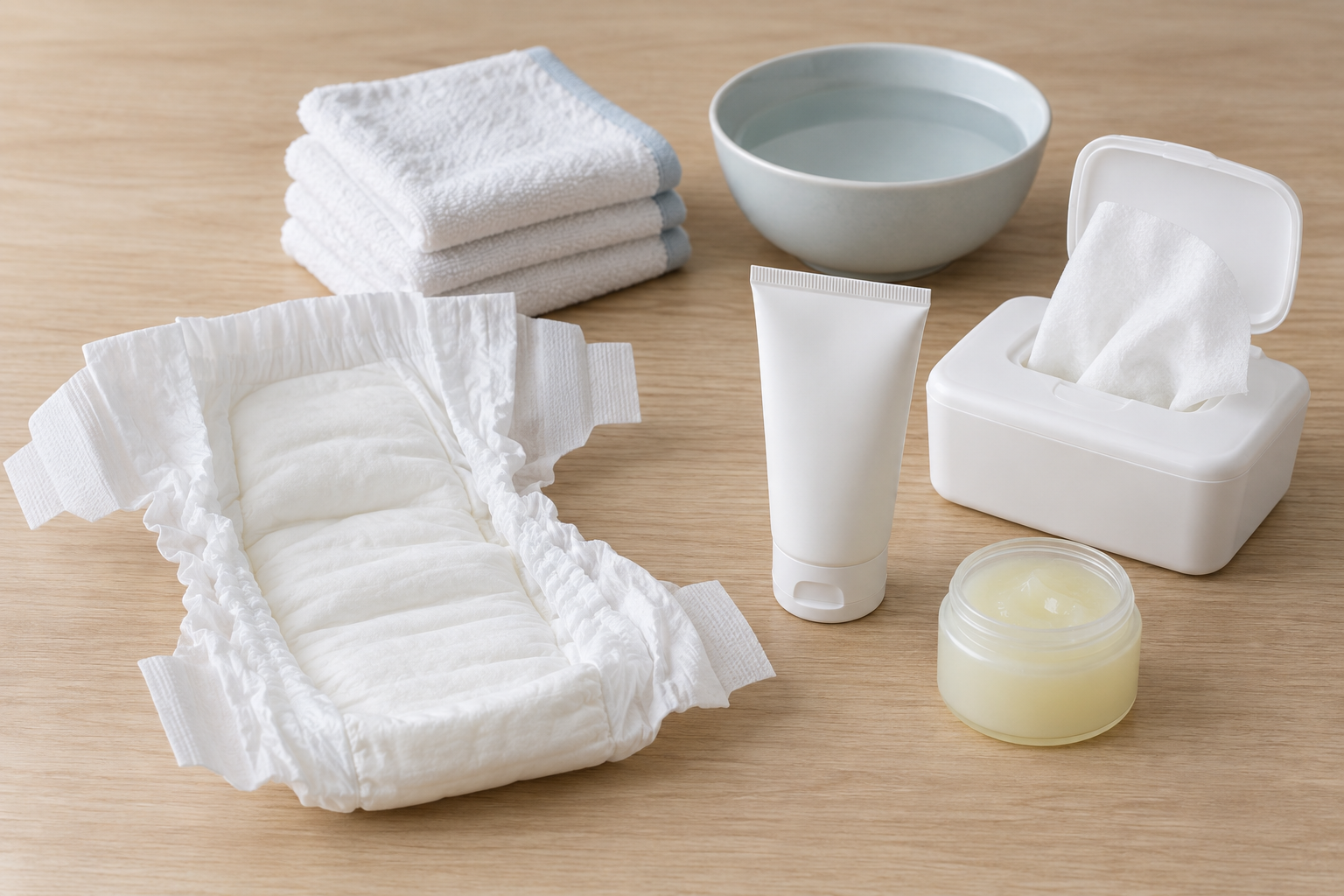
- Prepare before you begin. Put the clean diaper, cleaning supplies, barrier ointment, and a place for the used diaper within reach. A repeatable setup makes it easier to finish the change without rushing.
- Wash your hands. Clean them before and after every change.
- Clean gently. Use warm water or wipes without alcohol or fragrance. Check the folds rather than wiping only the most visible skin, especially after a bowel movement.
- Pat instead of rubbing. Use a soft cloth and light pressure. If the skin is still damp, allow a brief period of supervised diaper-free time before putting on the next diaper.
- Add a substantial barrier. Apply a thick layer of zinc oxide cream or petroleum jelly so moisture meets the barrier rather than bare skin. If the existing layer is still clean, add more over it instead of scrubbing the skin to remove it.
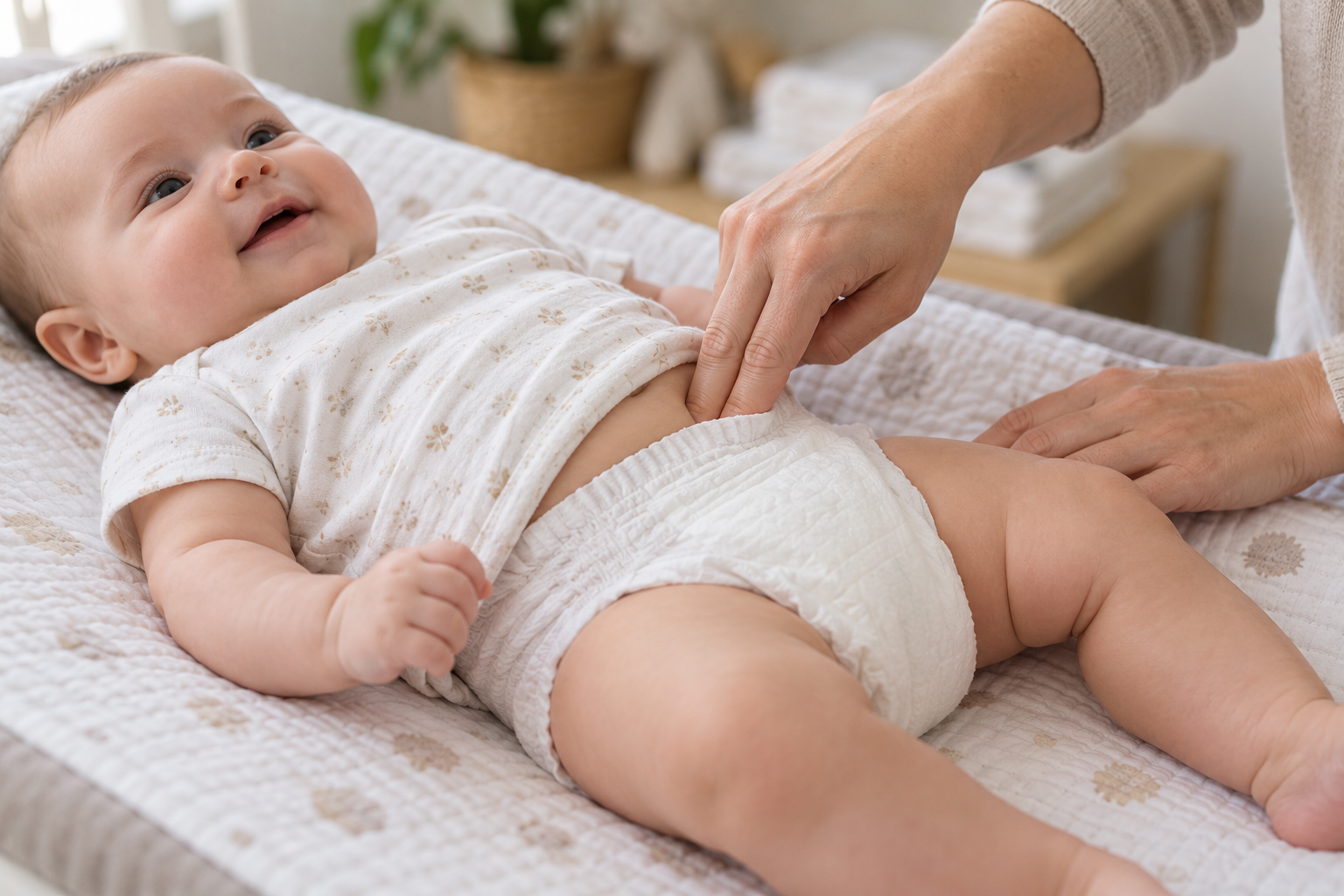
- Fasten securely, not tightly. The diaper should contain a mess without pressing elastic firmly into the waist or legs.
Keep the same sequence for routine changes, overnight changes, and changes away from home. Consistency matters because a gentle product cannot compensate for a diaper that stays wet too long, and frequent changes cannot fully compensate for repeated rubbing.
Check the fit before blaming the diaper brand
A diaper can be absorbent and fragrance-free but still irritate if its shape creates pressure or rubbing. Too tight, and it reduces airflow while increasing friction. Too loose, and leaks keep moisture on clothing and skin.
Use the two-finger fit check: you should be able to slide two fingers beneath the waistband and leg cuffs. Persistent red marks at those points are a practical reason to try the next size or a differently shaped diaper. Do not tighten an already snug diaper simply to prevent an overnight leak; reassess the size, placement, and absorbency instead.
Fit can change before you reach the weight limit printed on the package. Watch the baby, not just the size chart. A waistband that has become difficult to fasten, cuffs that press into the thighs, recurring leaks, or fresh redness along the elastic lines all tell you more than the number on the box.
When you try a different size or shape, change one variable at a time where practical. If you replace the diaper, wipes, and cream together, you will not know which change helped or which new product caused irritation.
Choose diapers and wipes by function, not marketing language
The best diaper for rash prevention is the one that keeps your baby’s skin dry, fits without rubbing, and does not introduce an ingredient that irritates that particular baby. Price, plant-based claims, and package design do not answer those three questions on their own.
Prioritize dryness and airflow
- An absorbent core: It should draw moisture away from the skin and hold it there rather than feeling persistently wet at the liner.
- A breathable outer layer: Air movement helps limit the heat and humidity trapped around the diaper area.
- A reliable fit: The waistband and cuffs should stay in place without digging into the skin.
- A wetness indicator, if useful to you: It will not prevent a rash by itself, but it can remove guesswork about when to check.
If the diaper is saturated much sooner than expected or frequently leaks despite correct placement, try a more absorbent option or reassess the size. If absorbency is good but the elastic leaves red areas, focus on fit rather than switching among products with similar shapes.
Reduce potential irritants for sensitive skin
For a baby with reactive skin, start with fragrance-free and dye-free options. Choose fragrance-free, alcohol-free wipes as well, or use warm water and a soft cloth. A hypoallergenic label can help narrow the shelf, but it is not a guarantee that every baby’s skin will tolerate the product.
A soft liner, including a plant-based one, may reduce rubbing. It still needs to absorb well and fit properly. Treat material claims as one part of the decision rather than assuming that natural-sounding language makes a diaper rash-proof.
Barrier ointment has a different job from the diaper. Zinc oxide or petroleum jelly creates a physical layer between the skin and moisture. Apply it generously instead of rubbing in a barely visible amount. Keep your cleaning gentle when you remove stool, but do not scrape away clean ointment solely to start with bare skin.
Know when the problem needs a pediatrician
A basic irritation should not become an open-ended home experiment. Contact your baby’s pediatrician if the rash is getting worse or has not improved after a few days of consistent gentle cleaning, frequent changes, airflow, and barrier protection.
Call sooner if you see pimples, peeling, blisters, crusting, or oozing sores; if the area seems especially painful; or if your baby has a fever. Those signs need professional assessment rather than another round of product switching.
A bright pink or bright red rash with red spots around its edges can point to a yeast infection, particularly when a baby is taking antibiotics. That may require antifungal treatment selected for your baby’s situation, so contact the pediatrician rather than trying to diagnose or treat it through diaper changes alone.
You also do not have to wait for every warning sign if the appearance, pain, or your baby’s behaviour concerns you. Prevention advice is useful for routine irritation; it is not a substitute for a clinician examining a persistent, unusual, or severe rash.
Key takeaways
- Use two to three hours as the daytime check interval, change wet or soiled diapers promptly, and check rash-prone babies at least every two hours.
- Clean with warm water or fragrance-free, alcohol-free wipes, then pat dry instead of rubbing.
- Apply a thick zinc oxide or petroleum jelly barrier. Leave clean ointment in place and add more over it.
- Confirm that two fingers fit beneath the waistband and leg cuffs. Red pressure marks are a reason to reassess the size or shape.
- Choose for absorbency, airflow, fit, and low irritation potential before paying for extra product claims.
- Call the pediatrician for worsening or persistent redness, significant pain, fever, blisters, peeling, oozing, crusting, pimples, or a vivid rash with red spots at the edges.
For the next change, focus on just three things: remove moisture promptly, touch the skin gently, and leave a real barrier behind. If redness keeps returning despite that routine, stop cycling through products and bring the pattern to your baby’s pediatrician.

References




