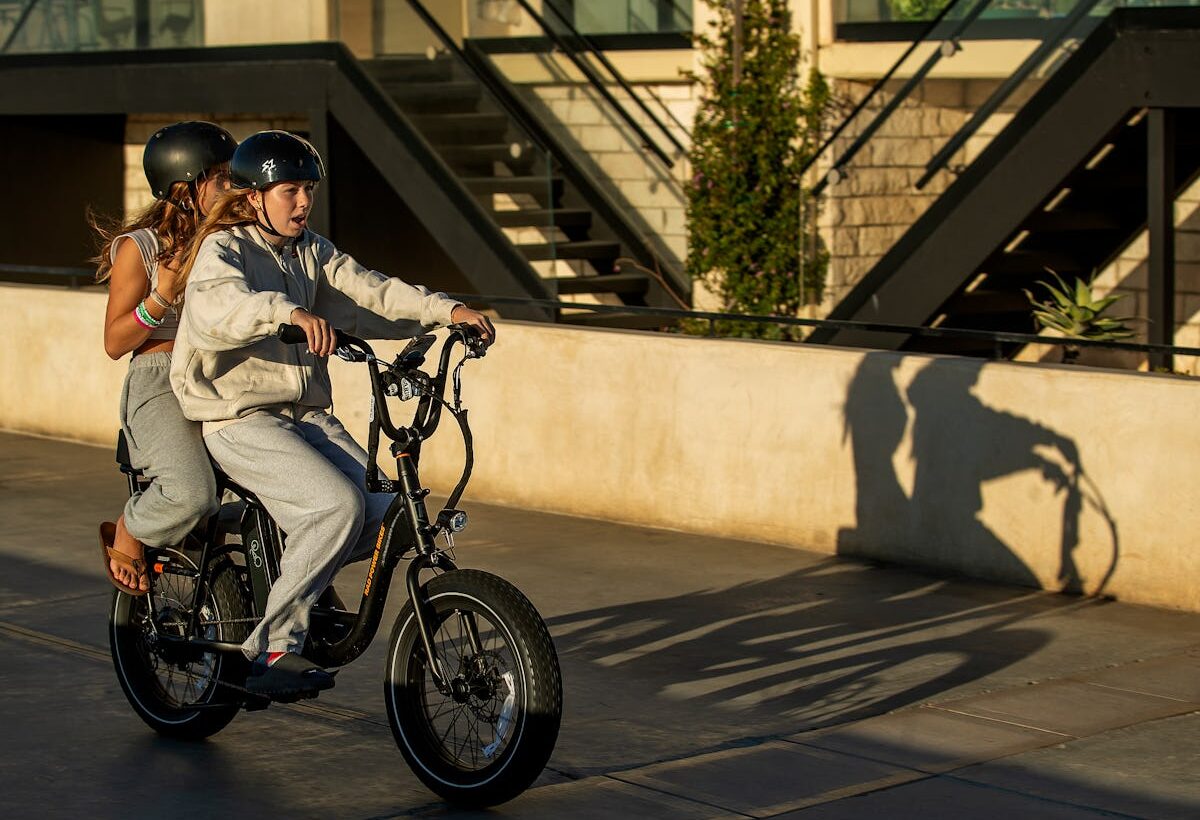
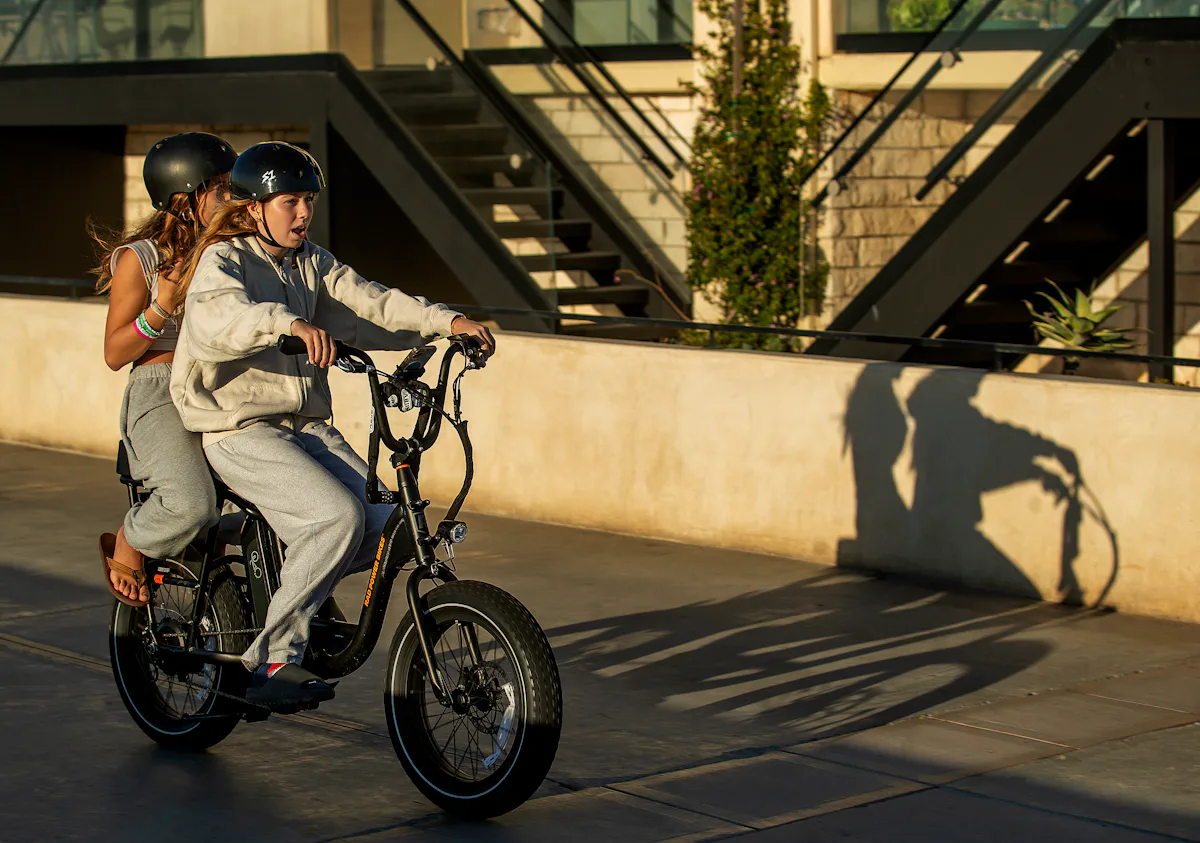
I feel like I’m seeing more heartbreaking e-bike headlines everywhere lately: a 15-year-old dies after an e-bike collides with a motorcycle, the death of a 14-year-old in an e-bike crash sparks safety concerns, and a 12-year-old is flown to a trauma center after major injuries suffered in an e-bike crash.
It is easy to understand why parents are paying attention. In recent years, injuries from e-bike and e-scooter accidents have soared nationwide. According to health system data gathered by Truveta, e-bike and e-scooter injury-related emergency room visits rose by 671% among children and adolescents between 2023 and May 2026. Pediatric trauma centers across the country have also reported that e-bikes are now the leading cause of injury in the school-aged children they treat, according to the American College of Surgeons.
Now, New Jersey is responding with what are being described as the strictest e-bike regulations in the country. Effective July 19, New Jersey residents must be at least 15 years old and have either an e-bike license or a valid driver’s license to operate an e-bike. Motorized bicycles, which can reach speeds of up to 28 miles per hour, must also be registered and insured, much like a car. Low-speed electric bicycles, which top out at 20 miles per hour, do not need insurance but still must be registered. Riders of all ages are also required to wear a helmet.
What stands out to me is that getting an e-bike license will look a lot like getting a license to drive a car. Teens will need to study a manual on safety and road rules, pass vision and knowledge tests, and then complete a supervised road test. Then-New Jersey Gov. Phil Murphy signed the regulations into law back in January, and residents have until the end of the year to register their e-bikes and meet the new requirements.
New Jersey is not the only state trying to figure out how to make e-bike use safer. In Oregon, Class 1 e-bike riders must be at least 14, while e-bikes with throttles are limited to riders 16 and older. Oregon lowered the age to 14 earlier this year after it had previously been set at 16, even as the Oregon Health Authority reported that e-bike injuries continue to rise across the state. New Hampshire and New York have also introduced bills similar to New Jersey’s, which would regulate e-bikes more like motor vehicles in the name of safety.
These new rules line up with what child health and product safety experts have been urging. The American Academy of Pediatrics recommends that no one under 16 operate an e-bike or e-scooter. The organization says teens at that age are more likely to have the physical control and maturity needed to understand road rules, which matters because motor vehicle crashes and loss of bike control are the top two causes of pediatric e-bike fatalities. The Consumer Product Safety Commission also says children 12 and younger should not use any motorized bike or scooter that goes faster than 10 miles per hour, per its guidance.
The injury numbers are sobering. E-bikes led to roughly 53,000 emergency department visits and were cited in 104 deaths between 2017 and 2022, according to data from the CPSC. The American College of Surgeons says that because of the speeds involved, children injured on e-bikes often look more like motorcycle crash survivors than traditional bicycle accident victims. Their report adds that about two-thirds of children who arrive in the emergency room after an e-bike crash have a head injury, and typical bicycle helmets are not crash-tested for those higher speeds. For faster models, riders may actually need motorcycle helmets.
As New Jersey families adjust to the new law, legal experts say other states may follow. No matter where I live, this is the part I would take seriously as a parent: doctors encourage parents to read the user manual, check the e-bike’s size and weight limits, make sure kids are easy to see while riding, and require the right helmet every single time.
Inspired by this post on Scary Mom.