Calm down jars are small sensory bottles meant to give children something slow, visual, and contained to focus on during difficult moments. The Realistic Mama describes them as a parent resource for kids who are upset, restless, anxious, or overwhelmed.
Because the available source is a short feed excerpt rather than a full set of instructions, this guide keeps the facts narrow and practical: what calm down jars are for, when they may help, and how parents can think about using them without treating them as a cure-all.
What a calm down jar is meant to do
A calm down jar is usually a sealed bottle that gives a child a visual point of attention. The idea is simple: when the contents move, swirl, settle, or shift, the child has something concrete to watch while their body and attention begin to slow down.
According to The Realistic Mama, these jars can be useful when children are in timeout, bored and fidgety in the car, anxious, or dealing with sensory overload. That framing matters because the jar is not just a craft project. It is being presented as a small regulation tool parents can keep nearby for predictable rough spots.
When parents might reach for one
The strongest use case is not entertainment for its own sake, but a transition out of agitation. A child who is dysregulated may not be ready for a long explanation, a lecture, or a complex choice. A simple object can give the moment a quieter focus.
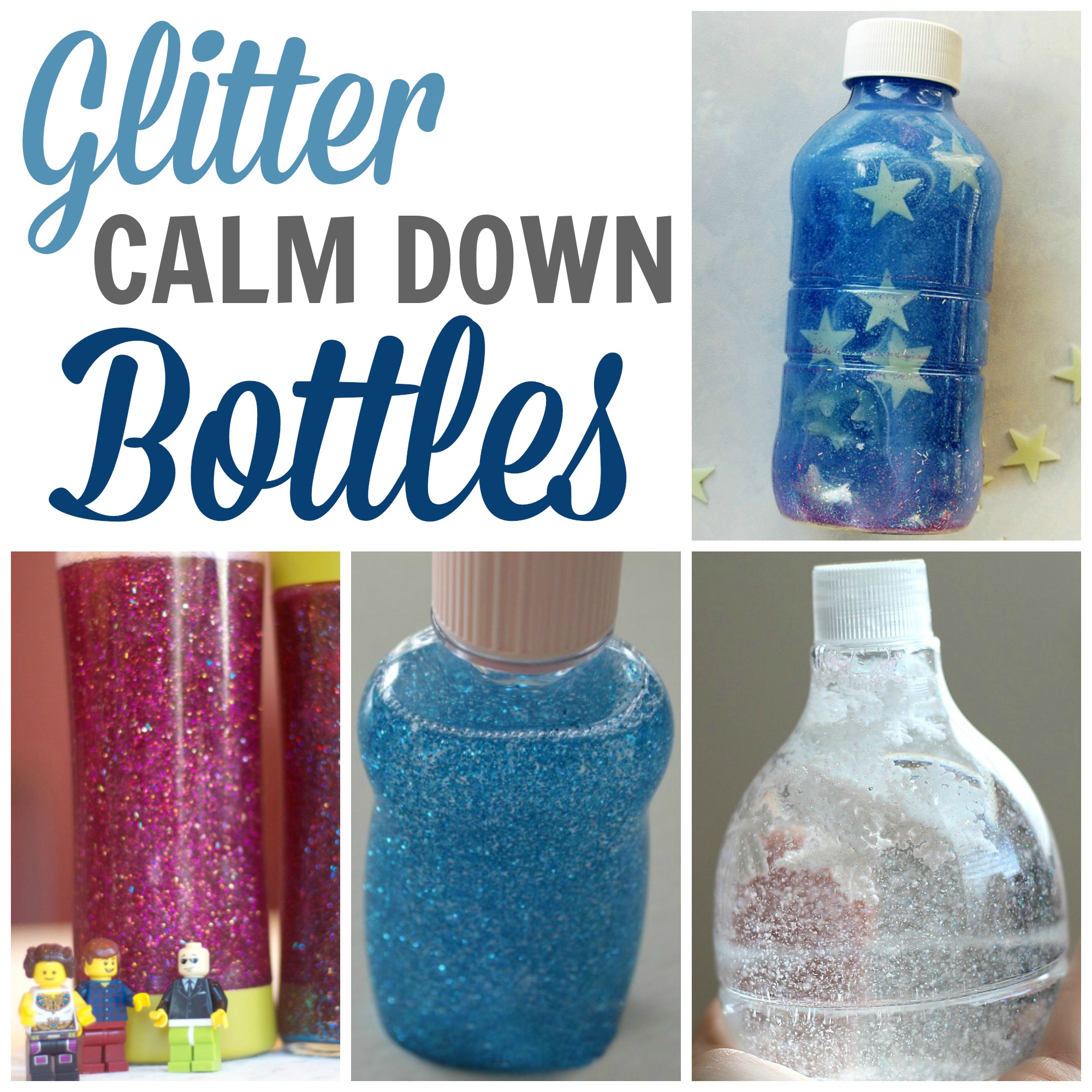
- During a timeout or reset period, the jar can provide something calm to look at while emotions cool.
- In the car, it may help a bored or fidgety child redirect attention without needing a screen.
- For anxious moments, it can become part of a familiar calming routine.
- During sensory overload, the bottle can offer a single, predictable visual input instead of adding more noise.
Those uses should still be matched to the child. Some children calm down with quiet visual input; others may need movement, pressure, space, a snack, or adult help naming what is happening. The jar works best as one option in a broader parenting toolkit.
What to keep in mind before making one
The source emphasizes that calm down jars are easy to make. In practice, that ease is part of the appeal for parents: the object does not need to be complicated to be useful. What matters more is whether it is durable, age-appropriate, and connected to a clear routine.
For younger children, the bottle should be treated as a supervised item. Parents should think about the container, the seal, and whether the child is likely to throw, bite, open, or break it. A calming tool that creates a mess or safety concern will not be calming for long.
It also helps to introduce the jar before a major meltdown. A child who has seen it during a neutral moment is more likely to understand what it is for when emotions are high.
Key takeaways
- The Realistic Mama presents calm down jars as small bottles that can help children settle in stressful or overstimulating moments.
- The source specifically mentions timeouts, car restlessness, anxiety, and sensory overload as possible situations where they may help.
- They are best understood as a support tool, not a substitute for connection, supervision, or age-appropriate emotional coaching.
- A calm down jar is most useful when it is simple, sturdy, and part of a familiar routine.
How to make the tool feel supportive, not punitive
A calm down jar can lose its usefulness if it becomes a symbol of punishment. If a child only sees it when they are in trouble, they may resist it. Parents can keep the tone more supportive by using simple language: this is something to watch while your body settles.
The adult response still does much of the work. A jar can hold a child attention for a few moments, but it cannot validate feelings, set a limit, or repair a conflict. Used well, it creates a small pause so those next steps are easier.
For families looking for low-effort calming ideas, the appeal is clear: a calm down jar is portable, visual, and easy to understand. The useful question is not whether every child needs one, but whether this kind of simple sensory cue fits the child and the moments that tend to be hardest.
Inspired by this post on The realistic mama.