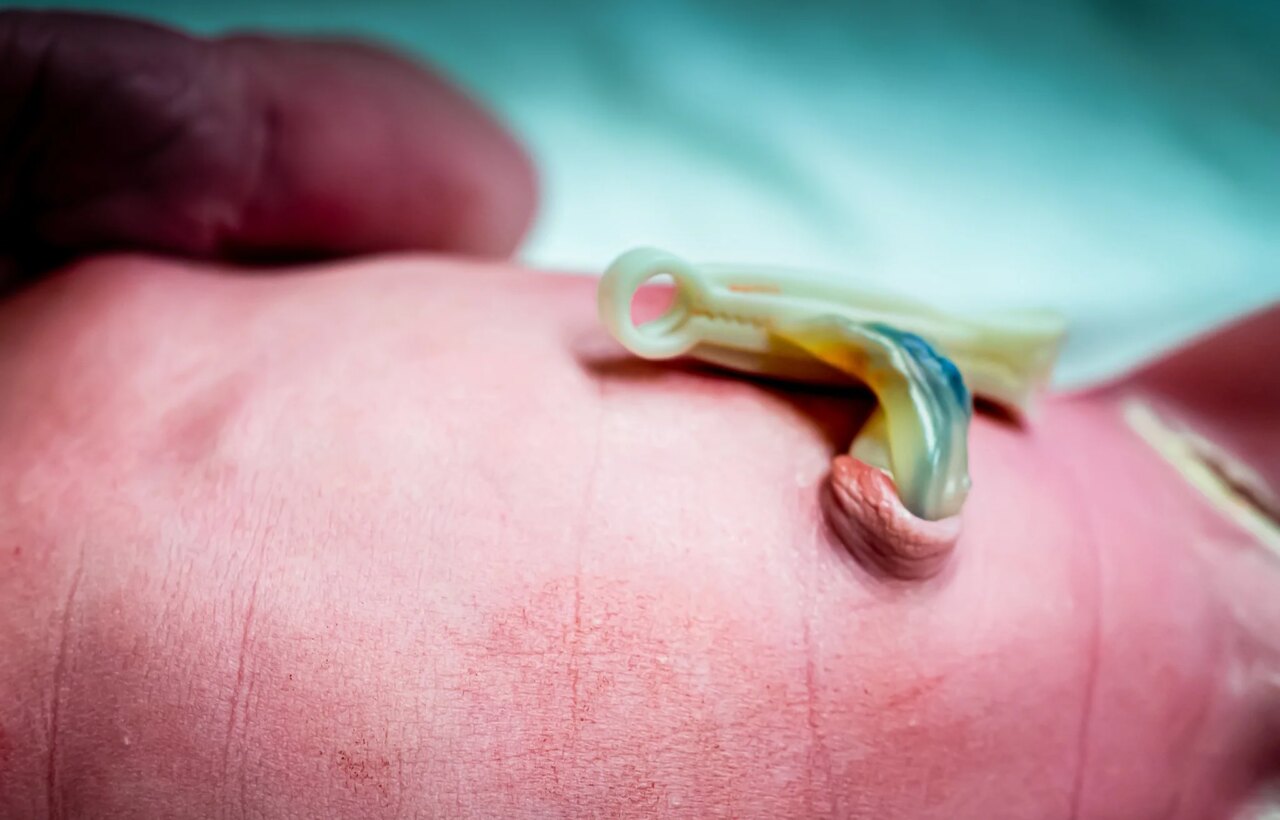
The umbilical cord stump can make even routine newborn care feel delicate. It is small, healing, and easy to worry about, especially when parents are trying not to bump it during diapers, clothing changes, and baths.
Using Welcome Baby Co. Blog as the source, this guide explains what parents can reasonably expect, how to keep the area protected, and which changes should prompt a call to a baby’s healthcare provider.
What the Cord Stump Is Doing
After birth, the remaining bit of umbilical cord gradually dries, darkens, and separates on its own. Welcome Baby Co. Blog notes that it may look white and shiny right after birth, then shift toward brown, grey, or black as it heals. That color change can look surprising, but in the source’s framing, it is part of the normal drying process.
The source reports that the stump usually falls off within 1 to 2 weeks, though it can take longer. Parents do not need to pull, loosen, or help it along. If it comes off during a diaper change or while changing clothes, that does not automatically mean anything was done wrong; according to the source, it was likely ready to detach.
The Main Goal: Clean, Dry, and Undisturbed
The practical theme across the source article is simple: keep the stump clean, keep it dry, and reduce rubbing. If the area needs cleaning, Welcome Baby Co. Blog recommends using a clean, soft cloth dampened with water, then gently patting the area dry with a clean towel.
The source also advises avoiding rubbing alcohol or other products unless a baby’s doctor recommends them. That includes antibacterial creams after the stump falls off, unless a doctor specifically says otherwise. The point is not to over-treat a normal healing site.
Diapers matter because the waistband can rub the stump or bring urine or stool into contact with the area. Welcome Baby Co. Blog suggests folding the diaper below the stump. If that does not work well, the source says a small area near the top of the diaper can be cut out so the stump stays open to air.
Bathing Before the Cord Falls Off
Bathing is one place where parents may need to adjust their routine. Welcome Baby Co. Blog reports that delaying a baby’s first bath for at least 24 to 48 hours is recommended, and that many care providers recommend waiting until the cord falls off.
If a baby needs to be cleaned while the stump is still attached, the source describes sponge bathing as an option, with attention to keeping the baby from getting cold. What matters for cord care is avoiding submerging the stump in water before it separates.
Once the stump has fallen off, the source recommends continuing to keep the belly button area clean and dry until it fully heals. During baths, parents can gently clean the area without scrubbing, then pat it dry with a soft, clean cloth or towel.
Key Takeaways for the First Few Weeks
- According to Welcome Baby Co. Blog, the stump commonly falls off within 1 to 2 weeks, but it may take longer.
- Keep the stump and surrounding skin clean and dry; use water and a clean cloth if cleaning is needed.
- Fold the diaper below the stump or create space so the diaper does not rub.
- Avoid soaking the cord stump before it falls off.
- Do not apply alcohol, creams, or other products unless advised by a baby’s doctor.
What Can Look Normal After It Detaches
The period just after the stump falls off can also raise questions. Welcome Baby Co. Blog says parents may see a red, raw-looking spot, sometimes with a small amount of fluid tinged with blood. The source describes this as normal and says it should heal within 2 weeks.
That said, normal healing still deserves gentle care. Keep the area clean, avoid irritating it, and continue watching for changes. If a parent is unsure whether what they are seeing is expected, a healthcare provider is the right person to ask.
When to Call a Healthcare Provider
Welcome Baby Co. Blog lists several signs that should prompt parents to contact the baby’s doctor: pus, red and tender skin, or a fever. The source also says to seek medical advice for other concerning changes around the navel, including a moist red lump or bulging tissue.
The safest approach is to treat those signs as reasons for assessment rather than something to monitor indefinitely at home. Umbilical cord care is usually straightforward, but infection concerns should be handled promptly by a qualified health professional.
For most families, the job is less about doing a lot and more about doing a few things consistently: protect the stump from rubbing, keep it dry, clean gently when needed, and get medical guidance when the area looks irritated, infected, or unusual.
Inspired by this post on Welcome Baby Co. Blog.