Helping Children Build Reading Skills Without Rushing

A practical guide to supporting early reading habits at home, with age-flexible ideas and realistic expectations for parents.

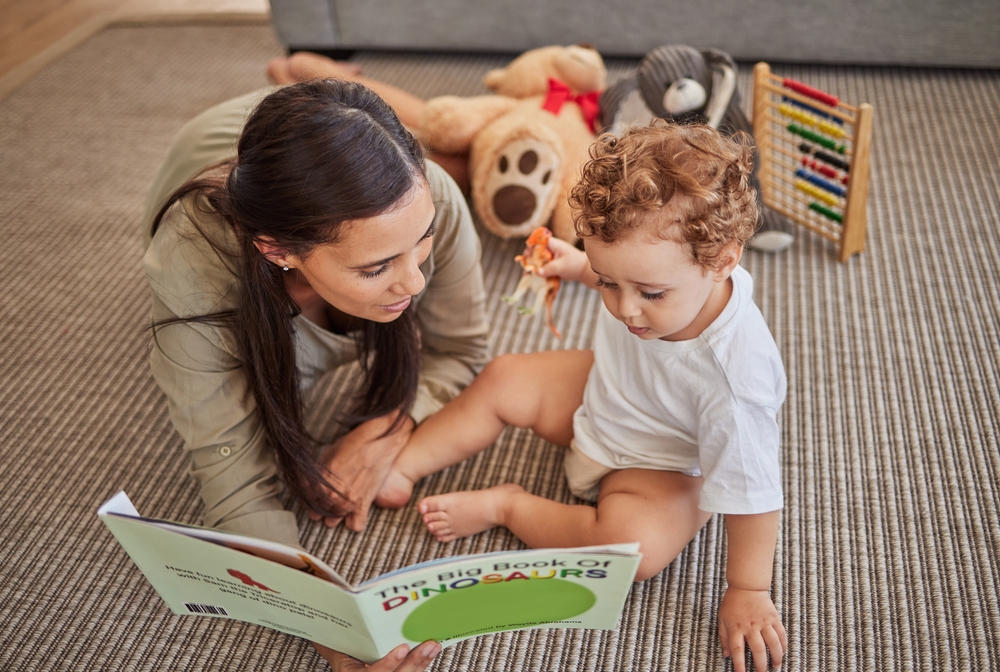
Adult woman reads a dinosaur book with a young child seated on a carpet with toys nearby.
An adult woman and a young child sit together on a carpet looking at an open book titled "The Big Book Of Dinosaurs," with toys in the background.

Learning to read can feel like one of the first big academic milestones a family faces. The available Kars4Kids Parenting excerpt frames that concern clearly: many parents start thinking about books, nursery rhymes, ABCs, and future success before a child is even born.

Because the source excerpt does not provide a full age-by-age teaching plan, the most useful approach is a practical one: focus on the habits that support reading readiness, then adjust expectations to the child in front of you.

Woman smiling at a baby wrapped in a star-patterned blanket on a bed
A smiling woman leans close to a baby lying on white bedding, holding the baby's hands as the infant rests in a star-patterned blanket.

Reading Begins Before Formal Lessons

According to Kars4Kids Parenting, parents often connect early reading with long-term success. That instinct makes sense, but early literacy is not only about memorizing letters. It also grows from hearing language, noticing sounds, seeing print used in everyday life, and associating books with attention and comfort.

Adult woman smiling at a baby lying on a white bed and holding the baby's hands.
An adult woman leans close to a smiling baby on a white bed, gently holding the baby's hands in a bright, softly lit indoor scene.

For infants and toddlers, that usually means simple exposure rather than instruction. Rhymes, songs, board books, pointing at pictures, and naming familiar objects all help children connect spoken words with meaning. The goal is not to make a baby perform. It is to make language feel frequent, warm, and useful.
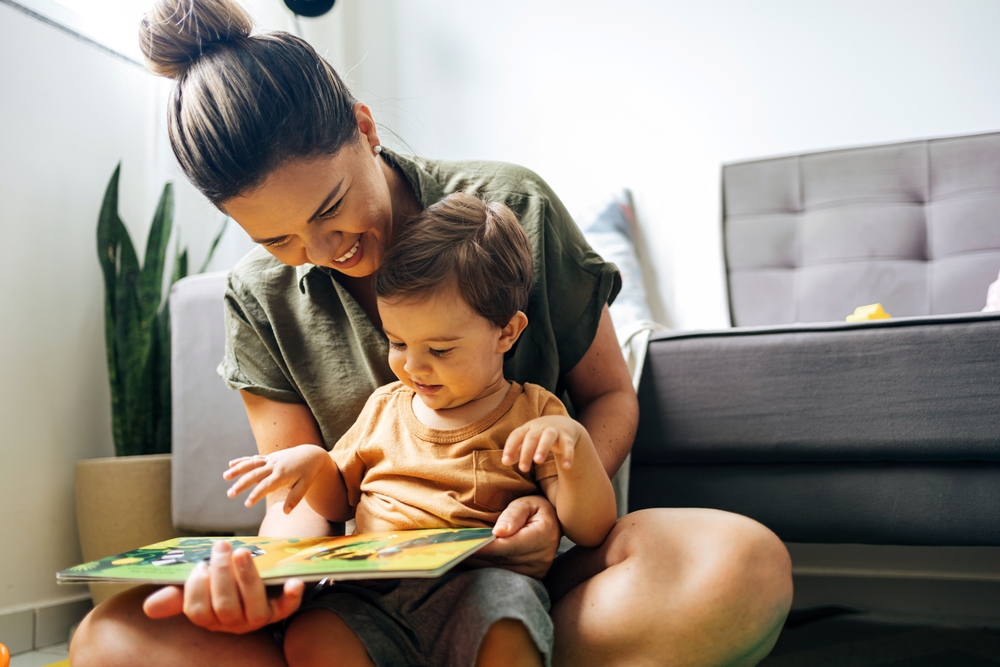
Woman sitting with a young child and looking at an open picture book together
A woman sits on the floor with a young child in her lap as they look closely at a colorful open picture book beside a sofa.

What Parents Can Do At Home

A home reading routine does not need to be elaborate. The most effective habits are often repeatable and low-pressure, especially when children are young or resistant.
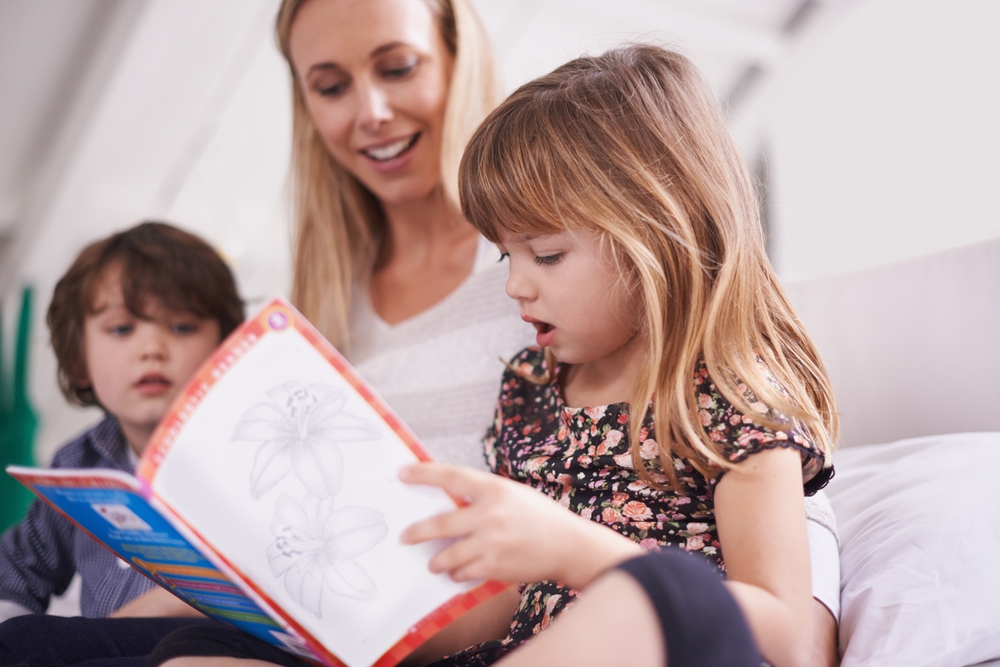
Young girl holds an open book while a woman and another child sit nearby indoors.
A young girl looks at an open book with outlined flower drawings as a woman and another child sit close beside her in a bright indoor setting.
  • Read aloud in short, regular bursts, even if the child mostly wants to turn pages or look at pictures.
  • Use nursery rhymes and songs to make the sounds of language playful and memorable.
  • Point out letters, labels, signs, and book titles naturally during the day.
  • Let children choose some books, including familiar favorites they ask for repeatedly.
  • Ask simple questions about pictures and stories, then give the child time to answer in their own way.

These habits matter because reading is built from many small skills. A child who enjoys books, listens to words, recognizes patterns, and understands that print carries meaning is developing a foundation for later decoding and comprehension.

Woman and young child sitting in bed together, smiling while looking at an open book
A woman and young child sit under white bedding, smiling as they look together at an open book in a softly lit bedroom.

Avoid Turning Reading Into A Race

The source emphasizes how naturally parents want their children to succeed. The caveat is that worry can push families toward pressure before a child is ready. Some children are fascinated by letters early. Others care more about stories, movement, conversation, or being read to. Those differences do not automatically signal a problem.

Young girl reading a book beside a large teddy bear under striped fabric and soft lights
A young girl sits with an open book beside a large teddy bear, with striped fabric, pillows, and soft string lights creating a cozy indoor scene.

A better measure is whether reading time is becoming a reliable part of family life. If a child resists sitting still, try a shorter book. If letters feel frustrating, return to rhymes, pictures, and shared storytelling. If an older child struggles, keep the emotional tone calm while seeking appropriate support from a teacher or literacy professional when needed.

Key Takeaways

  • Kars4Kids Parenting presents reading as a major early milestone many parents think about even before birth.
  • Early literacy starts with language exposure, shared books, rhymes, conversation, and print awareness.
  • Parents can support reading without turning every moment into a lesson.
  • Progress should be guided by the child’s readiness, interest, and needs, not by comparison.

When The Goal Is A Lifelong Reader

Teaching a child to read is not one single event. It is a long sequence of small experiences that make language meaningful and books familiar. The available source material points to a common parental hope: giving children the tools they need to thrive. The practical next step is to make reading visible, shared, and calm, so children can build skill without feeling that every page is a test.


Inspired by this post on Kars4Kids Parenting.


Generated image 1 (2)

FAQs

When can parents start building a child's reading skills?

Reading readiness can begin before formal lessons through language-rich, shared experiences. Even infants and toddlers benefit from hearing songs and rhymes, looking at board books, pointing at pictures, and naming familiar objects.

What simple habits can help children develop reading skills at home?

Read aloud in short, regular bursts; use rhymes and songs; point out everyday print; let the child choose books; and ask simple questions about pictures and stories. Keep the routine repeatable and low-pressure.

Do babies and toddlers need formal reading instruction?

For infants and toddlers, the article recommends simple exposure rather than formal instruction. The aim is to make language frequent, warm, and useful, not to make a young child perform.

What should parents do if a child will not sit still for reading?

Try a shorter book and allow the child to turn pages or focus mainly on pictures. If letters become frustrating, return to rhymes, pictures, and shared storytelling.

How do nursery rhymes and songs support early literacy?

Nursery rhymes and songs make the sounds of language playful and memorable. They help children listen to words and notice patterns that contribute to later reading development.

How can parents avoid turning reading into a race?

Guide expectations by the child's readiness, interests, and needs rather than comparison with other children. A useful measure is whether calm, shared reading is becoming a reliable part of family life.

When should parents seek extra help for a struggling reader?

If an older child struggles with reading, keep the emotional tone calm and supportive. Seek appropriate help from a teacher or literacy professional when needed.

Join the conversation

Your email address will not be published. Required fields are marked.

From birth till the first flush

A few taps now. A clearer picture later.

Log diapers, feeds, sleep and more in one calm place—then notice the gentle patterns in your baby’s day.

Get diapr.ai Free to download · iPhone & Android
Diaproo, the diapr.ai kangaroo mascot