How Parents Can Make a Summer Reading Challenge Work

A practical look at Usha Vance's reported summer reading challenge and how parents can turn it into a simple family habit.

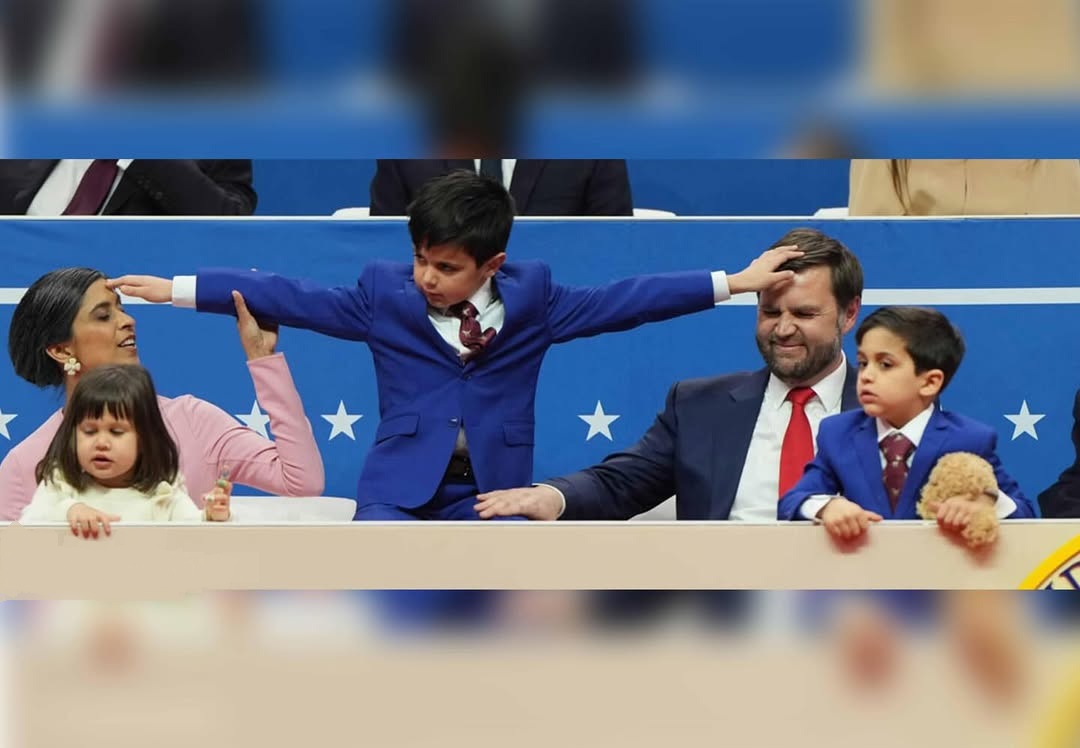
Boy in a blue suit stretches his arms between seated adults and children in a blue-railed venue.
A child in a blue suit stands between seated adults and other children, stretching his arms out as the group sits behind a light-colored railing.

Kars4Kids Parenting reports that Second Lady Usha Vance has called on children to read during the summer, framing reading as more than a way to pass time. The source identifies Vance as the wife of Vice President J.D. Vance and says her message centers on the long-term value of children’s reading.

Because the available source material is brief, the useful question for parents is practical: how can a public reading challenge become a calm, sustainable family habit instead of another item on the summer to-do list?
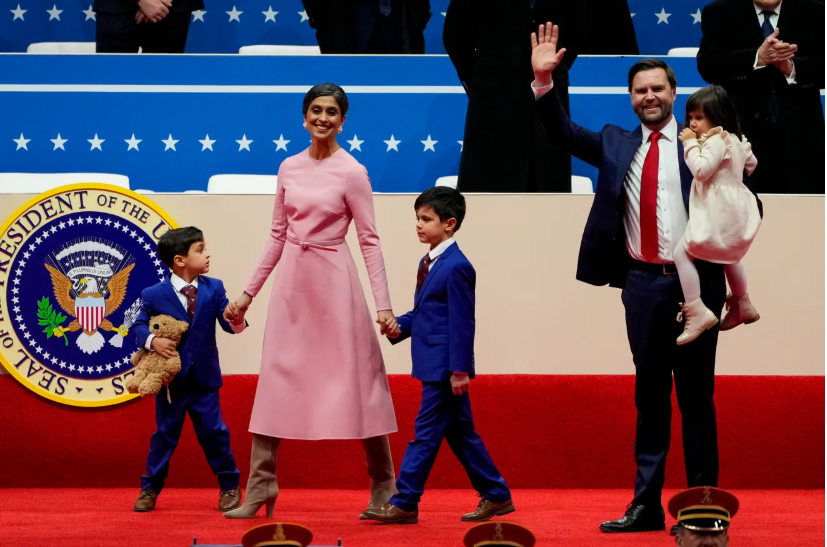
Adults and children walk on a red stage before a blue star backdrop and a partial presidential seal.
A woman in a pink dress holds hands with two boys in blue suits while a man holding a child waves on a red-carpeted stage near a partial presidential seal.

What the Source Actually Reports

According to Kars4Kids Parenting, Usha Vance announced a summer reading challenge and urged children to read. The source presents the message as a timely appeal to families and includes the line, “Reading is not just a pastime. It’s an investment in a child’s future.”
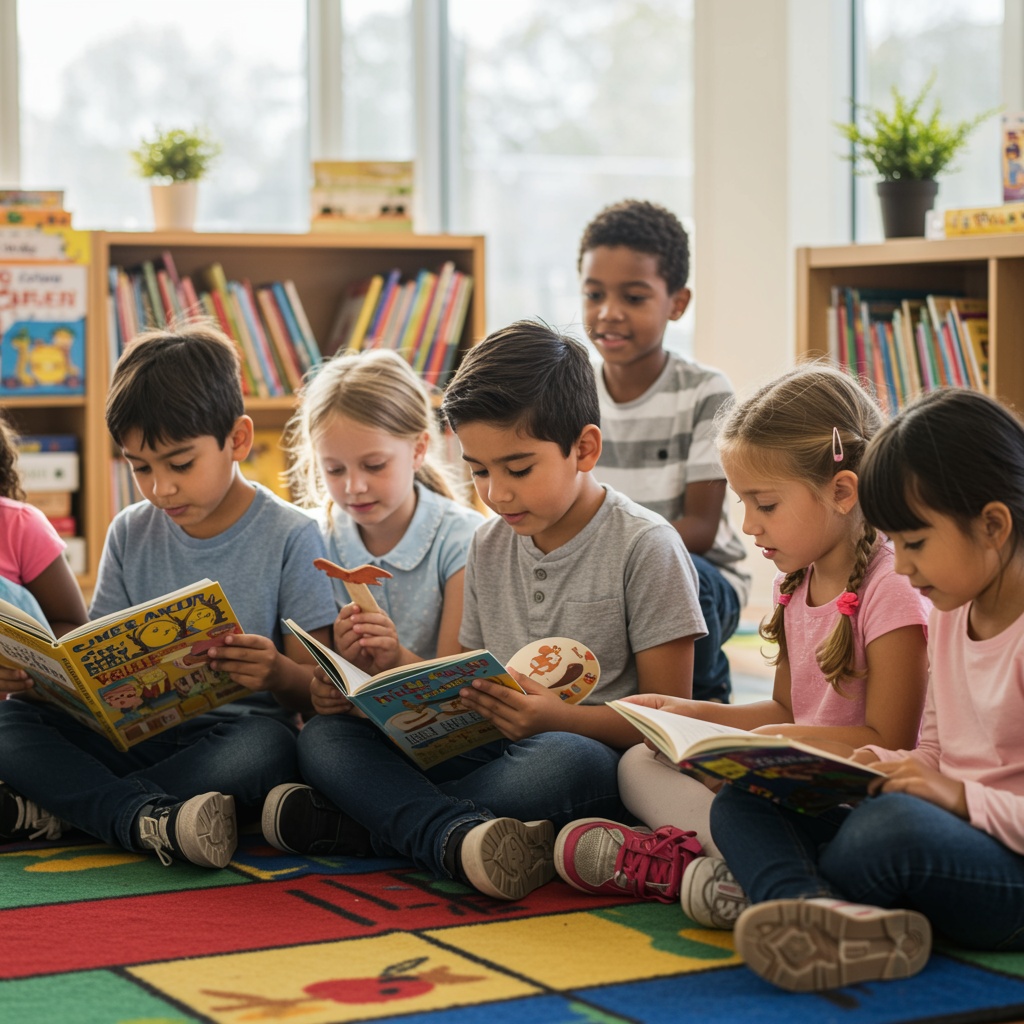
Children sitting on a colorful rug reading books near shelves and windows
A group of children sit close together on a bright classroom rug, each looking at books, with low bookshelves, potted plants, and large windows behind them.

The excerpt does not provide program rules, registration details, prize information, dates, age bands, or a required reading list. That matters: parents should treat the report as a broad encouragement to build summer reading momentum, not as a complete guide to a specific challenge.

Children pointing and looking excited in front of a large domed building and tree-lined walkway.
A group of children stand on a broad walkway, pointing and reacting with excitement as adults walk nearby and a large domed building rises in the background.

Why Summer Reading Needs a Low-Friction Plan

Summer can be a good time for reading because family schedules often shift. That same shift can also make routines harder to maintain. Camps, travel, childcare changes, later bedtimes, and screen time can all crowd out quiet reading unless parents make the habit simple and visible.

Children holding colorful books around an empty sandy center with palm leaf shadows
Children hold bright yellow, blue, and red books around an open sandy space, with palm leaf shadows framing the sunlit scene.

The best reading plan is usually not the most ambitious one. A child who reads a little most days is more likely to keep going than a child handed a large goal that feels like schoolwork. The goal is to make books easy to reach, easy to choose, and easy to talk about.

Woman and young child sitting together on an armchair reading an open book by warm lamplight.
A woman and young child sit close together in a cozy room, looking down at an open book while a table lamp glows beside them.

How to Turn the Challenge Into a Family Routine

Parents do not need a complicated system to support the kind of summer reading push described by Kars4Kids Parenting. A few predictable choices can make the challenge feel manageable.
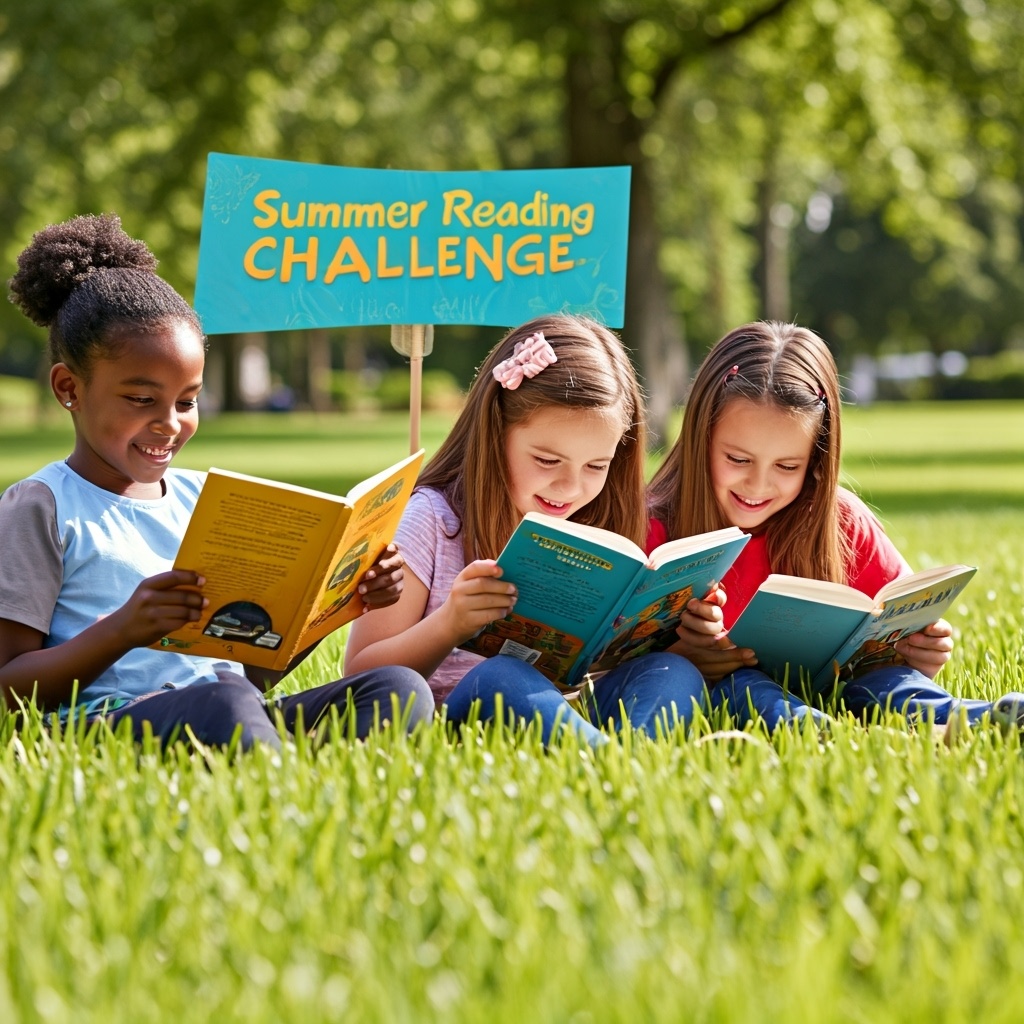
Three children sit in grass reading books beneath a sign that says Summer Reading Challenge.
Three smiling children read books outdoors on a sunny lawn, with a bright sign behind them reading "Summer Reading Challenge."
  • Pick a regular reading window, such as after breakfast, before bed, or during a quiet afternoon break.
  • Let children help choose the books, including graphic novels, chapter books, nonfiction, joke books, or rereads.
  • Keep books in the places where children already spend time, such as the car, stroller basket, bedroom, or kitchen table.
  • Track progress lightly with a calendar, bookmark, library log, or simple family list.
  • Talk about what the child noticed, liked, disliked, or wondered about instead of turning every book into a quiz.

For reluctant readers, the entry point may be being read to, listening to an audiobook, alternating pages with a parent, or choosing shorter books. The challenge should reduce resistance, not create a daily standoff.

Key Takeaways for Parents

  • Kars4Kids Parenting reports that Usha Vance is encouraging children to read this summer.
  • The available source material frames reading as an investment in a child’s future, but does not include detailed challenge rules.
  • Parents can make the idea useful by creating a small, repeatable reading habit at home.
  • Choice, access, and consistency matter more than a perfect reading list.

Keep the Focus on the Child, Not the Chart

A public reading challenge can give families a helpful nudge, but the real work happens in ordinary moments: a child choosing a book, a parent making space for quiet time, or a family talking casually about a story. If the challenge helps make reading feel normal and welcome during summer, it has already done something useful.


Inspired by this post on Kars4Kids Parenting.


Generated image 1 (2)

FAQs

What does the post report about Usha Vance's summer reading challenge?

Kars4Kids Parenting reports that Usha Vance announced a summer reading challenge and urged children to read, presenting reading as an investment in a child's future. The available source does not supply the challenge's detailed rules.

Does the reported summer reading challenge include rules, registration, prizes, or dates?

The available source excerpt does not provide program rules, registration details, prize information, dates, age bands, or a required reading list. Parents should treat it as broad encouragement to build summer reading momentum rather than a complete program guide.

How can parents turn a summer reading challenge into a family habit?

Choose a regular reading window, such as after breakfast, before bed, or during a quiet afternoon break, and keep books where children already spend time. A small, repeatable routine is more manageable than an ambitious goal that feels like schoolwork.

What kinds of books can children choose for the challenge?

Children can help choose graphic novels, chapter books, nonfiction, joke books, or books they want to reread. Choice and easy access matter more than following a perfect reading list.

How should families track summer reading without adding pressure?

Track progress lightly with a calendar, bookmark, library log, or simple family list. Keep the focus on making reading normal and welcome, not on the chart itself.

How can parents support a reluctant reader?

Try reading aloud, listening to an audiobook, alternating pages with a parent, or choosing shorter books. The challenge should reduce resistance rather than create a daily standoff.

What should parents ask children after they read?

Talk about what the child noticed, liked, disliked, or wondered about. Avoid turning every book into a quiz.

Join the conversation

Your email address will not be published. Required fields are marked.

From birth till the first flush

A few taps now. A clearer picture later.

Log diapers, feeds, sleep and more in one calm place—then notice the gentle patterns in your baby’s day.

Get diapr.ai Free to download · iPhone & Android
Diaproo, the diapr.ai kangaroo mascot