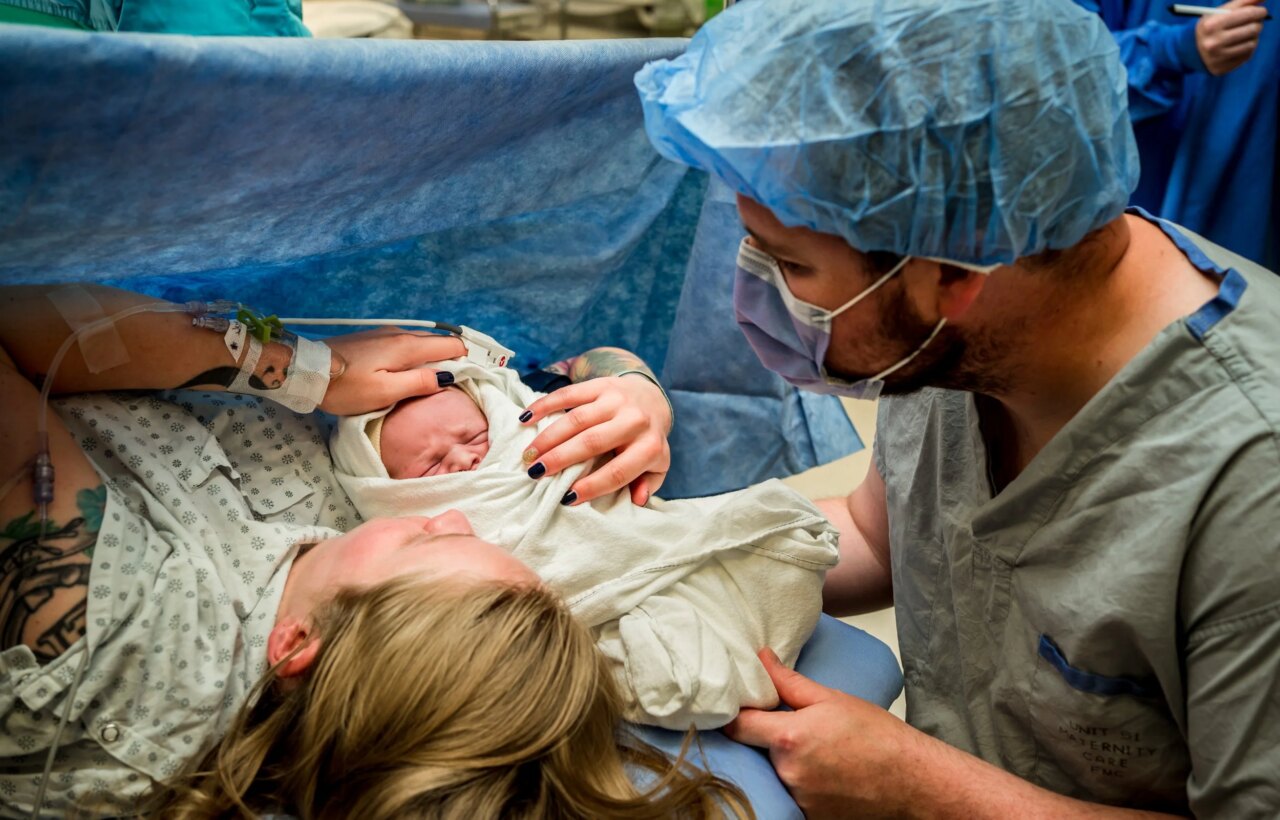
A cesarean birth can be scheduled well before labour begins, or it can become the recommended path after labour is already underway. Either way, the most useful preparation is not predicting exactly what will happen, but knowing which questions, preferences, and recovery needs to discuss with the care team.
Drawing on guidance reported by Welcome Baby Co. Blog, this article explains how parents can think through a C-section plan without treating it as a failure of another birth plan. The goal is practical: understand the setting, the choices that may still be available, and the early recovery period.
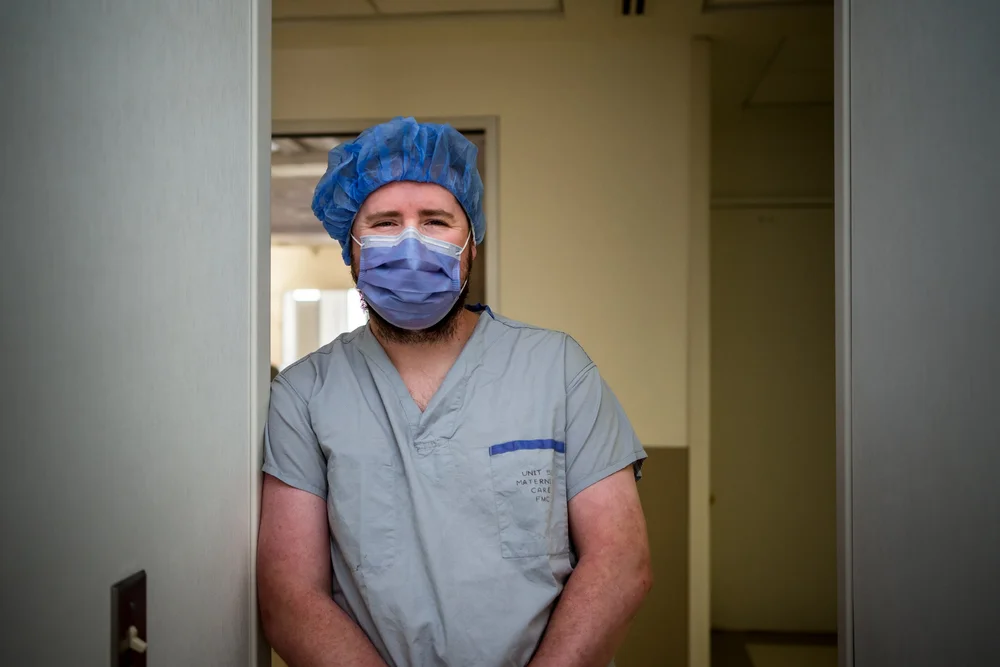
Why a Cesarean Plan Belongs in Birth Preparation
Welcome Baby Co. Blog reports that about 34% of births in Alberta happen by cesarean. That does not mean every pregnant person should expect one, but it does make cesarean planning a sensible part of birth preparation, even for families hoping for a vaginal birth.
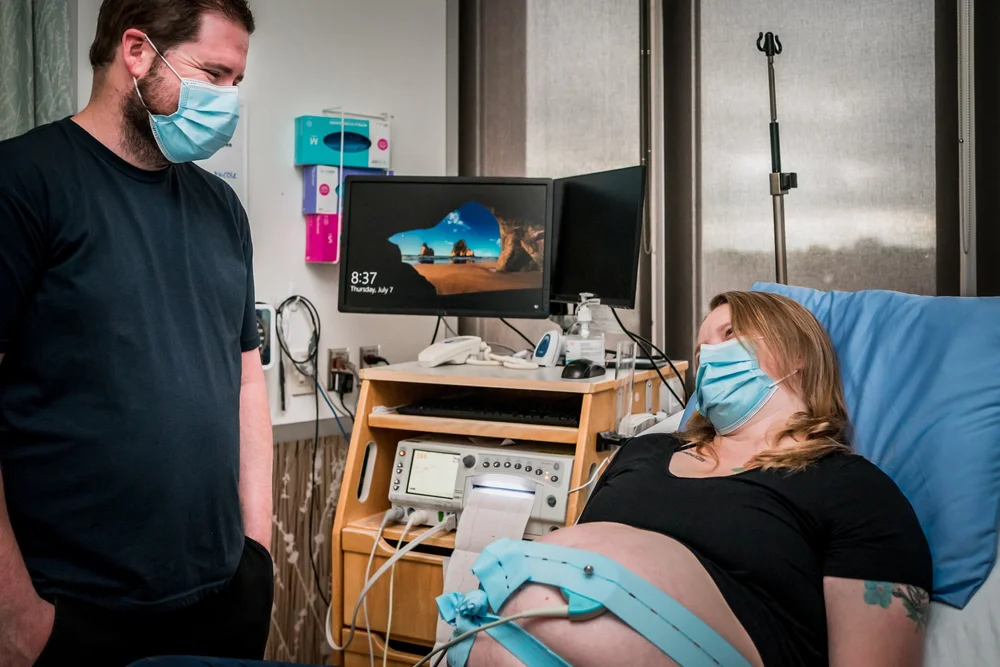
A backup cesarean plan is less about assuming something will go wrong and more about reducing uncertainty if plans change. In an unplanned situation, parents may need to absorb medical information quickly. Knowing in advance what matters to them, such as communication style, support-person involvement, or skin-to-skin preferences, can make that conversation easier.
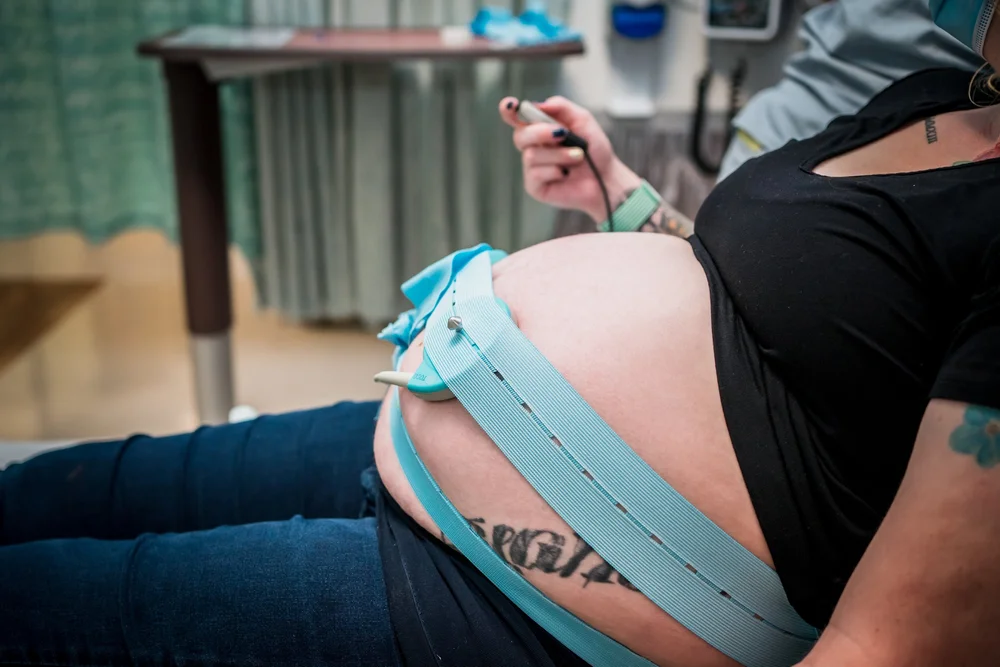
The important caveat is that cesarean preferences are always shaped by safety. A care team may be able to accommodate many requests when the parent and baby are stable, but urgent circumstances can narrow the options.
Questions to Settle Before Surgery Day
For a planned cesarean, prenatal appointments are the best time to ask how the hospital handles check-in, anesthesia, support people, baby care, and recovery. According to the source, some Calgary hospitals may ask families to arrive very early, sometimes as early as 6:00 a.m., so there is time for admission and preparation.
Scheduled surgery can still be delayed if emergency cases take priority. That is not always easy emotionally, especially when a family has prepared for a specific time. A practical plan may include comfort items for waiting, downloaded entertainment, and a clear understanding of who will communicate updates.
- Ask when to arrive and what pre-op instructions to follow.
- Confirm who can be present in the operating room.
- Discuss whether music, step-by-step explanations, or limited conversation are possible.
- Ask how skin-to-skin and first feeding are usually handled after surgery.
- Find out what recovery support is available before discharge.
What Changes When the Cesarean Is Unplanned
An unplanned cesarean can feel emotionally complicated because it often arrives after a different plan was already in motion. Welcome Baby Co. Blog notes that the care team should explain the reason for the recommendation and review benefits and risks. Parents can still ask questions, request support, and name what would help them feel grounded.
The source says one support person is typically allowed in the operating room. That person may briefly separate from the birthing parent while changing into scrubs, hair covering, and shoe covers, then return once the room is ready and the medical team has completed initial preparation.
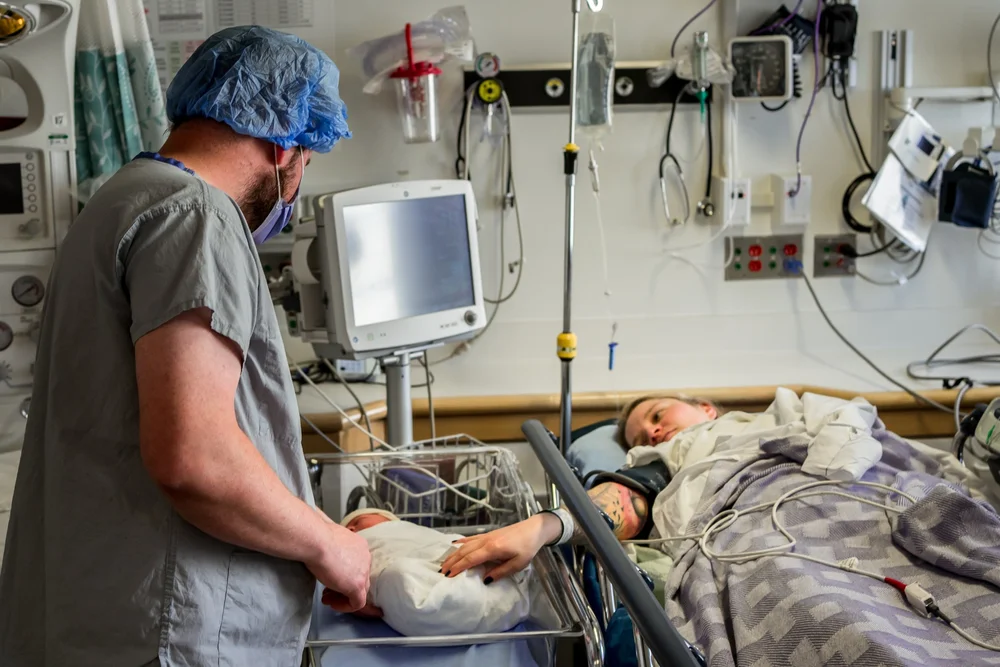
That short separation is worth anticipating. For some people, knowing it may happen can make the transition feel less alarming if surgery becomes necessary quickly.
The Operating Room Experience, in Plain Terms
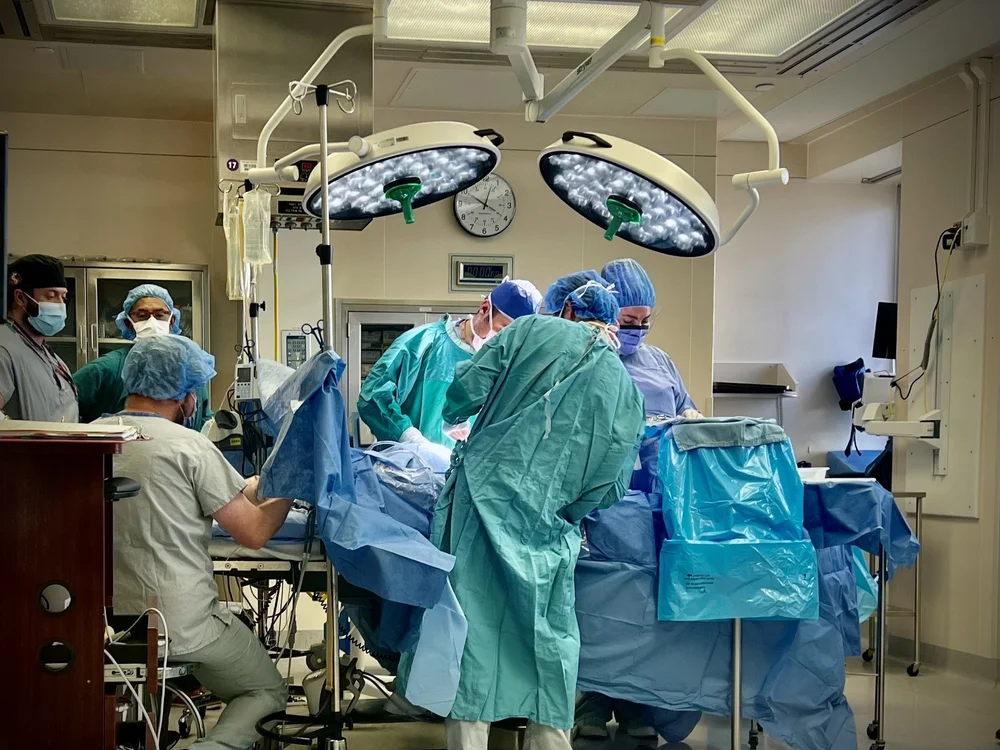
In the operating room, the source describes the birthing parent being positioned on a slightly left-tilted table with supports. Anesthesia may be spinal, which the source says is commonly used for planned cesareans, or an epidural may be adjusted if one is already in place from labour.
The key distinction for many parents is that numbness does not always mean feeling nothing at all. Welcome Baby Co. Blog explains that pain should be blocked, but pressure, movement, or tugging sensations may still be felt. If anything feels painful, frightening, or wrong, the parent should tell the team immediately.
The source also reports that the anesthesia team checks sensation before surgery proceeds, and that a urinary catheter is inserted after anesthesia has taken effect. A surgical drape is placed to maintain a sterile field, and the support person usually sits near the birthing parent’s head.
Ways to Make a Cesarean Feel More Personal
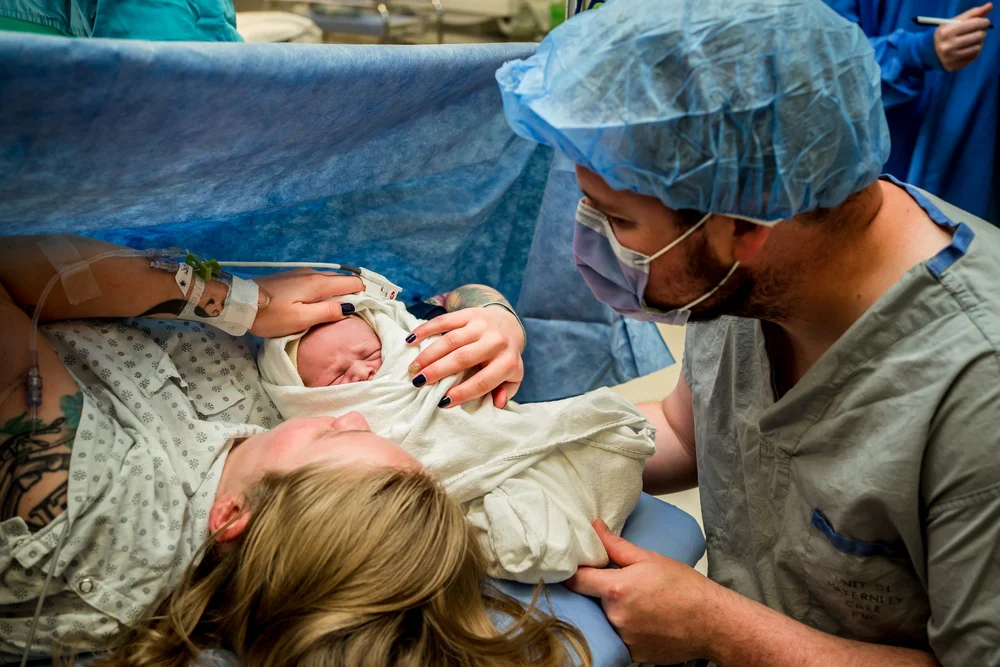
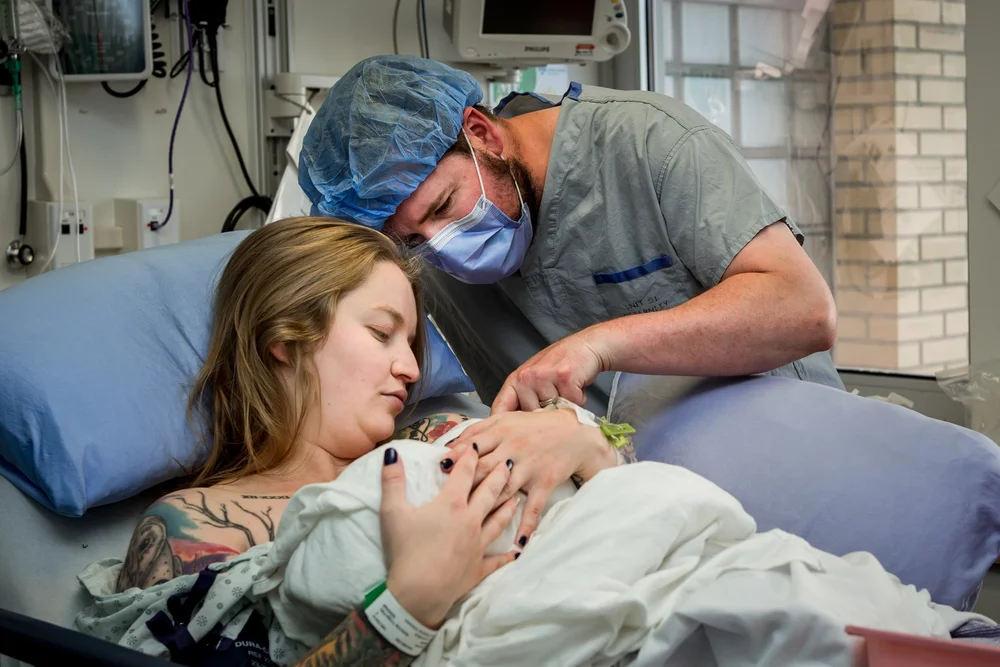
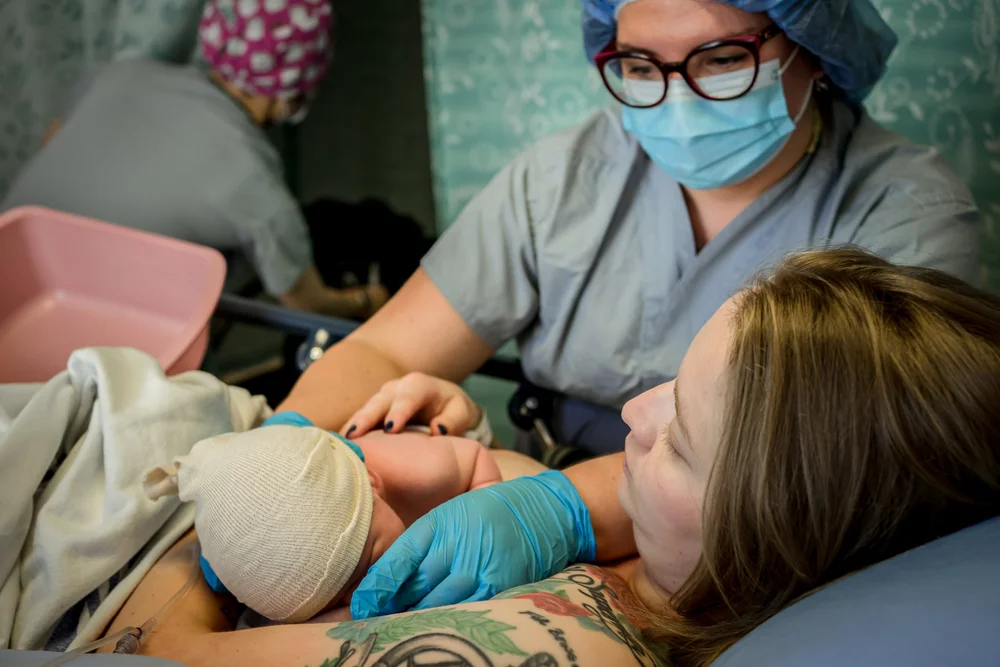
A cesarean is surgery, but it is also a birth. Families may be able to request small adjustments that support connection, provided the situation allows. The source gives examples such as playing music, asking the team to narrate the procedure or keep talk minimal, lowering the drape for the birth, having a parent announce the baby’s sex, and requesting early skin-to-skin.
These preferences should be discussed ahead of time when possible. In the moment, a partner, doula, or nurse may help communicate them, but the medical team will still make decisions based on the condition of the parent and baby.
Key Takeaways
- A cesarean plan is useful even when a vaginal birth is the goal, because it helps parents prepare for a common possibility.
- Planned cesareans allow more time to ask questions about timing, anesthesia, support people, and baby care.
- Unplanned cesareans can still include choices, especially around communication, emotional support, and early bonding when safe.
- During surgery, anesthesia should block pain, but pressure or tugging sensations may still occur.
- Recovery begins immediately after birth, so parents should accept support and report discomfort, overwhelm, or concerns.
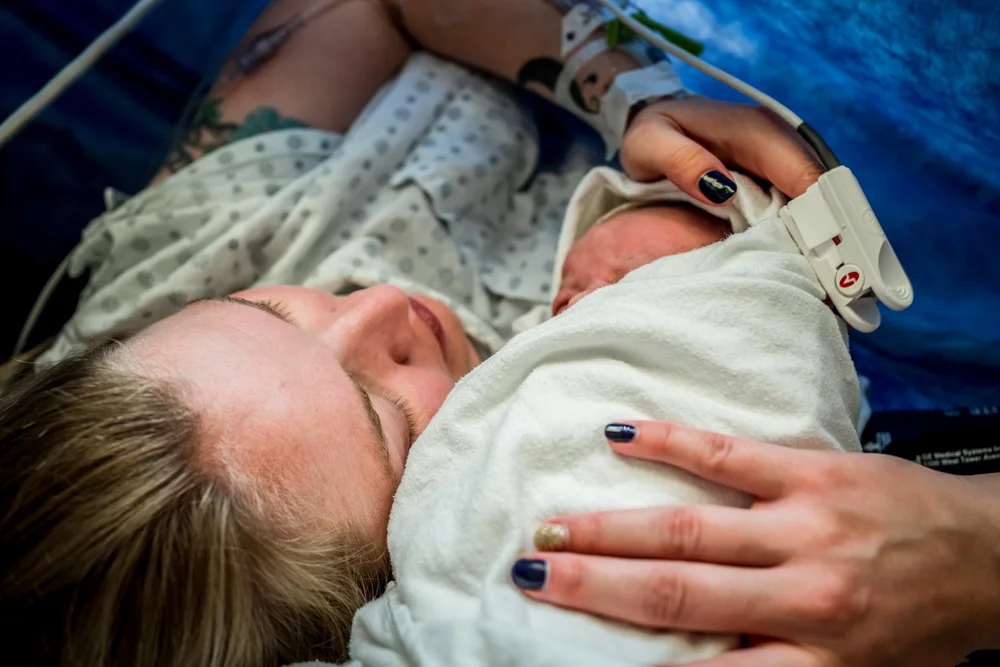
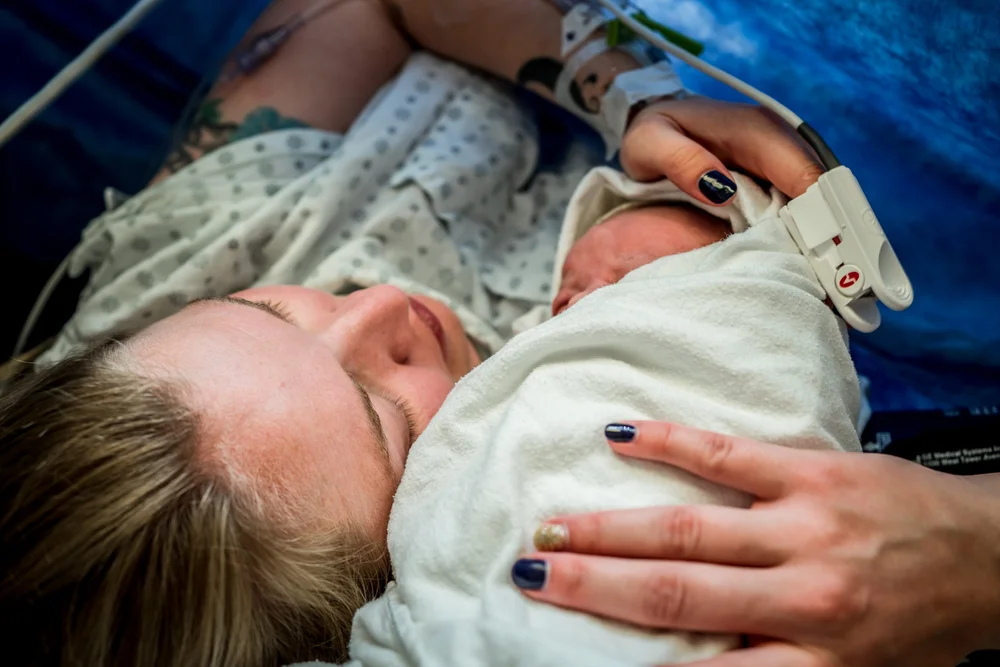
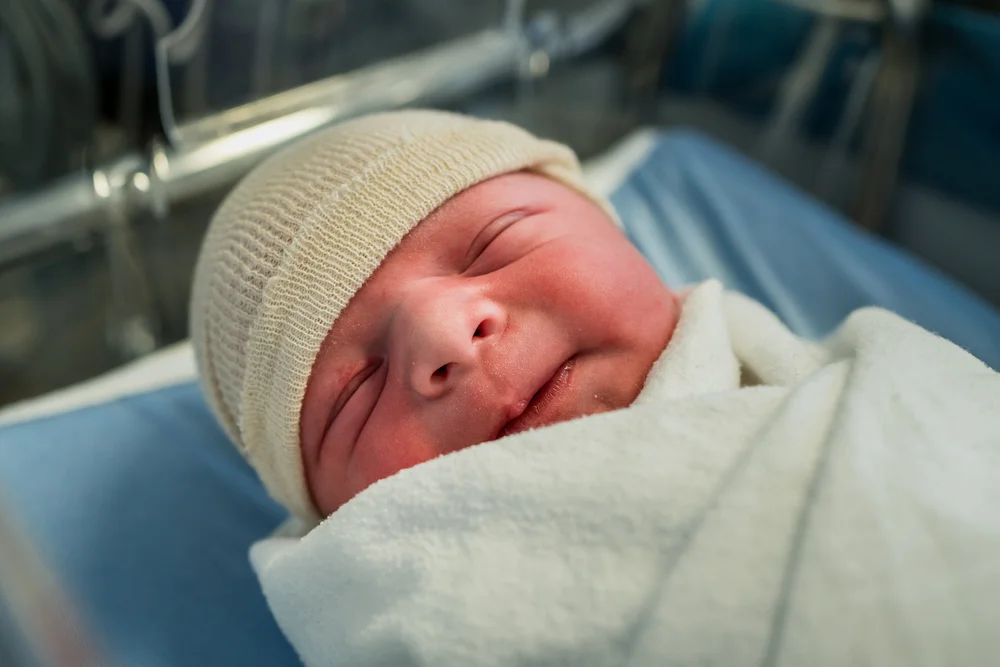
After birth, Welcome Baby Co. Blog says the baby is checked, skin-to-skin may be possible in the operating room, and the surgical team may need another 30 to 45 minutes to finish the procedure. The source also reports that many people spend two nights in hospital after a cesarean, where staff help with incision care, feeding, and early recovery. For parents, the best preparation is a flexible plan: clear enough to guide preferences, but adaptable enough to follow medical needs.
Inspired by this post on Welcome Baby Co. Blog.