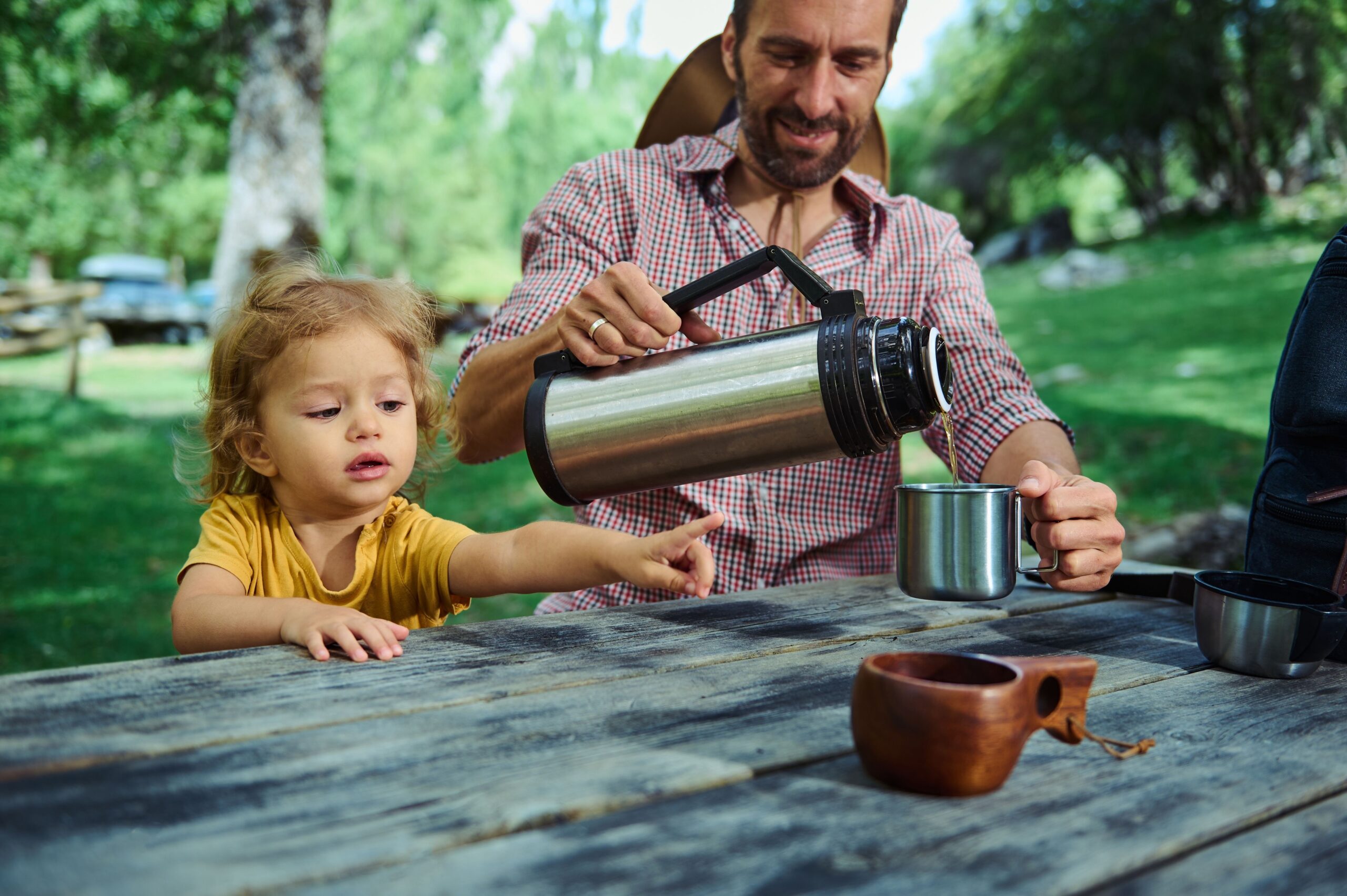
Seeing a child with a coffee can make parents pause, especially when it looks ordinary rather than secretive. The source article from Kars4Kids Parenting frames that moment as a real parenting question: is coffee simply another taste kids may be curious about, or is caffeine different enough to require firmer limits?
Because the provided source material is a short excerpt rather than a full reported article, the useful answer is not a list of invented rules. It is a way to think clearly about coffee, caffeine, ADHD questions, and a child’s curiosity without turning one drink into a moral test.
What Kars4Kids Parenting Actually Raises
According to Kars4Kids Parenting, the issue starts with a familiar observation: children are sometimes seen drinking coffee openly with their parents. The source presents that scene as emotionally mixed for adults, somewhere between surprise, uncertainty, and recognition that children often want to try what grown-ups are having.

That framing matters because the question is not only nutritional. Coffee can represent independence, imitation, family routine, and a child’s wish to be included. A parent may be reacting to the caffeine, but the child may be reacting to the ritual.
Why Coffee Feels Different From Other Treats
Coffee is not just a flavor. It commonly contains caffeine, a stimulant, which is why many adults use it to feel more alert. For children, that is the part parents usually need to separate from the novelty of the drink itself.

A sip of a parent’s coffee, a sweet coffee-flavored dessert, and a full caffeinated drink are not the same parenting decision. The practical question is less about whether a child has ever tasted coffee and more about whether caffeine is becoming a normal part of the child’s routine.
Parents can also consider timing. Even without getting into exact amounts, caffeine close to bedtime is a different concern than a small taste earlier in the day. Sleep, appetite, mood, and the child’s general sensitivity all belong in the conversation.
Caffeine, ADHD, and Casual Advice
The source title references ADHD, which is a topic that can easily lead to overconfident claims. It is important to keep the line clear: caffeine is not the same thing as prescribed ADHD treatment, and parents should not use coffee as a home substitute for medical guidance.
For families already navigating ADHD, medications, sleep concerns, or anxiety, the coffee question is best handled with the child’s clinician rather than social media advice. A child’s response to stimulants can be individual, and guessing based on adult experience can miss the larger picture.

That does not mean every coffee question requires alarm. It means parents can treat caffeine as an active ingredient, not just a beverage preference.
Key Takeaways
- Kars4Kids Parenting presents children’s coffee drinking as a parenting gray area, not a simple yes-or-no issue.
- The main distinction is between curiosity about taste and regular caffeine consumption.
- Parents should be especially cautious when ADHD, sleep problems, anxiety, or medications are part of the child’s health picture.
- A calm family rule is usually more useful than treating one sip as a crisis.
A Practical Way To Decide
Parents who are unsure can start with a few grounded questions: Is the child asking because they like the taste, because they want to copy adults, or because coffee has become a habit in the household? Is the drink caffeinated? Is it affecting sleep or behavior? Is there a medical reason to be more careful?
From there, the response can be simple: allow curiosity in small, age-appropriate ways if the family is comfortable, but keep caffeinated coffee from becoming an everyday default for children. If the child has ADHD or another health consideration, bring the question to a qualified health professional.
The most useful parenting stance is steady rather than dramatic. Coffee can be discussed like any other grown-up habit children notice: with honesty, limits, and attention to the child in front of you.
Inspired by this post on Kars4Kids Parenting.