
For parents comparing infant formula, the country listed on a label can feel like a shortcut for safety. The more useful question is what rules, testing, sourcing, and distribution system sit behind that label.
Using hibobbie Blog as the source, this guide separates what manufacturing location can tell families from what it cannot. The goal is practical: understand how formula is made, why supply chains matter, and what to check before choosing or switching products.
Key takeaways
- Infant formula is manufactured in the United States, Europe, Australia, and Asia, according to hibobbie Blog.
- Location matters mainly because it points to the regulatory system, testing expectations, labeling rules, and supply chain behind the product.
- The source reports that U.S. infant formula must meet 30 required nutrient standards and be tested for pathogens including Salmonella and Cronobacter.
- Parents should be cautious with formula bought through unofficial third-party sellers, especially imported products that may not meet U.S. labeling or safety requirements.
Manufacturing location is really about oversight
Baby formula is made in many parts of the world. Hibobbie Blog names the United States, Europe, Australia, and Asia as major manufacturing regions, and reports that the global infant formula market was valued at $87.75 billion in 2025, with projections above $200 billion by 2034.

But a country name alone does not prove much. A formula made domestically can be well regulated or poorly understood by a parent if the label is unclear. An imported formula can be appropriate when it is legally sold under the required framework. The meaningful issue is whether the product is made, tested, labeled, and distributed under rules that apply to infant nutrition.

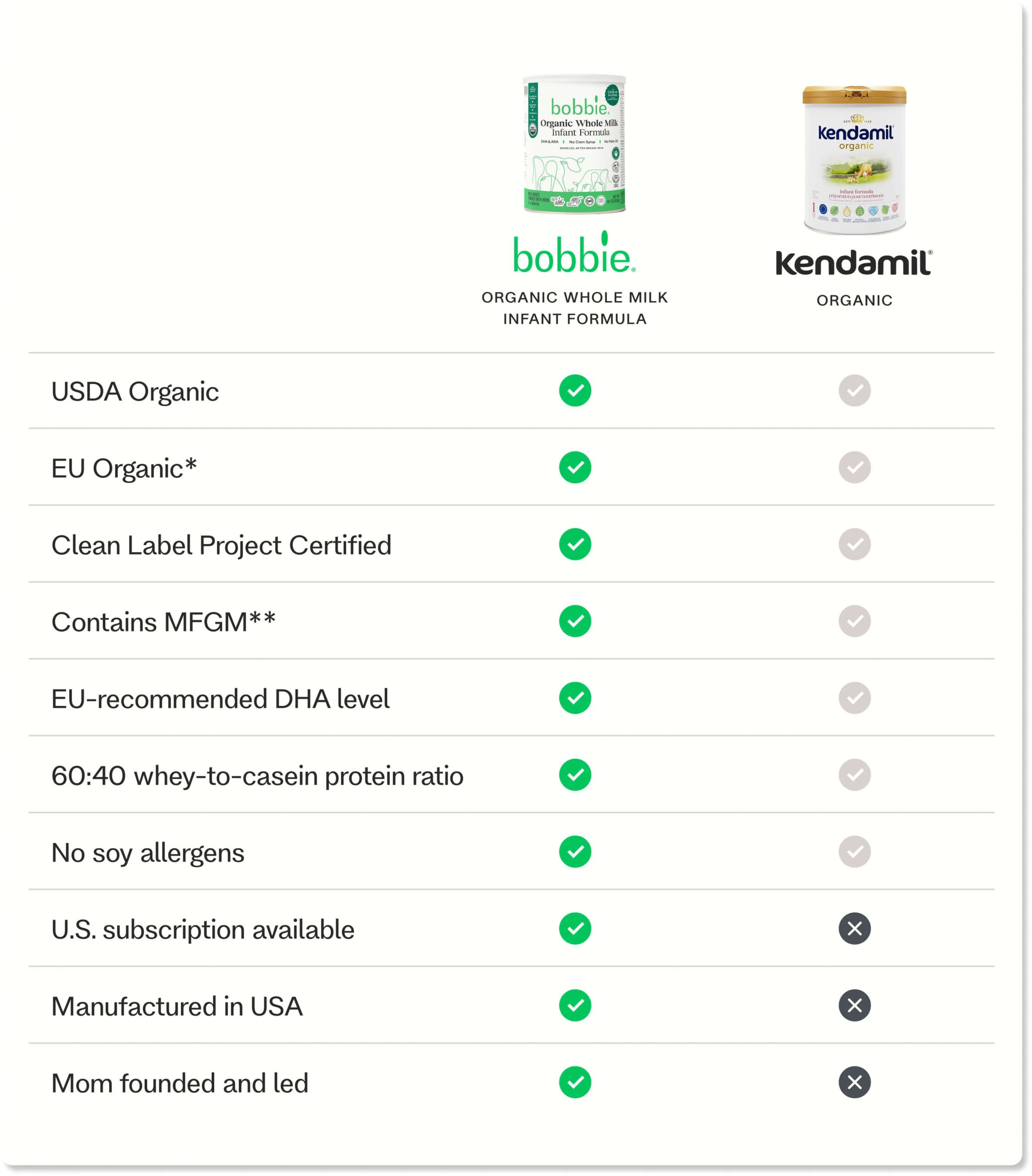
According to the source, the FDA introduced an enforcement discretion policy in 2022 that allowed certain foreign formulas to be evaluated for U.S. sale case by case. Those products had to show comparable nutrition profiles, safe manufacturing practices, quality testing, and labeling that U.S. parents could use. The same source lists Kendamil, Bubs Australia, Aptamil, and Nestle NAN as examples of non-U.S. brands with certain products sold under FDA authorization.
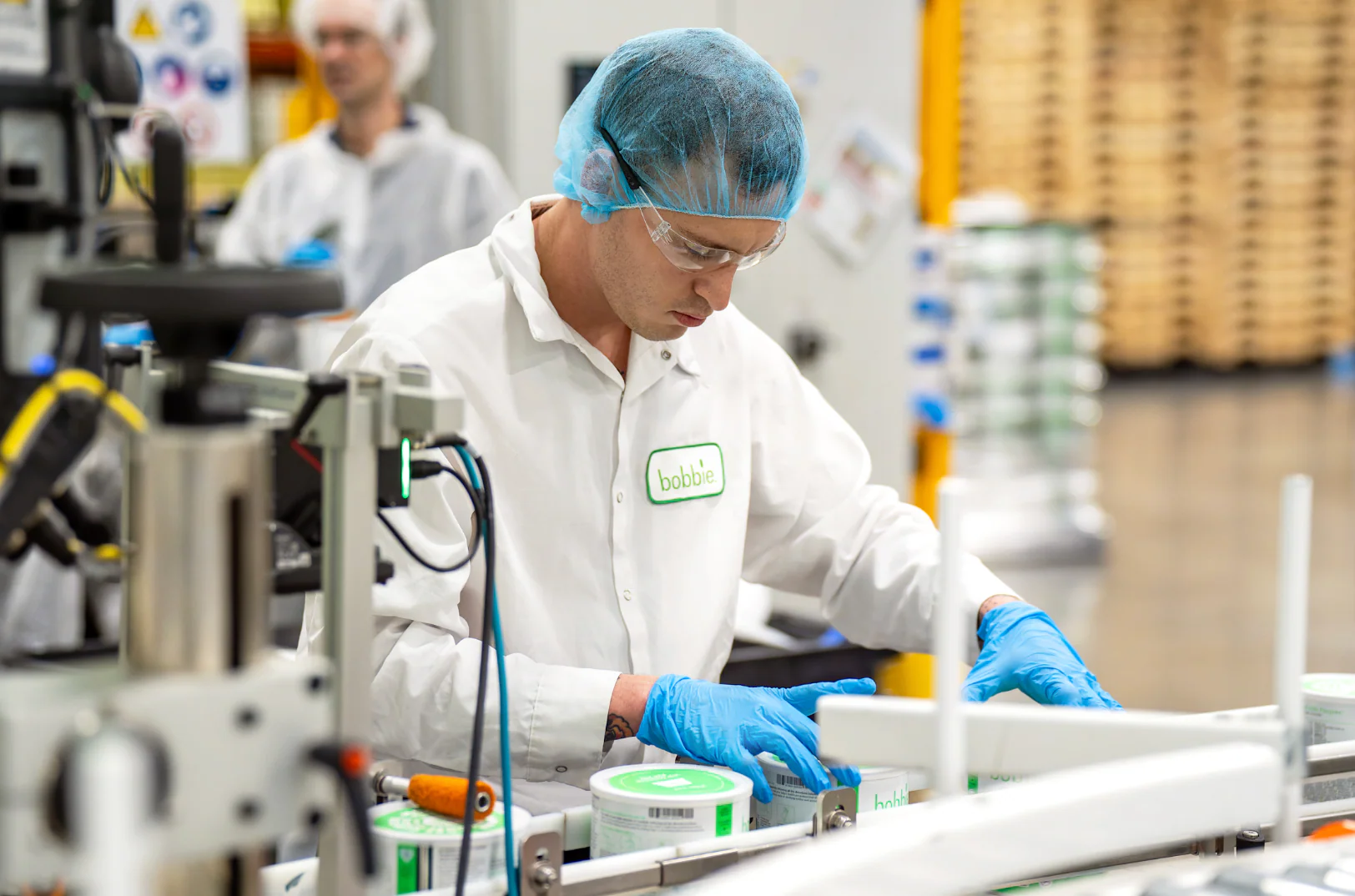
How formula gets from ingredients to a sealed container
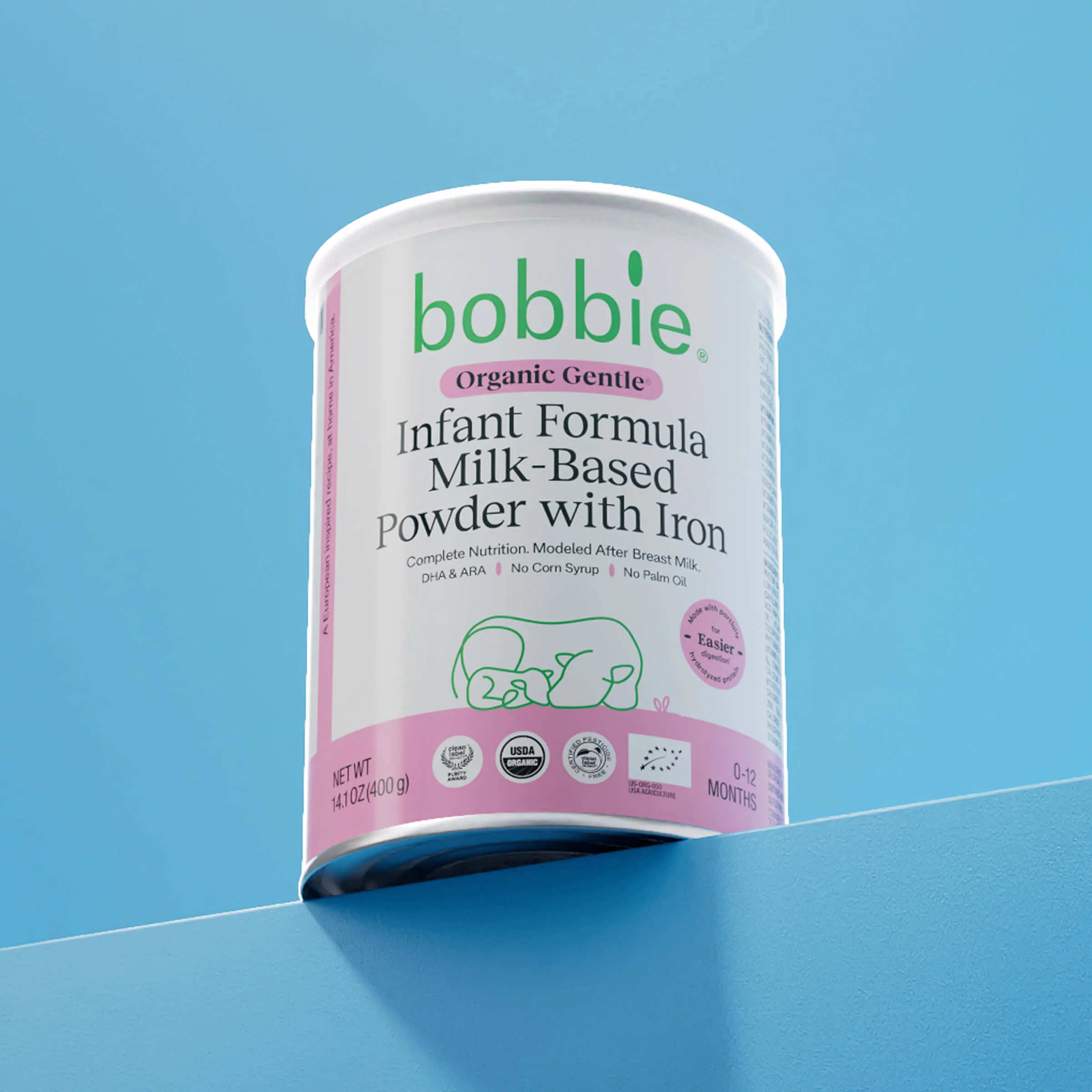
Most infant formula starts with a nutrition design: proteins, carbohydrates, fats, vitamins, and minerals chosen to meet the intended use. Hibobbie Blog says common milk formula ingredients include lactose, vegetable oils, vitamins, minerals, and protein sources from cow’s milk or soy, with variations for standard, organic, and specialty formulas.
For powdered formula, the source describes a typical process: ingredients are selected, blended, heat treated, spray dried into powder, sealed in controlled packaging, and tested before release. Ready-to-feed and concentrated liquid formulas are different formats, but they still depend on controlled production and clear preparation instructions.

This is where manufacturing standards become concrete. Hibobbie Blog reports that U.S. infant formula must include 30 required nutrients, with minimum levels for all and maximum levels for ten. It also says manufacturers must test every batch for Salmonella and Cronobacter, two pathogens that matter especially for powdered formula.
What the 2022 shortage changed for parents
The 2022 formula shortage made supply chains part of the parenting conversation. According to hibobbie Blog, out-of-stock rates reached nearly 74% nationwide at the peak. The source points to several contributing factors, including a major plant shutdown, concentrated production, lean supply chains, and limited import flexibility.
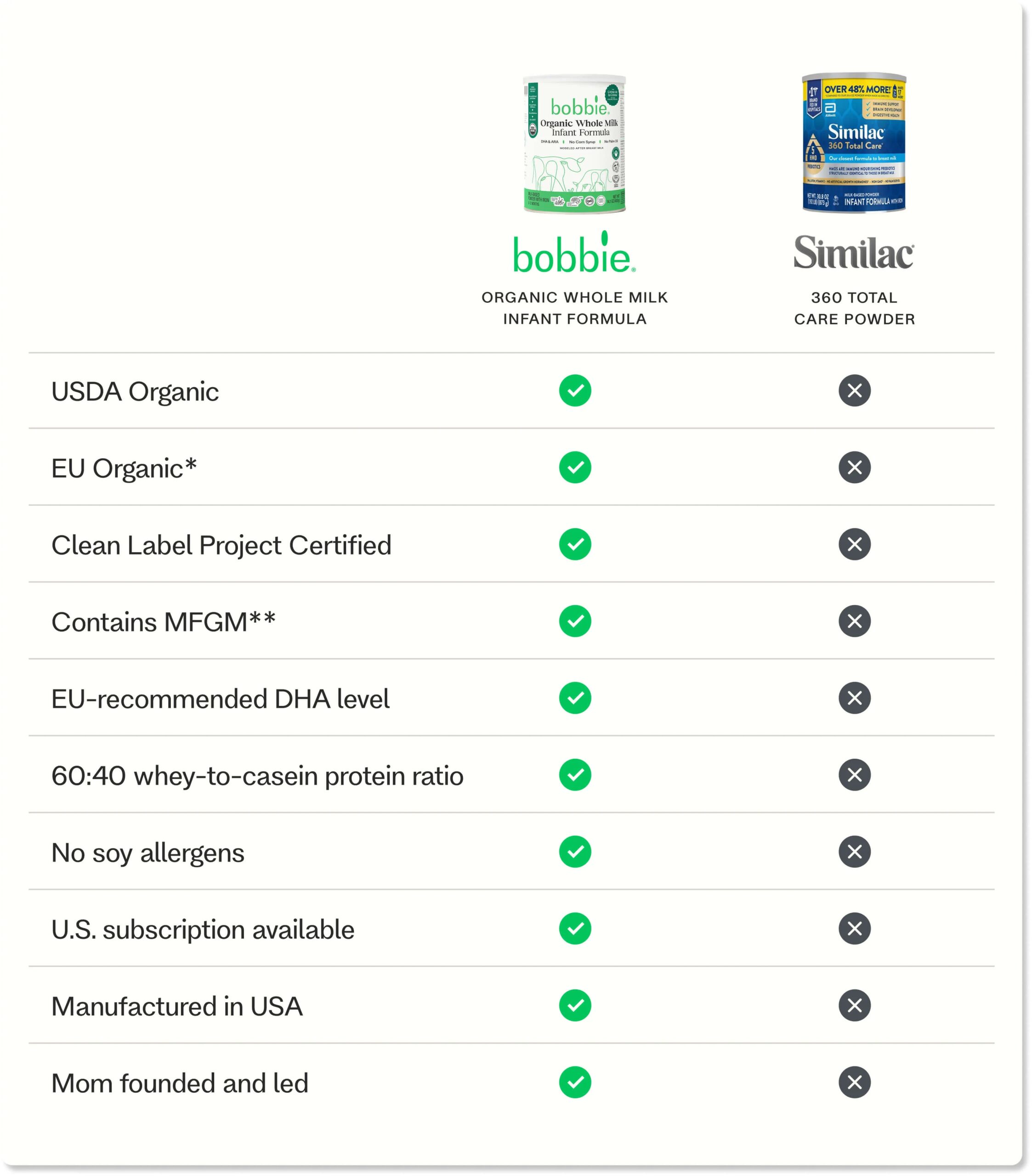
The lesson for families is not that one country is always better than another. It is that reliability depends on how many facilities, suppliers, regulatory pathways, and distribution routes are available when something goes wrong. Hibobbie Blog reports that more than 80% of the U.S. infant formula market is controlled by three companies: Abbott Nutrition, Mead Johnson Nutrition, and Perrigo Company.
Policy can also affect what families can buy. The source says WIC serves about 41% of U.S. infants and accounts for more than half of formula consumption. WIC contracts can reduce costs for families, but the source notes they may also magnify disruption if a contracted supplier has a shortage.
How to evaluate a formula without getting lost
Parents do not need to become supply chain experts to make a reasonable formula choice. The first screen is basic but important: confirm the product is infant formula for babies under 12 months, not toddler milk, a toddler drink, or a follow-on product being used as a substitute.

The second screen is fit. Hibobbie Blog notes that many babies use cow’s milk-based formula, while some may need goat milk, soy, extensively hydrolyzed, or amino-acid-based products with pediatric guidance. Format matters too: powdered, concentrated liquid, and ready-to-feed products can all be used safely when prepared and stored according to the label.
The third screen is sourcing. Formula purchased through unofficial online sellers may not meet the same U.S. safety or labeling expectations, even if it appears similar to a familiar European or international product. If a baby has symptoms such as projectile vomiting, widespread rash, blood or excessive mucus in stool, poor weight gain, or persistent inconsolability, the source advises calling a pediatrician.
A practical way to think about origin
Where baby formula is made matters, but mostly because it helps parents ask better questions: Who regulates it? How is each batch tested? Are the preparation instructions clear? Is the product legally sold for infants in the market where it is being used? Can the family reliably find it again?
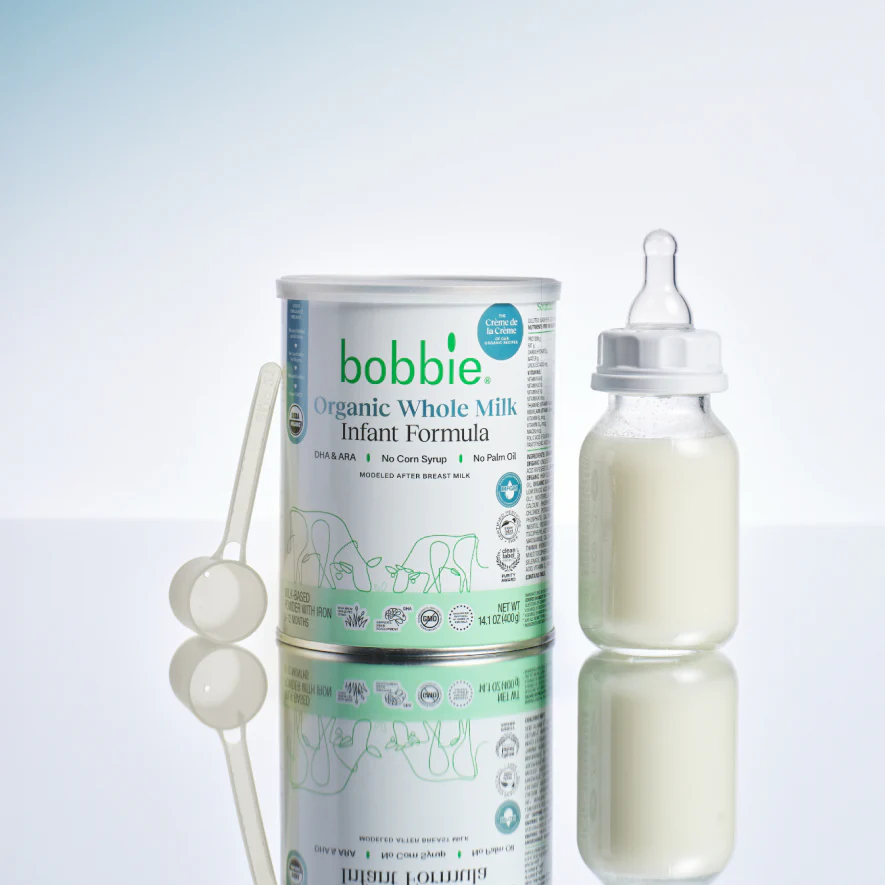
Hibobbie Blog frames U.S. manufacturing as a strength for Bobbie specifically, reporting that Bobbie makes organic infant formula in the United States and puts each batch through more than 2,000 quality and safety checks. That is brand-specific reporting from the source, not a general rule that every domestic product is automatically the right choice for every baby.
The best formula decision is usually the one that combines medical fit, legal oversight, safe preparation, and consistent access. For parents, origin is one clue in that decision, not the whole answer.
Inspired by this post on hibobbie Blog.