

The Realistic Mama frames blogging as a possible path toward extra income, using the example of a stay-at-home mom who started a blog or website to see whether it could earn money online. The available source material is brief, so the useful question is not whether anyone can build a profitable site instantly, but what a quick setup can realistically begin.
This guide separates the source’s claim from the practical decisions a beginner should think through before treating a new blog as a side-income project.
What the source actually reports
According to The Realistic Mama, the writer began a blog or website as a test of whether a regular stay-at-home mom could make money through blogging. The source also says the project later helped provide for the family and made it possible to travel and take time off.
Those are meaningful claims, but the feed excerpt does not include the full setup process, platform choice, costs, timeline to income, traffic numbers, or monetization details. That matters because starting a site and building a dependable income stream are very different milestones.
A quick blog setup is only the starting line
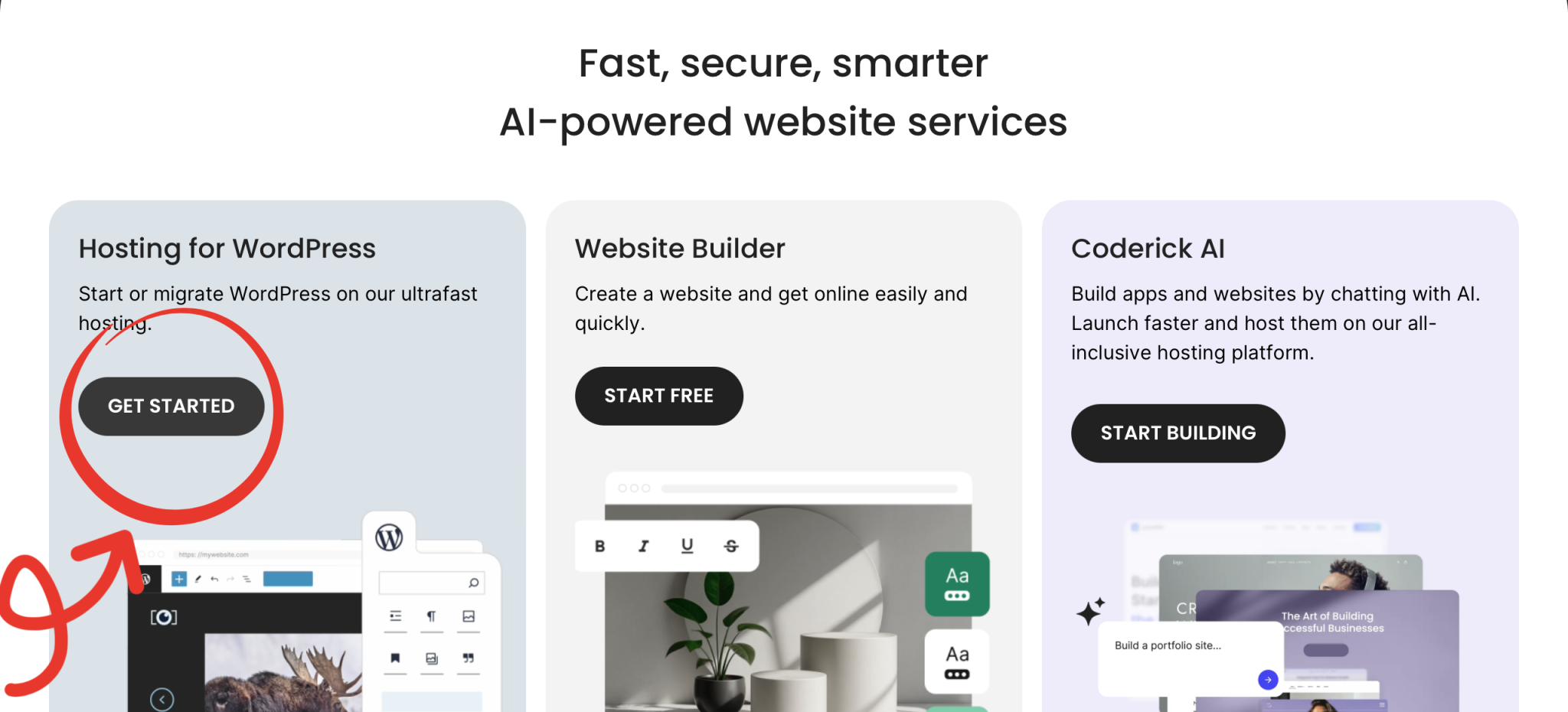
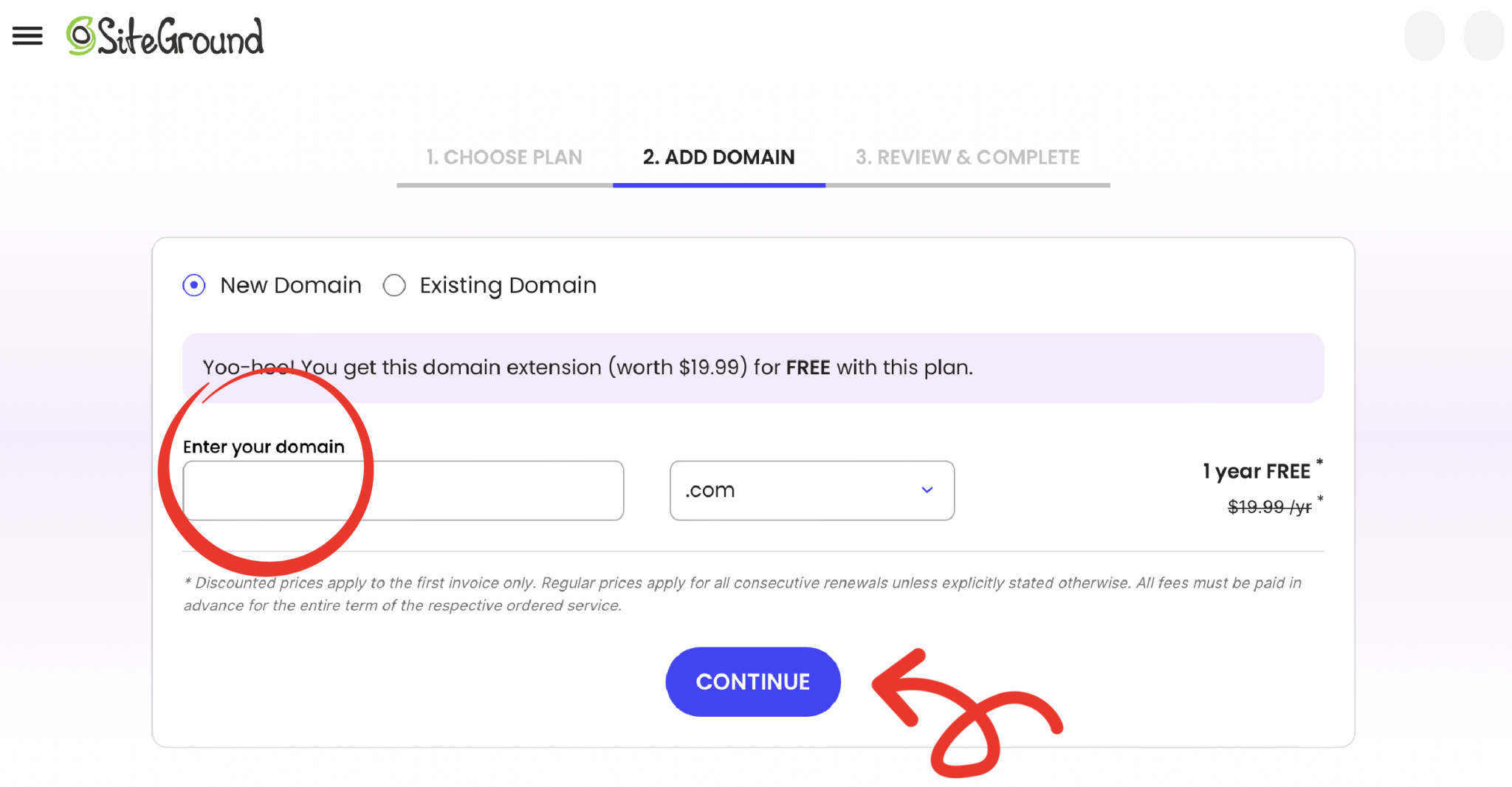
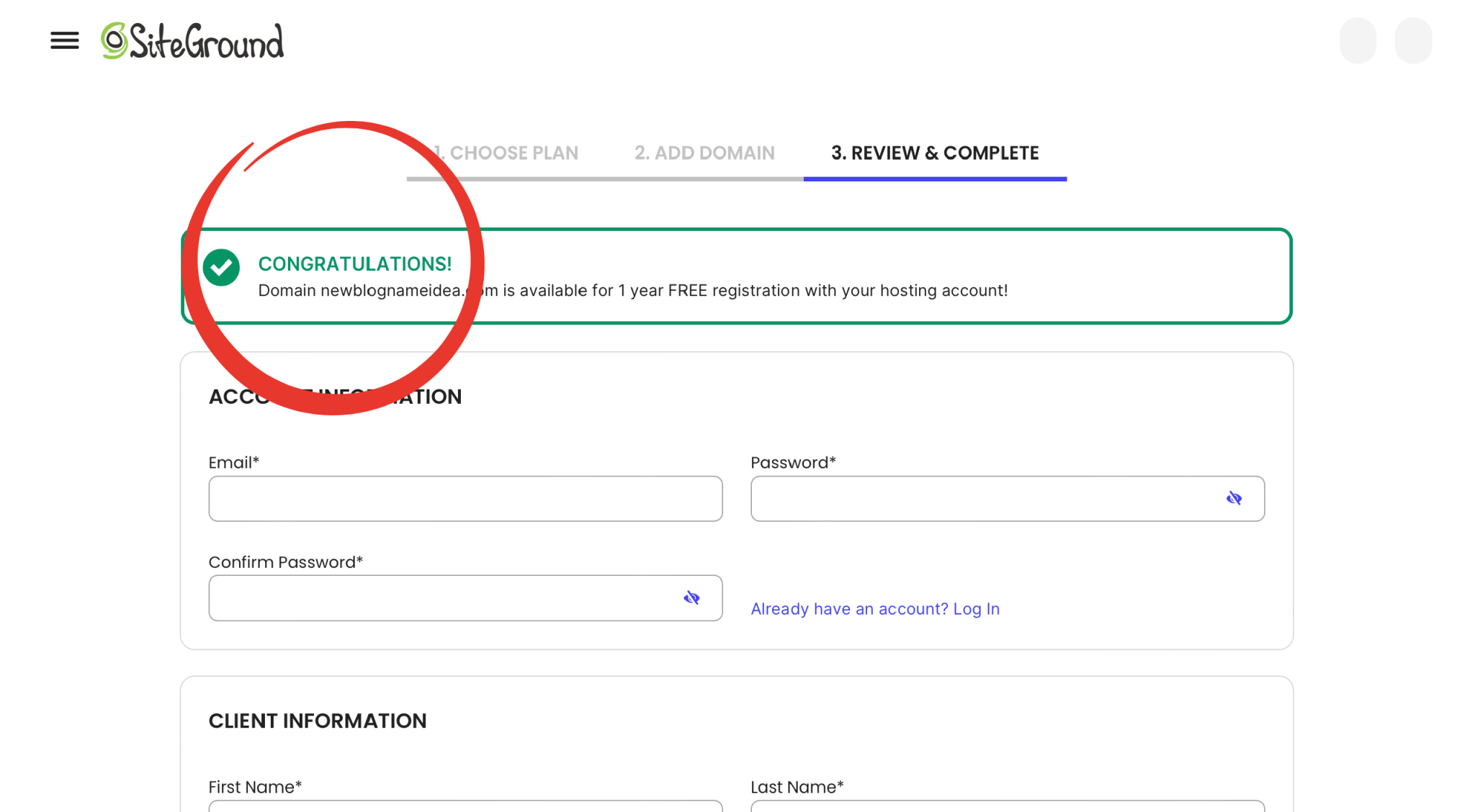
The phrase 15 minutes is best understood as a setup promise, not a business promise. In general, a person can begin a basic blog quickly by choosing a name, selecting a platform or host, installing a theme, and publishing a first page or post. That creates the container for the work.
The harder part comes after launch: deciding what the site is for, who it serves, what problems it solves, and how often it can be updated. A blog that earns income usually needs consistent publishing, a clear reader focus, and some way to convert attention into revenue, such as ads, affiliate recommendations, products, services, or sponsorships. The source excerpt does not say which of those applied in this case.
Key takeaways for a realistic first week
- A fast setup can get a blog online, but it does not prove the idea will earn money.
- The Realistic Mama presents blogging as a project that eventually supported family goals, but the excerpt does not provide a timeline or earnings breakdown.
- Beginners should treat the first week as a planning and publishing phase, not a payday.
- The most useful early work is choosing a focused audience, drafting a few helpful posts, and learning the basic tools.
What beginners should decide before launching
A simple blog can be started with minimal technical knowledge, but it still benefits from a few decisions up front. A new blogger should be able to answer what the site will cover, why a reader would return, and what kind of posts can be produced consistently without burning out.
For parents considering blogging around family life, budgeting, home routines, recipes, activities, or work-life topics, the strongest angle is usually specificity. A broad personal journal can be satisfying, but a reader-focused site tends to be easier to organize. For example, a blog built around solving recurring household or parenting problems gives each post a clearer job.
Where the promise needs caution
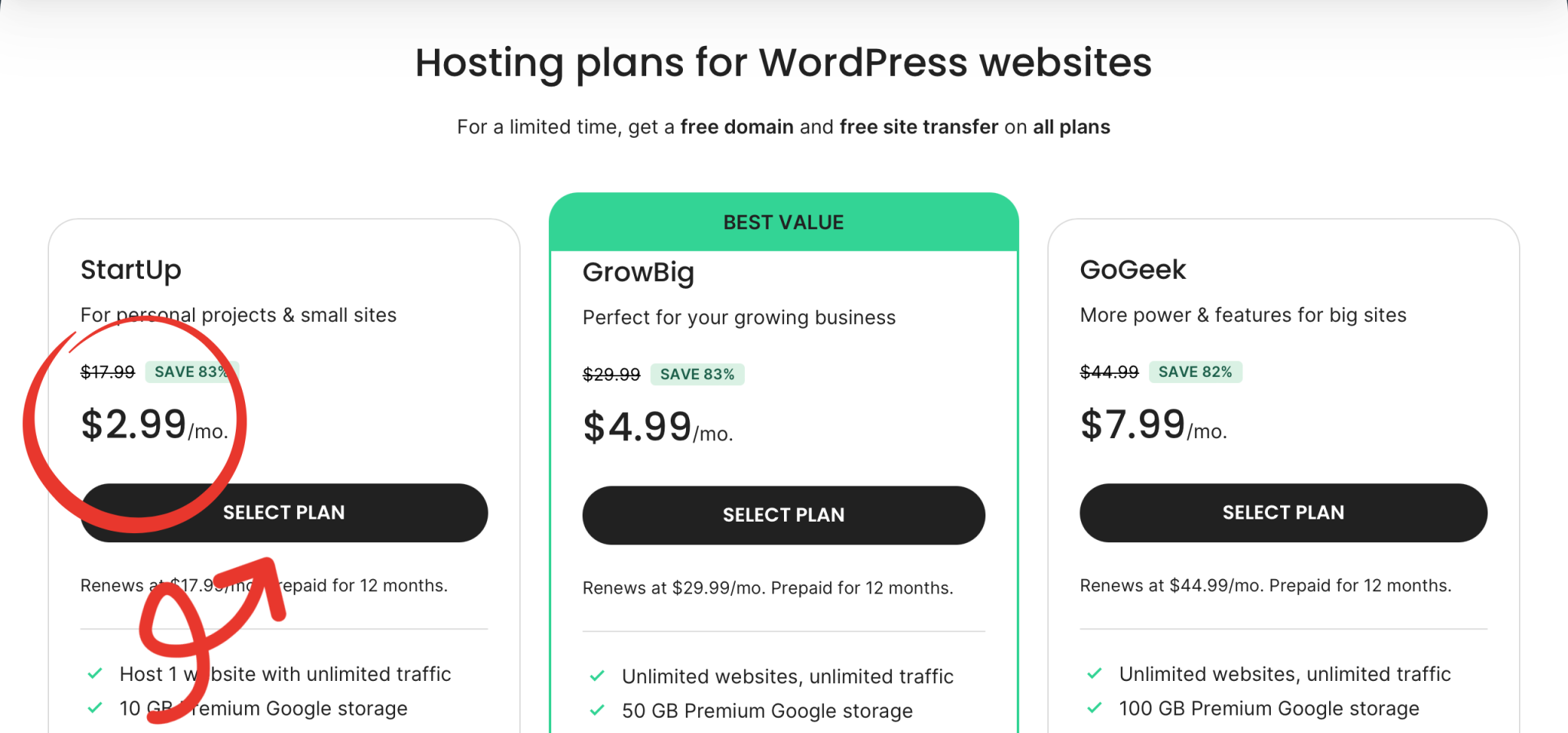
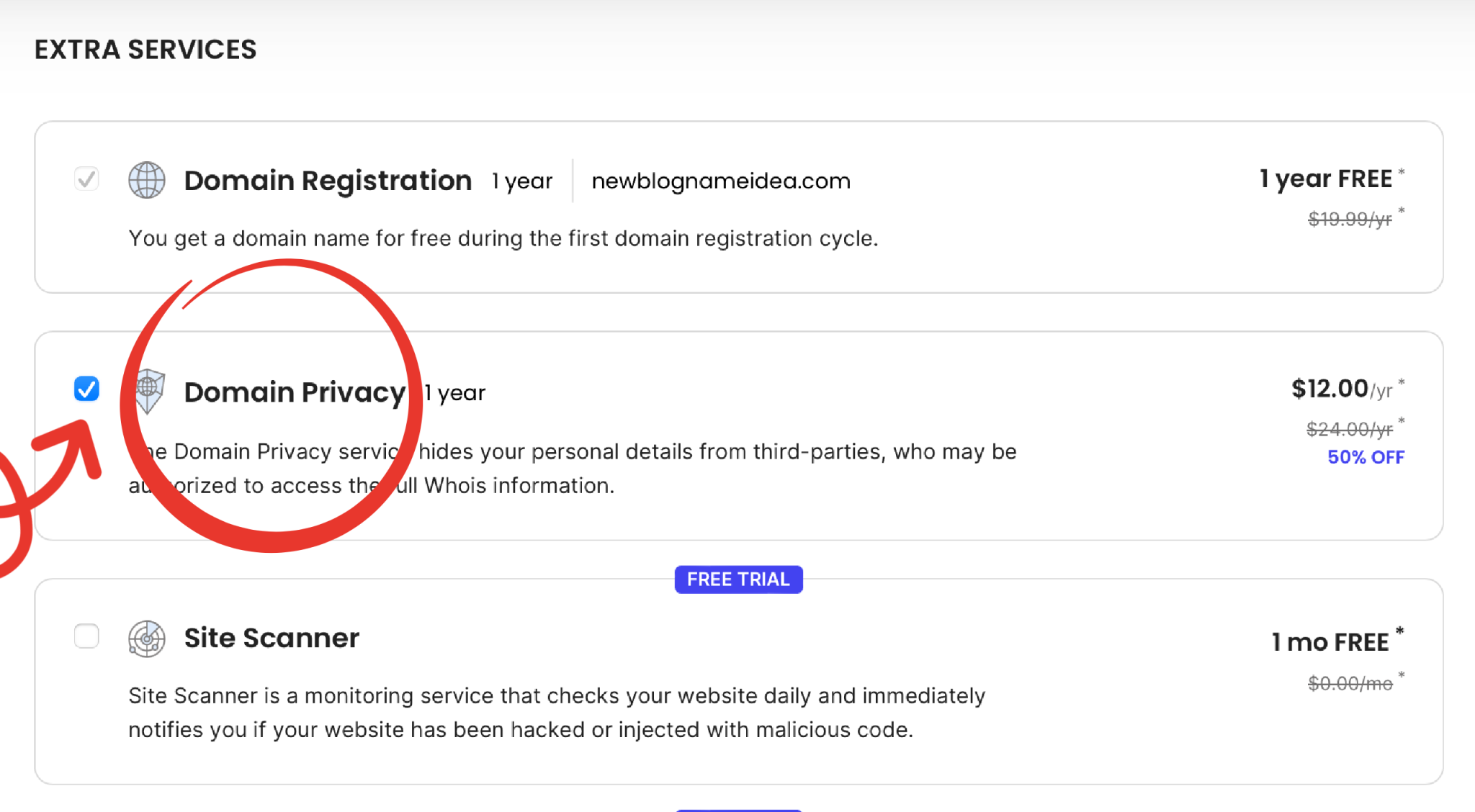
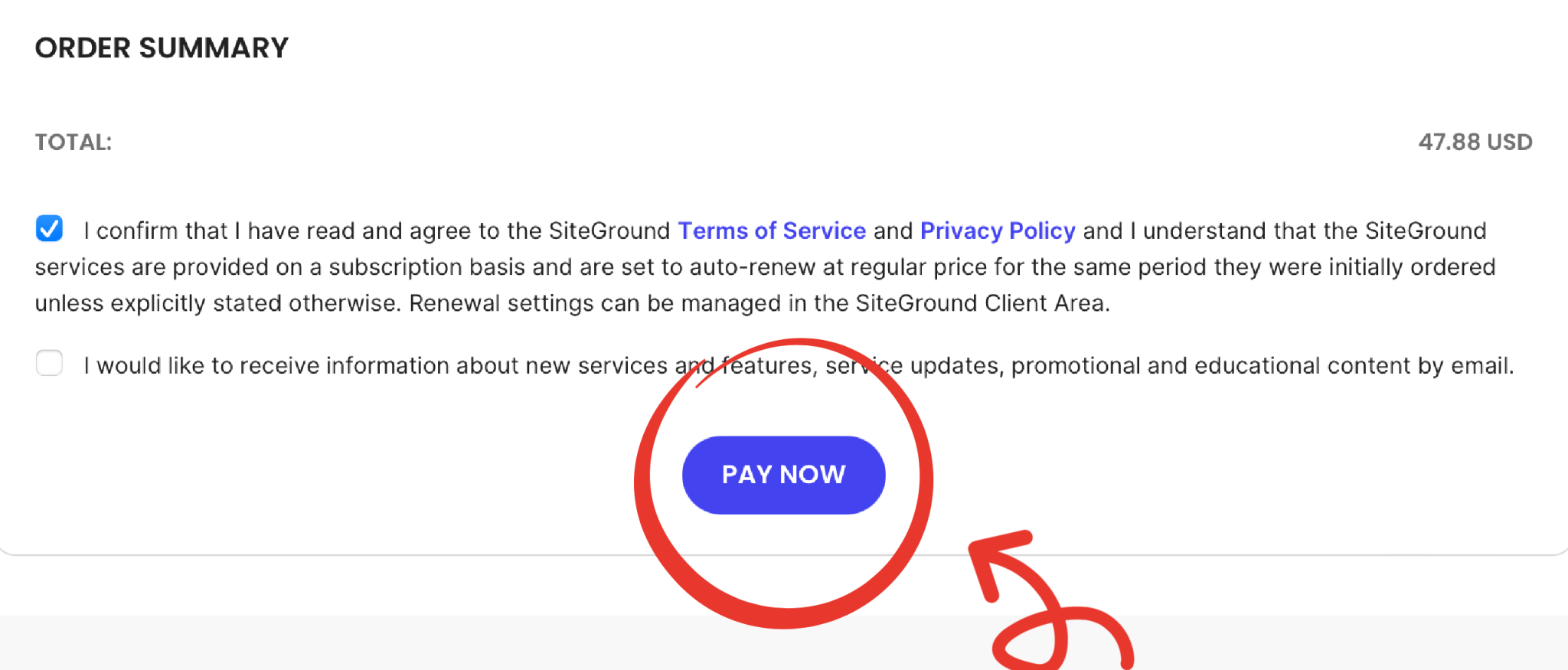
The source’s story is about possibility, not a guaranteed outcome. Blogging can be flexible, which is part of its appeal for parents and caregivers, but flexibility does not remove the need for time, learning, editing, promotion, and patience. There may also be upfront costs depending on the platform, domain, hosting, email tools, or design choices a person selects.
A sensible approach is to start small: publish a handful of genuinely useful articles, learn how the site works, and evaluate whether the topic has enough depth to sustain regular writing. If the project starts to attract readers, monetization can be considered with more information and less pressure.
The realistic value of a quick blog setup is that it lowers the barrier to beginning. The income question comes later, after the site has a purpose, a reader, and enough useful content to earn attention.
Inspired by this post on The realistic mama.