A pacifier can feel like a small thing until bedtime turns difficult. For many babies, sucking is calming, and parents naturally want to know whether using a pacifier during sleep is safe.
Drawing on guidance reported by Newton Hush, the answer is generally yes, with important limits: the pacifier should be clean, age-appropriate, unattached, and used in a safe sleep space.
The Short Answer For Bedtime
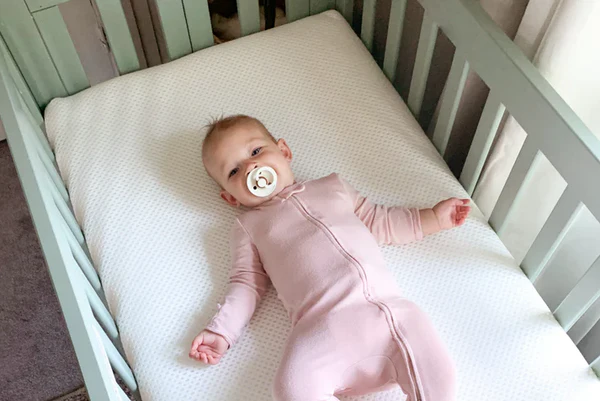
According to Newton Hush, babies can usually sleep with a pacifier when it is used correctly. The source notes that major health organizations, including the American Academy of Pediatrics, recommend pacifier use for sleep with proper precautions, especially avoiding clips, ribbons, or other attachments.
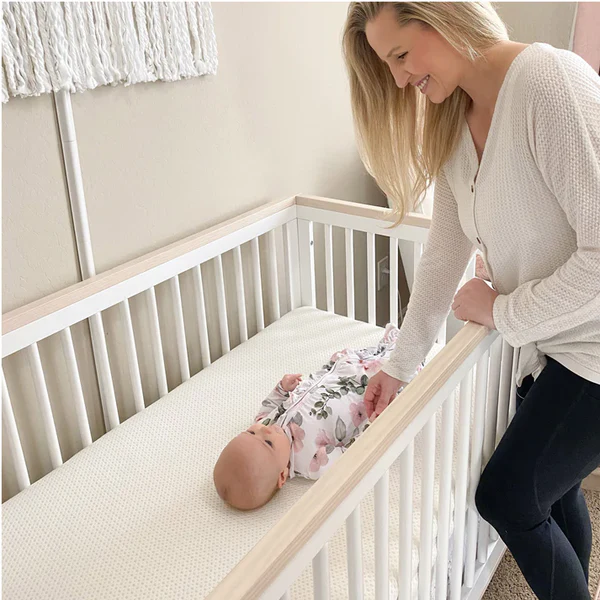
The safety question is not only about the pacifier itself. It is also about the whole sleep setup: baby on a safe sleep surface, no loose bedding, no stuffed animals, and no accessories that could create a choking or strangulation risk.
Key Takeaways
- A pacifier at sleep time is generally considered safe when used without attachments.
- Breastfed babies may need to wait until nursing is established, which Newton Hush places around three to four weeks.
- If the pacifier falls out and the baby stays asleep, there is no need to replace it.
- Ongoing, heavy use can bring tradeoffs, including sleep disruption, ear infection concerns after six months, and dental issues later on.
Why A Pacifier May Help Sleep
Newton Hush frames pacifier use as a way to work with a baby’s natural sucking reflex. Sucking can be soothing, which may help some infants settle at bedtime or return to sleep after normal overnight wakeups.
The source also points to another practical benefit: a pacifier is easier to phase out than thumb-sucking. Parents can control when and where a pacifier is offered, while a thumb is always available to the child.
That does not mean every baby needs one. Some babies refuse pacifiers or spit them out, and the safer response is to respect that rather than force it back into the mouth.
The Tradeoffs Parents Should Watch
The biggest early concern is feeding. Newton Hush says introducing a pacifier too soon may interfere with breastfeeding because sucking on a pacifier and nursing use different mouth movements. The source reports that many experts suggest waiting until breastfeeding is well established, usually around three to four weeks. Formula-fed infants, according to the source, can be offered a pacifier right away.
Pacifiers can also create a sleep association. If a baby wakes each time the pacifier falls out, parents may end up replacing it repeatedly through the night. That is not necessarily unsafe, but it can make sleep more fragmented for everyone.
Newton Hush also flags two longer-term concerns: continuous use may raise the risk of middle ear infections after six months, and use beyond the toddler years can contribute to dental alignment problems. The source specifically cautions about use past the second birthday and especially past the fourth.
A Simple Bedtime Safety Check
Before offering a pacifier at night, parents can treat it like any other sleep item and check whether it belongs in the crib. Newton Hush recommends cleaning it, confirming that the size matches the baby’s age, and inspecting it for cracks, weakness, or bite damage.
The pacifier should be offered on its own. Clips, strings, ribbons, stuffed toys, and similar attachments may be convenient during supervised daytime use, but they do not belong in an unsupervised sleep space.
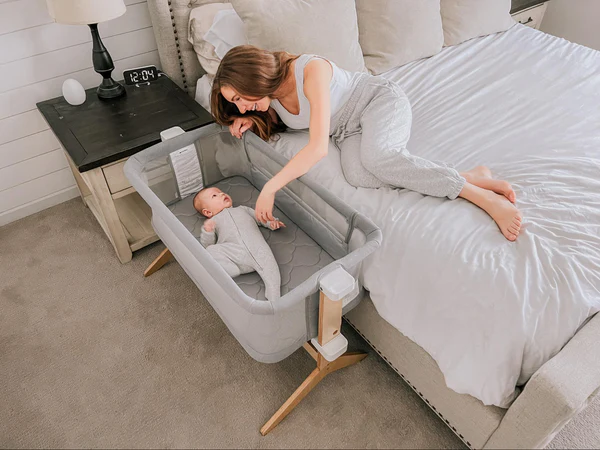
Backups can help, but Newton Hush suggests keeping them nearby rather than loose in the crib. If the baby drops one and wakes upset, a clean replacement is easier to find. If the baby keeps sleeping after it falls out, leave things alone.
When To Phase Out The Habit
Newton Hush reports that many children outgrow pacifiers between ages two and four, but says phasing out between 18 and 24 months may make the transition smoother. That timing also helps avoid the later dental concerns the source describes.
A gradual approach is usually easier than an abrupt one. The source suggests narrowing use to the crib, skipping some nights, and slowly reducing how often the pacifier is offered. Books about saying goodbye to the pacifier or switching to less appealing styles may also help a child adjust.
The practical goal is not to make the pacifier a problem or a prize. Used thoughtfully, it can be a short-term sleep tool that eventually gives way to other routines, comfort objects, and self-soothing skills.
Inspired by this post on Newton Hush.