
A useful baby registry is not just a product checklist. Across the source articles, the strongest pattern is that parents are weighing two decisions at once: what they will use every day, and which registry or rewards programs make those purchases easier to manage.
The practical takeaway is to build from daily needs first, then compare perks such as welcome boxes, completion discounts, return policies, loyalty rewards, and retailer convenience around that core list.
Start With Repeated Daily Needs, Not Registry Noise
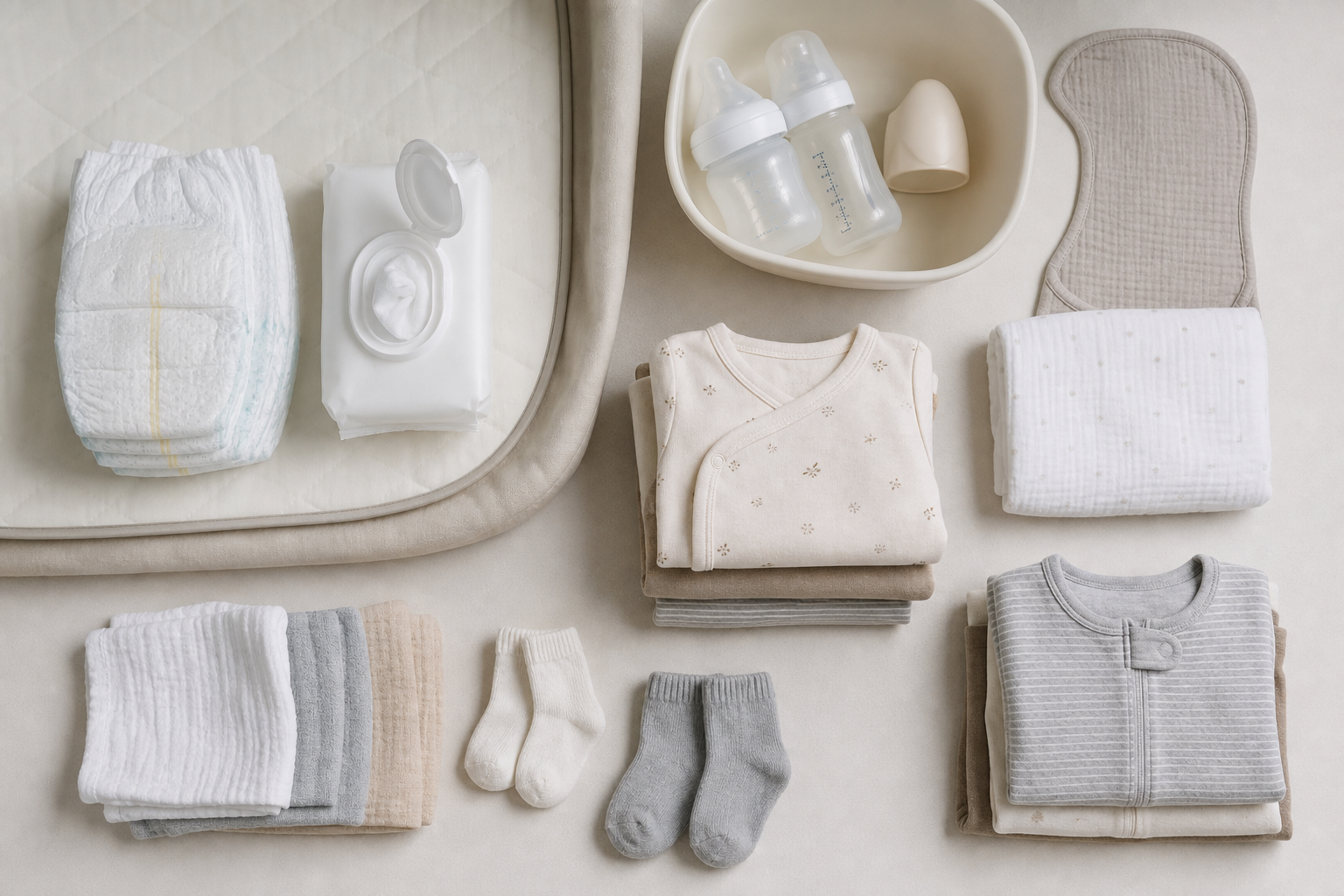
Several source articles point back to the same foundation: the best registry choices are the ones that support recurring routines after the baby arrives. The feeding and soothing article focuses on bottles, sterilizers, and pacifiers as small decisions that can affect feeding, cleanup, and comfort. The Pampers registry article takes the same practical angle for diapers and wipes, describing them as everyday essentials that can help parents feel more prepared in the early weeks and months.
That shared emphasis is useful because it separates true essentials from attractive extras. A registry can become crowded quickly, but the sources most strongly support prioritizing categories that will be used repeatedly: feeding supplies, cleaning or sterilizing support, soothing items, diapers, and wipes.
Registry Platforms Should Be Compared by Usefulness

The article on favorite baby registries frames the choice of retailer as more than a place to collect gift ideas. It reports that parents may want to compare completion discounts, welcome boxes, return policies, and other extras before signing up. The Target review narrows that broader comparison to one retailer, focusing on whether Target’s registry feels simple, practical, and worth recommending for new parents.
Taken together, those pieces suggest a practical evaluation method: choose the registry host after checking whether the retailer carries the products parents actually want, whether gift-givers can shop easily, and whether the available benefits fit the family’s budget and timeline. A generous perk is less useful if the core product selection or shopping experience is not a good fit.
Welcome Boxes Are Helpful Bonuses, Not the Whole Decision
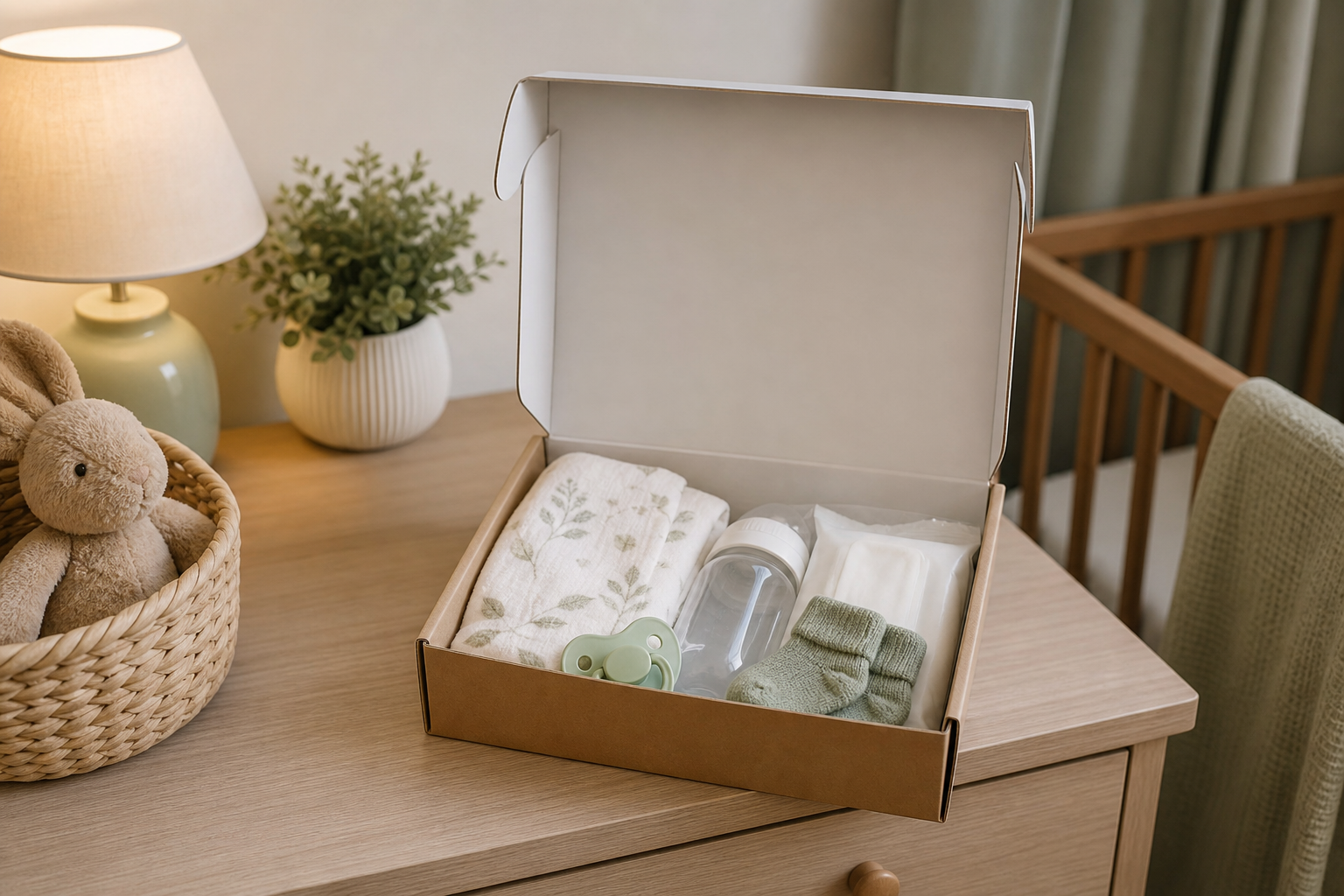
The welcome box article reports that free baby registry welcome boxes can make it easier to compare retailers when the options start to blur together. It presents the box as a bonus for parents who are already planning to create a registry, not as the only reason to choose one.
That distinction matters. A welcome box may introduce parents to useful samples or make one retailer feel more appealing, but the broader registry article places welcome boxes alongside completion discounts, return policies, and other benefits. In synthesis, welcome gifts are best treated as one comparison point inside a larger decision about convenience, product fit, and post-purchase flexibility.
Rewards Programs Add Value Around Ongoing Purchases

The BabyCenter Rewards article adds a different angle: value does not end when the registry is created. It describes BabyCenter Rewards as a loyalty program connected to parenting purchases, everyday essentials, recommendations, and helpful resources. While the registry articles focus on setup decisions, the rewards piece focuses on the continuing rhythm of parenting purchases.
This is where registry planning and product perks overlap. Diapers, wipes, bottles, pacifiers, and other basics are not one-time considerations for many families. A rewards program may be most relevant when it supports purchases parents would already make, rather than encouraging extra buying just to chase benefits.
Key Takeaways
- Build the registry around repeated routines first: feeding, sterilizing, soothing, diapering, and wiping.
- Compare registry platforms by product selection, gift-giver ease, completion discounts, welcome boxes, return policies, and other practical extras.
- Treat welcome boxes as useful bonuses, not as the main reason to choose a registry.
- Look at rewards programs through the lens of purchases parents already expect to make.
- Use retailer-specific reviews, such as the Target registry article, to check whether a platform’s convenience matches the family’s needs.
A Smarter Way to Decide What Belongs on the List
The sources collectively point to a balanced registry strategy: practical products first, perks second, and retailer choice third. Parents can start by listing the daily-use categories they expect to rely on, then check which registry platform makes those items easiest to add, share, receive, return, or replenish.
That approach keeps the registry grounded. Perks such as welcome boxes and loyalty rewards can still matter, but they work best when they support a list built around real household routines rather than replacing the decision-making process.
References
- diapr.ai Blog — 6 Baby Registry Must-Haves for Feeding and Soothing
- diapr.ai Blog — BabyCenter Rewards: A Smart Loyalty Perk for Parents
- diapr.ai Blog — Best Baby Registry Welcome Boxes to Claim in 2024
- diapr.ai Blog — Best Baby Registries: My Favorite Places to Start
- diapr.ai Blog — My Honest Target Baby Registry Review for New Parents
- diapr.ai Blog — 7 Pampers Baby Registry Essentials New Parents Will Love