Body confidence is often treated as something people grow into naturally. The My Baba source suggests a more complicated reality: women can reach their 30s and 40s and still feel pressure from beauty standards, self-worth struggles and old patterns of comparison.
Using the reported focus of a Parental Control podcast conversation between Ellie Thompson and eating disorder specialist Elle Mace, this article looks at why body image can remain difficult in adulthood and what a more useful, less self-critical frame can look like.
Age Does Not Automatically Rewrite Body Image
According to My Baba, the episode centers on a problem many women recognize: getting older does not necessarily make a person less vulnerable to appearance pressure. Confidence may improve in some areas of life, while the body can still feel like a place where criticism gathers.
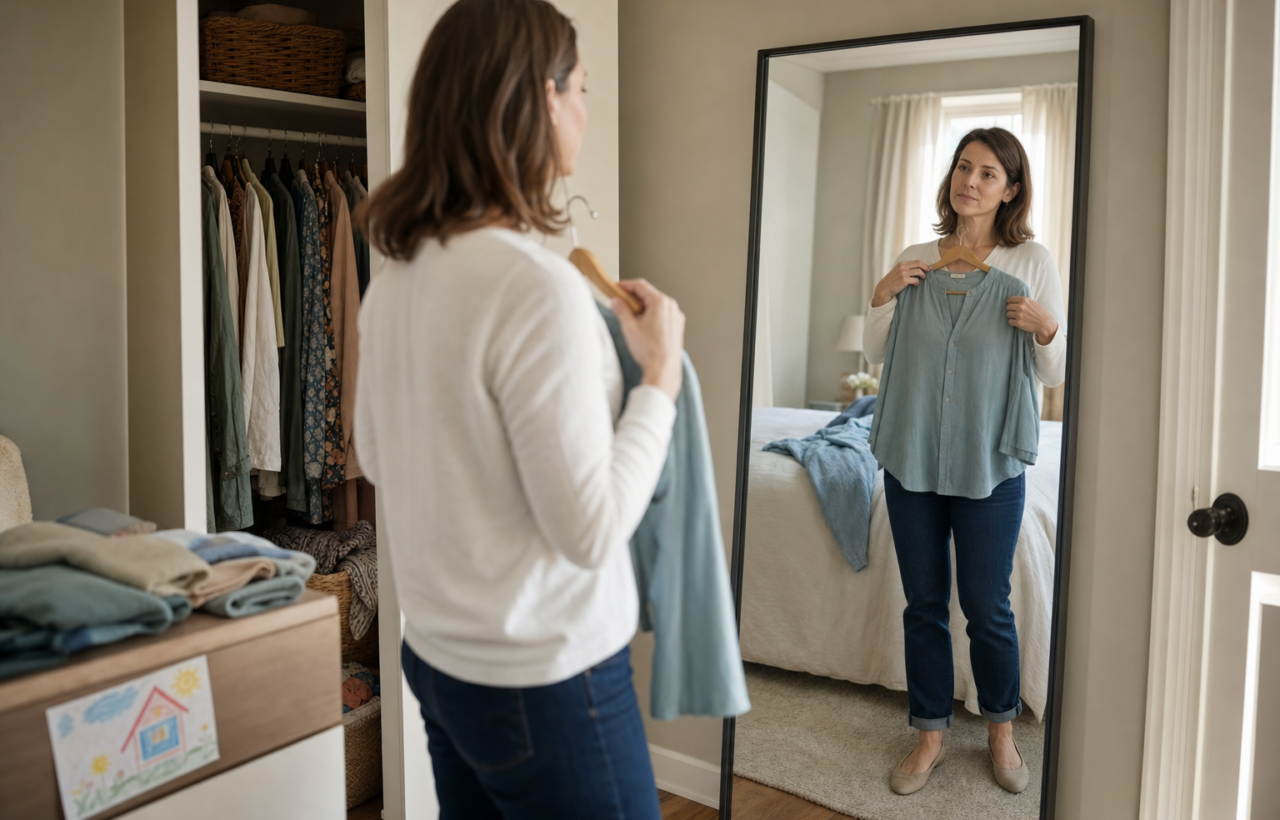
That matters because adult body image is not only about appearance. It can affect how someone dresses, socializes, exercises, speaks to themselves and participates in family life. A woman may be competent, experienced and caring in every visible way, yet still carry a private belief that her body is failing some standard.
Why The Pressure Can Feel Different In Your 30s And 40s
The source specifically points to women in their 30s and 40s, a stage when appearance pressure can become layered with other roles and expectations. Some people are parenting, managing work, recovering from major life changes, or adjusting to a body that no longer responds exactly as it once did.
It is also a period when cultural messages can be contradictory. Women are often encouraged to be self-accepting, but also to remain youthful, toned, polished and in control. The result is a difficult double bind: feel confident, but only after meeting a narrow version of what confidence is supposed to look like.
General context is useful here: body image is shaped by repeated messages, habits and social comparisons, not by one single moment. If someone has spent years measuring herself against unrealistic ideals, those patterns may not disappear just because she has reached a new decade.
Self-Worth Is The Deeper Issue
My Baba describes the episode as exploring confidence, self-worth and unrealistic beauty standards. Those ideas are connected, but they are not identical. Confidence can fluctuate from day to day. Self-worth is more fundamental: it is the sense that a person has value even when her body changes, ages or does not match an ideal.
When body image becomes tied to self-worth, ordinary changes can feel like personal failures. Clothes fitting differently, photographs, comments from others or social media posts can become evidence in an inner argument. A healthier frame separates body observations from moral judgment.
That does not mean dismissing real distress. For some people, body image struggles are persistent, painful and linked to disordered eating or other mental health concerns. In those cases, support from a qualified professional is more appropriate than simple reassurance or generic advice.
Key Takeaways
- My Baba reports that the podcast episode features Ellie Thompson speaking with eating disorder specialist Elle Mace about body image after 30.
- The topic is not just appearance; the source frames it around confidence, self-worth and unrealistic beauty standards.
- Women in their 30s and 40s may still struggle because long-held appearance pressures do not automatically fade with age.
- A more constructive approach starts by separating body changes from personal value.
What A More Useful Conversation Can Do
The value of a conversation like the one My Baba highlights is that it can make body image less private and less shameful. Naming the issue matters. It allows people to see that struggling with body confidence in adulthood is not a sign of immaturity or weakness.
For parents, the subject can also carry extra weight. Adults may want to model a healthier relationship with food, movement and appearance, while still working through their own inherited messages. That tension is real, and it is one reason the topic belongs in parenting and family conversations rather than being treated as a purely personal insecurity.
The practical aim is not instant self-love. A steadier goal is reducing the authority of unrealistic standards, noticing harsh self-talk sooner and making room for body neutrality, care and support where needed. Confidence after 30 may not arrive automatically, but it can become less dependent on meeting rules that were never realistic in the first place.
Inspired by this post on My Baba.