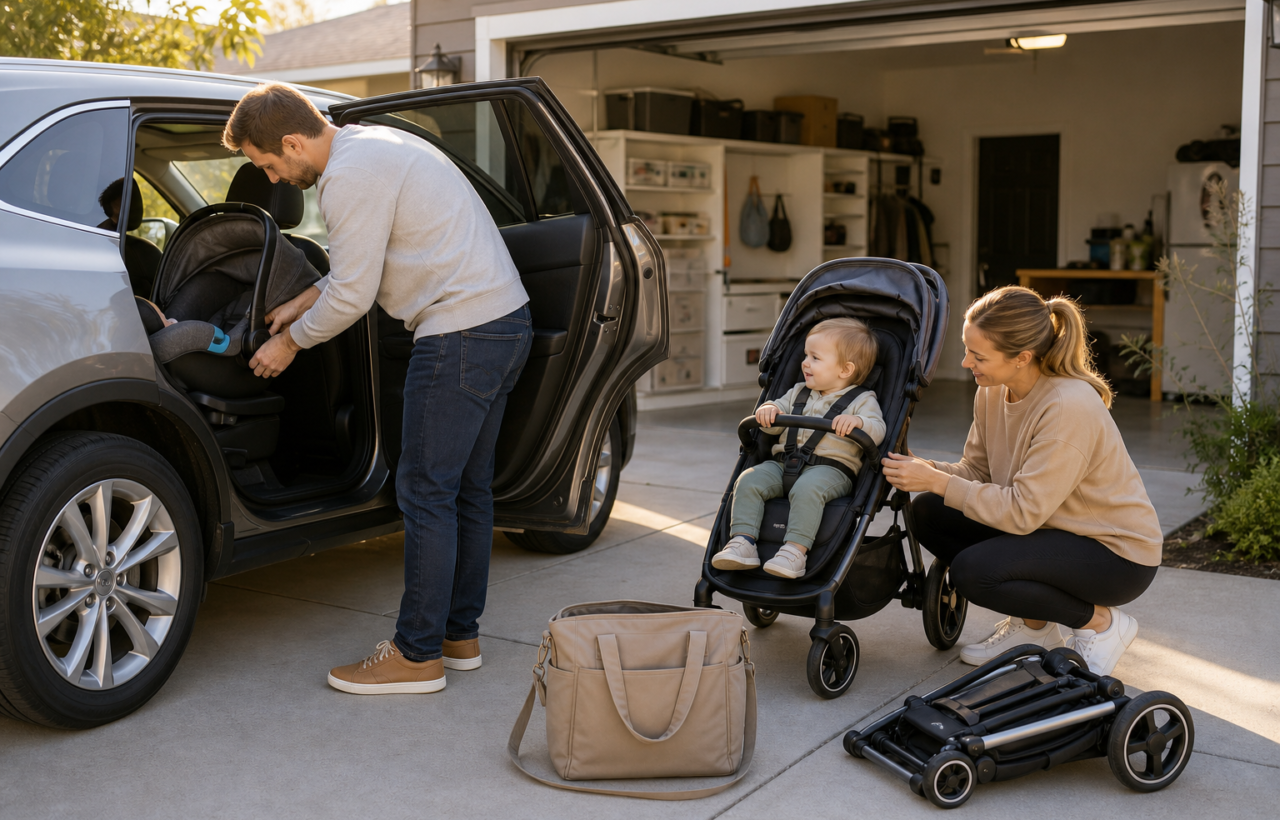
Growing families often face two connected gear decisions: whether a car seat and stroller combo will simplify the newborn stage, and whether a convertible stroller can keep working as one child becomes two passengers.
The two diapr.ai source articles cover different parts of that decision. One focuses on travel systems for car-to-stroller transitions, while the other examines convertible strollers as a way to adapt from one-child routines to two-child logistics. Taken together, they point to a practical rule: the best setup is the one that fits the family’s real movements, storage limits, caregivers, and safety needs.
The Decision Starts With Timing, Not Product Labels
The car seat and stroller combo article describes a travel system as a pairing of an infant car seat and compatible stroller, usually so the car seat can attach to the stroller without moving the baby. That setup is most relevant during the infant stage, when short trips, appointments, errands, weather, parking lots, and naps can all overlap.
The convertible stroller article looks further ahead. It frames the category as a bridge for families whose needs may change, especially when a stroller may need to carry one child now and two little passengers later. That makes timing central: a travel system solves early transitions between vehicle and stroller, while a convertible stroller aims to handle changing passenger needs over a longer period.
Those goals can overlap, but they are not identical. A family expecting a first baby may prioritize smooth newborn transfers. A family planning for, expecting, or already managing a second child may need to know whether the stroller still folds, steers, stores, and feels usable when configured for more than one rider.
Key Takeaways
- Use travel system roundups as a way to narrow choices, not as a substitute for checking vehicle fit, storage, and daily use.
- Judge convertible strollers by how they work as both a single stroller and a two-passenger setup.
- Keep car seat safety separate from stroller convenience: correct installation and correct use come first.
- Hands-on testing can reveal folding, steering, lifting, and connection issues that product descriptions may miss.
- The right choice should reduce repeated friction, not add a heavier or more complicated system to family routines.
Map the Family Routine Before Comparing Features
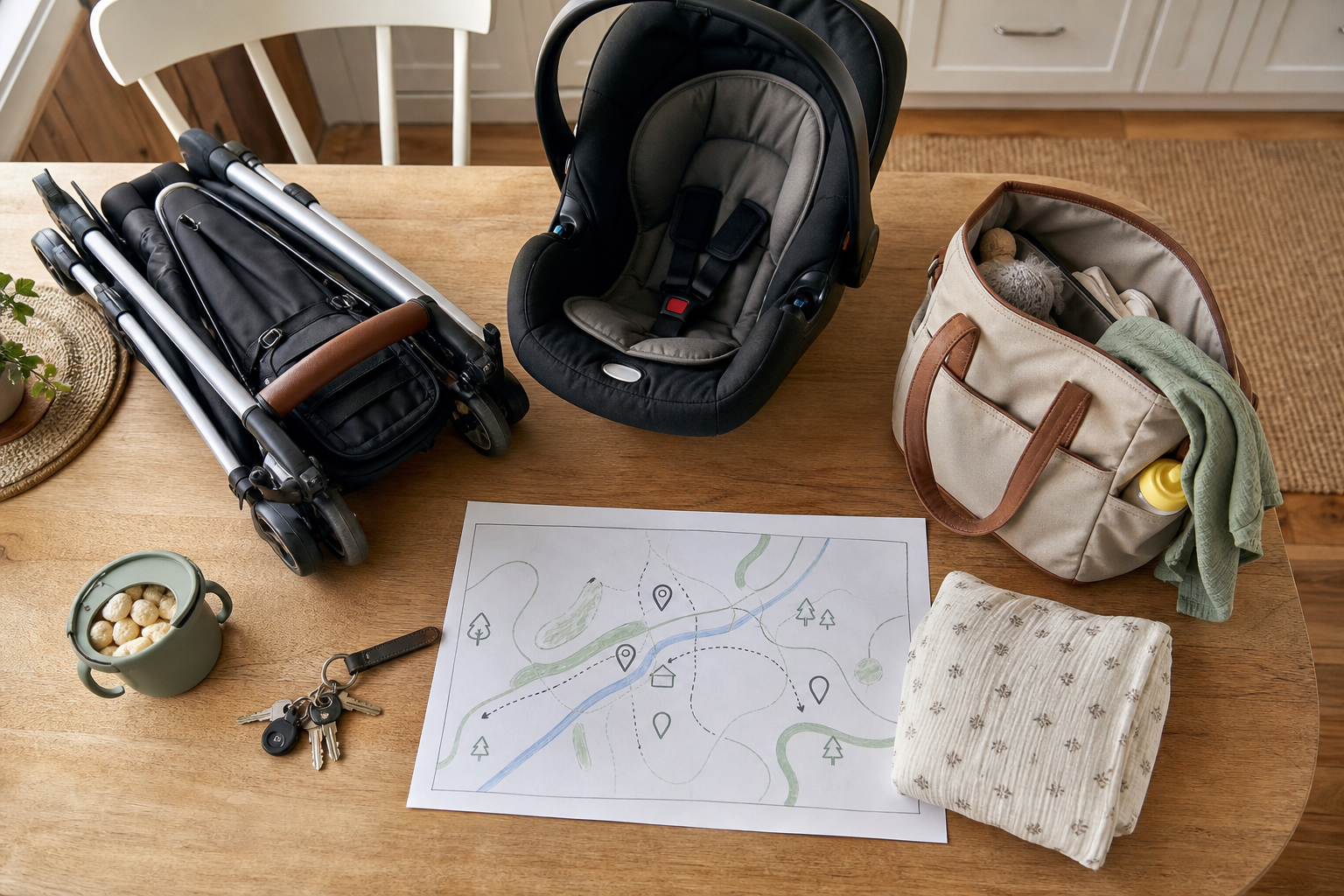
Both source articles put the family’s normal week ahead of any universal ranking. The combo article notes that a household that mostly drives to short appointments may care about quick folding, manageable car seat weight, and trunk storage, while a walking-focused family may emphasize wheels, handling, basket space, and weather coverage.
The convertible stroller article applies the same logic to two-child life. It highlights errands, daycare drop-offs, transit, car loading, storage, nap timing, elevators, sidewalks, and vehicle trunks as practical constraints that can make a flexible-looking stroller either helpful or frustrating.
A useful pre-shopping checklist is therefore less about brand preference and more about the jobs the system must do:
- Where the stroller will be stored at home.
- Whether it needs to fit in a trunk, elevator, hallway, closet, or daycare storage area.
- How often the family will move between car seat and stroller.
- Whether the stroller will usually carry one child or two.
- Which caregiver will lift, fold, install, push, and adjust the gear most often.
- Which surfaces matter most: sidewalks, parking lots, transit routes, parks, or travel days.
This approach prevents overbuying. A stroller can have many configurations and still be the wrong fit if it is too bulky for storage, too heavy for the person lifting it, or too awkward for the routes the family actually uses.
Compatibility Has Two Meanings
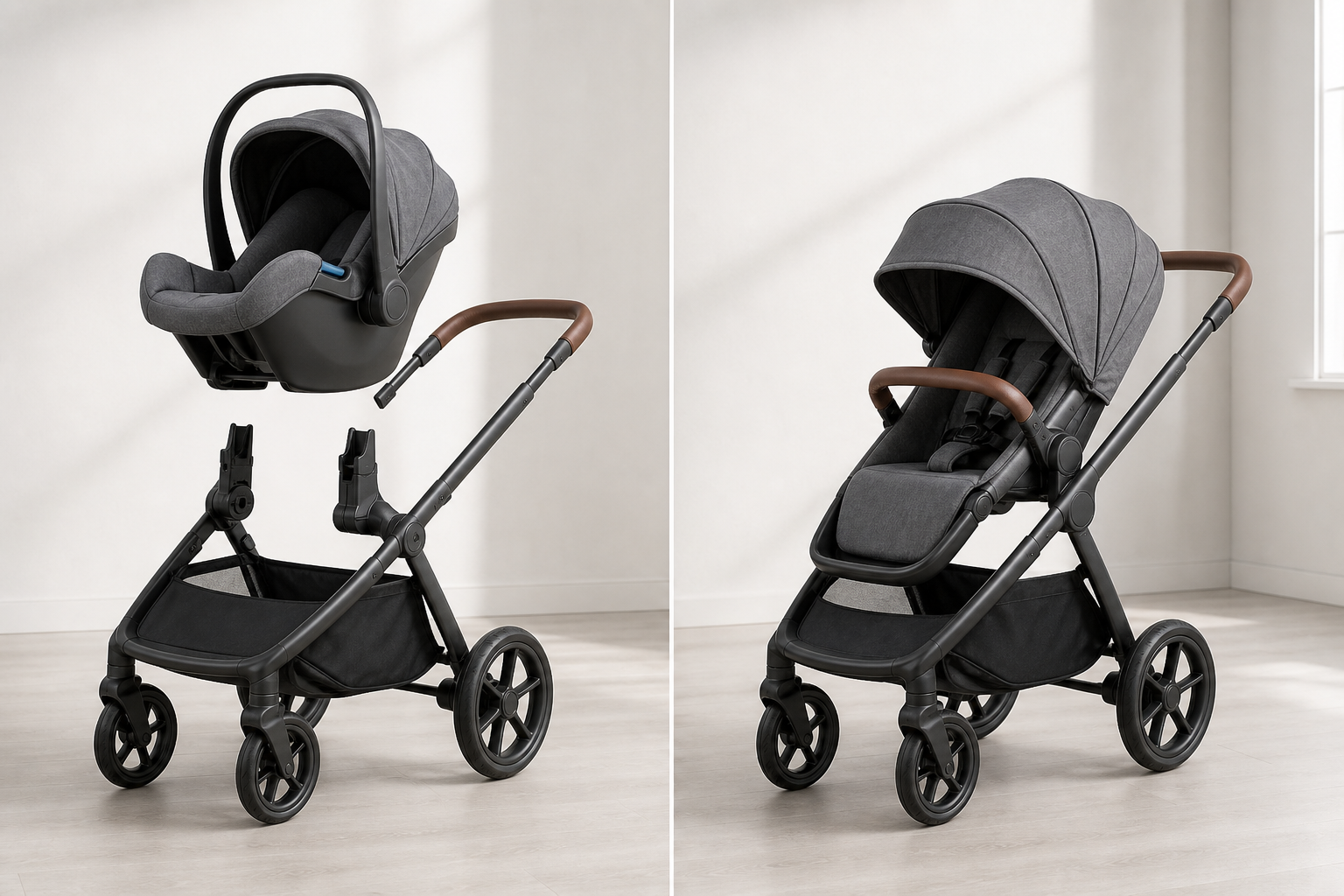
The combo article treats compatibility as more than the promise that a car seat clicks into a stroller. The pieces need to be intended to work together, but the system also has to work in the specific vehicle, home, and storage spaces where it will be used.
The convertible stroller article uses compatibility in a broader family-growth sense. The question is whether the stroller accepts the seating arrangement the family needs and whether both children have comfortable positions when the stroller is configured for two passengers.
That creates two separate checks. First, the car seat side must support correct installation, fit, and use every time the baby rides in a vehicle, as the combo article emphasizes. Second, the stroller side must remain manageable when folded, lifted, steered, loaded with gear, or adjusted between seating modes.
Testing Helps, but It Does Not Replace a Household Fit Check
Both source articles cite Parents’ testing as useful context, but both also warn against treating the supplied source summaries as enough to name a best buy. The convertible stroller article says the available material reports hands-on testing of 10 options for growing families, but does not include model names, prices, scores, or test notes. The combo article similarly says Parents highlighted editor-tested travel systems, while the provided material does not include model names, prices, rankings, or product specifications.
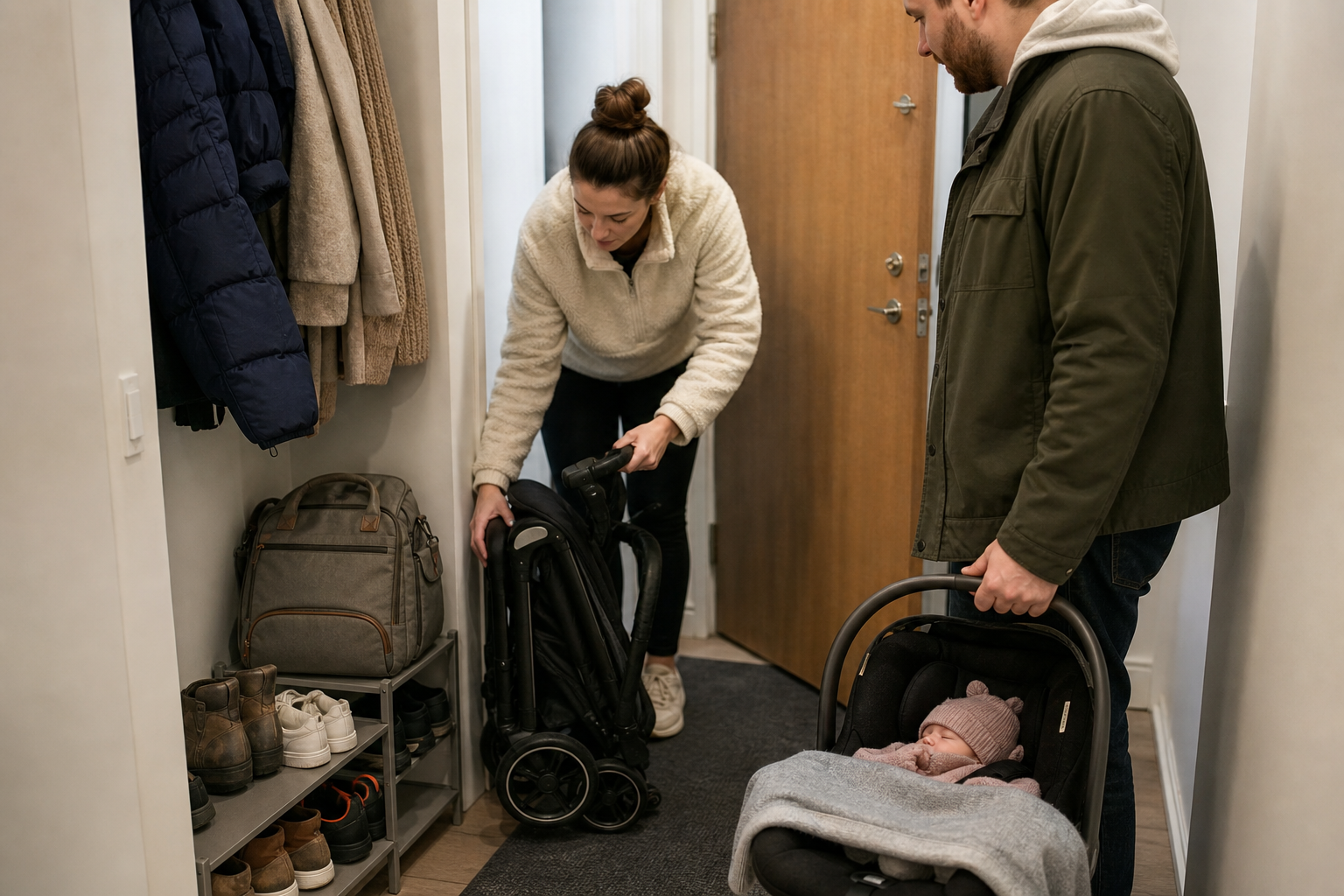
That limitation matters. Hands-on testing can reveal practical details that product pages may not show, including pushing, folding, lifting, steering, adjusting seats, and connecting a car seat to a stroller. But even a careful roundup cannot know whether a stroller fits a particular compact trunk, walk-up apartment, narrow hallway, elevator, or daycare storage space.
The most responsible use of those roundups is as a filter. They can help families build a shortlist, then the final decision should come from checking the manuals, confirming intended compatibility, testing the fold and lift, and making sure the setup fits the family’s real spaces.
Safety and Convenience Should Be Evaluated Separately
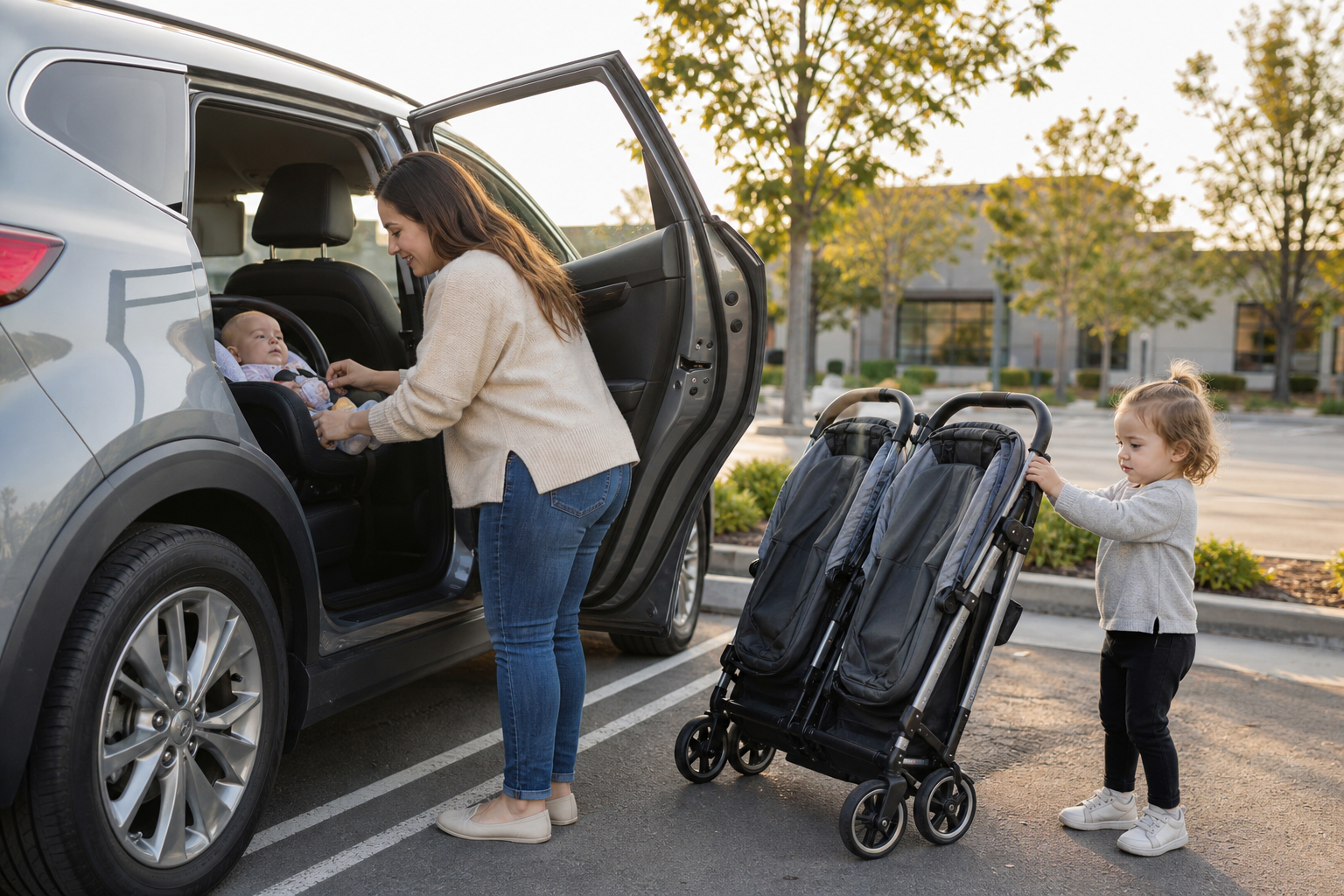
The combo article draws a clear line between stroller convenience and car seat safety. Stroller features are about daily ease: handling, folding, comfort, storage, basket access, and terrain. The car seat side is about correct installation, correct fit, and correct use.
That distinction is important when a travel system feels easy. A smooth car-to-stroller transfer should not distract from using the infant car seat according to its manual and the stroller according to its manual. The combo article also notes that a certified car seat technician or local inspection program can help if installation is uncertain.
For convertible strollers, the safety-related buying discipline is different but still practical: families should confirm that the stroller supports the seating arrangement they plan to use and that the setup remains stable, comfortable, and manageable for the passengers it is meant to carry.
A Better Buying Order for Growing Families
Instead of starting with a ranked list, families can sequence the decision around use. First, decide whether the immediate need is newborn car-to-stroller convenience, future two-child flexibility, or both. Then eliminate any option that does not fit the vehicle, storage space, caregiver strength, or daily terrain.
Only after those constraints are clear should features compete. For a travel system, the strongest candidate is one that keeps infant transitions simpler without compromising correct car seat use. For a convertible stroller, the strongest candidate is one that works as a practical single stroller and still feels usable when a second passenger changes the balance, length, storage access, and fold.
As family routines change, the most useful gear is not the most complicated. It is the setup that can be used correctly, stored realistically, and repeated without turning every outing into a negotiation with the equipment.
References
- diapr.ai Blog — How to Think About Convertible Strollers for Two Kids
- diapr.ai Blog — How to Choose a Car Seat and Stroller Combo Wisely