
Why Vintage Kitchenware Is Drawing Collectors Again

A careful look at why vintage Pyrex and patterned kitchen pieces attract collectors, plus what shoppers should check before buying.

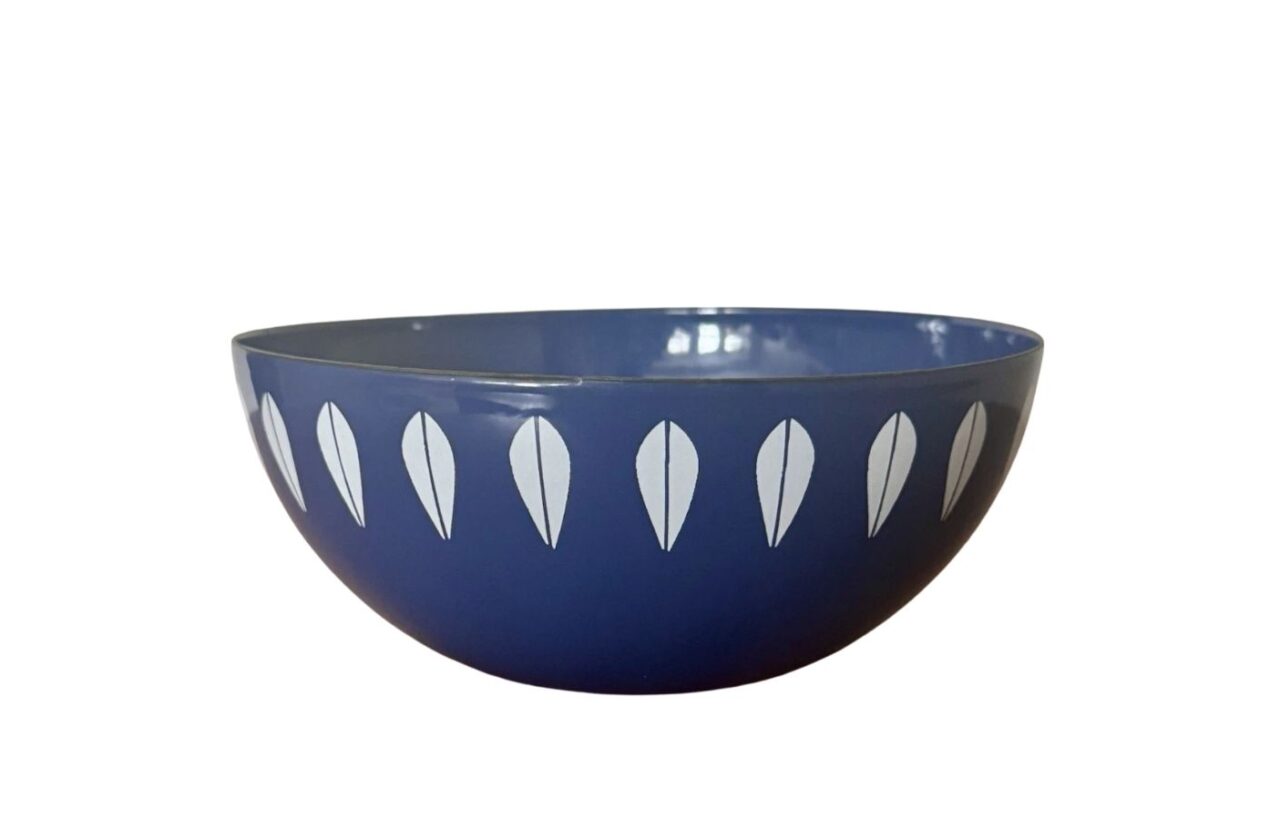
Blue bowl with white leaf-shaped pattern on a plain white background
A deep blue bowl is shown from the side, decorated with a repeating row of white leaf-shaped motifs around the exterior.

Vintage kitchenware sits in an unusual place between household clutter, family memory, and collectible market. A casserole dish that once lived in the back of a cabinet may now attract attention from shoppers who are looking for color, pattern, nostalgia, or resale potential.

The source article from Wealthy single moms points to that shift through a short preview of its list of 16 collectible kitchenware items. Because the available source text is limited, this article focuses on what can be said carefully: why pieces such as old Pyrex, turquoise mixing bowls, and patterned casseroles can draw interest, and how to think about them without assuming every old dish is valuable.
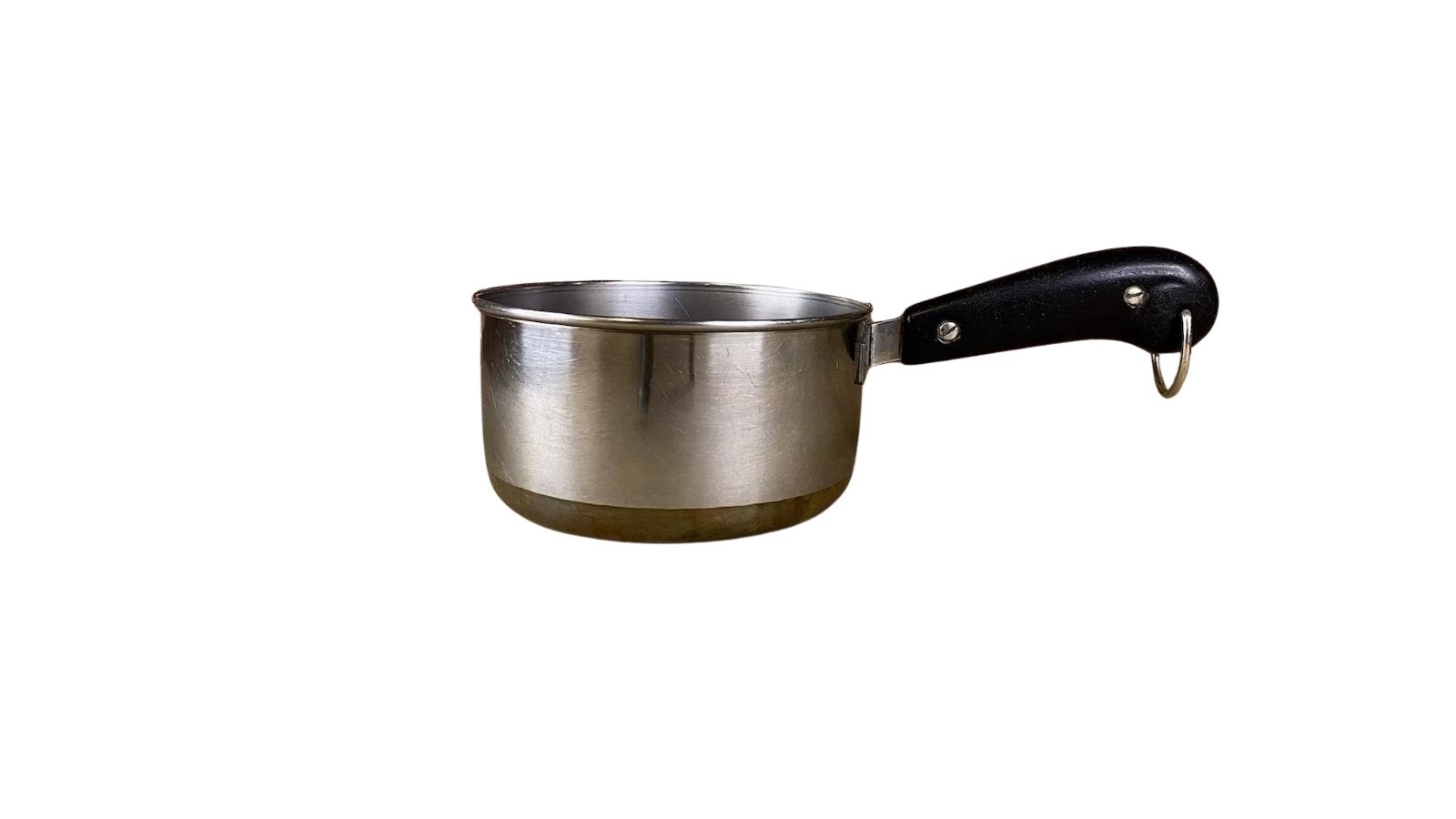
Stainless steel saucepan with a black handle on a plain white background
A small metal saucepan is shown in profile, with a brushed silver body, rounded base, black side handle, visible rivets, and a hanging ring at the end.

What the source actually reports

According to Wealthy single moms, vintage kitchenware from the 1960s and 1970s has become a focus for collectors, especially items with cheerful colors and recognizable decorative patterns. The preview specifically mentions turquoise mixing bowls, herb-covered casseroles, and old Pyrex being found through thrift shopping.
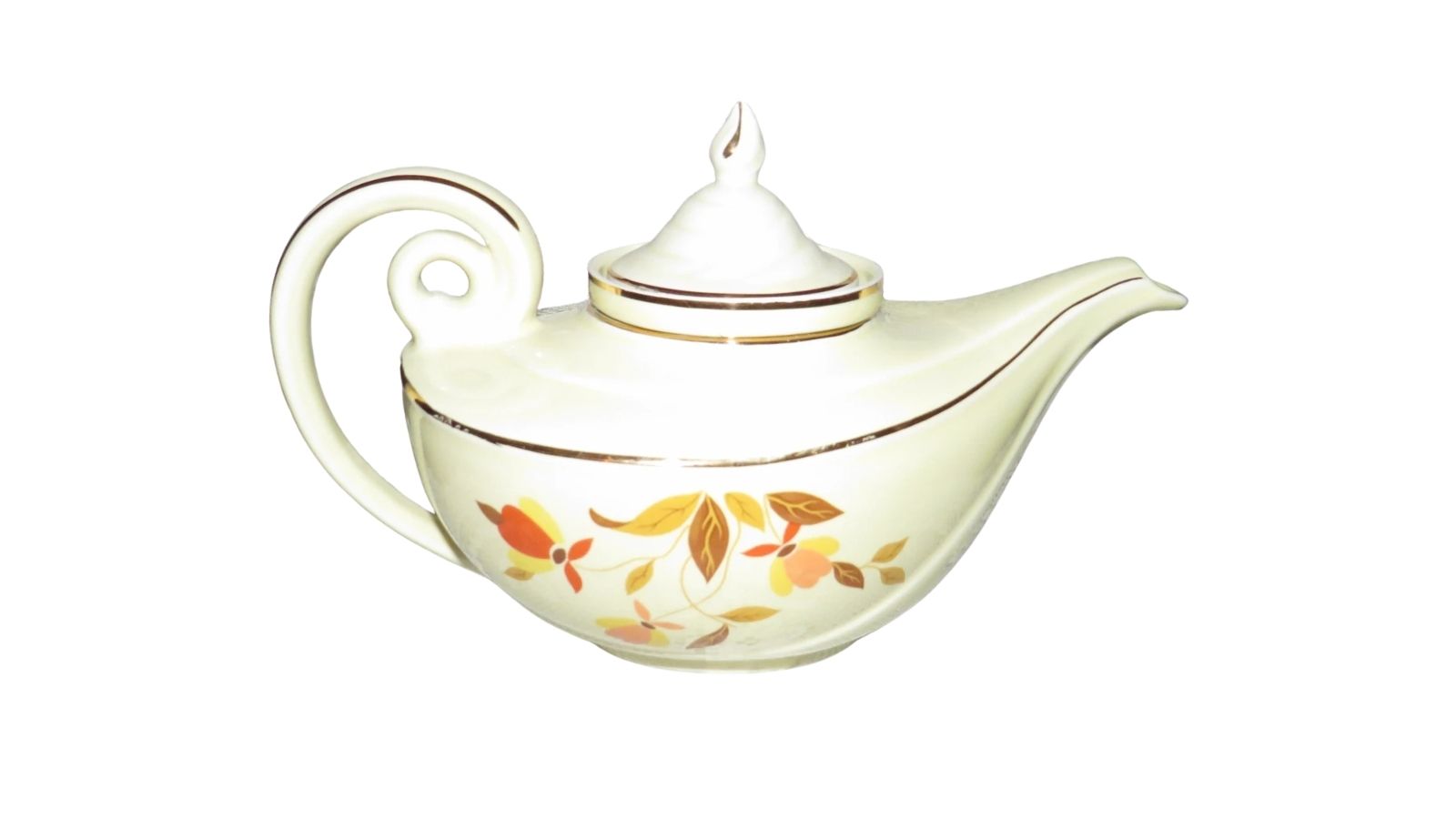
Cream-colored teapot with a curved handle, long spout, lid, gold trim, and orange leaf-and-flower decoration.
A cream teapot is shown against a plain white background, with a curled handle, pointed spout, domed lid, thin gold lines, and autumn-colored floral decoration.

The source also frames some of these pieces as potentially worth real money, though the excerpt available here does not provide a complete item list, specific prices, condition standards, or examples of completed sales. That matters: collectible value depends heavily on details that are not visible in a short preview.
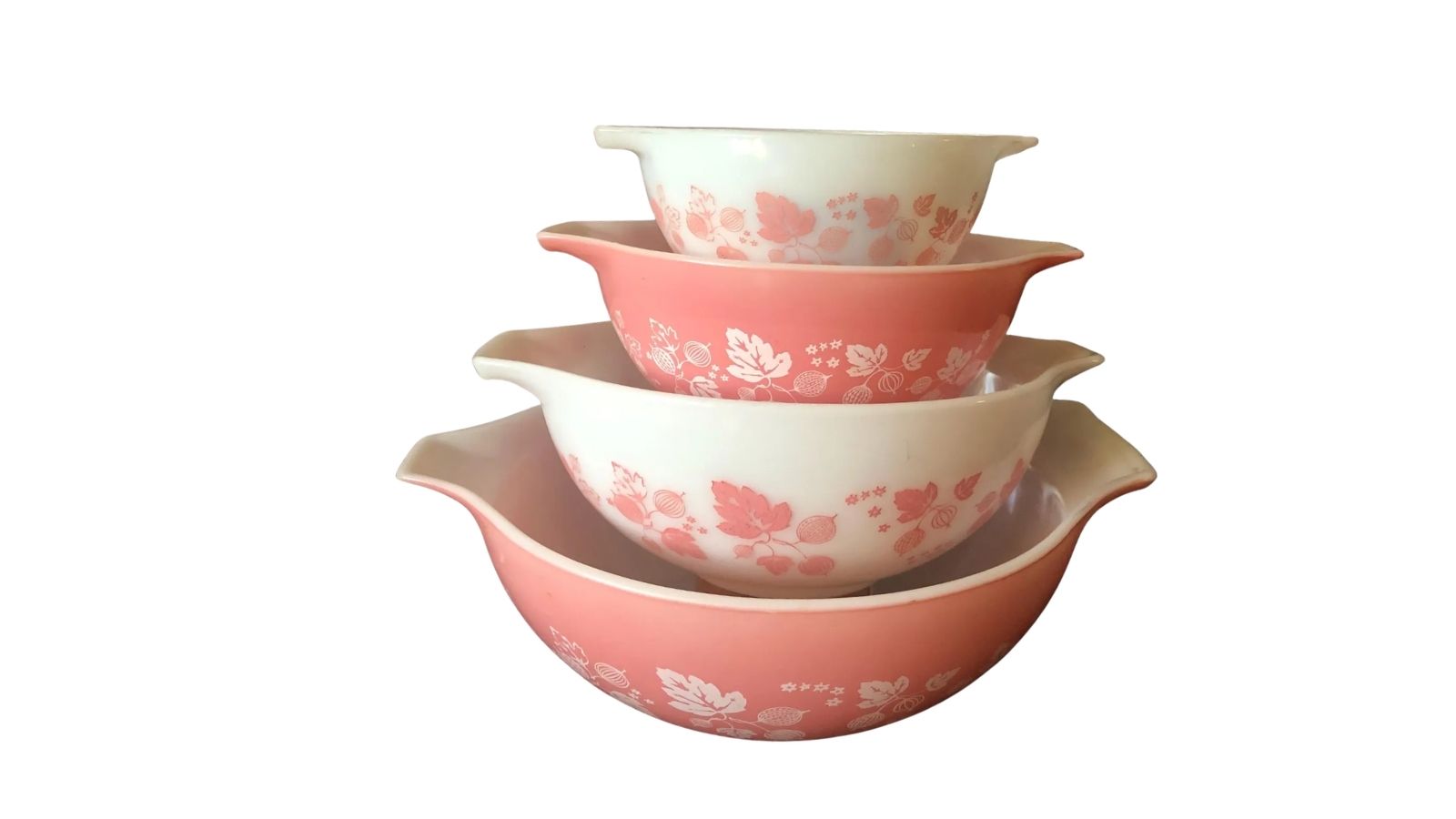
Stack of four pink and white floral nesting bowls on a plain white background
Four nested kitchen bowls in alternating pink and white finishes are stacked together, each showing pale floral and leaf patterns around the sides.

Why everyday kitchen pieces become collectible

Kitchenware often becomes collectible for reasons that are practical and emotional at the same time. It is small enough to display, useful enough to justify keeping, and familiar enough to trigger memories of family meals, holiday tables, or an older relative’s kitchen. A bowl or casserole dish can feel more approachable than fine art or antique furniture because it still belongs in daily life.
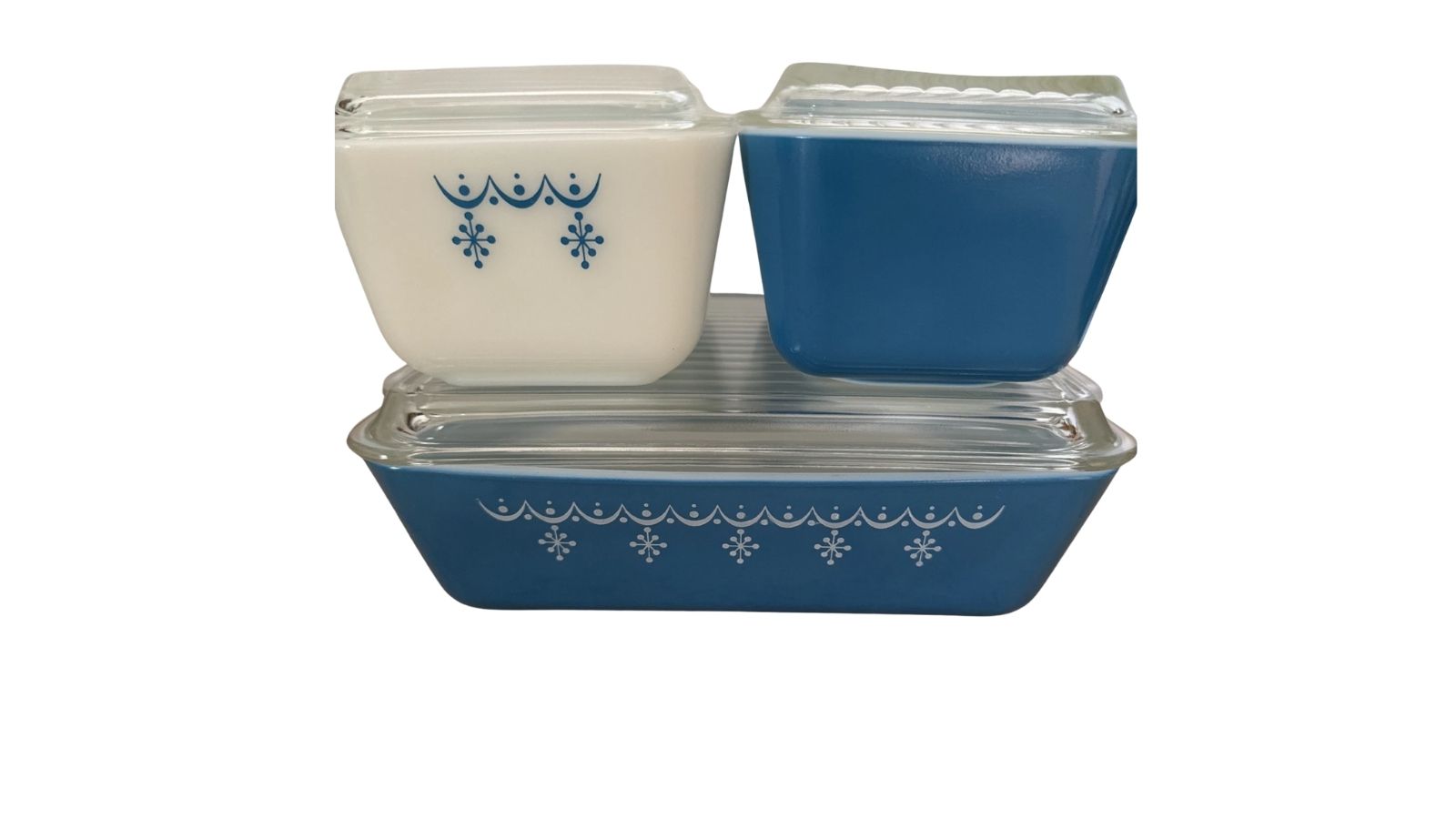
Blue and cream glass casserole dishes with clear lids and snowflake-style decorative patterns
A blue rectangular covered dish supports two smaller covered dishes, one cream with blue decoration and one solid blue, all shown against a plain white background.

There is also a design factor. Midcentury and later vintage kitchen pieces often used saturated colors, repeating motifs, and coordinated sets. Even when a piece does not match a modern minimalist kitchen, it can stand out as a deliberate accent. That helps explain why the source’s examples, including turquoise bowls and patterned casseroles, fit the collector conversation.
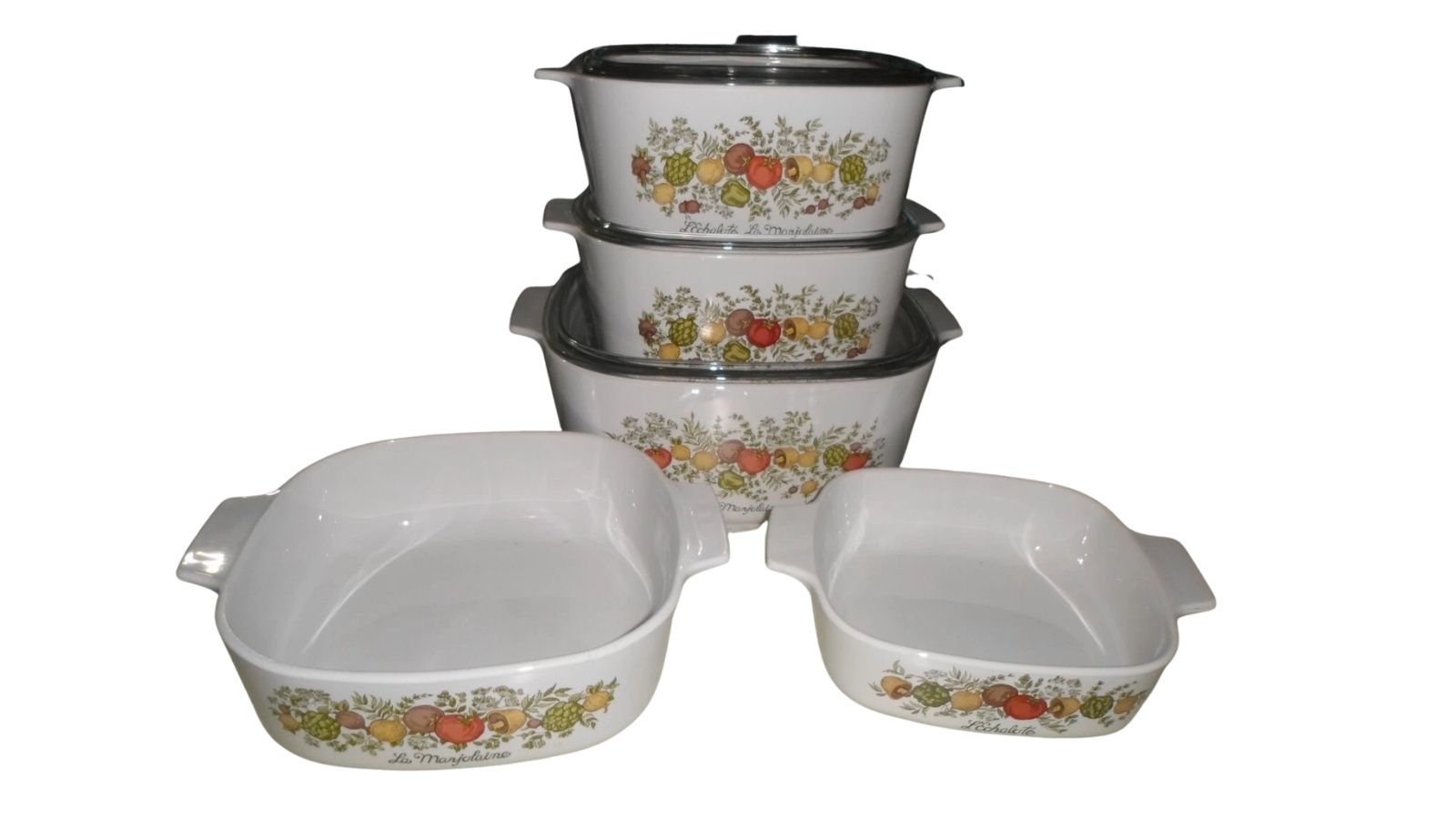
White casserole dishes with fruit-and-herb designs, some stacked with glass lids and two open dishes in front.
A set of white square casserole dishes is arranged on a plain background, with fruit-and-herb decorations and visible script text including "La Marjolaine."

Condition matters more than nostalgia

The strongest caution is simple: old does not automatically mean valuable. A dish may be sentimental, attractive, and still worth very little in resale terms if it is damaged, common, incomplete, or hard to authenticate. Collectors generally care about condition, pattern, color, markings, and whether the piece belongs to a recognizable line or set.
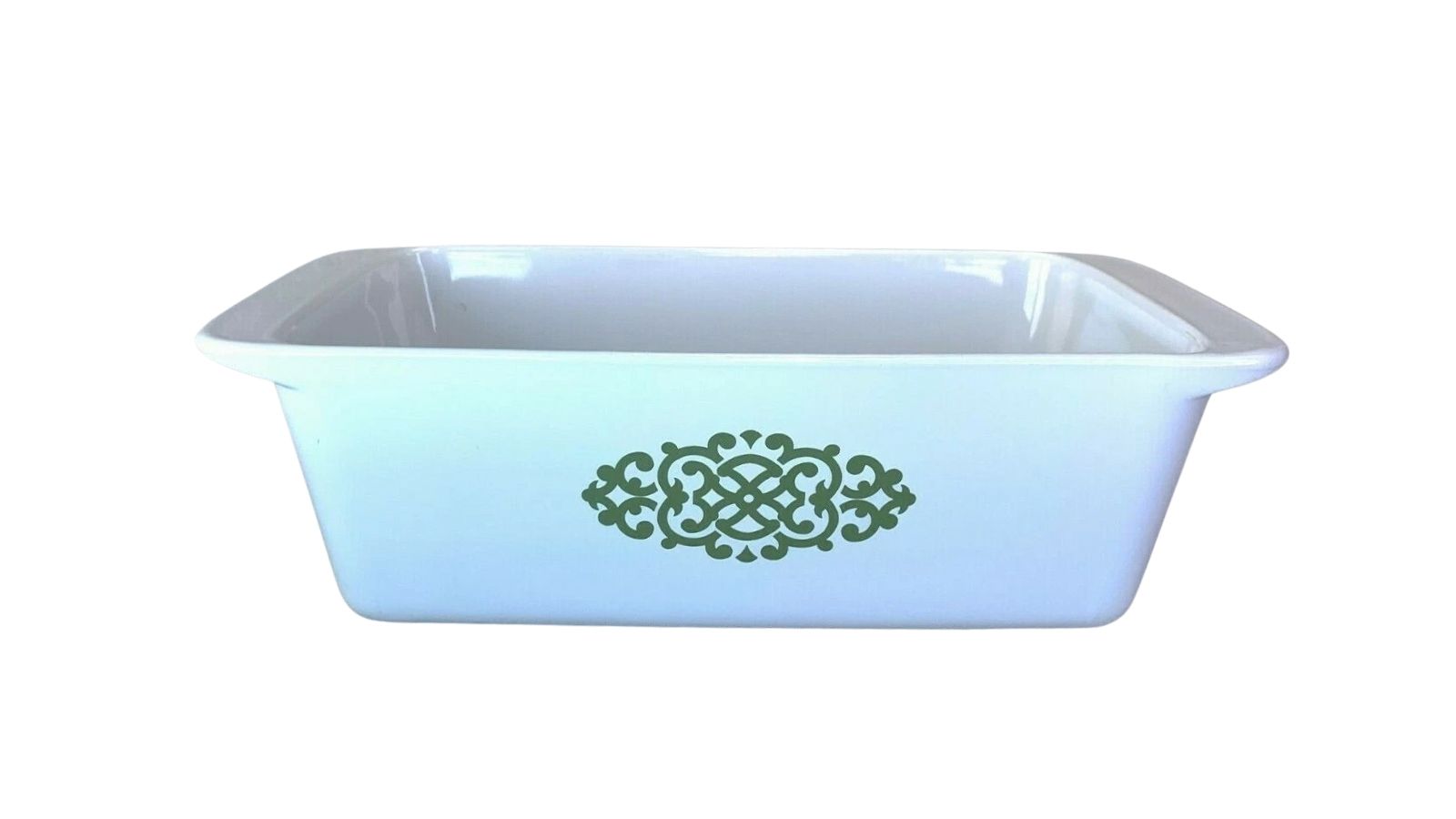
Light blue rectangular casserole dish with a green ornamental design on the front
A light blue rectangular casserole dish is shown against a plain white background, with a glossy finish and a green decorative motif centered on the front.

For buyers, that means slowing down before treating every thrift-store find as a jackpot. Chips, cracks, heavy scratching, faded graphics, dishwasher wear, and missing lids can all change desirability. For sellers, clear photos and honest condition notes are often more useful than vague labels such as “rare” or “retro.” The source signals collector demand, but it does not remove the need for careful evaluation.
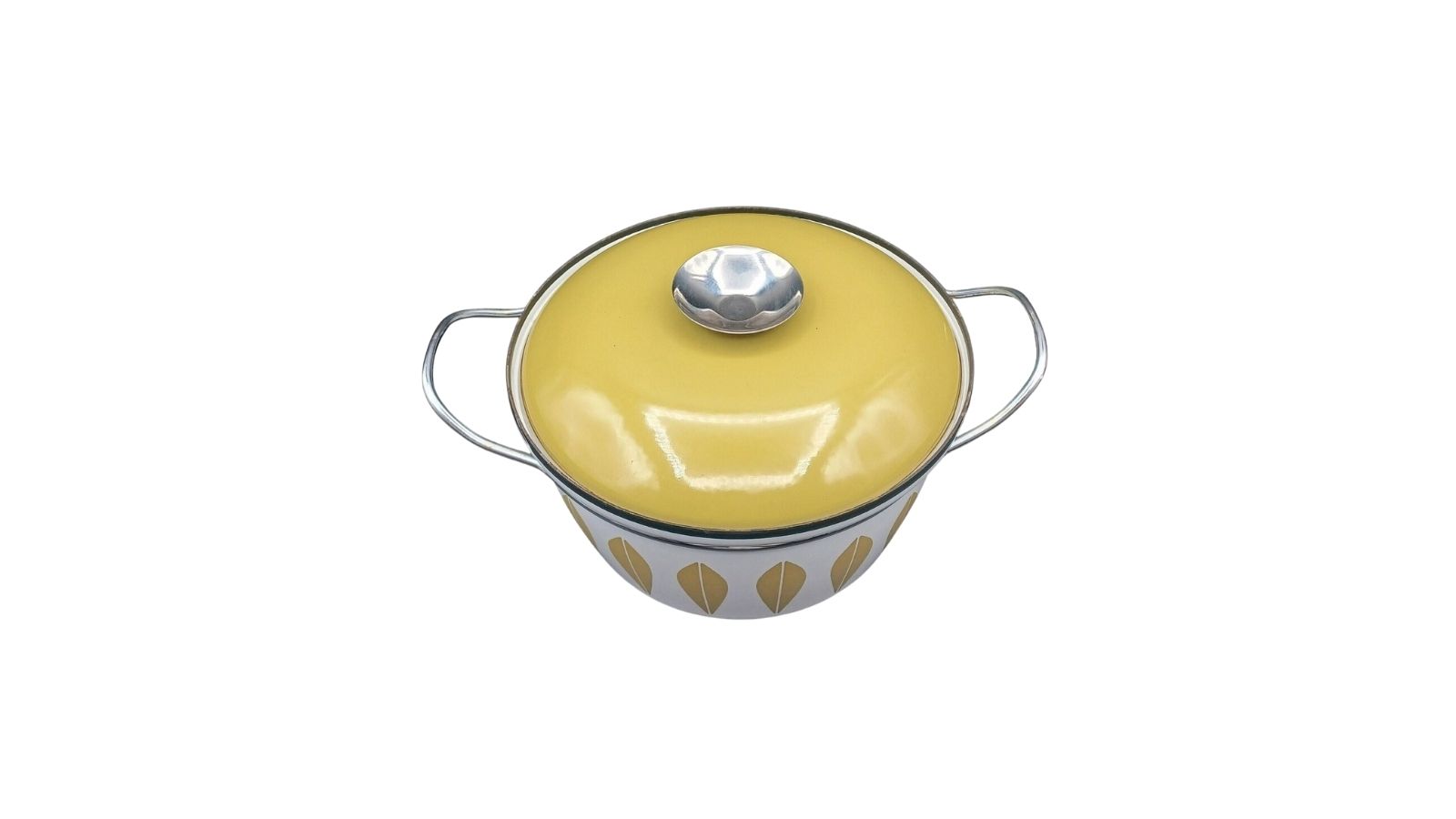
Yellow-lidded enamel pot with chrome handles on a white background
A lidded enamel cooking pot with a yellow top, chrome side handles, and a repeated leaf-like pattern around the visible side sits against a plain white background.

Key takeaways

  • Wealthy single moms reports that vintage kitchenware, including old Pyrex and patterned casseroles, is attracting collector interest.
  • The available source preview mentions pieces from the 1960s and 1970s but does not provide enough detail to verify specific values.
  • Color, pattern, nostalgia, and usability can all make kitchenware appealing to collectors.
  • Condition, completeness, and identifiable markings are important before assuming an item has resale value.

How to approach a possible find

A practical first step is to separate personal appeal from market value. If a piece is going into your own kitchen because you like the look of it, the decision can be simple. If the goal is resale or collecting seriously, the standard should be higher. Check the surface, look for maker’s marks, compare similar items, and pay attention to whether the piece is part of a set.
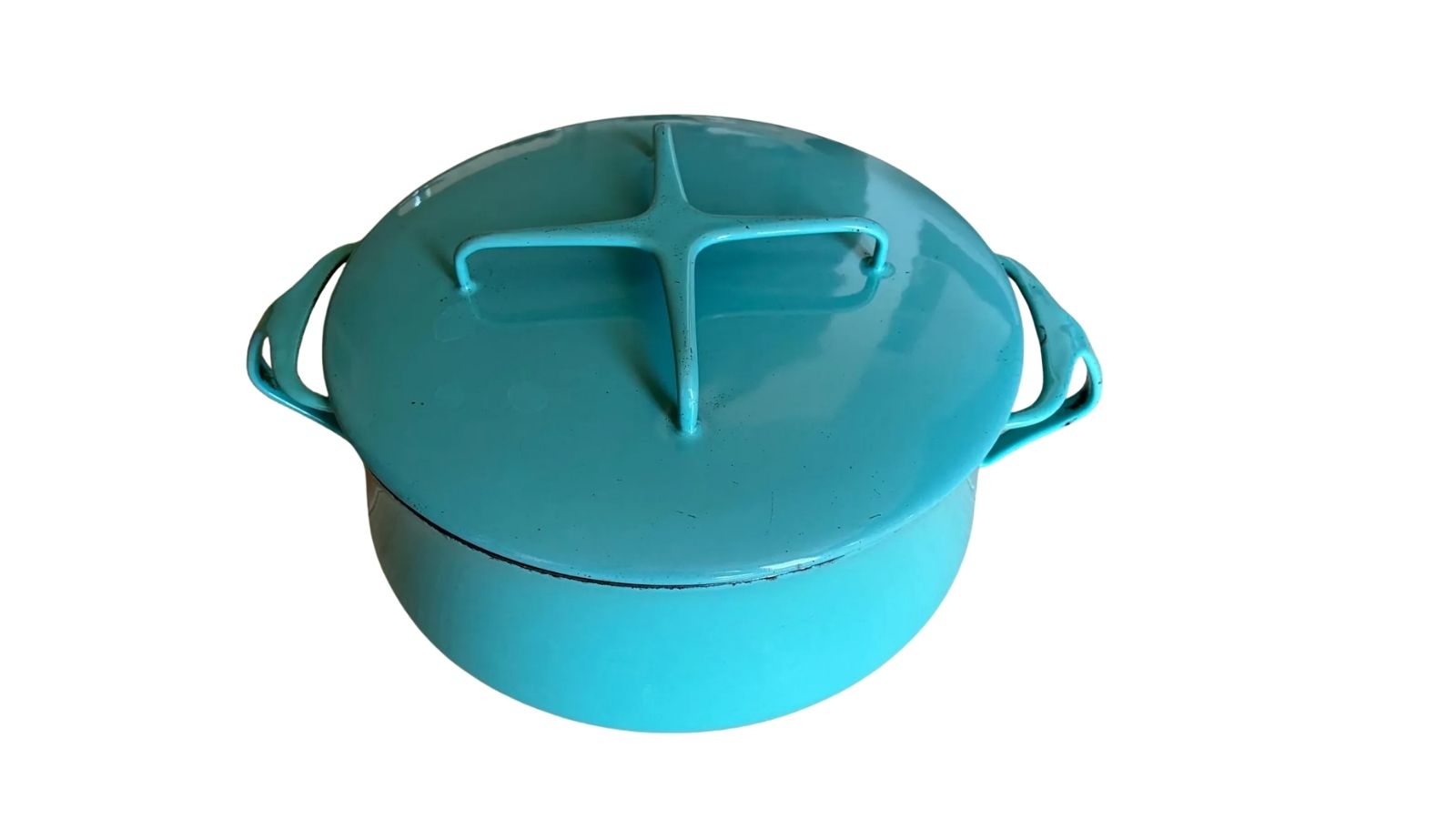
Turquoise lidded pot with side handles on a white background
A bright turquoise lidded cooking pot with curved side handles is shown against a plain white background, with small marks and wear visible on the glossy surface.

It also helps to avoid rushing just because a piece looks familiar. Nostalgia can make ordinary items feel more significant than they are. At the same time, a clean, intact piece with a desirable color or pattern may deserve a closer look, especially if it matches the types of items the source says collectors are seeking.
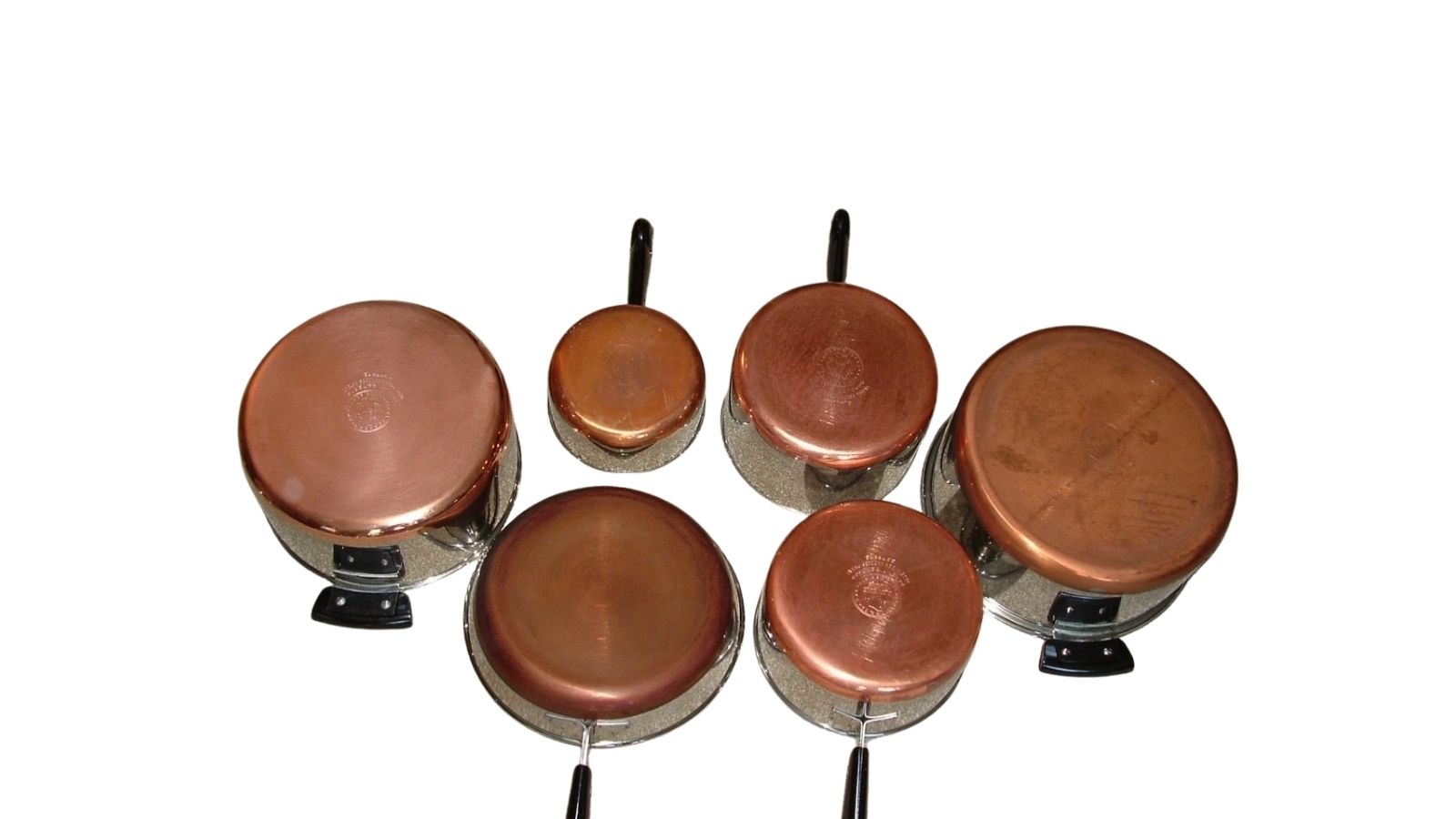
Copper-bottom cookware set arranged on a white background
A group of pots and pans with copper-colored bases and black handles is arranged upside down against a plain white background.

The appeal is real, but the details decide

The bigger lesson from the source is not that every grandmother’s casserole dish should be priced like a treasure. It is that ordinary kitchen objects can move into collector territory when design, memory, scarcity, and condition line up. For anyone sorting cabinets, browsing thrift stores, or deciding what to keep, vintage kitchenware is worth a second look, just not an automatic assumption.


Inspired by this post on Wealthy single moms.


Generated image 1 (2)

FAQs

Why is vintage kitchenware attracting collectors again?

Vintage kitchenware combines practical use with emotional appeal, including memories of family meals and older kitchens. Saturated colors, recognizable patterns, coordinated sets, and the ability to display or use the pieces also contribute to collector interest.

What kinds of vintage kitchenware does the article mention?

The article highlights kitchenware from the 1960s and 1970s, including old Pyrex, turquoise mixing bowls, and herb-covered or otherwise patterned casserole dishes. These examples reflect the colors and decorative motifs that can appeal to collectors.

Does old kitchenware automatically have resale value?

No. An old dish may have sentimental or decorative appeal but little resale value if it is common, damaged, incomplete, or difficult to authenticate.

What condition problems should vintage kitchenware buyers check for?

Buyers should look for chips, cracks, heavy scratching, faded graphics, dishwasher wear, and missing lids. These issues can reduce a piece's desirability even when its color or pattern is appealing.

How should I evaluate a possible thrift-store kitchenware find?

Check the surface, look for maker's marks, compare the piece with similar items, and determine whether it belongs to a recognizable line or set. Consider condition, completeness, pattern, and color before assuming it is collectible or valuable.

How can I separate personal appeal from market value?

If you simply like a piece and plan to use it, personal appeal may be enough. If you are buying for resale or serious collecting, evaluate its condition, markings, completeness, and comparable items more carefully.

How should sellers present vintage kitchenware?

Sellers should provide clear photos and honest notes about condition, wear, damage, and missing parts. Specific evidence is more useful to buyers than unsupported labels such as rare or retro.

Join the conversation

Your email address will not be published. Required fields are marked.

From birth till the first flush

A few taps now. A clearer picture later.

Log diapers, feeds, sleep and more in one calm place—then notice the gentle patterns in your baby’s day.

Get diapr.ai Free to download · iPhone & Android
Diaproo, the diapr.ai kangaroo mascot