You are looking at the tiny jeans and coordinated sets because they are charming. But baby and toddler clothes earn their drawer space through quick changes, forgiving fits and repeat wear. The useful question is not simply whether Abercrombie’s new line looks good. It is which pieces will make your particular routine easier.
The strongest approach is to choose the function first, confirm the details on the exact garment and treat matching with the adult collection as a bonus. That keeps a cute purchase from becoming an outfit you rarely reach for.
Know what sits under the Baby & Toddler label
Abercrombie & Fitch’s Baby & Toddler collection runs from newborn through 5T. The assortment reaches beyond logo basics: highlighted styles include sweat sets, sweater sets, long-sleeve tees, tiered dresses, baggy jeans, quarter-zips and a toddler sweatpant jean.
The range also uses parent-friendly features such as soft fabrics, elastic waistbands, snap closures and two-way zippers. Some dresses come with a bloomer. These are features found across the collection, not a promise that every garment contains all of them, so read the individual product details before buying.
The same distinction applies to sizing. Newborn-to-5T describes the collection’s overall span. It does not mean every design, colour or set will necessarily appear in every size. Start by selecting the size you need, then see which styles remain available rather than getting attached to a design first.
Choose the feature that solves your dressing problem
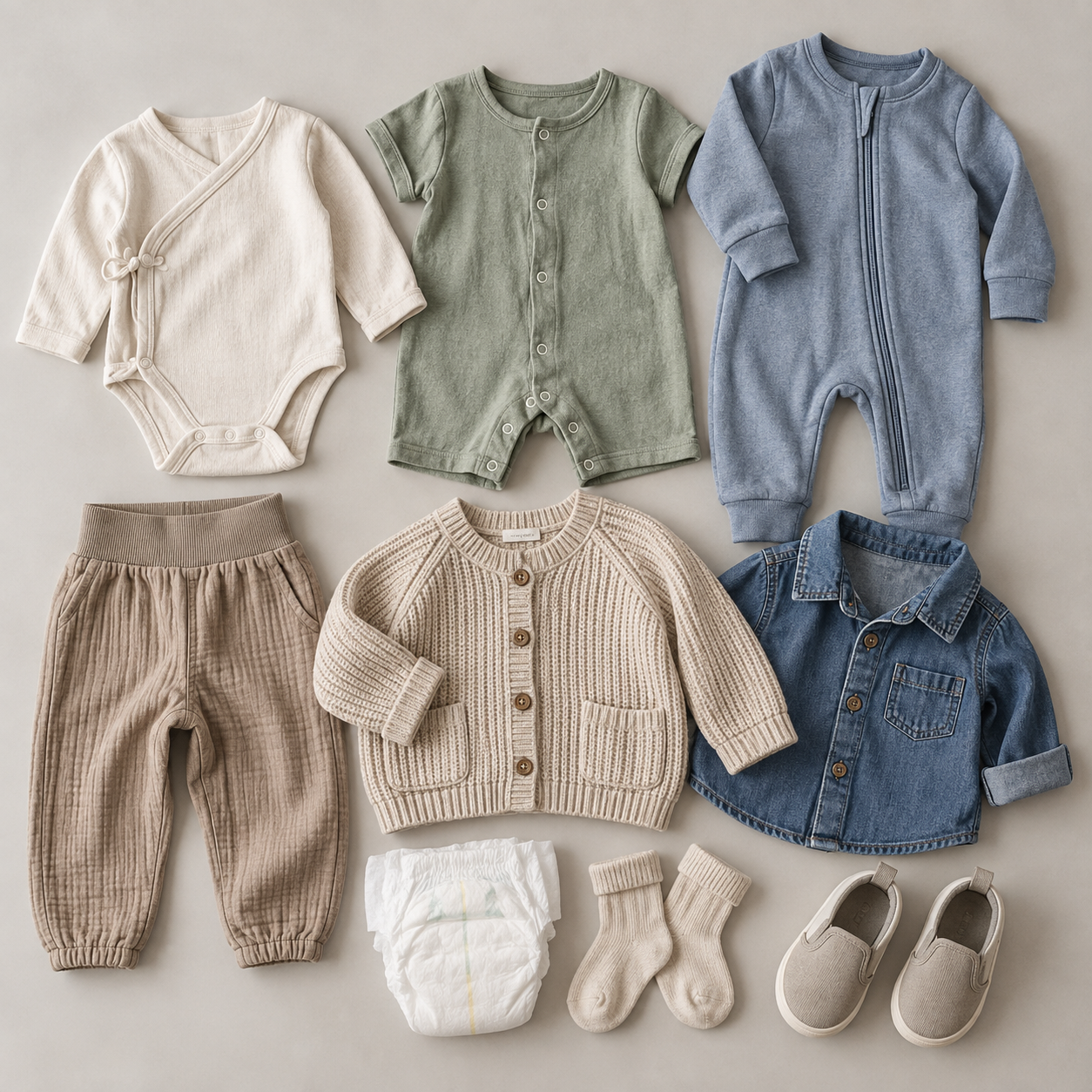
Product categories matter less than the point of friction you face every day. A two-way zipper can matter more than a fashionable print when you are changing a baby. An adjustable waist can be more valuable than a perfectly coordinated top when standard jeans slip on your toddler.
| Your priority | Feature to look for | What to confirm |
|---|---|---|
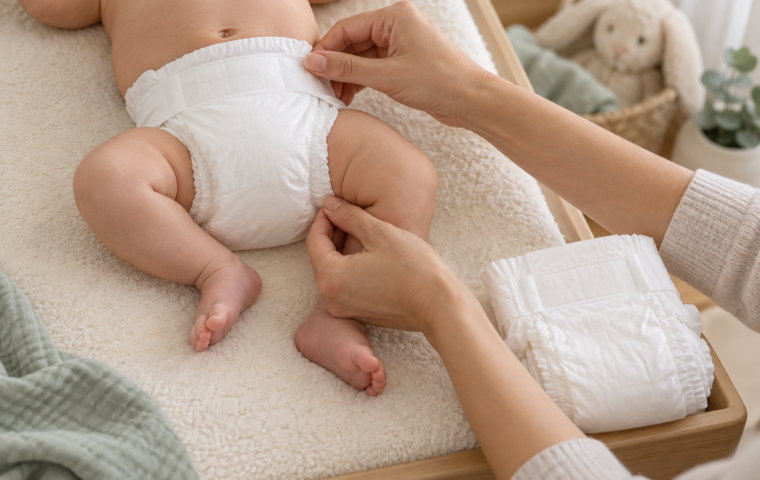
| Quicker diaper access | Two-way zipper or easy snap closure | The closure type, direction and opening on the exact garment |
| A flexible pull-on waist | Elastic waistband | Whether the construction looks secure without being restrictive |
| Denim that can adapt at the waist | Waistband adjuster | The correct rise and leg length, which the adjuster cannot change |
| An outfit without coordinating separates | Matching set | Which pieces are included and whether both work in the chosen size |
| Extra coverage under a dress | Included bloomer | Whether the specific dress includes one, since this is not universal |
| A soft everyday layer | Soft fabric | The fibre blend and care instructions; softness is not a material specification |
There is one unusually clear detail for denim shoppers: all toddler denim includes waistband adjusters. That is helpful when your child needs one size for leg length and a closer fit at the waist. It does not solve every fit issue, however. Pulling in the waist will not shorten an inseam or change the rise.
Use a simple order of operations: name the dressing problem, identify the feature that addresses it, confirm that feature on the exact item and only then choose among the colours and designs. This prevents a product name such as Essential Set or Sweatpant Jean from doing more work than the actual construction details.
Check fit without relying on the age label alone
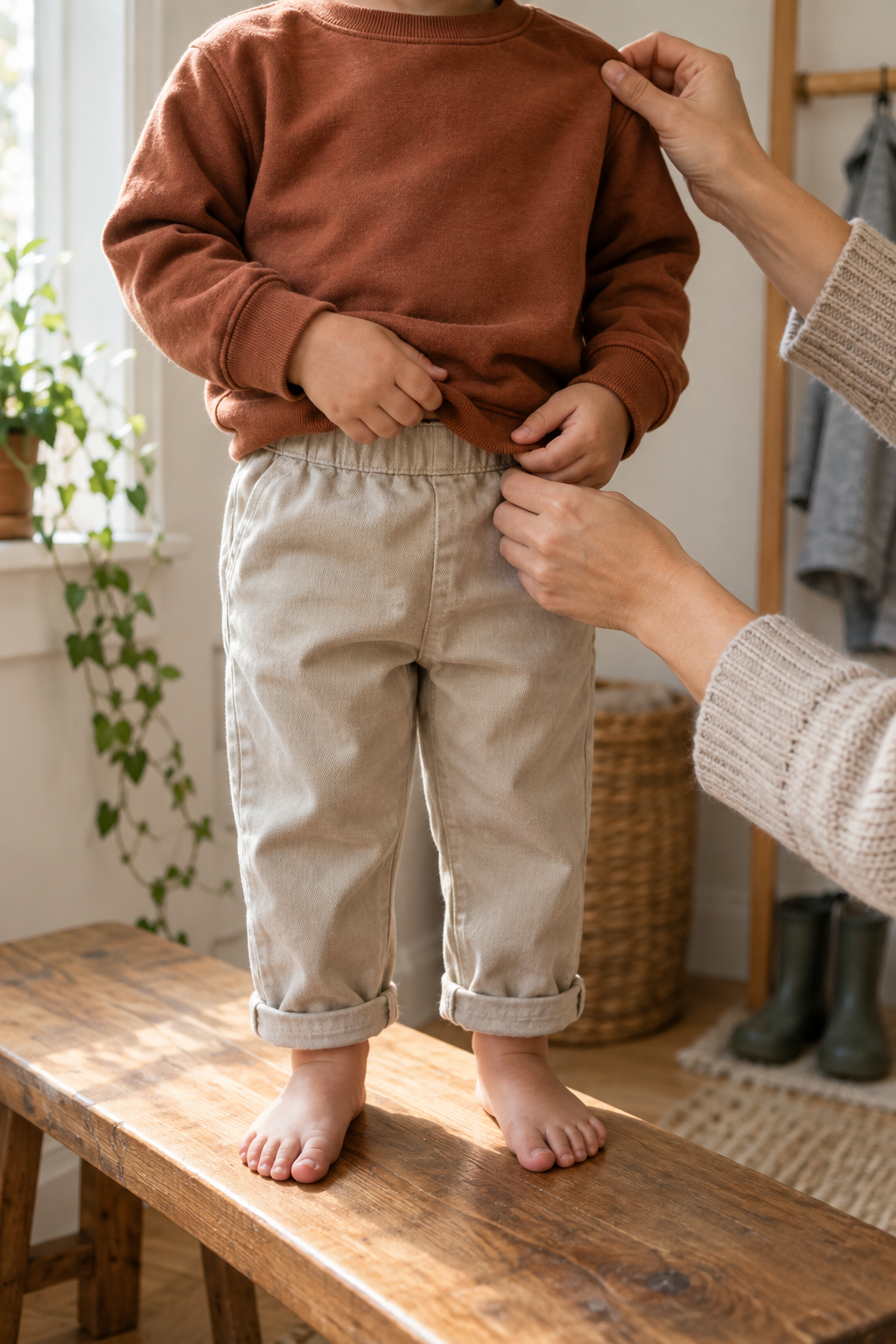
An age-based size is a starting point, not a description of every child’s proportions. A toddler may need more room through the waist, a longer inseam or a different top-to-bottom balance than a standard set provides. Online shopping becomes more reliable when you compare dimensions instead of choosing solely by age.
- Choose a similar garment that fits your child now and measure it laid flat.
- Read how the brand labels its size chart. Compare garment measurements with a garment and body measurements with your child; do not compare a flat garment width directly with a body circumference.
- Focus on the least adjustable dimension. For jeans, a waistband adjuster helps at the waist but not at the rise or leg. For a dress or top, check the torso and sleeve dimensions that matter to your child.
- When buying a two-piece set, size for the less-forgiving piece. The top and bottom usually cannot be ordered in different sizes.
- Try one item in a new cut before buying duplicates or several future sizes. Confirm how it fits, moves and launders when cared for as directed.
If you are buying ahead, extra room is useful only in dimensions the child can comfortably grow into. An overly long leg, low rise or loose neckline does not become practical simply because the waistband adjusts. Buy for the whole shape of the garment, not just the number on the tag.
Make the mini-me styling work beyond one photo
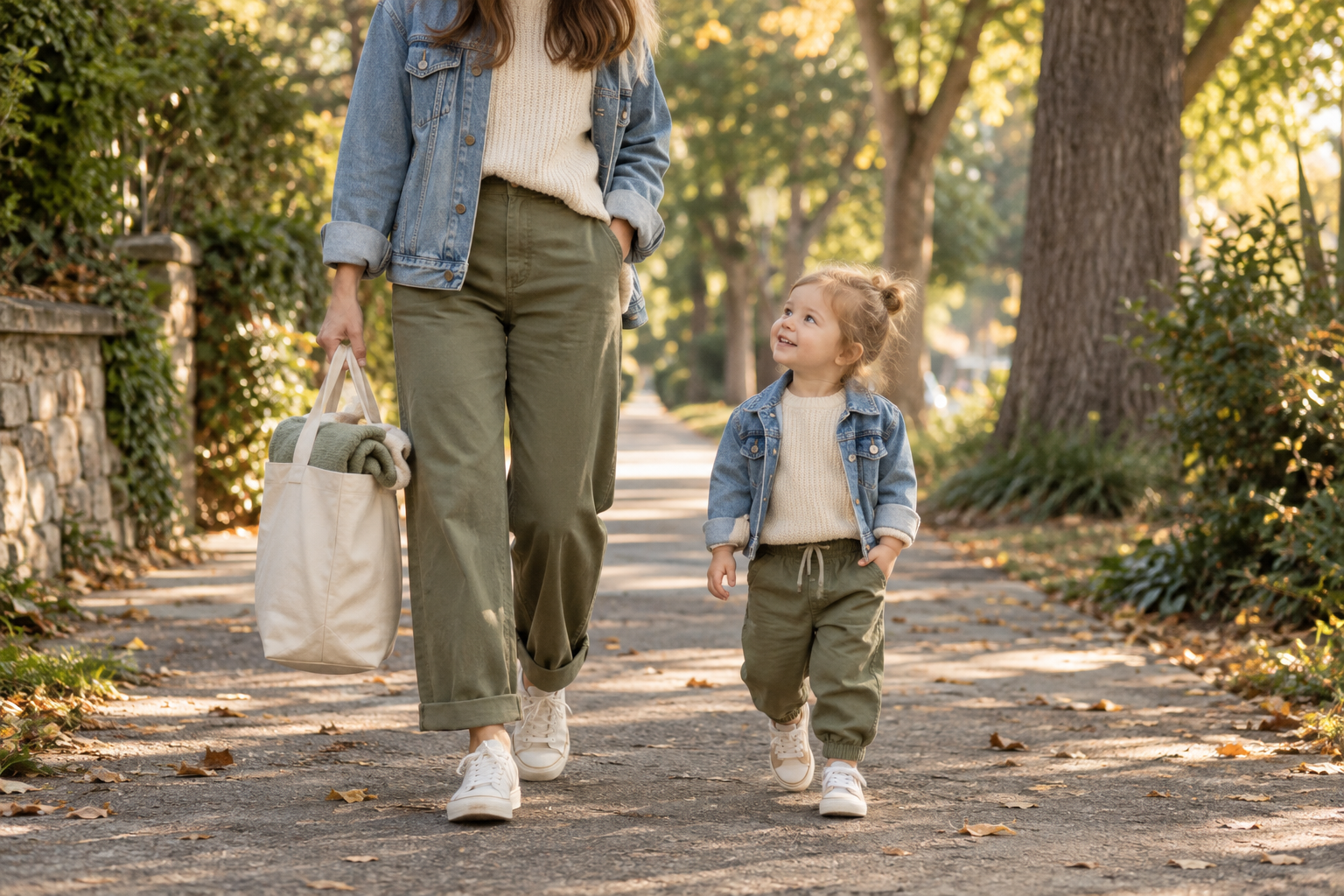
Several child-sized styles are inspired by pieces in the adult collection, giving you the option of a coordinated parent-and-child look. Inspired is the important word: it does not guarantee an exact replica, identical fabric or perfectly matched colour. Compare the adult and child listings if an exact match matters to you.
You also do not need two complete matching outfits. Repeating one visible element – a cable knit texture, a logo layer, a denim shape or a colour family – can create the effect while letting your child’s practical needs lead. Build the child’s outfit around movement, closures and fit, then coordinate the adult outfit around it.
For an outfit tied to a family photo or event, do the full fit check before the day itself. Have your child sit, crawl, walk or lift their arms as appropriate. A garment that looks right while they stand still may pull, slide or bunch once they move.
Key takeaways
- The Baby & Toddler collection spans newborn to 5T, but individual style and size availability still needs to be checked.
- Two-way zippers, snaps, elastic waists and included bloomers are garment-level details, not universal features.
- Every toddler denim style is described as having a waistband adjuster, which changes the waist but not the rise or leg length.
- Sets simplify outfit planning, but you need both pieces to fit because separate sizing may not be possible.
- Adult-inspired designs make matching possible, though coordinated colours or textures may be easier to reuse than two exact outfits.
- Price, fibre content, care requirements and return eligibility still need to be checked on the specific product page.
Start with one piece in the size you need now and make it solve a real problem: a slow change, a slipping waistband or the need for an easy complete outfit. Once you know how that cut works for your child and your routine, you can decide whether another set – matching or otherwise – deserves space in the drawer.
References