

You want a name that does not feel copied from a list, but you also do not want to turn every introduction into a pronunciation lesson. The answer is not to chase strangeness. It is to create a name with a clear reason behind it, then test whether it works beyond the birth announcement.
This process will help you move from a blank page to a shortlist that feels personal, sounds natural with your child’s full name, and holds up in ordinary life.
Key takeaways
- Define what unique means to you before you start inventing names.
- Build from personal raw materials such as family names, meaningful places, words, and favourite sounds.
- Change a name’s structure before changing its spelling; spelling alone does not make a name sound distinctive.
- Test every finalist aloud, in writing, and without an explanation.
- Choose a name that both parents can support without hoping the other person will eventually give in.
Define the kind of uniqueness you actually want

Unique can mean several different things. You might want an established name that is uncommon where you live, a familiar name with a personal variation, or a newly constructed name that does not appear on the lists you have seen. Those are different goals, and each calls for a different method.
A name can also be rare in your community but familiar elsewhere. Trying to guarantee that no other person has ever used it is not a useful standard. Aim for a name that feels distinctive in your family’s world and meaningful enough that you can explain why you chose it.
Before collecting candidates, answer these questions:
- Do you want an established name, or are you open to creating one?
- Should most people be able to pronounce it after seeing it?
- Do you want the name to signal a particular language, culture, family history, or gender?
- Is an easy nickname important, optional, or unwanted?
- Which sounds do you both like? Consider soft or crisp consonants, open or closed endings, and short or flowing rhythms.
- What matters more if you have to choose: rarity, meaning, pronunciation, or spelling?
Turn the answers into a one-sentence brief. It could be as simple as: We want an uncommon, gender-neutral name with a family connection, an intuitive pronunciation, and no automatic nickname. That sentence gives you a filter. A beautiful name that fails the brief is no longer a serious candidate.
Generate names from ingredients that belong to your story
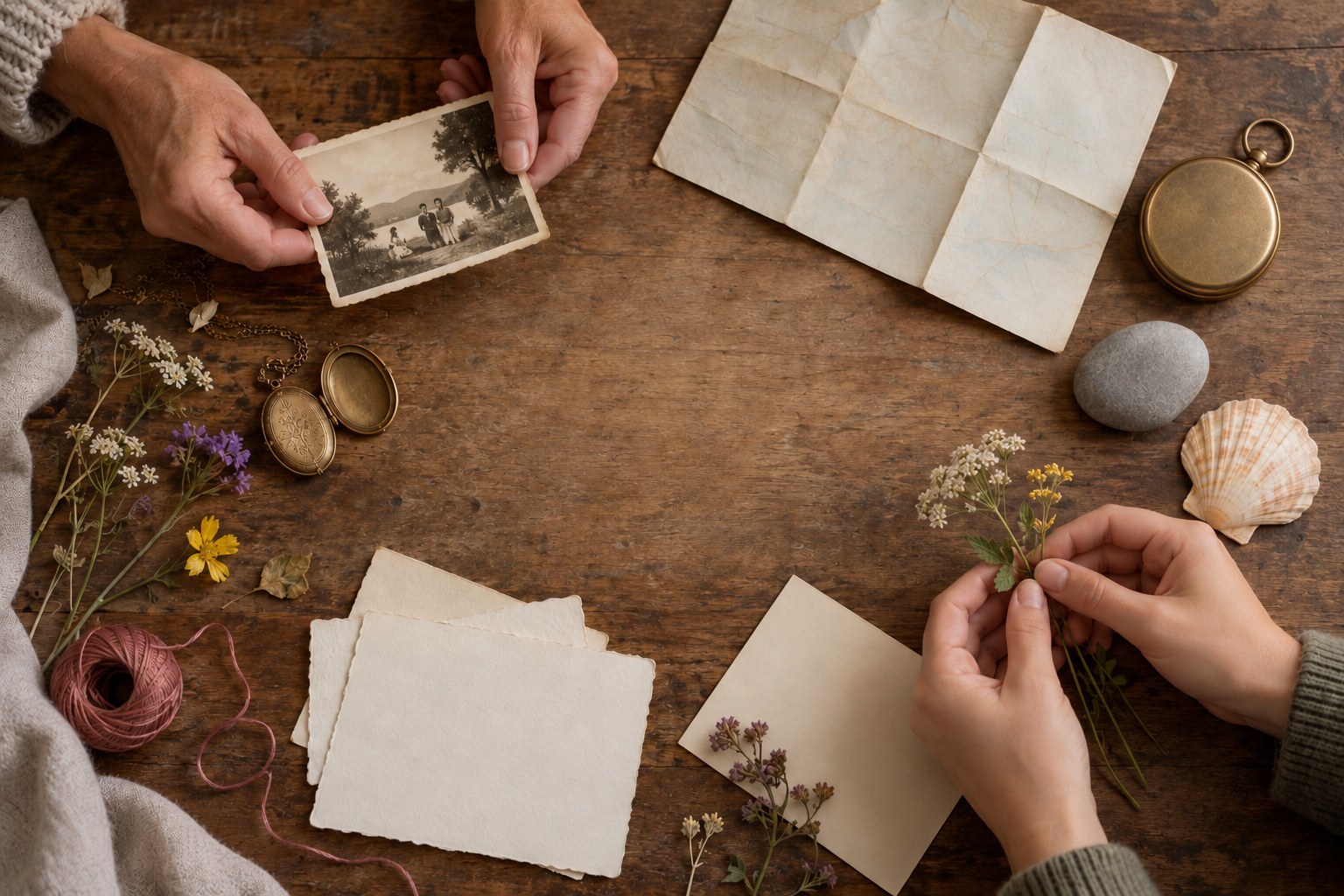
Start with raw material rather than asking yourself to produce a finished name on command. Useful starting points include combining names, drawing from surnames, exploring other languages, and considering meaningful objects or places.
- Blend important names. Write the opening sounds, middle syllables, and endings of names connected to both sides of the family. Recombine the pieces by sound rather than simply joining two complete spellings. Read every result aloud before deciding whether it looks right.
- Promote a surname. Look beyond your immediate last names. A surname from an earlier family branch may work intact, while another may offer a useful shortened form, syllable, or sound.
- Return to meaningful places. Consider the neighbourhood where you met, a landscape tied to your family, or a destination with lasting significance. The strongest place-inspired names carry a story; they are not merely attractive labels found on a map.
- Collect words with emotional weight. Plants, colours, weather, materials, music, and objects can all provide sounds or meanings. You do not have to use the whole word. Its opening, ending, or translation may lead somewhere better.
- Explore a language connected to your family. Look at names and words from languages you genuinely know or have reason to honour. Confirm the meaning, natural pronunciation, spelling, and cultural use with a fluent, trustworthy person. A literal translation cannot tell you whether a word functions naturally as a personal name.
- Reshape a familiar name. Shorten it, extend it, use an older form, change the ending, or retain only its strongest sound. Structural changes usually create more audible distinction than decorative spelling changes.
- Build from sound. Make separate lists of beginnings and endings you like, then combine them. Keep only combinations that you can say smoothly and hear clearly. Treat these as sound experiments until you have checked their meanings and associations.
Do not judge every possibility while generating it. Use a simple creation pass:
- Write family names, place names, meaningful words, and appealing sounds in separate groups.
- Underline the syllables and endings you would happily hear every day.
- Combine pieces across the groups, saying each result rather than evaluating it only on the page.
- Remove anything that depends on a long explanation before it sounds plausible.
- Check the remaining candidates for meanings, existing uses, and cultural associations you may have missed.
Leave unconventional spelling until late in the process. A spelling change can make a familiar name look different without making it sound different. It also creates more than one plausible answer when someone asks how the name is written. That trade-off may be acceptable, but it should be deliberate.
Stress-test the full name in ordinary situations

A name should not need its origin story in order to function. Test it cold: first name, middle name, and last name, with no explanation of how you created it. These checks expose different kinds of friction.
| Test | What to do | What to notice |
|---|---|---|
| Full-name test | Say the entire name at a normal conversational pace. | Repeated sounds, swallowed syllables, accidental rhymes, or a difficult transition into the surname. |
| Heard-once test | Say the name to a trusted person who has not seen it written, then ask them to repeat it. | Which syllable receives emphasis and whether the pronunciation feels ambiguous. |
| Written test | Write the full name as it might appear on a form, label, email signature, or invitation. | Readability, unexpected initials, and whether the spelling feels more complicated than the sound. |
| Correction test | Imagine correcting both the pronunciation and spelling in one short sentence. | Whether the correction is manageable or likely to become a recurring explanation. |
| Life-stage test | Picture the name on a daycare list, a school roster, and an adult introduction. | Whether you like the formal name itself or are relying on a babyish nickname to make it work. |
| Nickname test | List the obvious short forms, initials, and rhyming nicknames. | Any version you strongly dislike but cannot realistically prevent other people from using. |
| Meaning test | Check each word or name element in the relevant language and cultural context. | Unintended meanings, incorrect pronunciation, or a use that carries significance you did not know about. |
Search each finalist as written and search likely sound-alike spellings. You are not trying to prove that the name has never existed. You are checking whether one dominant person, character, product, place, or phrase would shape how other people hear it.
Ask a small circle of trusted people to identify problems, not to vote on taste. A focused question such as What could we be missing about this name? is more useful than Do you like it? You and your co-parent still have to make the decision.
Choose without turning the shortlist into a standoff
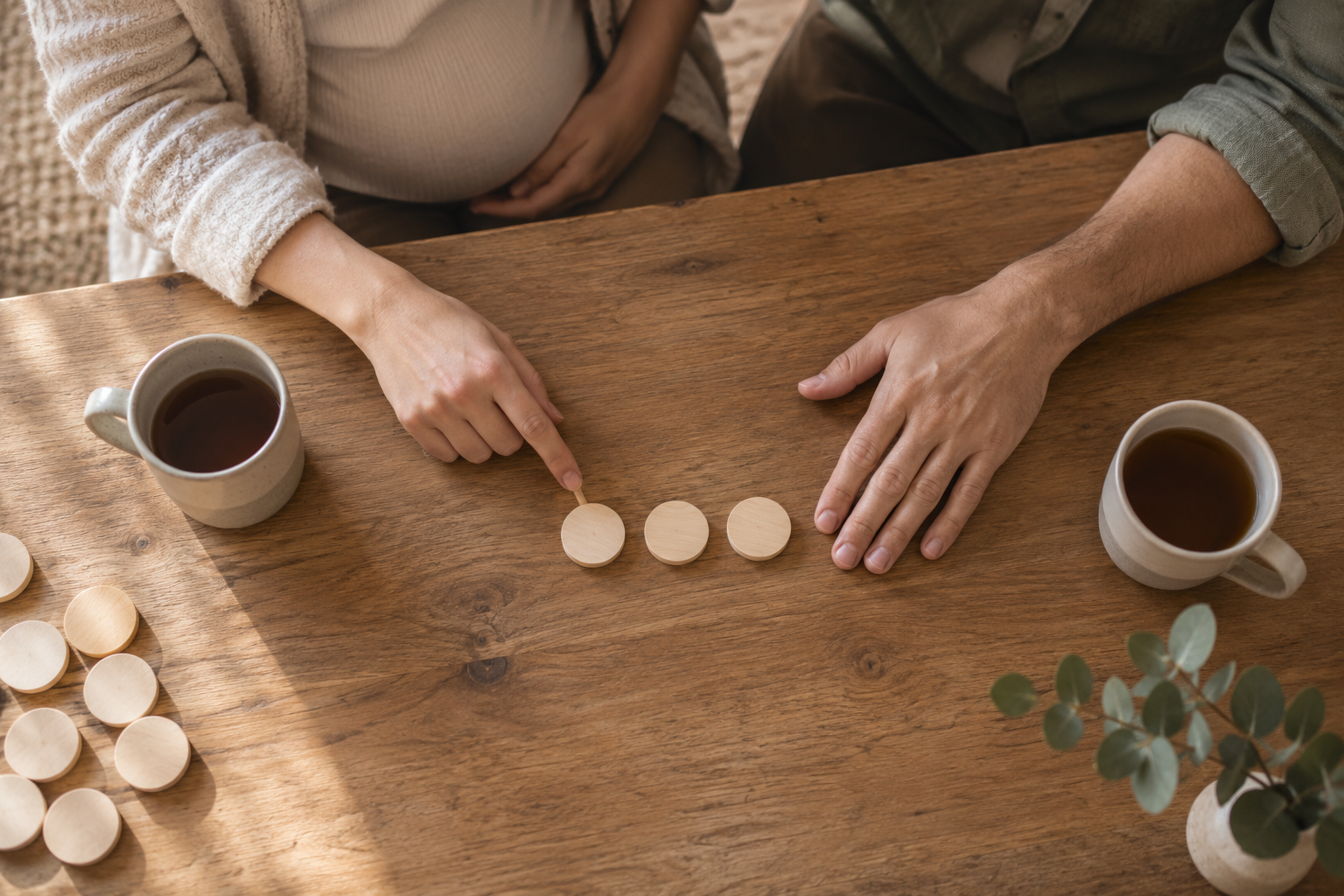
When several names survive the tests, return to your naming brief. Compare the candidates against the qualities you agreed on rather than arguing from instinct alone. Each parent can sort the names into yes, maybe, and no, then discuss only the shared yes and maybe groups.
If one of you objects to a name, identify the actual reason. A spelling concern may be fixable. A painful association, cultural concern, or basic dislike of the sound usually is not. Do not spend energy redesigning a candidate when the real problem is that one parent does not want to use it.
A meaningful but demanding name can sometimes work better in the middle position. That preserves the family reference or creative idea while giving your child a simpler everyday first name. The reverse can work too: a distinctive first name paired with a familiar middle name offers an alternative your child may choose later.
Try the strongest finalist privately in ordinary sentences. Say good morning with it. Pair it with your surname. Imagine introducing your child without adding an apology or a defence. You are listening for steadiness, not a dramatic moment of certainty.
Then write the complete name one last time and check its pronunciation, spelling, initials, nicknames, meaning, and family connection. If both of you can say yes to the name as it is – not as you hope other people will treat it – you have a choice you can confidently carry forward.
References




