Earth Day quotes can do more than fill a classroom board or social caption. Used well, they can help children and adults talk about responsibility, shared resources and the everyday choices that shape how people relate to nature.
Motivation for Mom compiled 20 Earth Day quotes centered on protecting the planet, appreciating nature and teaching kids to care. Instead of treating the list as decoration, here is a more practical way to use those ideas at home, in school or during a family Earth Day activity.
The Main Message Behind the Quotes
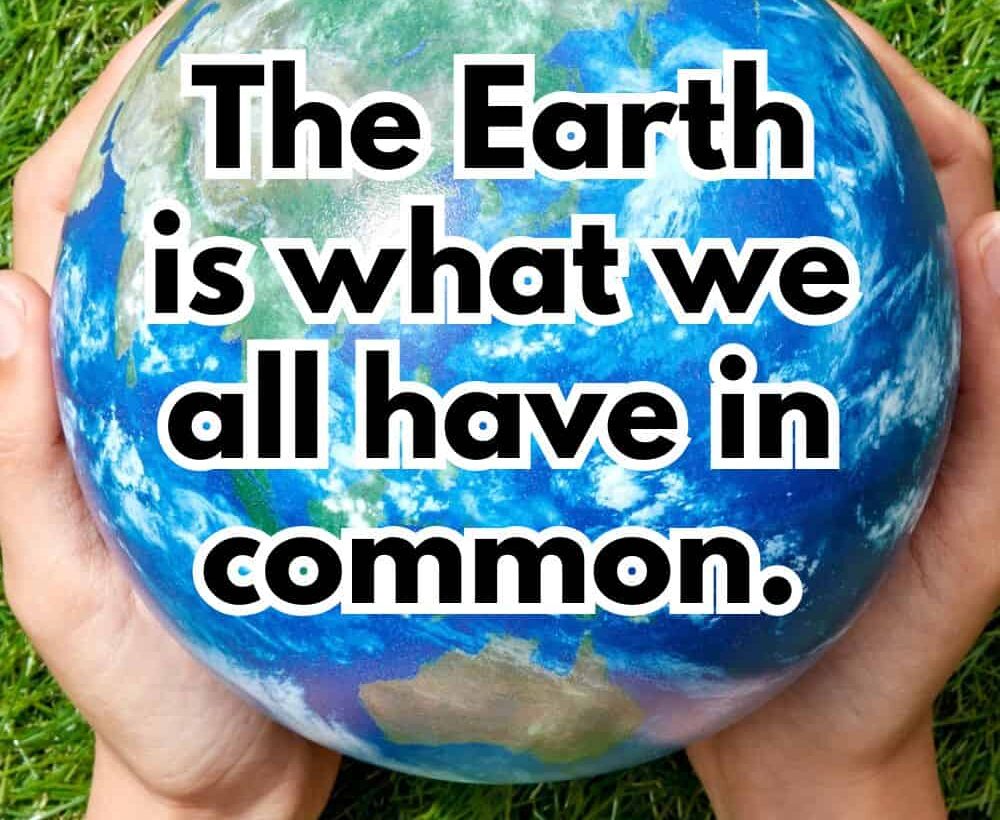
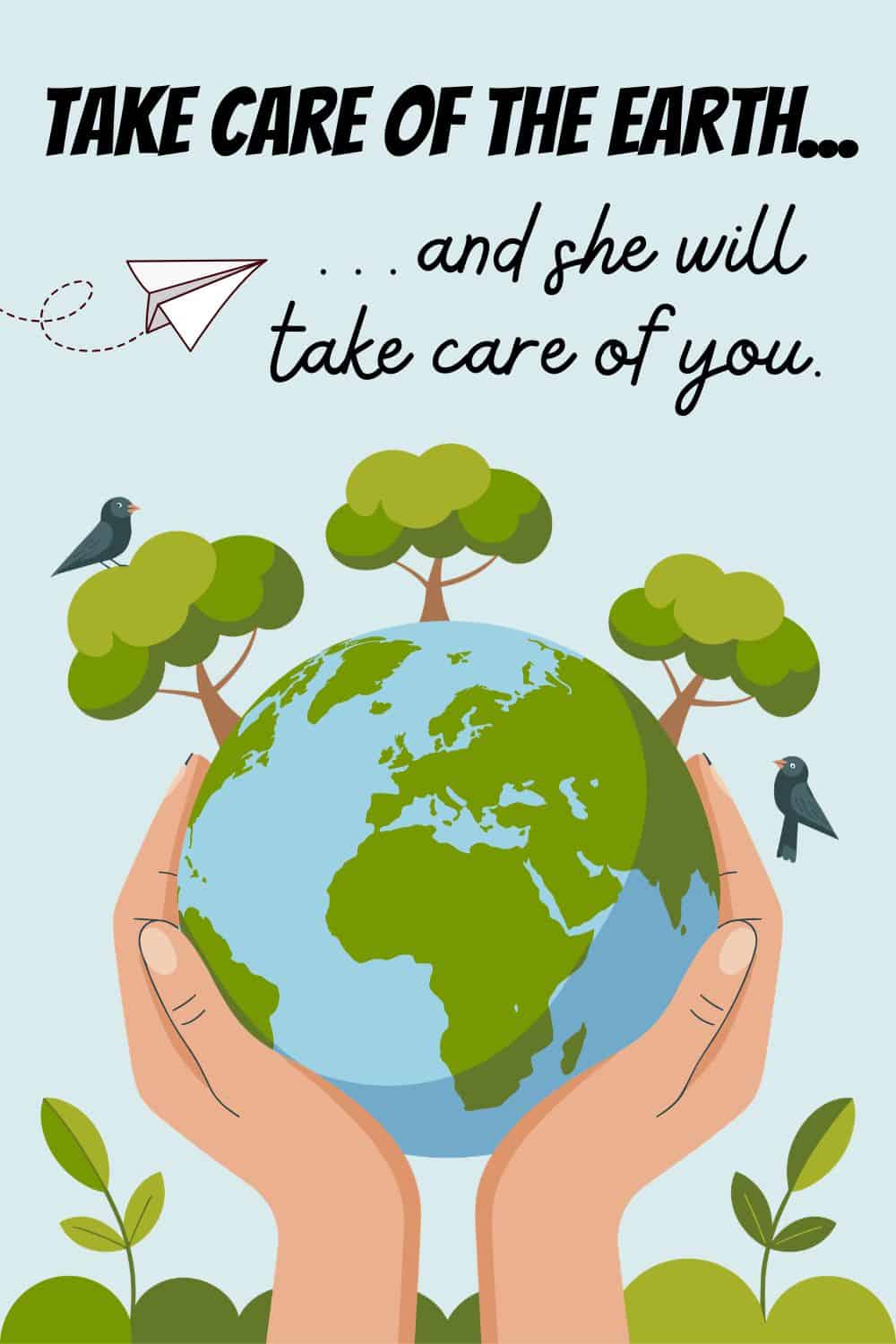
The strongest thread running through the Motivation for Mom collection is shared responsibility. The source includes Wendell Berry’s line, “The Earth is what we all have in common,” which works because it is simple enough for children while still pointing to a serious idea: environmental care is not separate from community care.
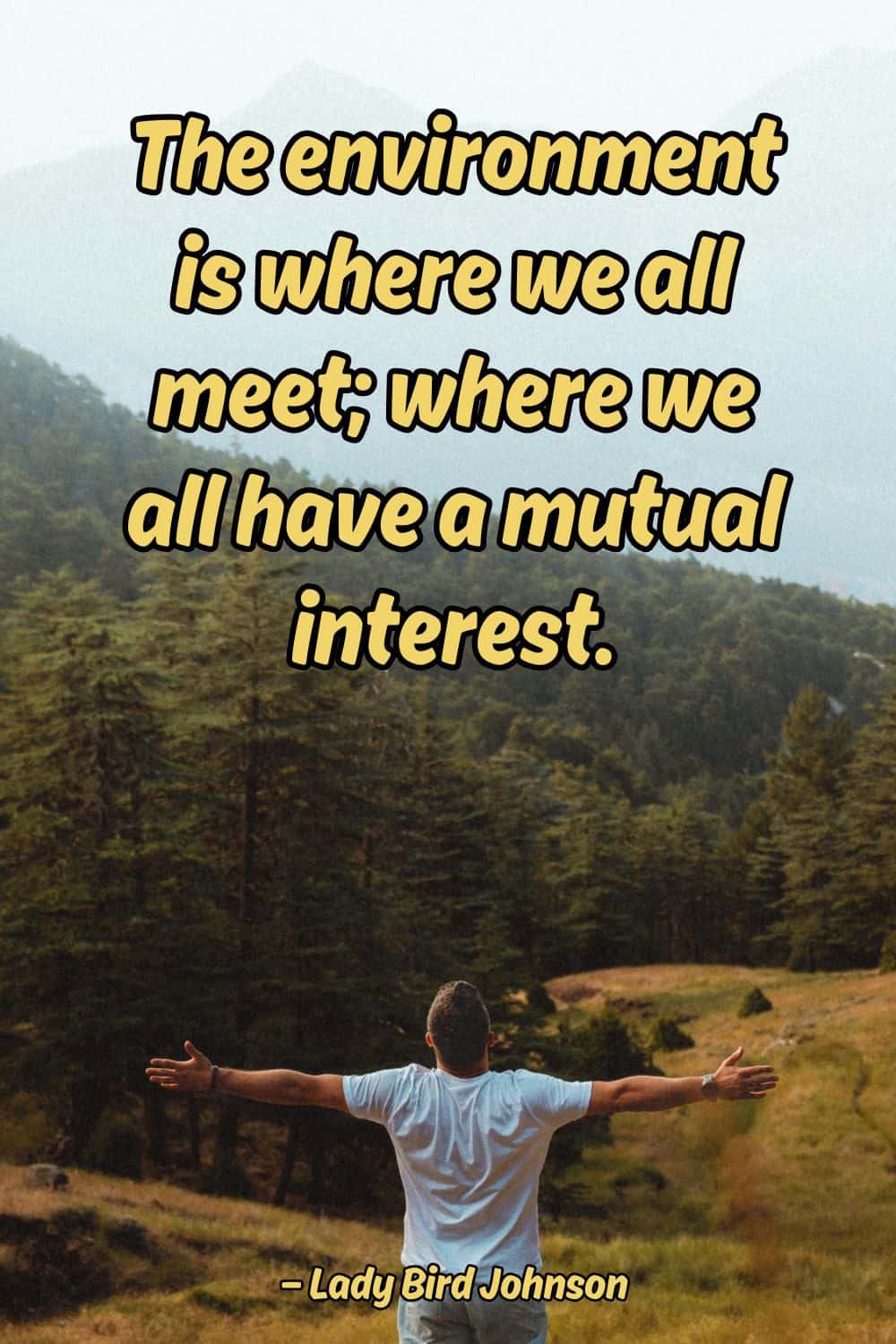
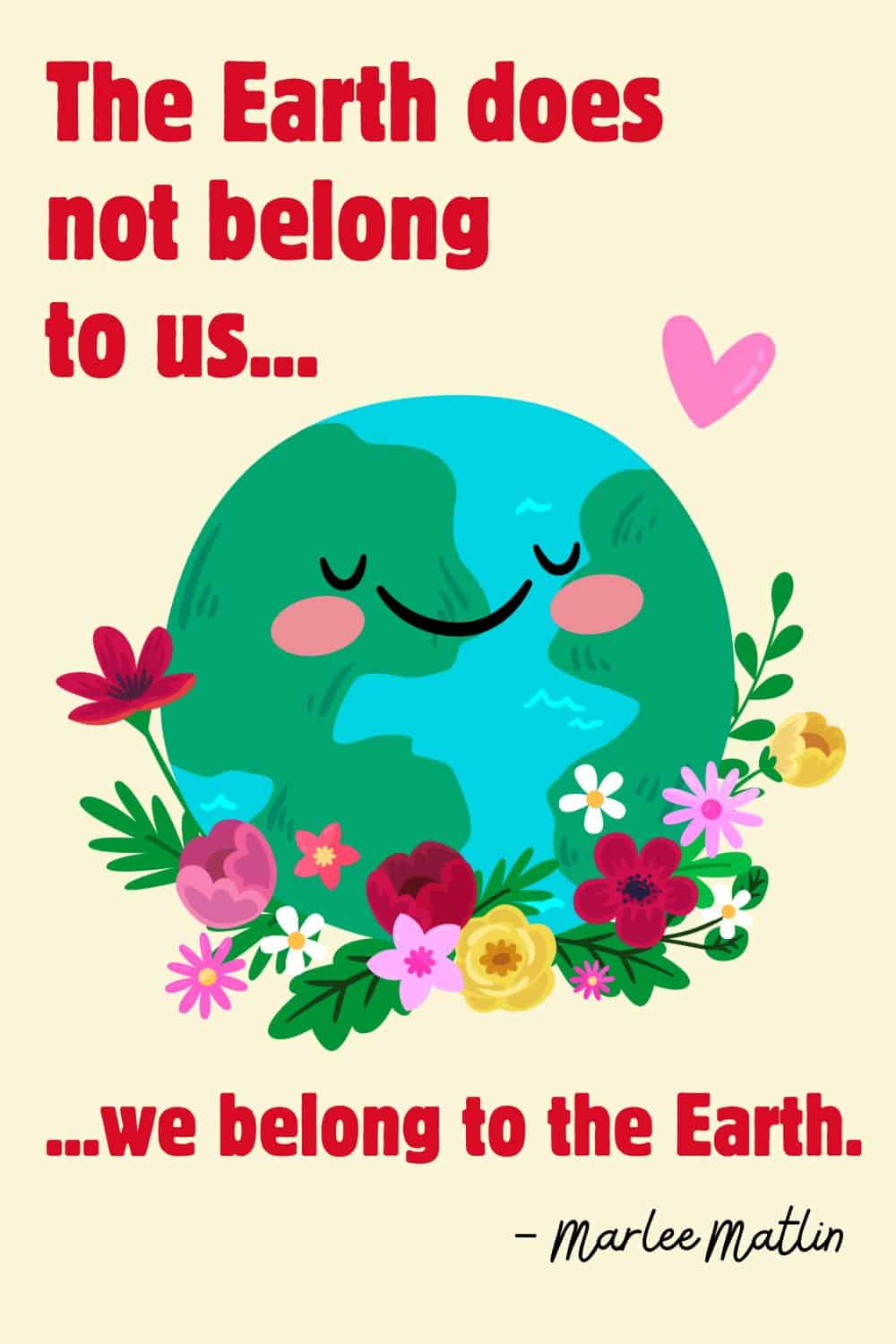
Several quotes in the source frame the planet as something people depend on rather than something people merely use. That shift matters when talking with kids. A child may not grasp large environmental systems, but they can understand that clean parks, healthy trees, drinkable water and less waste affect the daily places they know.
How to Choose the Right Earth Day Quote
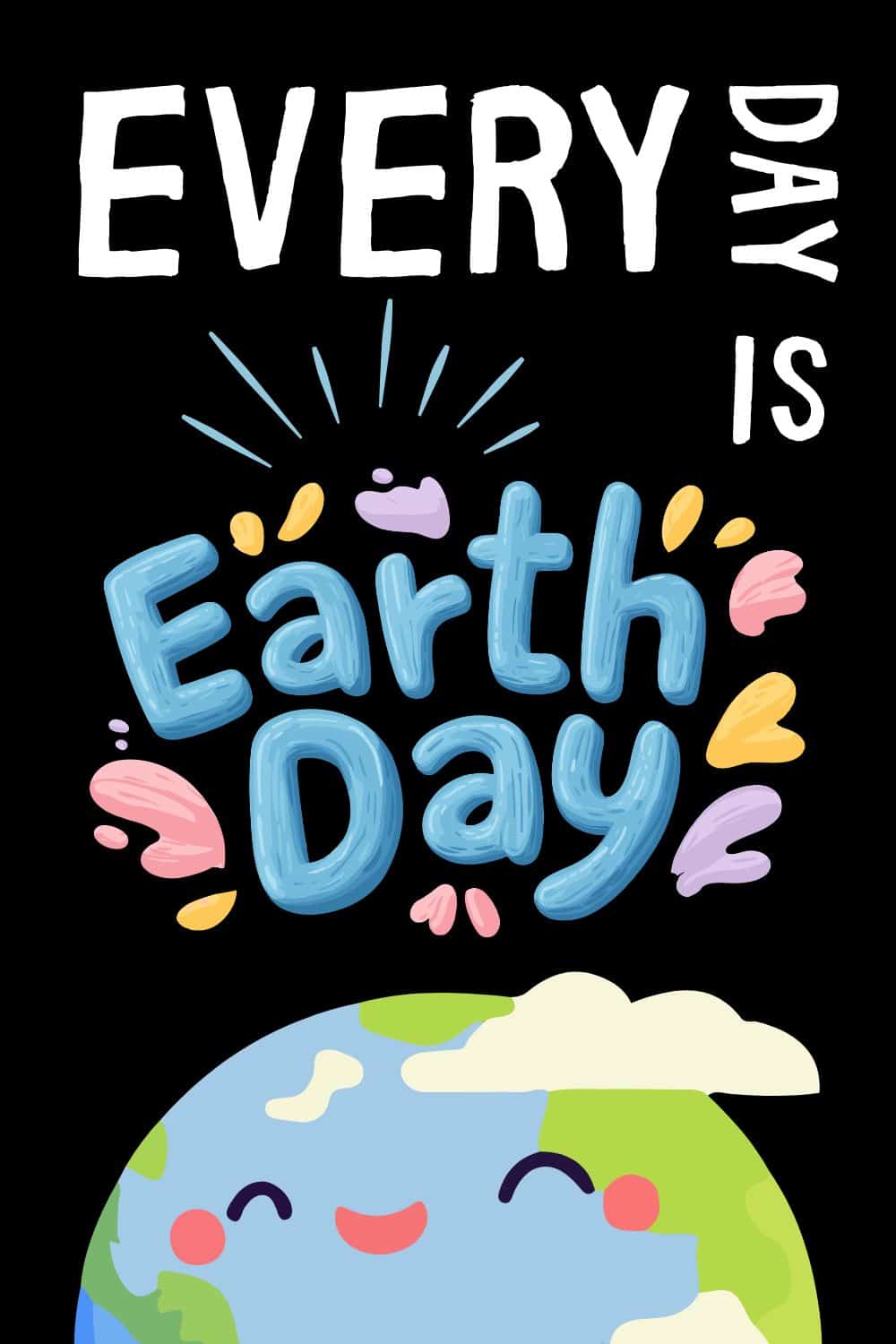
Not every quote fits every moment. A short, direct quote is best for young kids, posters and simple crafts. A more reflective quote works better for older children, journal prompts or family discussion. Motivation for Mom’s list includes both types, from brief reminders like “Every day is Earth Day” to more complex ideas about future generations and personal responsibility.
For younger children, choose a quote that leads immediately to an action: pick up litter, plant something, use less water or spend time outside noticing details. For older kids, choose a quote that asks them to think about cause and effect: what happens when people wait for someone else to solve a problem, or when today’s choices affect tomorrow’s environment?
Key Takeaways
- Motivation for Mom’s source article presents Earth Day quotes as prompts for appreciation, responsibility and action.
- The most useful quotes for kids are short, concrete and easy to connect to a real habit.
- Nature-focused quotes can be used for reflection, while action-focused quotes work well for cleanup days, crafts and family challenges.
- Earth Day language is most effective when it moves from inspiration to one doable next step.
Turning Quotes Into Family Conversations
A quote becomes more useful when it opens a specific question. After reading one, families can ask: What does this mean in our home? What is one thing we waste without noticing? What outdoor place do we want to take better care of? These questions keep the conversation practical instead of vague.
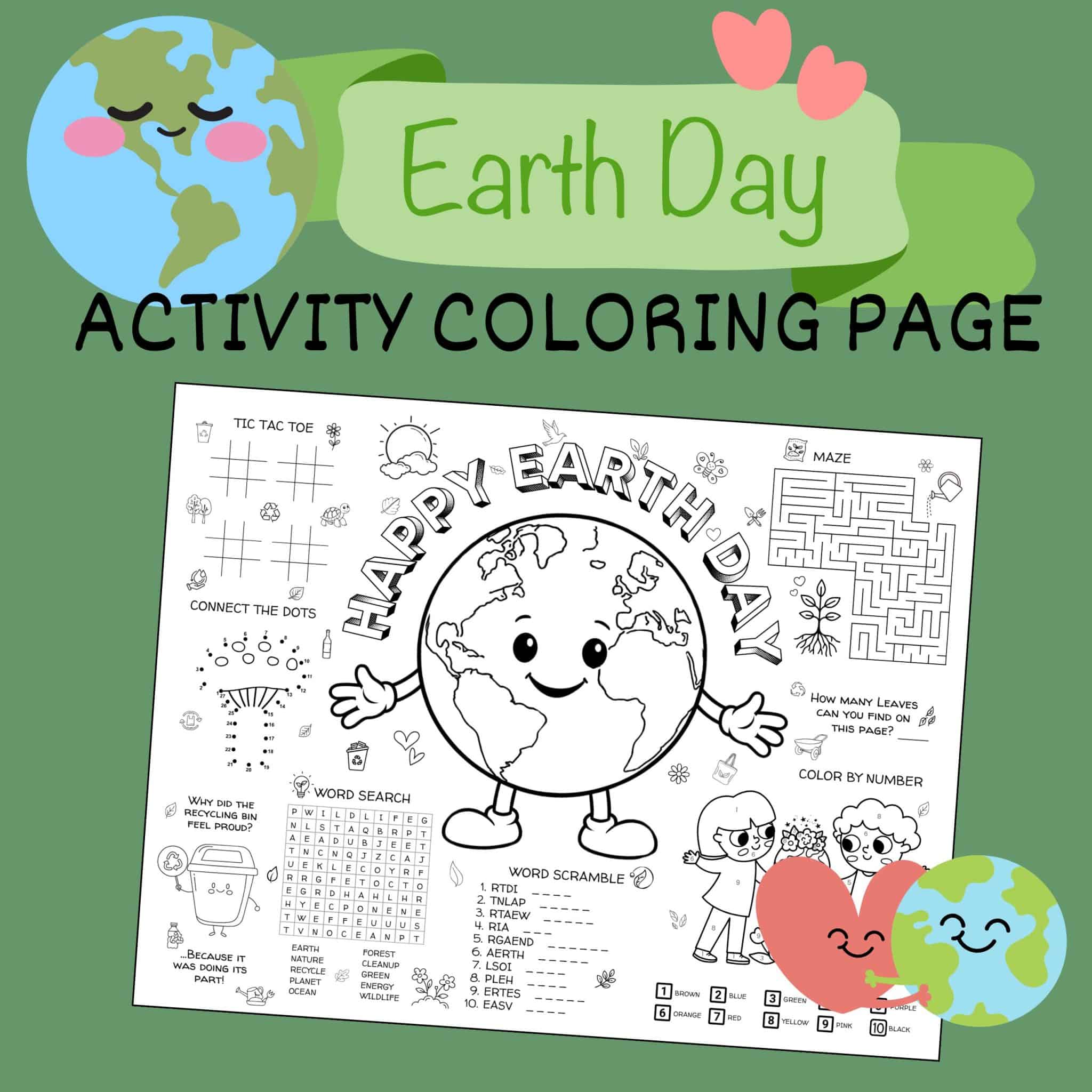
The source also emphasizes teaching kids to care for the Earth. That does not require a lecture. A parent or teacher can pair a quote with a small task: sorting recycling, watering a plant, choosing a reusable bottle, turning off unused lights or taking a short walk to notice trees, flowers and birds. The quote gives the action a little meaning without making the activity feel heavy.
Quotes About Nature Versus Quotes About Action
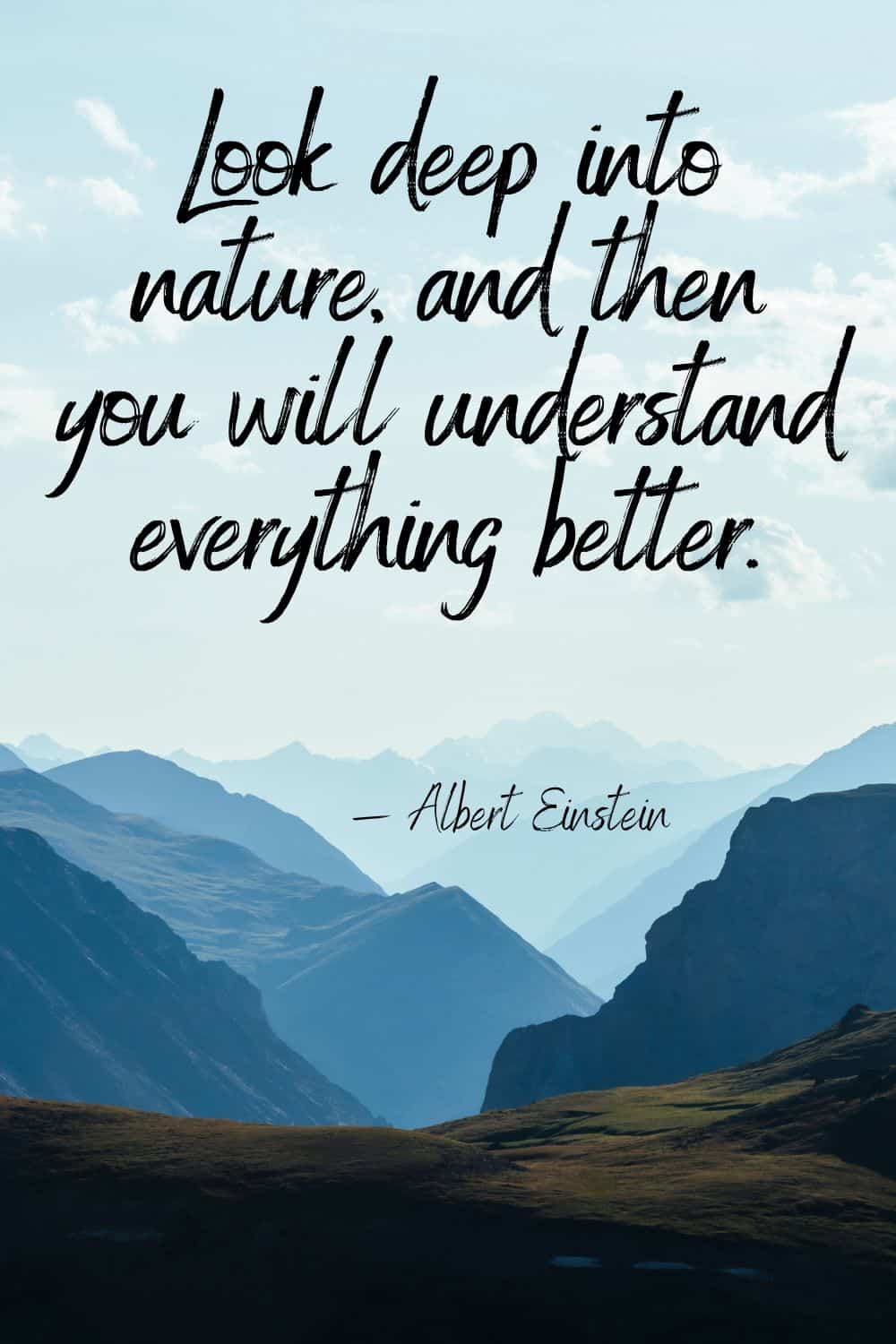
The Motivation for Mom article mixes two kinds of Earth Day quotes. Some are about noticing beauty, such as lines attributed in the source to John Keats, Vincent van Gogh, Ralph Waldo Emerson and John Muir. These are useful when the goal is wonder: helping kids slow down, observe and enjoy the natural world.
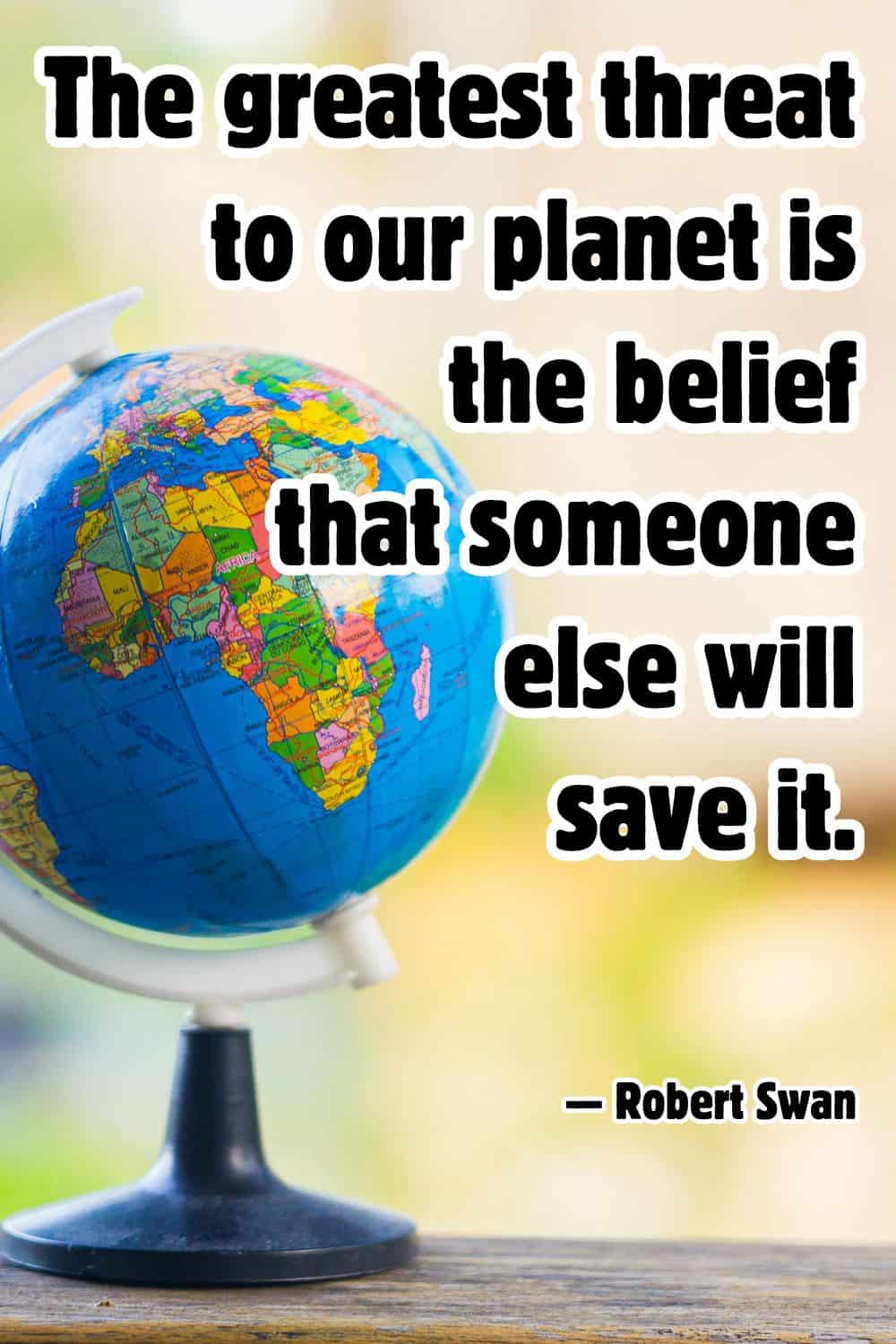
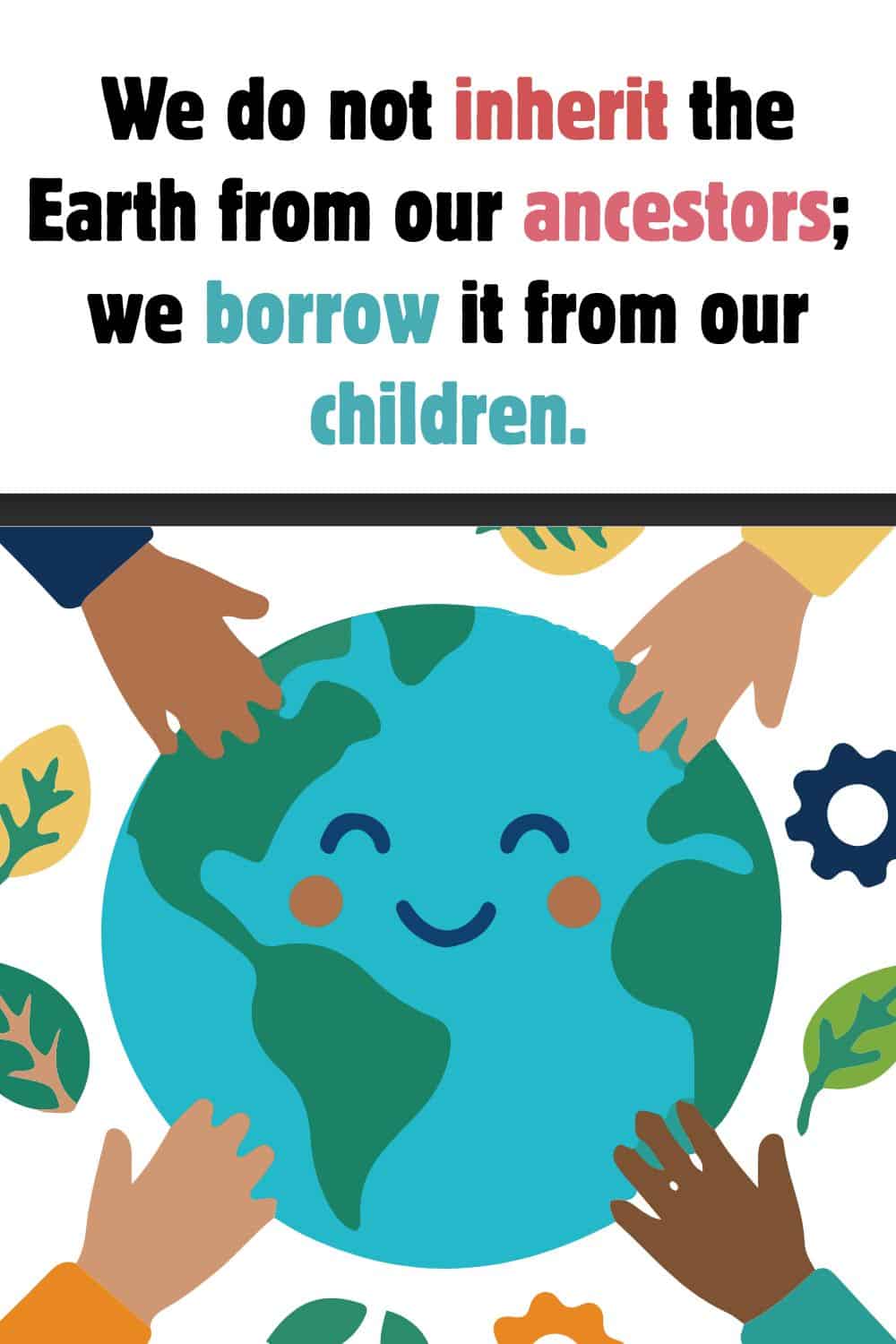
Other quotes are about responsibility. The source includes Jane Goodall’s reminder that what people do makes a difference, as well as Robert Swan’s warning about assuming someone else will save the planet. These are better suited to discussions about habits, choices and follow-through.
Both types matter. Appreciation can make care feel personal, while action keeps appreciation from staying abstract. For an Earth Day activity, pairing one beauty-focused quote with one action-focused quote can give kids both a reason to care and a way to begin.
A Practical Way to Use the Source List
Instead of asking children to read all 20 quotes at once, choose three and give each one a job. Use one as a discussion starter, one as a creative prompt and one as a commitment. For example, a child might draw what the quote makes them picture, then name one Earth-friendly habit they can try for the week.
For classrooms, the same approach can become a simple station activity: read, reflect, act. For families, it can be as small as choosing a quote at breakfast and connecting it to one realistic choice that day. The point is not to make Earth Day perfect. It is to make care for the planet feel understandable, repeatable and shared.
That is the real value of a quote collection like this one: it gives people a starting point. The lasting part comes afterward, when the words become a habit, a conversation or a small act of care.
Inspired by this post on Motivation for Mom.