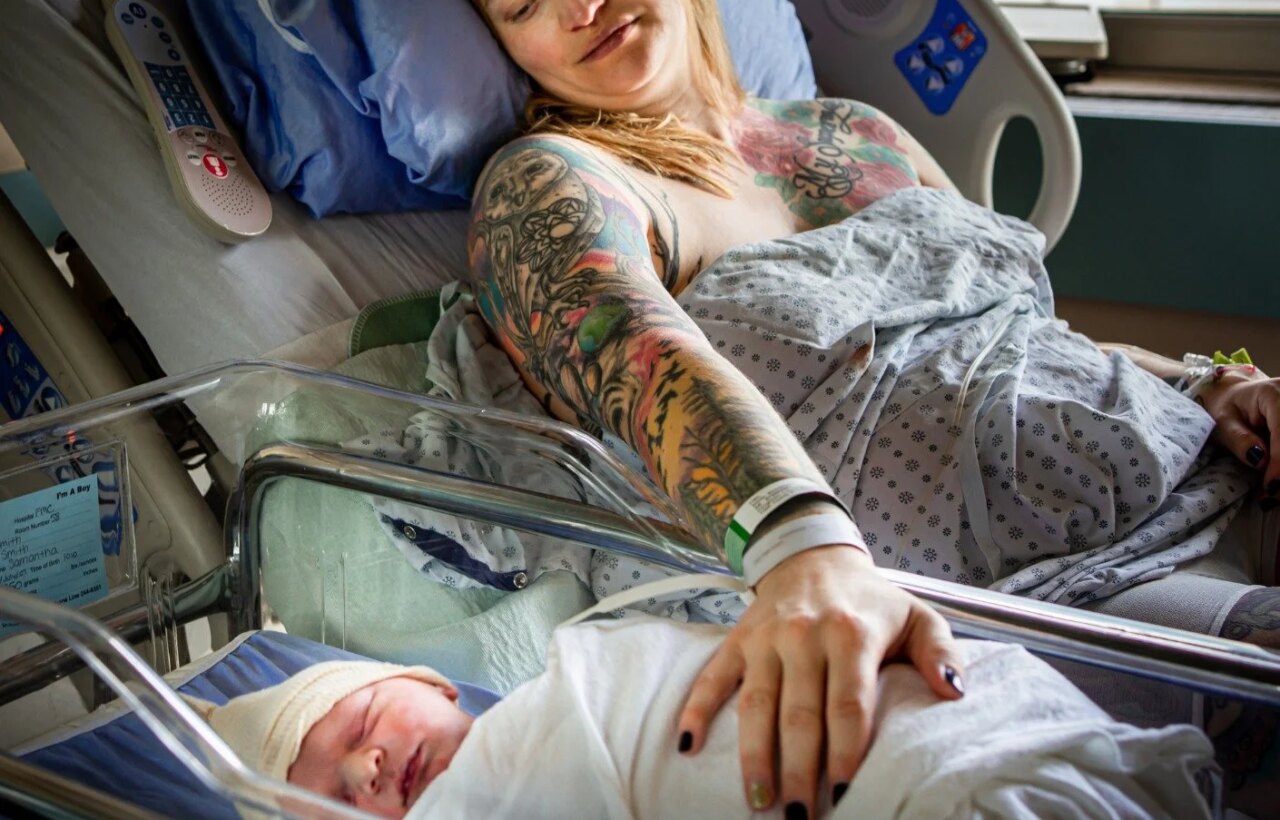
A cesarean birth can be planned, unexpected, calm, stressful, or some mix of all of those things. What does not change is that recovery asks a parent to heal from birth while also learning the rhythms of life with a newborn.
Drawing on guidance reported by Welcome Baby Co. Blog, this article reframes cesarean recovery around the questions many parents have first: what is happening to the body, what needs attention at home, and when should a care provider be called?
Recovery Is Both Birth Recovery and Surgery Recovery
A cesarean is not simply another delivery method to move on from quickly. Welcome Baby Co. Blog describes it as major abdominal surgery, with recovery often taking about six weeks, while noting that healing varies from person to person.
That distinction matters because the body is doing several jobs at once. The incision needs to heal, pain needs to be managed, bleeding and infection risks need to be watched, and the core and pelvic floor are still recovering from pregnancy. At the same time, the parent may be feeding, holding, soothing, and waking through the night with a newborn.
The practical takeaway is not to treat feeling a little better as proof that normal activity can resume. Early progress is encouraging, but the recovery plan should still be paced around rest, careful movement, and medical instructions from the care team.
The First Hours and Hospital Stay Set the Tone
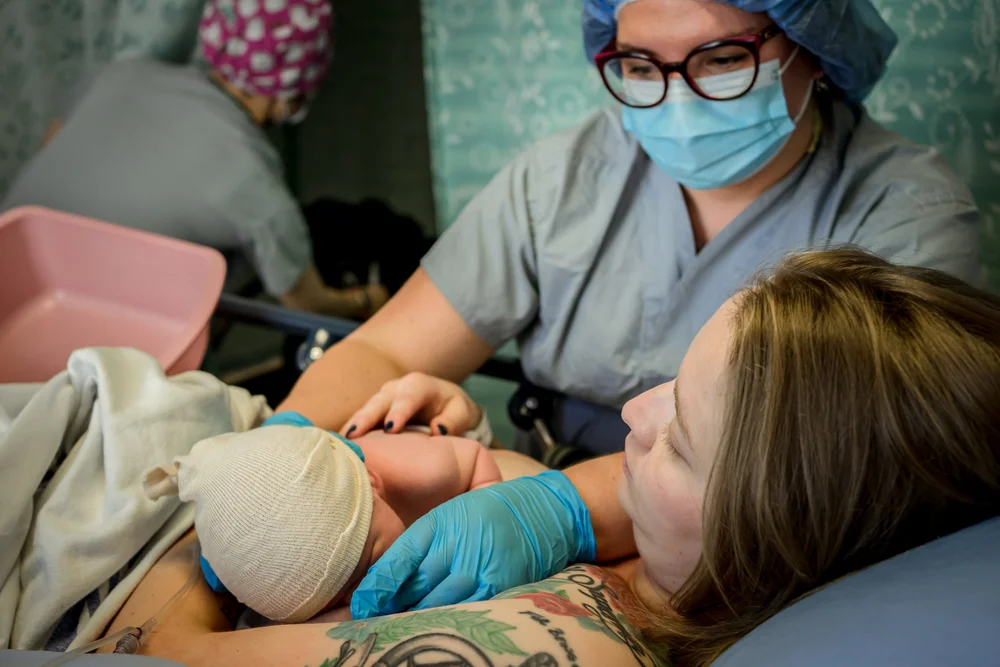
According to Welcome Baby Co. Blog, after surgery a parent typically moves from the operating room to a post-op recovery area for monitoring. The source says nurses may check the incision, bleeding, vital signs, and the baby’s adjustment while anesthesia is still wearing off.
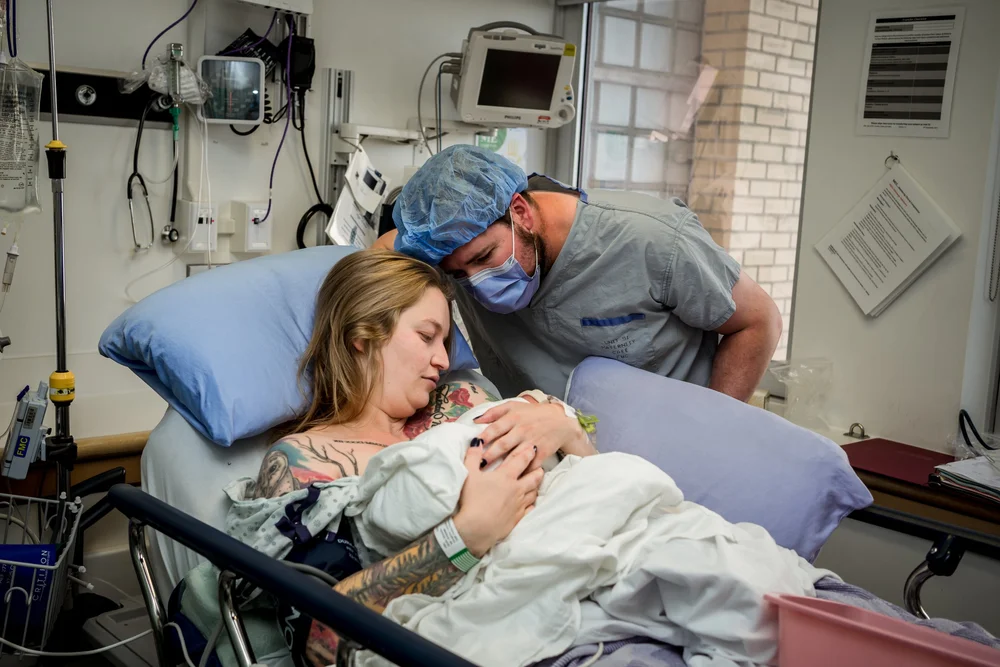
The same source notes that this period may include numbness or tingling as spinal or epidural anesthesia fades, a catheter, pain medication through IV or oral routes, support with feeding, and monitoring for signs of infection. Some families may have skin-to-skin contact in the operating room, while the post-op area may allow a longer, more comfortable opportunity.
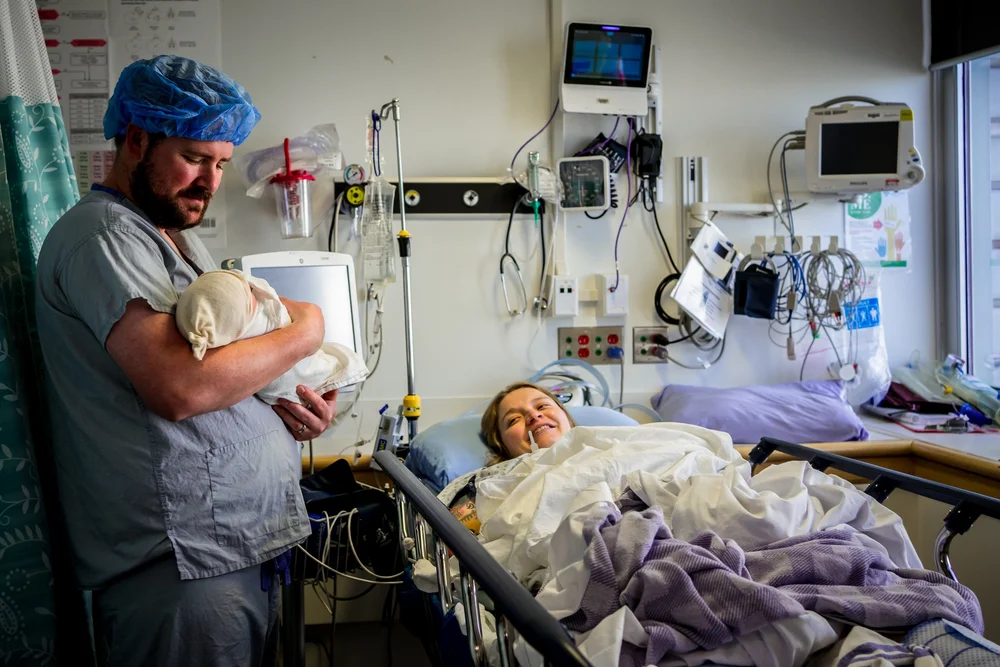
Welcome Baby Co. Blog also reports that in Calgary hospitals such as Foothills, Peter Lougheed, Rockyview, and South Health Campus, the standard stay after a cesarean is 48 hours, or two nights. During that time, the source says patients may begin walking within a few hours, have the catheter removed, and receive help with feeding, incision care, and moving with less discomfort.
Key Takeaways
- A cesarean is major surgery, so recovery should be treated as a real healing period, not just a short pause after birth.
- Welcome Baby Co. Blog reports that recovery commonly takes about six weeks, though individual timelines vary.
- Pain control, incision checks, hydration, fibre-rich foods, and avoiding heavy lifting can make daily recovery more manageable.
- Even after a cesarean, pelvic floor and core recovery still matter because pregnancy itself affects those muscles.
- Fever, incision changes, worsening pain, foul-smelling bleeding or discharge, dizziness, severe headaches, vision changes, or trouble urinating or having a bowel movement should prompt medical advice.
Home Recovery Is Mostly About Reducing Strain
Once home, the most useful strategy is often subtractive: fewer visitors, fewer errands, fewer chores, and fewer chances to overuse the abdominal muscles. Welcome Baby Co. Blog advises leaning on a support system for tasks that are not directly about caring for the baby or recovering.
Incision care is one of the clearest daily responsibilities. The source recommends following discharge instructions, keeping the area clean and dry, and checking for increased redness, swelling, warmth, worsening pain, or discharge. It also says most people can shower normally, then gently pat the incision dry, while avoiding soaking in a tub or pool until cleared by a doctor.
Pain medication is another area where timing matters. Welcome Baby Co. Blog says patients should follow their care team’s instructions and may find over-the-counter options such as acetaminophen or ibuprofen sufficient, while taking medication as advised instead of waiting for pain to become intense. The source also notes that opioids, if prescribed in hospital, can contribute to constipation.
Food and fluids support the same goal. The source recommends protein, complex carbohydrates, healthy fats, high-fibre foods, and plenty of water. This is not about perfect postpartum eating; it is about giving the body enough energy and digestive support while activity is limited.
Heavy Lifting and Core Pressure Deserve Extra Caution
Welcome Baby Co. Blog advises avoiding anything heavier than the baby in the first few weeks, including laundry baskets, grocery bags, older siblings, and car seats. The reason is straightforward: extra strain on the core can increase pain and may interfere with healing.
Parents are often told to watch the incision, but the pelvic floor and core can be easier to overlook after a cesarean. The source emphasizes that pregnancy itself loads and changes these muscles, regardless of how the baby is born. It also suggests that a pelvic floor physiotherapist experienced in postpartum care can help with core recovery, incontinence, abdominal separation, or lingering discomfort.
A useful rule of thumb is to treat uncertain tasks as worth asking about. If a movement causes pulling, sharp pain, pressure, or worry, it is reasonable to stop and check with a care provider before repeating it.
Know the Difference Between Hard and Concerning
Cesarean recovery can be uncomfortable and emotionally uneven, but some symptoms should not be brushed aside. Welcome Baby Co. Blog says to contact a healthcare provider or go to the hospital for a fever of 38 C (100.4 F) or higher, redness, swelling, warmth, or discharge at the incision site, a sudden or significant increase in pain, foul-smelling vaginal bleeding or discharge, difficulty urinating or having a bowel movement, severe headaches, visual disturbances, dizziness, or anything that feels unusual or worrisome.
The emotional side deserves the same seriousness. The source notes that parents may feel relief, joy, gratitude, disappointment, sadness, or grief, especially if the birth unfolded differently than expected. None of those feelings means the birth was less real or the parent did something wrong.
Support can come from a partner, trusted friend, postpartum group, therapist, doula, or medical professional. The important part is not waiting until distress feels unmanageable before naming it. Physical healing and emotional recovery are separate needs, and both deserve care.
For any parent recovering from a cesarean, the best plan is usually simple but not always easy: follow discharge instructions, protect the body from unnecessary strain, ask for help early, and treat new or worrying symptoms as valid reasons to contact a professional.
Inspired by this post on Welcome Baby Co. Blog.