A baby’s sleep setup has to do two jobs at once: keep the room comfortable and keep the crib free of unsafe extras. Newton Hush’s guide focuses on that balance, especially the risk of overheating and the temptation to add blankets when a baby seems chilly.
The useful approach is not to chase one perfect number all night. It is to combine a reasonable room setting, safe sleepwear, and quick body checks so caregivers can adjust before a baby becomes too warm or too cold.
Start With The Room, But Do Not Stop There
According to Newton Hush, the American Academy of Pediatrics does not give one exact room temperature that prevents overheating in every home. The source instead points to a practical benchmark: a room that feels comfortable for a lightly clothed adult.
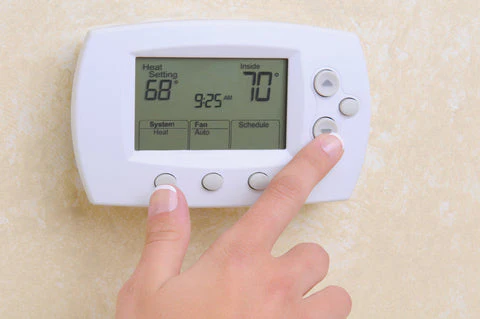
For families who want a narrower target, Newton Hush cites pediatrician Sheridan Hernandez, M.D., as suggesting a room temperature between 68 and 72 degrees Fahrenheit. That range can be a helpful starting point, but it still needs to be judged alongside clothing, bedding, humidity, sunlight, and the baby’s own cues.
A nursery thermometer can make this less guesswork-heavy, especially if it has a clear digital display and temperature alerts. Newton Hush also notes that humidity matters: the source cites the EPA recommendation of 30% to 60% humidity for a baby’s room. Too much moisture may encourage mold, while air that is too dry may irritate skin and nasal passages.
Read The Baby, Not Just The Thermostat
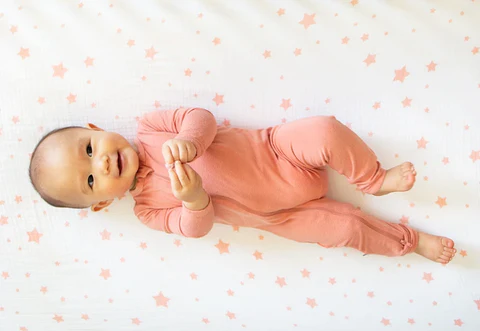
The most important check is how the baby’s core feels. Newton Hush recommends looking at the chest, neck, back, and tummy rather than judging by hands and feet, which can feel cool even when the baby is not cold overall.
- Possible signs of being too warm include a sweaty neck or hair, flushed cheeks, rapid breathing, clammy skin on the core, or heat rash.
- Possible signs of being too cold include a cool core, shivering, restlessness, or a pale look in babies with lighter skin tones.
- Signs of comfort include a warm chest, relaxed posture, usual coloring, and steady breathing.
Newton Hush also reports that babies who are uncomfortable may wake more often, though heat and cold may affect sleep differently. The source says NIH studies found that cold babies may be more likely to wake, while babies sleeping in higher temperatures had more difficulty waking to auditory signals.
Use Layers Instead Of Loose Bedding
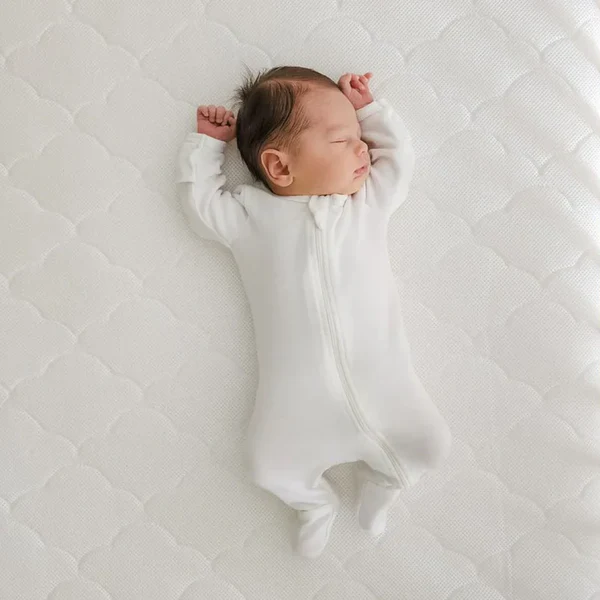
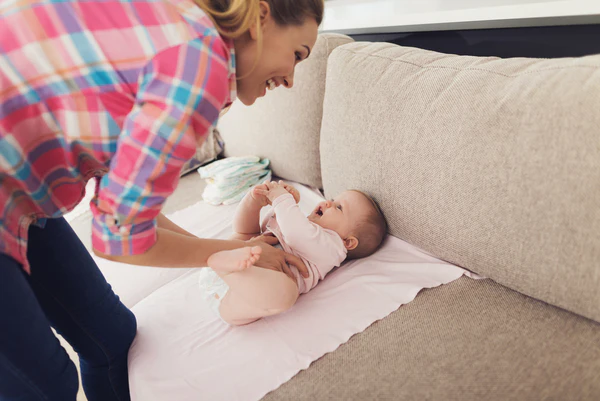
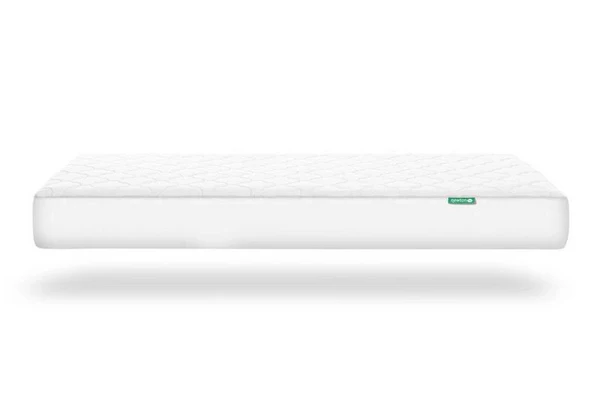
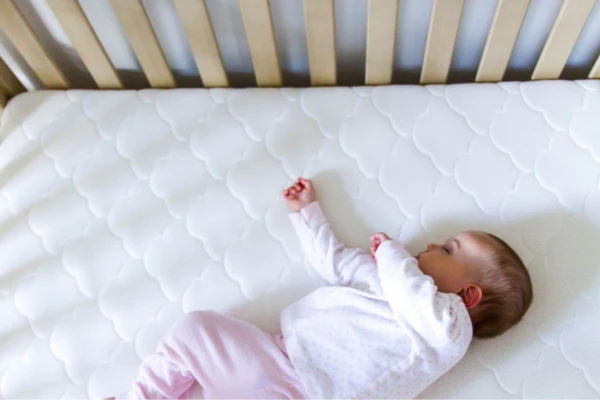
The crib setup is where comfort advice and safety advice overlap. Newton Hush emphasizes that babies should not be covered with loose blankets. The source says the AAP recommends a firm mattress with a fitted sheet and no other bedding or soft objects to reduce suffocation and SIDS risk.
That leaves clothing to do the warming. Newton Hush describes swaddles for newborns and sleep sacks as wearable alternatives to loose blankets. The source says swaddling should stop around two months old or when a baby first shows signs of rolling over, whichever comes first.
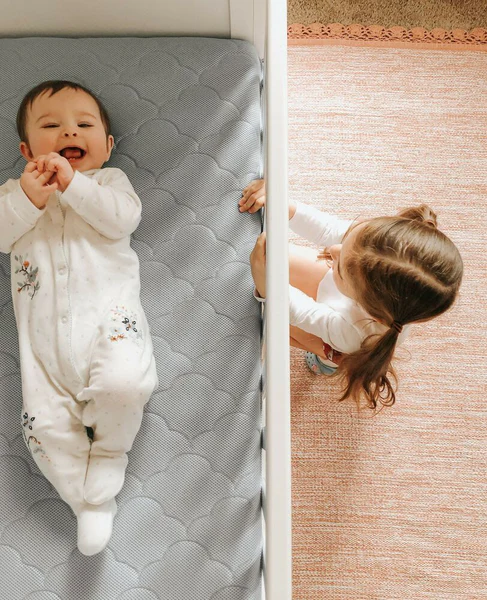
The source also points to TOG ratings as a way to compare warmth in sleepwear: 0.5 TOG for hot weather, 1.0 TOG as a medium-weight option, and 2.5+ TOG for colder conditions. These ratings are a guide, not a substitute for checking the baby’s body temperature and comfort.
Newton Hush further reports the AAP advice that infants should wear no more than one extra layer beyond what an adult would wear comfortably in the same environment. If the baby’s hair is damp, cheeks are flushed, or core feels sweaty, removing a layer or adjusting the room is the more useful response than adding more gear.
Watch Heat Sources, Sunlight, And Seasonal Changes
Room temperature can shift quickly depending on where the crib sits. Newton Hush advises keeping babies out of direct airflow from heaters, air conditioners, or fans. The same caution applies to placing the crib under or beside a heating or cooling source, and any device or cord should stay out of reach.
Sunlight can also warm a room faster than expected. Blackout shades may help during naps because they reduce both light and heat, especially when direct sun hits the nursery.
Travel, daycare, visits with relatives, illness, and between-season weather all make the usual setup less predictable. Newton Hush suggests packing a variety of layers for unfamiliar sleep environments and checking more often when a baby is sick, since temperature comfort may change through the night.
Key Takeaways
- A room around 68 to 72 degrees Fahrenheit is presented by Newton Hush as a practical target, but comfort checks still matter.
- Check the chest, neck, back, or tummy rather than relying on cool hands or feet.
- Use swaddles or sleep sacks instead of loose blankets, and stop swaddling when rolling begins or around two months.
- Dress babies for the room, generally with no more than one extra layer compared with a comfortable adult.
- Keep cribs away from direct heating, cooling, and strong sunlight when possible.
A Simple Nightly Habit
Baby sleep temperature does not need to become a constant calculation. A reasonable thermostat setting, breathable and age-appropriate sleepwear, a bare crib with a fitted sheet, and one or two calm comfort checks can cover most nights. When the environment changes, the safest move is to adjust layers slowly and let the baby’s core temperature guide the next step.
Inspired by this post on Newton Hush.