
Combo feeding can mean different things from one household to the next: nursing at some feeds, pumping for others, using donor milk or formula when needed, or combining several approaches during the same season of infancy.
The larger point, according to hibobbie Blog, is that mixed feeding is not rare. The source reports that the 2024 State of Feeding Survey found 80% of new parents intended to breastfeed exclusively, while 25% were doing so by six months. It also cites CDC data saying 75% of U.S. families use formula in some capacity by a baby’s half birthday, with many of those families also continuing to breastfeed.

Combo Feeding Is Often a Practical Response
Exclusive feeding goals can feel simple before birth and much more complicated afterward. Milk supply, infant health, latch, recovery, sleep, mental health, work schedules, and available support all affect what is realistic.

Hibobbie Blog frames combo feeding as a flexible tool rather than a sign that breastfeeding has failed. That distinction matters for parents who want to keep breastfeeding but need a bridge, a backup, or a more sustainable routine.

When Milk Supply Needs Time to Build
Milk production usually begins after birth through hormonal changes and then responds to milk removal through nursing or pumping. But the source notes that this process does not always begin on a predictable schedule.
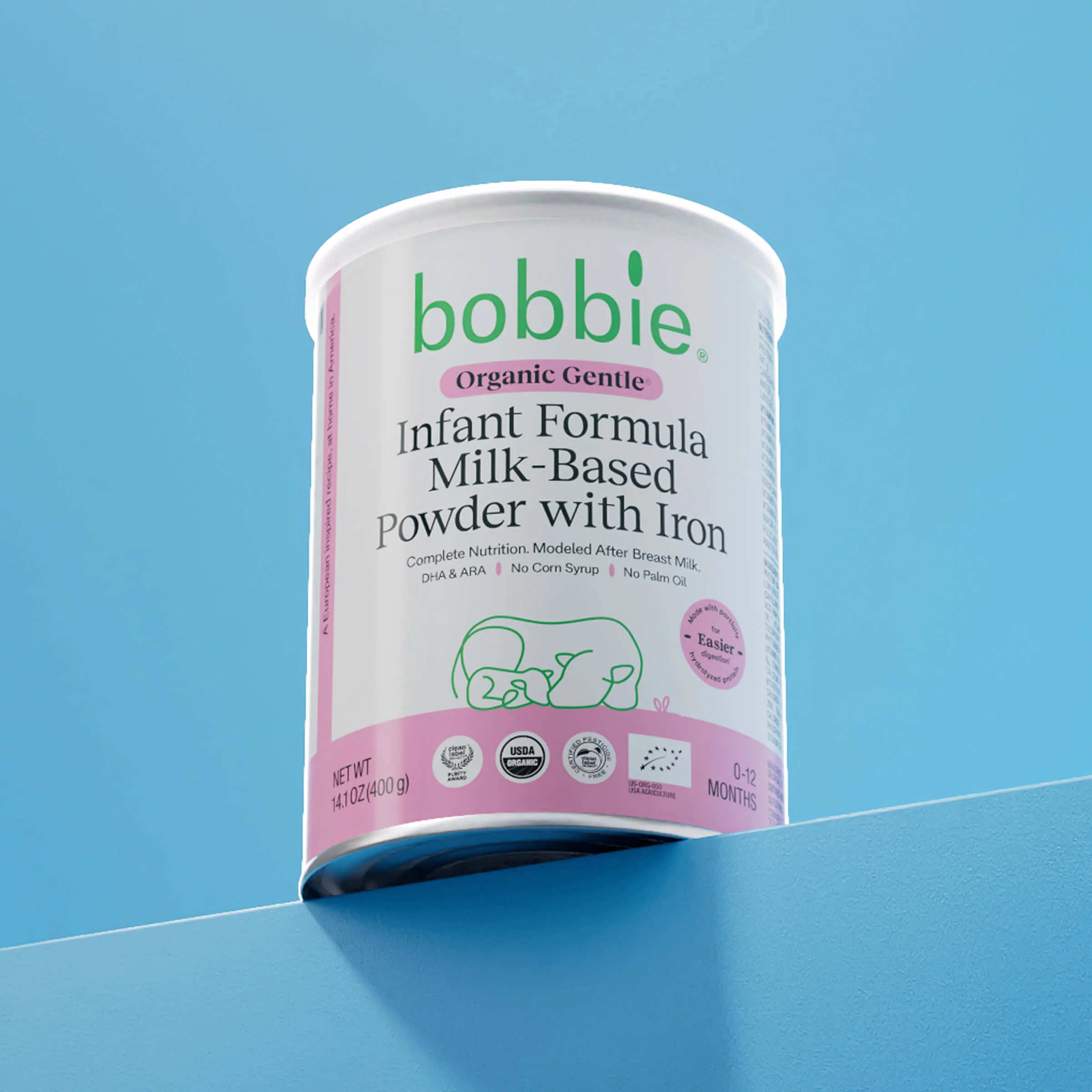
According to the article, about 1 in 3 first-time mothers experience delayed milk coming in or lower-than-expected supply in the early postpartum period. It lists several factors that may contribute, including long or complicated labor, C-section birth, heavy bleeding after birth, and pregnancy-related conditions such as obesity, gestational diabetes, gestational hypertension, and thyroid disease.

In that situation, supplementing with formula or donor milk may give the baby immediate nutrition while the parent works with a health-care team on supply-building strategies such as skin-to-skin contact, hand expression, frequent nursing, or pumping. That plan can be temporary, long term, or somewhere in between.

When the Baby’s Medical Needs Come First
Some newborns need feeding support because of their own health status, not because of anything the parent did or did not do. Hibobbie Blog points to premature birth, health complications, and NICU care as examples where stability, calories, growth, and conserving the baby’s energy may take priority.

A feeding plan in those circumstances may include direct breastfeeding when the baby is able to latch, expressed breast milk, donor milk, formula, fortifiers, bottles, syringes, or nasogastric tubes. The specific mix depends on the baby’s condition and the clinical team guiding care.

The useful takeaway for parents is that medical supplementation does not automatically close the door on breastfeeding. The source describes some families transitioning toward more breastfeeding once the baby is medically stable.

When Breastfeeding Mechanics Are Painful or Inefficient
Breastfeeding is a learned physical process for both baby and parent. If latch problems, anatomy, pain, or breast inflammation interfere, the result can be poor milk transfer, parental pain, or concern about the baby’s intake.
The source names tongue ties, lip ties, cheek ties, flat or inverted nipples, nipple trauma, recurrent mastitis, and pain related to teething as possible barriers. It also notes that evaluation by a medical provider or lactation consultant may be appropriate when pain persists or feeding remains difficult.
In practical terms, combo feeding can create room to treat the underlying issue while still keeping the baby fed. It can also reduce the pressure to push through pain that deserves clinical attention.
When Parent Wellbeing and Work Realities Shape Feeding
Postpartum health is part of infant feeding. Hibobbie Blog notes that some parents may need to pause or reduce breastfeeding because of medications, postpartum anxiety, postpartum depression, sleep deprivation, or the strain of being the only person responsible for every feed.
Sharing feeds with a partner or caregiver can make rest more possible and may ease the sense that feeding is entirely on one person. For some families, that support is not optional; it is what makes the postpartum period manageable.
Work and finances can narrow choices, too. The source points to limited paid parental leave, unpaid pumping breaks in some states, inadequate pumping space, and the exhaustion of breast-pump-bottle routines as barriers that can make exclusive breastfeeding unrealistic.
Key Takeaways for Parents Considering Combo Feeding
- Combo feeding can support breastfeeding goals rather than replace them.
- Medical, physical, mental health, and work-related factors can all affect feeding choices.
- A slow milk supply start is a physiological challenge, not a measure of devotion.
- Painful or ineffective breastfeeding should prompt support from a health-care provider or lactation consultant.
- The right feeding plan is the one that keeps the baby nourished and the family supported.
Combo feeding is best understood as an adaptive feeding strategy. For families facing recovery, supply questions, infant medical needs, pain, mental health strain, or workplace constraints, it can be a practical way to protect both nutrition and caregiving capacity.
Inspired by this post on hibobbie Blog.