
For parents using infant formula, the label is only part of the decision. The harder question is what happened before the can reached the shelf: how ingredients were vetted, how each batch was checked, and how clearly a brand communicates when something changes.
Using hibobbie Blog as the source, this article explains the testing steps parents may want to understand, what Bobbie says it does beyond baseline compliance, and how to read formula safety claims with a practical eye.

Why Testing Matters Before a Formula Reaches Families
Infant formula is often a major source of daily nutrition during a sensitive stage of growth. That makes consistency and contamination control central, not optional. According to hibobbie Blog, manufacturers carry the main responsibility for making sure formula meets safety, quality, and nutrient standards, while the FDA sets and enforces requirements under the Infant Formula Act.

The source also points to events in late 2025, including a November ByHeart formula outbreak, as part of the reason testing and manufacturing controls received renewed attention. The useful takeaway for parents is not panic. It is that strong formula safety systems should be preventive, with checks built into sourcing, production, packaging, and final release.
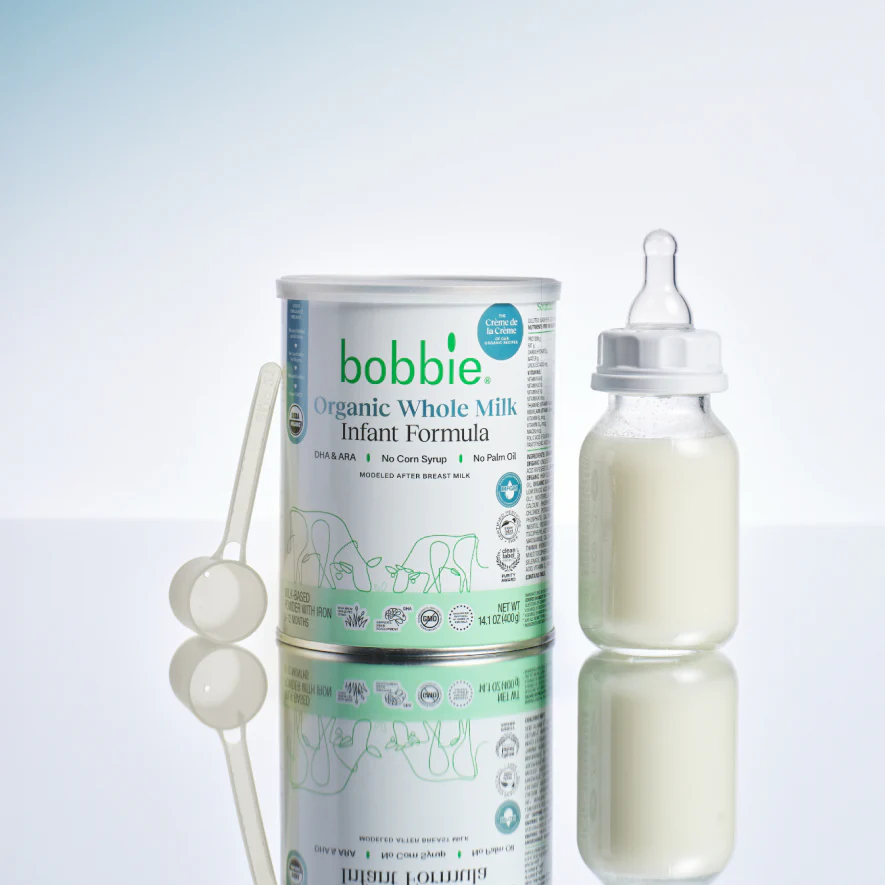
The Testing Chain Starts Before Production
Good formula testing is not just one lab result at the end. The source describes a layered process that starts with supplier qualification and audits, then moves through raw ingredient screening, controlled manufacturing environments, finished product analysis, stability testing, and a final quality review before shipment.
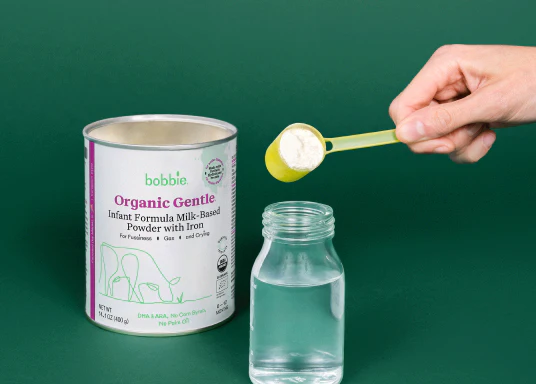
In practical terms, parents can think of testing as answering several separate questions: Are the ingredients what the manufacturer says they are? Are nutrient levels accurate? Are potential contaminants being monitored? Will the formula stay within intended ranges through its best by date? Each question addresses a different kind of risk.

- Supplier review checks whether farms and ingredient processors meet the brand’s quality expectations.
- Raw ingredient screening looks at identity, purity, nutrient composition, and possible contaminants.
- Manufacturing controls help limit cross-contamination through environmental procedures and air control.
- Finished product testing reconfirms nutrition and screens for microbiological concerns and heavy metals.
- Shelf-life testing checks whether nutrients remain in target ranges through the stated date.
What Bobbie Says It Tests For
hibobbie Blog reports that Bobbie’s quality program begins with sourcing and supplier approval. The source says its supplier review may include factors such as soil health, water quality, and manufacturing hygiene before raw materials are used in production.
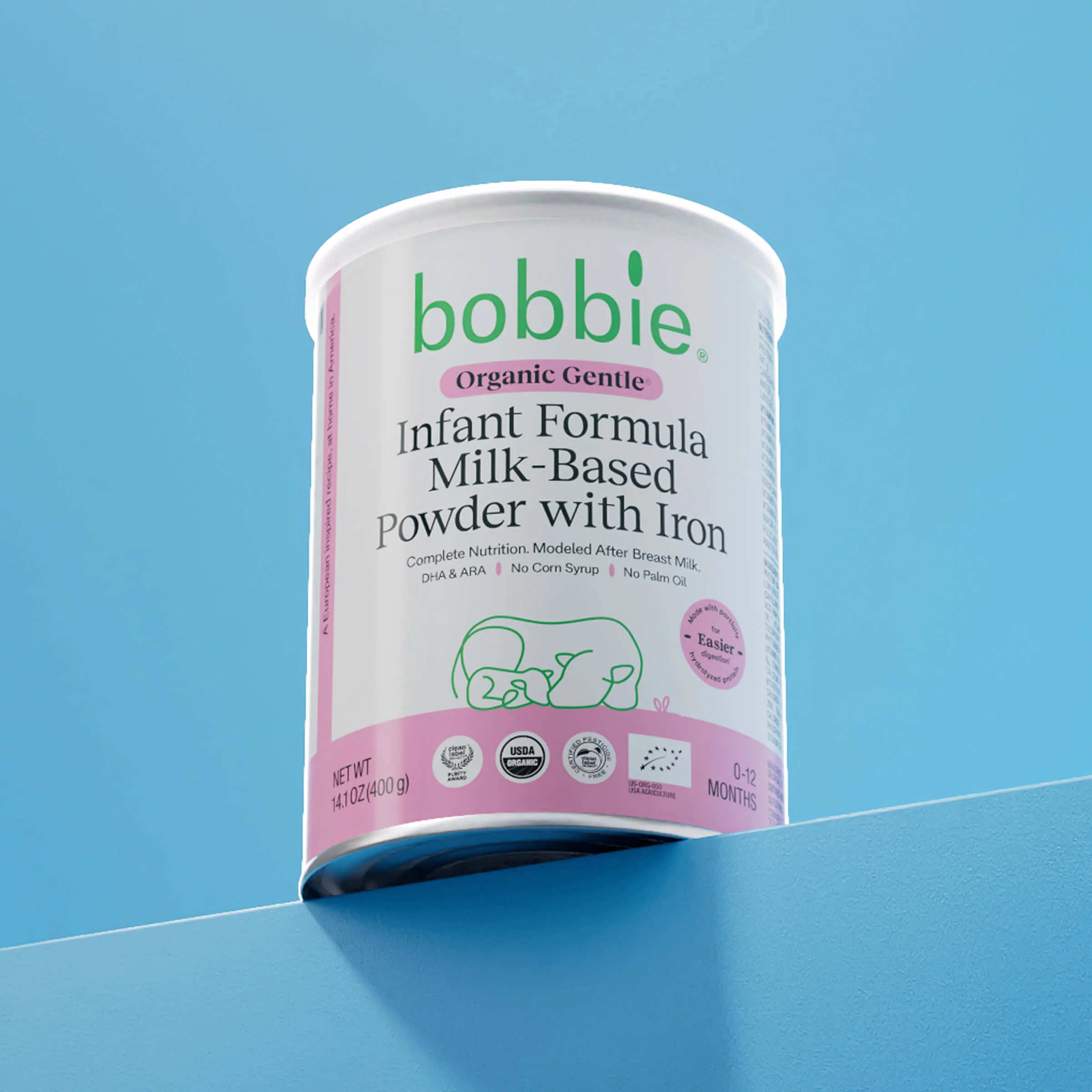
Once ingredients arrive, Bobbie says they are screened for contaminants including lead, arsenic, cadmium, mercury, pesticide residues, and plasticizers. The source further states that finished batches are tested to reconfirm nutrient accuracy, verify the absence of Salmonella, Cronobacter, sulfite-reducing clostridia, and other pathogens, and ensure heavy metals remain at non-detect or exceptionally low levels.

Another notable claim is transparency. According to the source, Bobbie publishes batch-specific test summaries that parents can search by batch number on its website, and it works with ISO-accredited independent labs for additional verification. For a caregiver comparing brands, access to lot-level information can be more useful than broad safety language that does not show how a specific batch was handled.
Key Takeaways for Parents
- Testing should cover ingredients, the production environment, finished batches, and shelf stability.
- Manufacturers are responsible for quality control, while the FDA sets and enforces formula standards.
- Batch-specific test summaries can make safety claims easier for parents to evaluate.
- According to hibobbie Blog, Bobbie screens for heavy metals, pesticide residues, plasticizers, pathogens, and nutrient accuracy.
- Parents should watch official brand and FDA recall information and contact a pediatrician about concerning feeding changes.
Understanding SRC Testing Without Overstating the Risk
One of the more technical topics in the source is sulfite-reducing clostridia, or SRC. hibobbie Blog describes SRC as a group of spore-forming bacteria found in the environment. Certain Clostridium species can survive difficult conditions, and C. botulinum, the bacterium associated with infant botulism, is included in this broader category.

The source is careful to frame illness from SRC in formula as rare, noting that clostridium bacteria are not typical for infant formula manufacturing because the conditions they need are not common in that setting. Still, the article presents SRC testing as an internal quality screening tool – not a medical diagnostic test and not proof of contamination. Its purpose is to flag potential manufacturing risks earlier.

According to hibobbie Blog, Bobbie added SRC testing as an extra safeguard after heightened industry awareness, rather than because it was a baseline regulatory requirement. That distinction matters: parents should understand both what the test is designed to do and what it cannot prove on its own.
How to Compare Formula Safety Claims
The source mentions Consumer Reports testing of 41 powdered formulas, where heavy metals such as arsenic and lead appeared in some baby food and formula products. It also notes that some results were compared with drinking water benchmarks. For parents, this supports a broader point: contaminant monitoring is most useful when brands explain what they test, how often they test, and whether results are accessible.
When comparing formulas, look for concrete evidence rather than general reassurance. Useful signals include batch-level results, clear sourcing information, independent lab involvement, USDA Organic certification if that matters to your family, and credible third-party recognition such as Clean Label Project evaluation. hibobbie Blog also cites an outside review stating that Bobbie undergoes third-party testing for more than 400 contaminants while meeting FDA requirements and USDA organic standards.
Formula decisions are personal, and no article can replace individualized medical guidance. If a baby has poor feeding, lethargy, or other concerning changes, the source recommends consulting a pediatrician. The strongest position for parents is informed but not overwhelmed: know where to find batch information, follow official recall updates, and choose brands that make their safety systems visible.
Inspired by this post on hibobbie Blog.