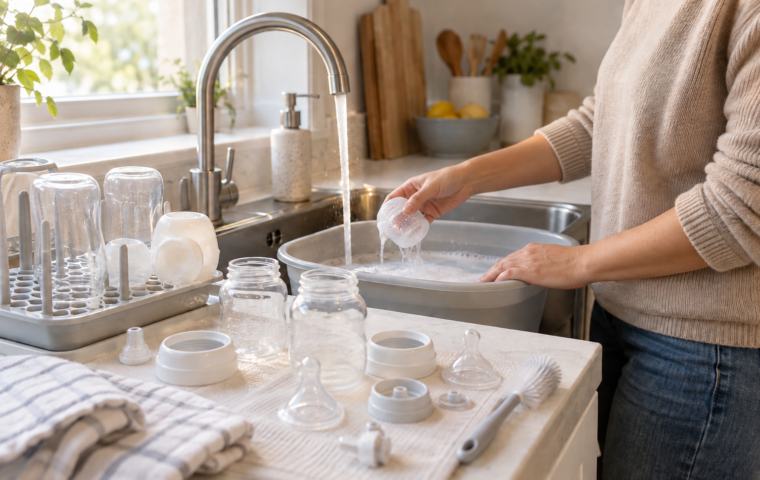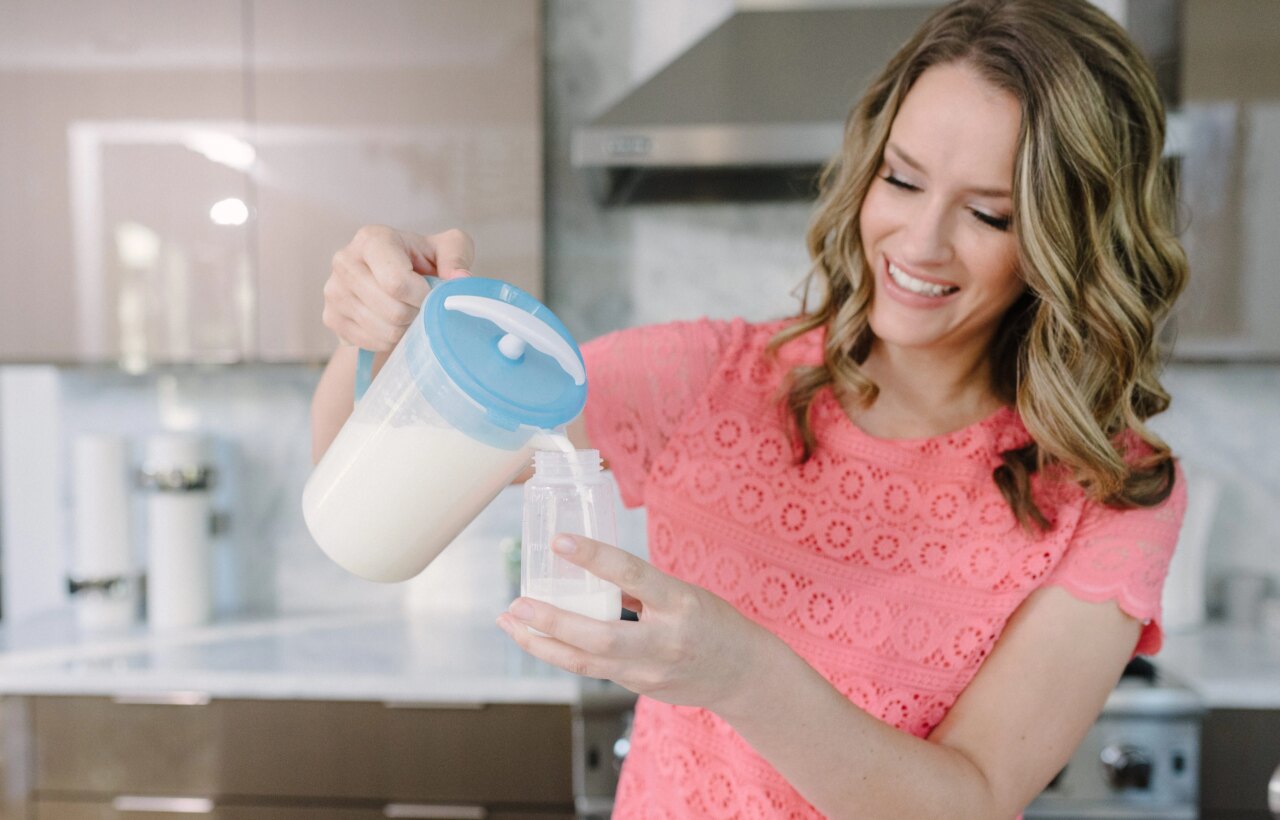
The formula pitcher method is a batch-prep approach for families who want bottles ready before a baby is hungry. Instead of mixing each bottle separately, a caregiver prepares a larger amount of formula in a clean pitcher, refrigerates it, and pours individual bottles as needed.
According to hibobbie Blog, the method can be useful for combo-feeding families, shared caregiving schedules, daycare prep, and overnight feeds. It is still a food-safety routine, so the convenience only works if the mixing, labeling, refrigeration, and discard rules are followed closely.
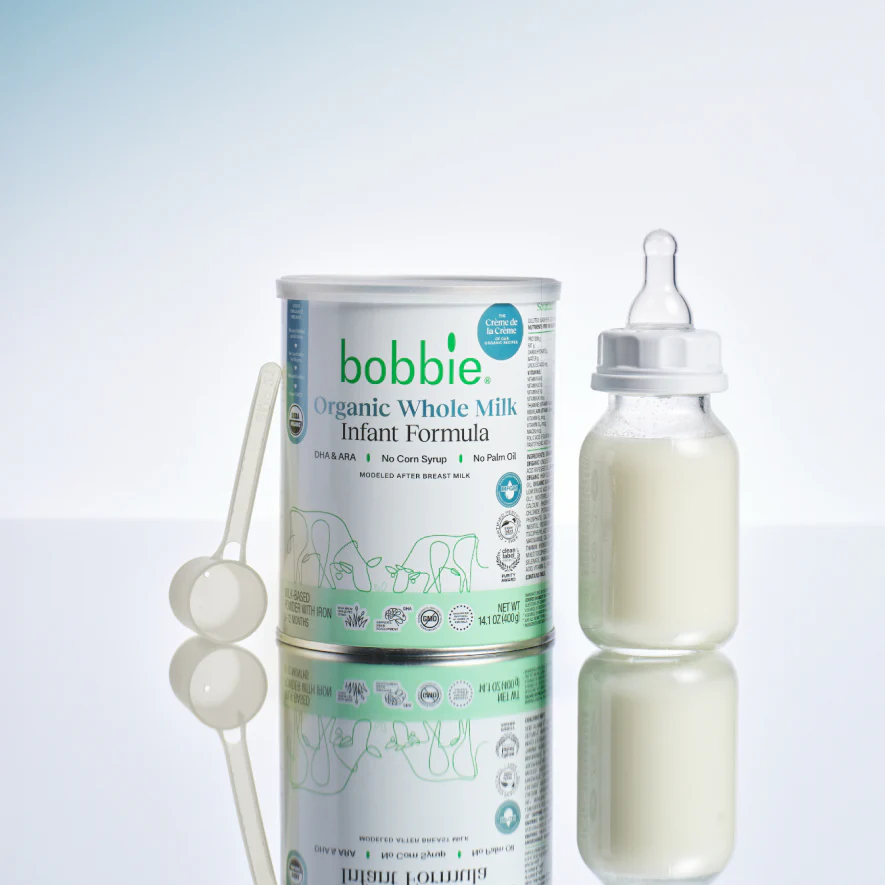
When Batch-Prepping Bottles Makes Sense
The main advantage of the pitcher method is predictability. When formula is already mixed, a parent or caregiver can pour a bottle without stopping to measure water and powder during a rushed feeding. That can matter most when several adults are helping, when bottles need to be packed for another caregiver, or when night feeds are already fragmented enough.

hibobbie Blog also frames the method as a fit for combo feeding, where breast milk and formula may both be part of the day. In that situation, a prepared pitcher can make the formula side of the routine more consistent while breast milk feedings remain separate and flexible.

It is not automatically the best setup for every household. Some babies may do better with freshly prepared bottles, and some schedules are simple enough that single-bottle prep is easier. The practical test is whether batching reduces friction without making safety tracking harder.

What You Need Before Mixing a Pitcher
The source describes a simple equipment list: a clean formula pitcher with a lid, a mixing mechanism, and a pour spout; safe water based on a pediatrician’s guidance; infant formula prepared according to its directions; the scoop that comes with the powdered formula; a label or marker; and a reliable space in the refrigerator.
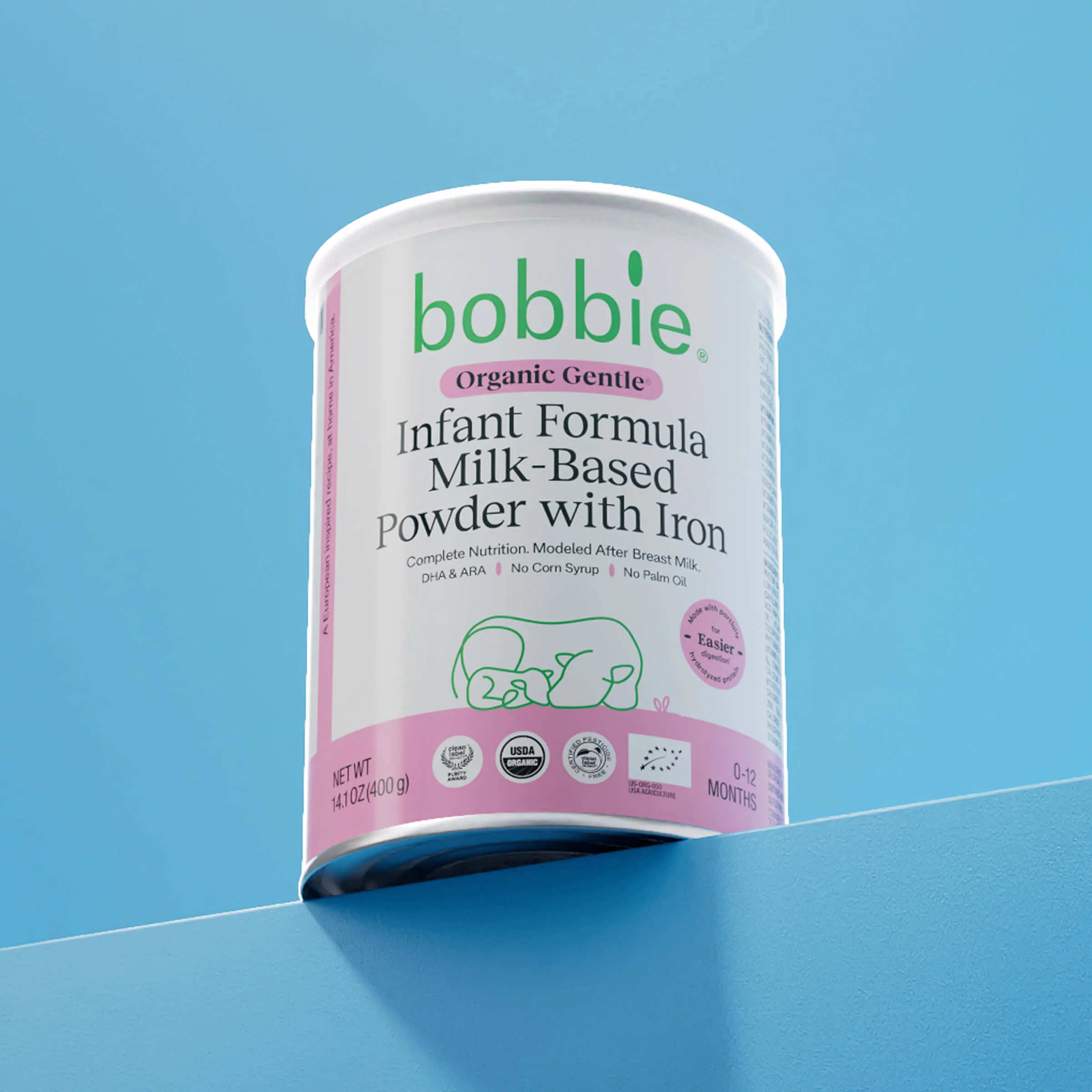
The scoop detail is easy to overlook but important. Formula powder measurements are designed around the specific scoop included with that formula. Swapping scoops or estimating can change the water-to-powder ratio, which is exactly what batch prep is supposed to keep consistent.

A Safer Order for Making a Day’s Formula
hibobbie Blog reports that prepared formula in the pitcher should be used within 24 hours. The process starts before the formula touches the pitcher: clean hands, clean equipment, and a clear plan for how much to make.

- Wash hands thoroughly, then make sure the pitcher, lid, and mixing tool are clean and sanitized.
- Add the correct amount of safe, cooled water to the pitcher before adding powder.
- Measure formula with the scoop supplied by the formula maker, following the package ratio exactly.
- Mix gently using the pitcher’s mechanism so the formula combines without unnecessary foam.
- Refrigerate the pitcher immediately and label it with the preparation date and time.
The order matters because it reduces avoidable errors. Water first helps preserve the intended ratio, gentle mixing can limit bubbles compared with vigorous shaking, and labeling gives every caregiver the same reference point.
Storage Rules Are the Real Boundary
The convenience of the formula pitcher method depends on strict storage habits. According to hibobbie Blog, the prepared pitcher should go into the refrigerator right away and should not be used past the 24-hour mark. If a bottle is poured and the baby starts feeding from it, leftover formula should be discarded within an hour from the start of that feeding.
For serving, the source says formula can be offered cold if the baby accepts it. If warming is needed, a bottle can be warmed in a bowl of warm water or with a dedicated bottle warmer. The source specifically cautions against microwaving formula.
The most common mistakes are ordinary ones: forgetting how many scoops went in, using equipment that has not been properly cleaned, leaving prepared formula at room temperature, or failing to mark when the batch expires. A simple label is not a nice extra here; it is part of the safety system.

Combo Feeding Needs Clear Separation
For families using both breast milk and formula, the pitcher method can help organize only one part of feeding. hibobbie Blog recommends keeping breast milk in separate, clearly labeled containers because breast milk and formula follow different storage rules.
If breast milk and prepared formula are combined, the source says the stricter formula safety rule applies: use the mixture within 24 hours of preparation. That makes labeling especially important, since the shortest safe timeline should guide the whole container.
The source also notes situations where the method may not fit. Premature infants, immunocompromised babies, babies with special medical needs, or babies using formulas that require careful single-bottle preparation may need a different routine. Thickened formulas for reflux are cited as an example where fresh, individual preparation may be preferred. Pediatrician guidance should override convenience.
Key Takeaways
- The formula pitcher method means preparing a larger batch of formula, refrigerating it, and pouring bottles as needed.
- According to hibobbie Blog, prepared formula should be labeled and used within 24 hours.
- Water should be measured first, formula should be measured with its own scoop, and the pitcher should be refrigerated immediately.
- Partially consumed bottles should not be saved; the source says leftovers should be discarded within an hour from the start of feeding.
- Families with premature infants, babies with medical needs, or special formula instructions should ask their care team before using this method.
The pitcher method is best understood as a planning tool, not a shortcut around formula instructions. For the families it fits, it can make feeding calmer and more consistent. For babies with more specific needs, the right routine is the one their care team recommends.
Inspired by this post on hibobbie Blog.