An Aldi run with a baby or toddler can get expensive in small increments. A seasonal snack looks useful, a kitchen item seems practical, and a piece of fall decor feels harmless. By checkout, several inexpensive extras have become a meaningful part of the bill.
The Sept. 2-8 selection makes that especially easy: late-summer grilling, football food, and pumpkin-flavoured breakfast items, coffee, cookies, and mac and cheese are arriving at the same time as folding chairs, stadium gear, and fall items for the kitchen and living room. You do not need to avoid the middle aisle or every novelty food. You need a quick way to distinguish a useful purchase from a cheap distraction.
Key takeaways
- Write your essential grocery and household list before looking at weekly finds.
- Buy a food find when it replaces something you already planned to serve, not merely because the flavour feels seasonal.
- Require every household find to have a specific job, storage place, and likely use.
- Evaluate anything your baby or toddler may eat or touch for feeding-stage and household safety separately from price.
- Review the cost of all optional finds together before checkout; individually affordable items can still produce an unaffordable basket.
Give every bargain a job before it enters the cart
Early September is a crossover period. The grill may still be in use, football gatherings are starting, and fall products are appearing around the home. That overlap creates several plausible reasons to spend at once. The practical response is to decide which needs are real before the merchandise starts making the case for itself.
Divide your list by purpose rather than by aisle. Food should cover a planned meal, a familiar snack, an adult treat, or a specific gathering. Household purchases should replace something worn out, support an outing already on the calendar, or solve a recurring problem at home. Seasonal decoration is its own category, not a household necessity in disguise.
Before adding an unplanned item, complete this sentence: This will be used for ___, and it replaces ___. A clear answer might be that a grill item will become Saturday’s dinner instead of the meal you had planned to buy elsewhere. A folding chair might replace a damaged one for an upcoming game. If the answer is simply that the item is cute, autumnal, or inexpensive, treat it as discretionary spending.
That distinction matters more than the shelf label. A low price can make a wanted item affordable, but it cannot turn an unneeded item into a saving.
Buy food finds for a meal, not for the seasonal mood
Pumpkin appearing in breakfast food, coffee, cookies, and mac and cheese during the same week creates a novelty multiplier. Each product may look like a small indulgence, yet several versions of the same seasonal flavour can occupy different parts of your grocery budget without completing a single meal.
Run each food find through these checks:
- Replacement: Does it replace a regular purchase, or is it being added on top of one? A pumpkin breakfast item can take the place of your usual breakfast. It is not a bargain if the usual breakfast comes home too and one of them goes uneaten.
- Household fit: Will the people you feed actually eat it? A flavour that appeals to one adult may still leave you preparing separate food for everyone else.
- Timing: Is there a real meal, cookout, or football gathering attached to it? A vague plan to use something later is how seasonal food gets stranded in the pantry or freezer.
- Usable value: Compare the amount your household will consume, not just the package price. A larger or cheaper package provides no saving when much of it is likely to be discarded.
- Versatility: Prefer an item that can move between planned meals over one that works only for an imagined occasion.
The distinction between a staple and a treat also helps. Coffee or cookies may be a deliberate adult treat. Mac and cheese may be intended for a meal. Neither choice is automatically wrong, but calling both essentials makes it harder to see what the seasonal theme is costing you.
For food your baby or toddler may eat, make a separate decision after the budget test. Check the texture, ingredients, allergen information, and preparation method against your child’s current feeding stage. Packaging that presents something as a family snack does not establish that it is appropriate for every child under three. If your child has an allergy, a feeding difficulty, or a plan from a clinician, follow that plan rather than substituting a weekly find because it costs less.
Grill and football foods need the same discipline. Connect them to an event that is actually happening and check what you already have first. Buying for the idea of entertaining often means paying for duplicate sauces, snacks, or freezer items that were already at home.
Make middle-aisle purchases pass the storage test
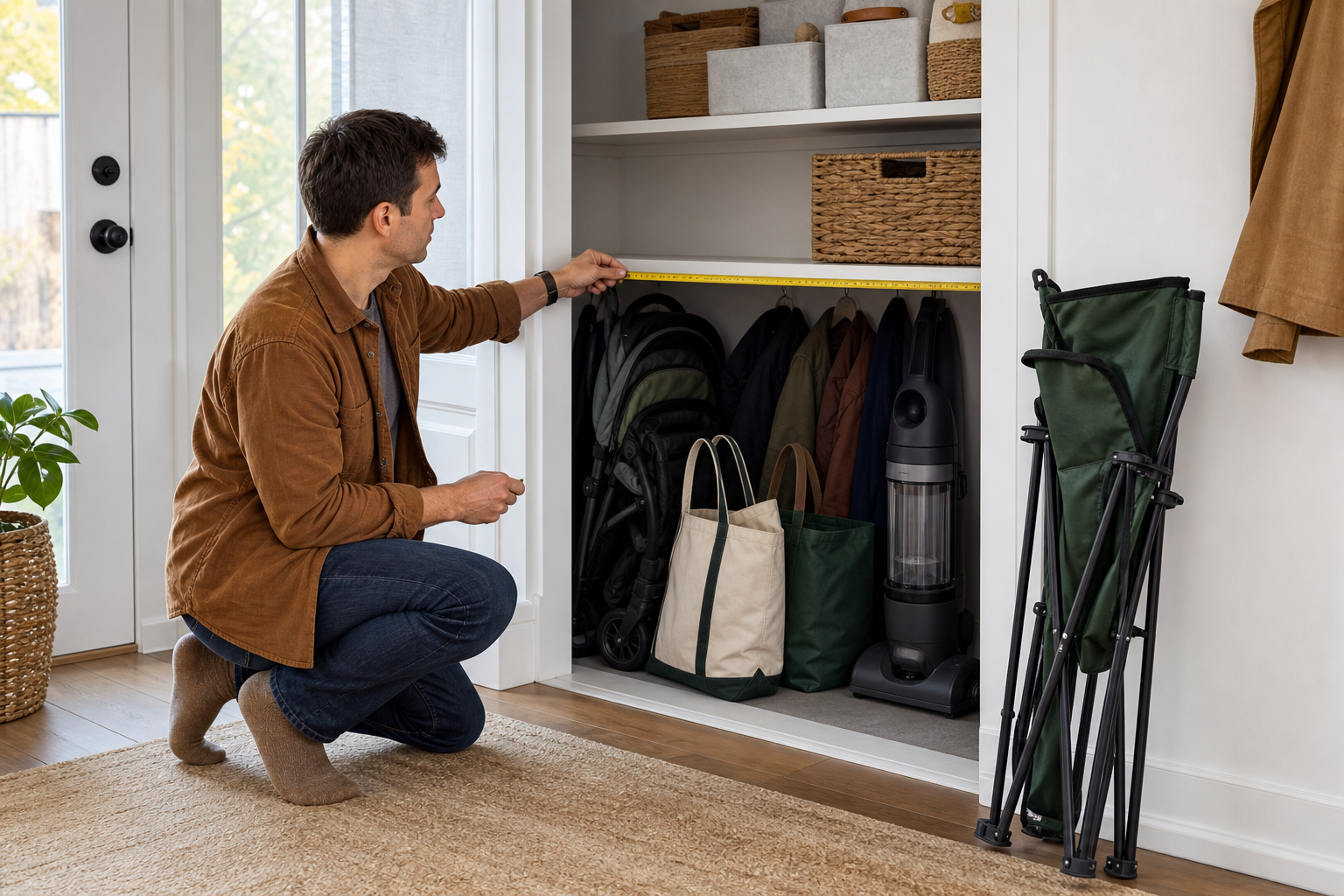
The household selection for Sept. 2-8 pulls in several directions, including football seating and gear alongside fall kitchen and living-room items. These purchases deserve a stricter test than food because they can remain in your home long after the week’s shopping bill is forgotten.
- Name the job: Identify the repeated task or specific event the item will support. General hopes about becoming more organized do not count as a job.
- Name the home: Decide where the item will be used and where it will be stored. If neither place is available now, the purchase creates a storage problem before it solves anything else.
- Check for duplication: Look at what you already own, including items in a vehicle, closet, basement, or diaper-bag staging area.
- Count the extra work: Consider assembly, batteries, cleaning, maintenance, and any accessories needed to make the purchase useful.
- Check the child zone: Consider tipping, breakage, small detachable parts, loose cords, sharp edges, accessible handles, and folding hinges before bringing the item into a space used by a crawling baby or curious toddler.
For a folding chair or stadium item, imagine the entire outing. It has to fit with the stroller, diaper bag, food, and other gear you already carry. Inspect the folding action and locking mechanism, and keep little fingers away from hinges. A chair that is awkward to transport or difficult to store may not solve the problem that justified buying it.
For fall kitchen or living-room decor, choose the placement before the product. A stable location outside a young child’s reach is more important than how well an item matches the room. If the only available surface is low, crowded, or easy to pull against, leave fragile or top-heavy decor at the store.
An organizer should also replace something or remove a recurring mess. Otherwise, it becomes another object requiring organization. Measure the intended space before shopping when fit matters, and save the measurement in your phone so a promising bargain does not turn into a guessing exercise.
Shop essentials before you browse the Finds
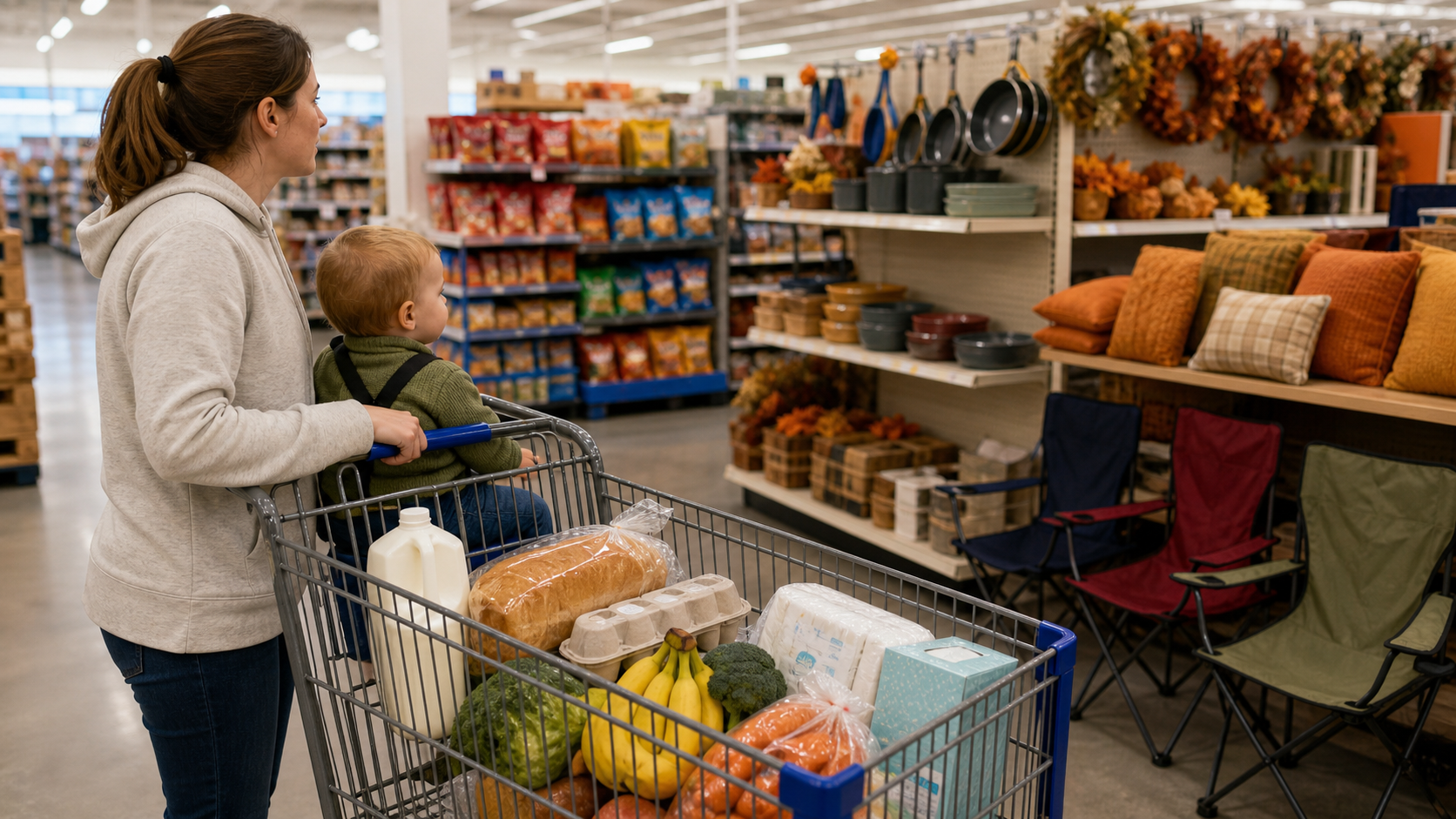
A simple shopping sequence protects your budget without requiring you to ignore the weekly assortment.
- Check the pantry, refrigerator, freezer, and household storage before leaving. Photograph crowded shelves if that is faster than writing down everything you have.
- Write the essentials first, including the feeding and care products your child reliably needs. Add a separate spending cap for optional finds.
- Shop the essential list before browsing seasonal food. This keeps genuine gaps visible and makes replacement decisions easier.
- Evaluate food finds against planned meals, household preferences, and realistic timing.
- Visit the middle aisle last. Apply the job, storage, duplication, upkeep, and child-safety checks to anything that catches your attention.
- Before checkout, identify every item that was not on the original list and total those extras as a group. Return anything that pushes the optional subtotal beyond the cap you set.
Pay attention to the total-basket effect. A snack, seasonal coffee, chair, and decor item may each seem manageable in isolation. Your household pays for the combined cart. If those extras force you to postpone a baby-care essential, a normal meal ingredient, or another known expense, they have failed the bargain test.
Do not let the weekly window rush a decision you cannot explain. Missing a discretionary product leaves your budget and storage space intact. Buying the wrong one leaves you with a cost, an object, and possibly a return errand with a young child.
Before your next Aldi run, put three headings in your phone: essentials, planned seasonal food, and household needs. Give each possible bargain a role under one of them. The best weekly haul is not the one with the most Finds; it is the one that still makes sense when you unpack it at home.
References
- Wealthy single moms – 26 Aldi food finds for Sept. 2-Sept. 8
- Wealthy single moms – 30 Aldi middle aisle bargains for Sept. 2-Sept. 8