Blog Posts
What to Say During Labor: Supportive Words That Help
Supportive labor language should be calm, respectful, and centered on the person giving birth, not a one-size-fits-all script.
Browse the journal
Supportive labor language should be calm, respectful, and centered on the person giving birth, not a one-size-fits-all script.
A practical synthesis of back-to-school routines, senior-year stress, teen independence, AI homework rules, and school policy conflicts.
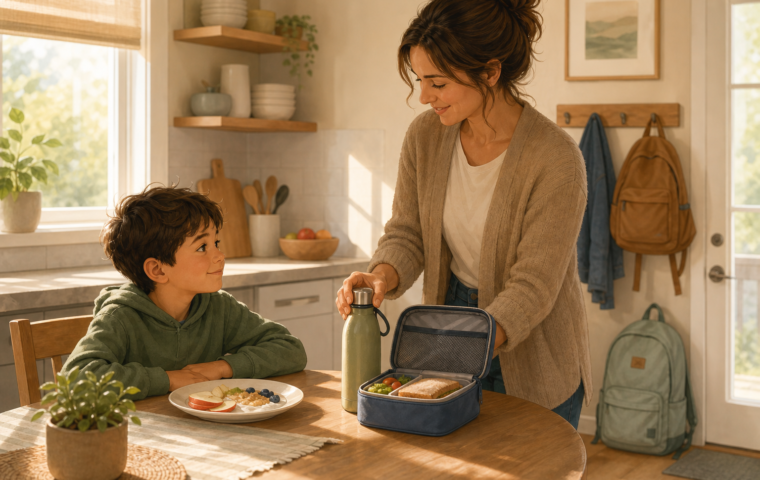
A practical synthesis on breakfast, snacks, lunchbox rules, and the social pressures that can shape how children eat during school days.
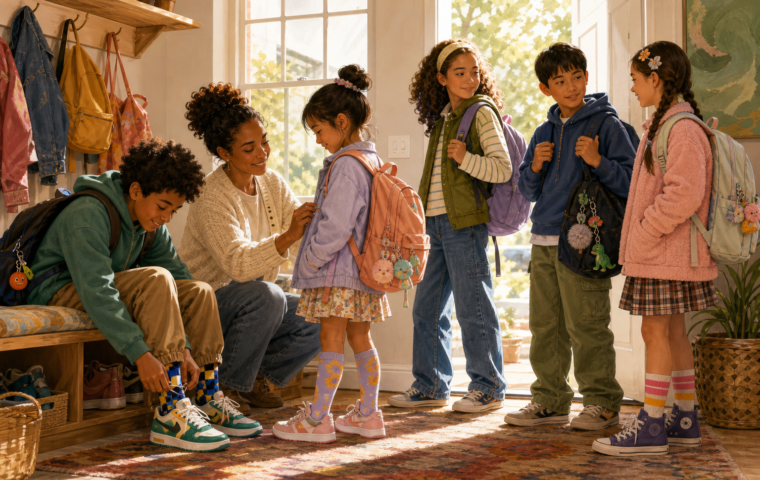
A practical synthesis on helping kids use school clothes, uniforms, hair, and accessories for self-expression within clear family limits.
A clear look at how school dress code enforcement can affect equity, belonging, and classroom learning for students.
A synthesis of how family conversations and after-school experiences can support student well-being and empathy development.
A synthesis of five parenting essays on how mothers renegotiate closeness, friendship, and identity as children and social circles change.
A synthesis of how parents can balance freedom, boundaries, accountability, family roles, and environments that shape children’s behavior.
A synthesis of how motherhood burnout, role grief, and invisible labour connect, with practical ways support can reduce the load.
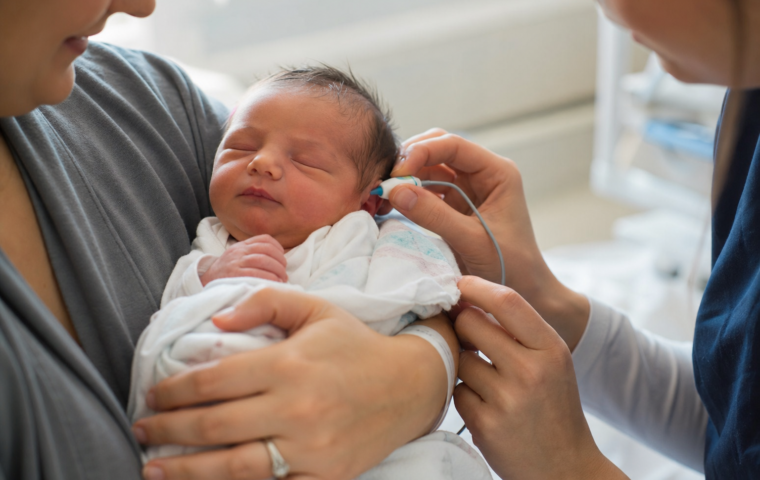
A clear synthesis of why newborn hearing screening matters, what a failed result may mean, and how daily interaction supports early development.
A synthesis of breastfeeding, play and attachment shows how parent-child bonding grows through repeated care while asking real effort from caregivers.
A practical synthesis on helping kids and teens build privacy, body confidence, and resilience when online labels create pressure.
From birth till the first flush
Log diapers, feeds, sleep and more in one calm place—then notice the gentle patterns in your baby’s day.