Food & Nutrition
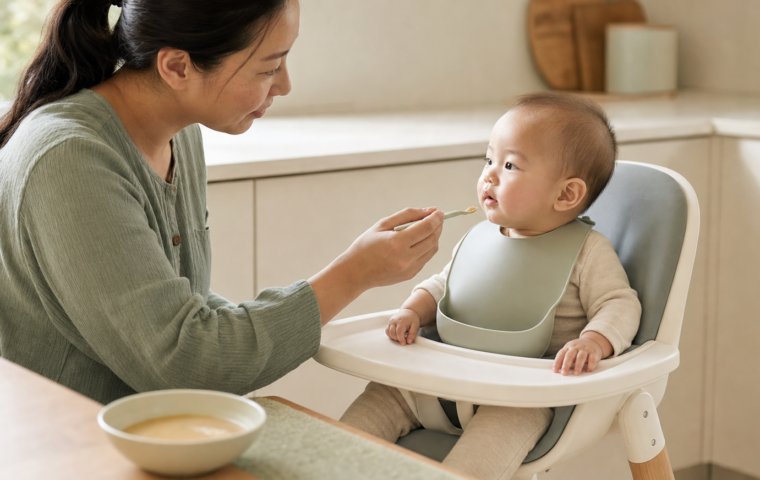
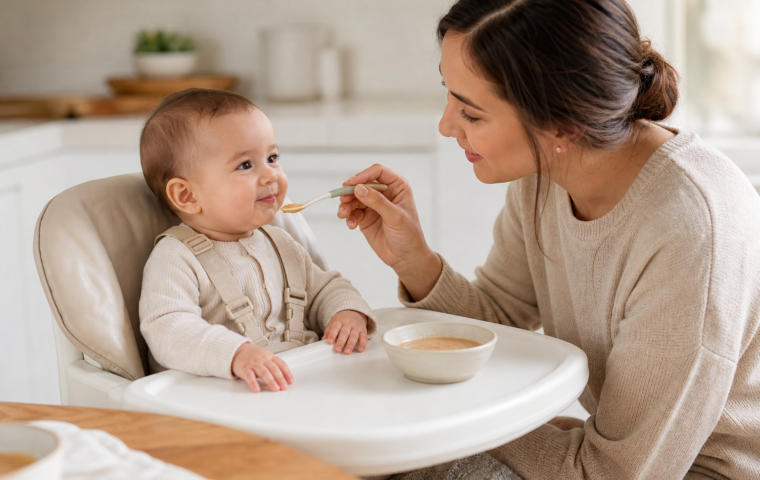
How to Introduce Peanut to Your Baby Safely and Calmly
A practical plan for choosing the right setting, serving peanut without a choking hazard, spotting a reaction, and knowing when to get medical help.
Browse the journal
A practical plan for choosing the right setting, serving peanut without a choking hazard, spotting a reaction, and knowing when to get medical help.
A practical plan for serving peanut safely, watching for reactions, and deciding when your baby’s first taste should happen with medical support.
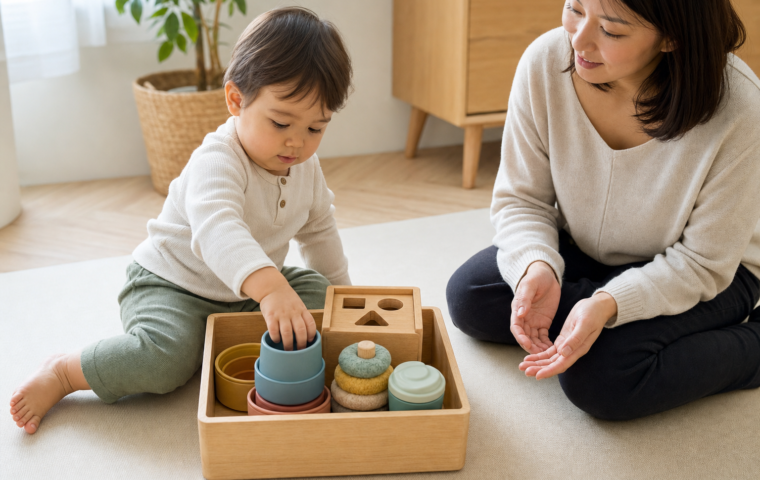
Build a safer, more useful fine motor box by choosing age-appropriate pieces, matching one hand movement at a time, and rotating by observation.
A practical, age-aware plan for vaccination, household protection, exposure calls, symptom checks, and knowing when your baby needs urgent care.
Learn which hearing patterns deserve attention, how infant hearing tests work, and the practical steps to take without relying on unsafe home checks.
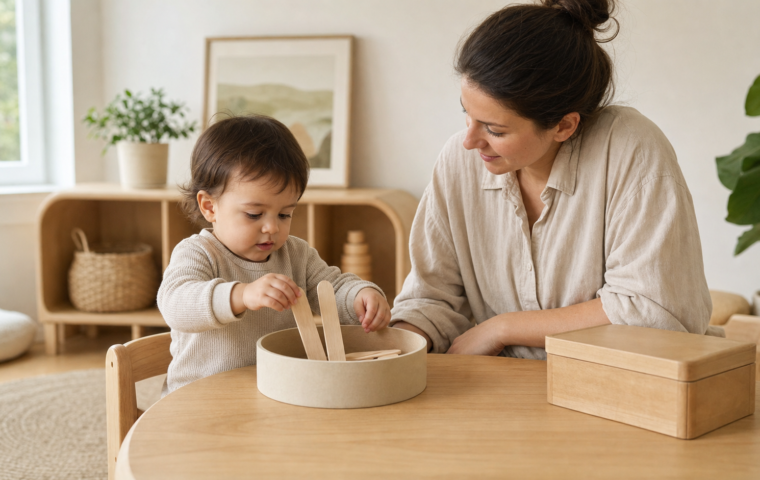
Set up four simple craft stick activities safely, then adjust each one to suit how your baby or toddler actually plays.
A clear guide to why autism diagnoses are increasing, what the numbers can and cannot prove, and what parents of young children should do.
A practical plan for shifting sleep, naps, meals and morning cues around daylight saving time without rebuilding your baby’s entire routine.
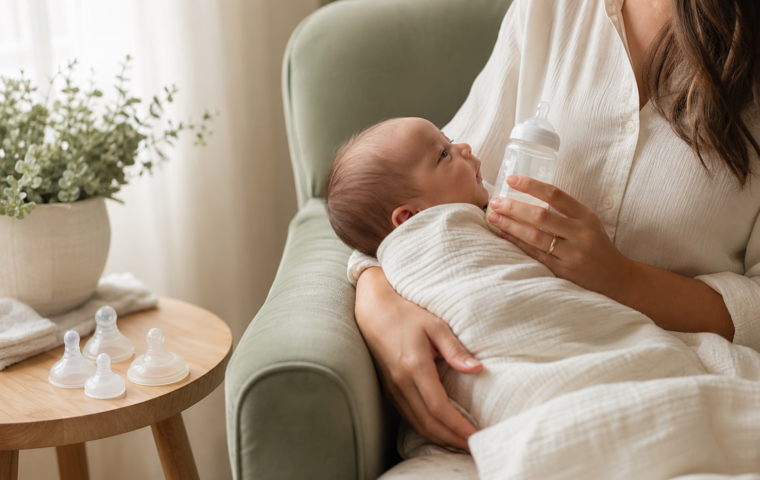
A practical guide to choosing bottle nipples by shape, flow rate, material, and feeding cues, based on the reported guidance from Bobbie.
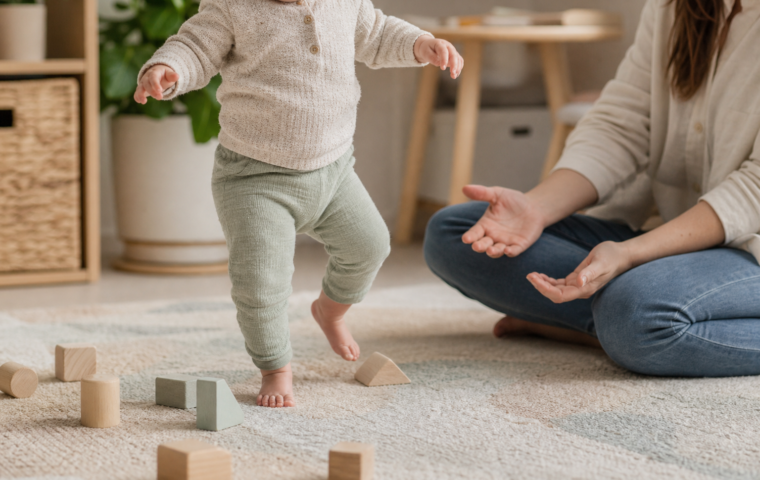
Early walking may hint at developmental strengths, but it is not a success forecast. Here is how parents can interpret the milestone calmly.
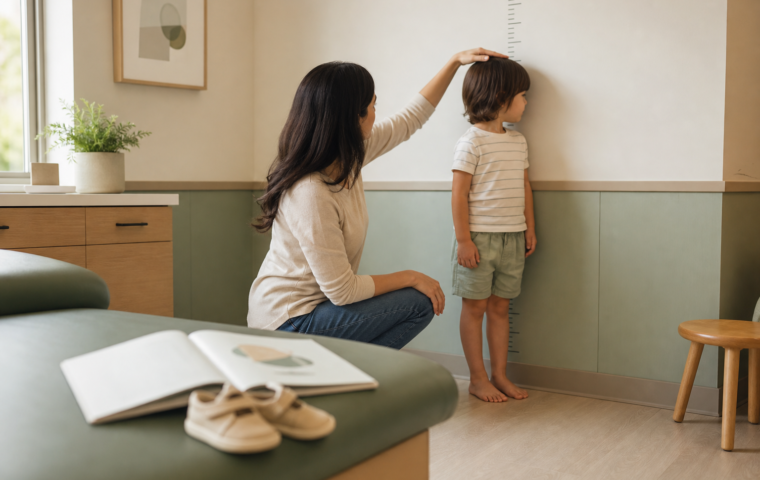
A practical guide to using child growth information without over-reading height, weight, or peer comparisons during early childhood.
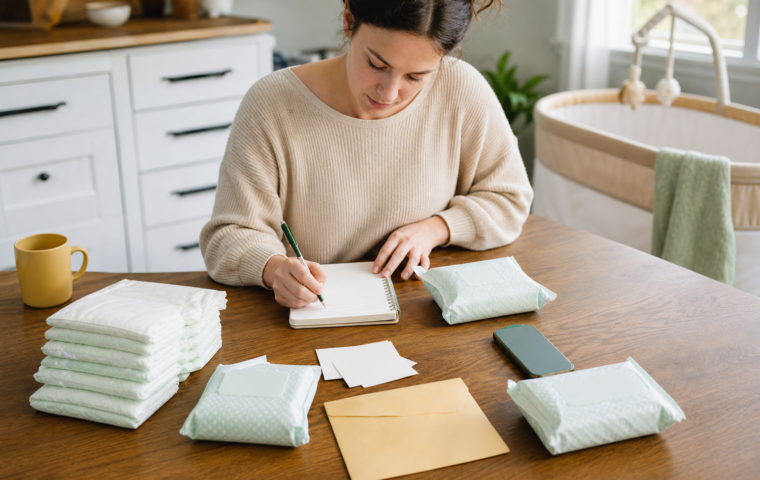
Parents can look for diaper help through samples, coupons, reward programs, and community support while weighing availability and effort.
From birth till the first flush
Log diapers, feeds, sleep and more in one calm place—then notice the gentle patterns in your baby’s day.