Blog Posts
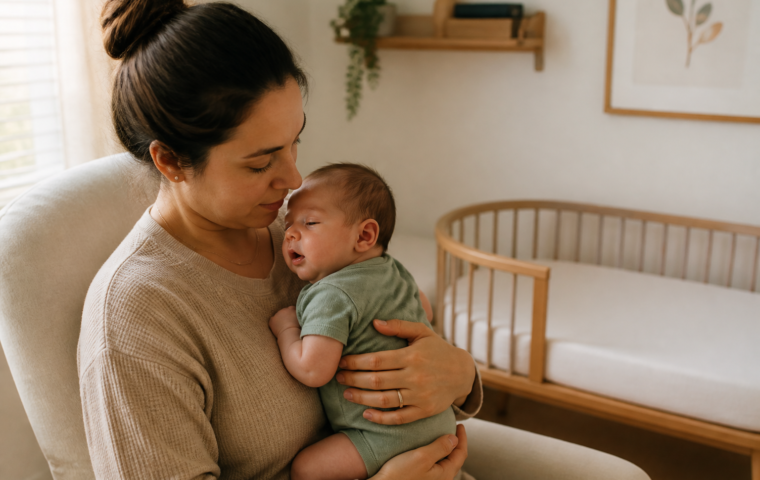
After 2-Month Vaccinations: Which Reactions Are Normal?
Learn which reactions are common after two-month vaccinations, how to comfort your baby, and which fever or behaviour changes need medical care.
Browse the journal
Learn which reactions are common after two-month vaccinations, how to comfort your baby, and which fever or behaviour changes need medical care.
Learn how to handle unclear symptoms, a late-appearing test line, or an early scan without a heartbeat, and when to seek urgent care.
Learn what Olive’s 0-100 formula score reflects, what it misses, and how to compare products without letting one number make the decision.
Learn to recognize a toddler night terror, respond safely without escalating it, reduce overtiredness and know when to call a pediatrician.
Learn which diaper safety seals address sensitive skin, what popular badges leave unproven and how to verify a product before buying it.
A practical plan for getting respectful lactation care, organizing real help, speaking up when concerns are dismissed, and protecting your feeding goal.
An expired pregnancy test may miss hCG and give a false negative. Learn how to interpret the result, retest correctly, and get confirmation.
A practical plan to prevent common hazards, respond to a baby’s head bump, and make safer choices before a flight or overnight stay.
Learn when early pregnancy symptoms can realistically start, when to take a home test, and which bleeding or pain needs prompt medical care.
An age-aware plan to identify why your baby wakes, build a repeatable bedtime routine, and decide when sleep training makes sense.
Practical ways to reduce appearance pressure, handle hard comments, protect summer participation, and recognise when your teen needs professional help.
A practical guide to spotting routines, timing choices, and responses that keep babies and toddlers awake, then changing one thing at a time.
From birth till the first flush
Log diapers, feeds, sleep and more in one calm place—then notice the gentle patterns in your baby’s day.