Blog Posts
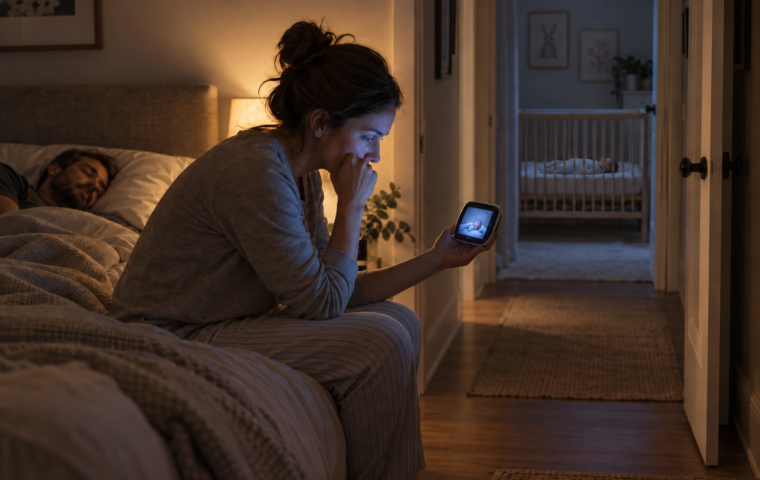
The Risks of Prolonged Baby Monitor Use and How to Cut Back
Learn when a baby monitor is feeding constant checking, which family costs to watch for, and how to scale back while keeping useful alerts.
Browse the journal
Learn when a baby monitor is feeding constant checking, which family costs to watch for, and how to scale back while keeping useful alerts.
Use a shared daycare response, spot the triggers, teach your toddler a usable replacement, and know when it is time to seek extra support.
Learn how to respond when a toddler hits or gags themselves, distinguish a habit from immediate danger, and know when to seek medical help.
A reusable eight-line formula, low-energy shortcuts, and flexible prompts help you make up calming bedtime stories when your mind is spent.
Learn how attachment patterns can surface in everyday care, then use a practical pause-and-repair plan to respond more intentionally.
An age-aware approach to naming feelings, holding boundaries, guiding toddler meltdowns, and modelling repair from birth to age three.
Learn how to spot readiness, decode accidents, ease toilet fears, manage regression, and decide when a potty-training pause makes sense.
Use a focused shortlist, an everyday-sentence test, and clear family boundaries to choose an aunt or uncle nickname everyone can use comfortably.
Learn to distinguish a depleted day from persistent low responsiveness, then build a safer and more connected care plan for your young child.
Choose a clock that fits your child’s stage, then teach its cue through a safe, predictable routine that supports more independent mornings.
Learn to choose believable parenting affirmations, pair them with a three-breath pause, and use them during newborn nights and toddler meltdowns.
A practical way to choose calmer toddler shows, test how they land at home, handle familiar favourites, and make the transition off-screen easier.
From birth till the first flush
Log diapers, feeds, sleep and more in one calm place—then notice the gentle patterns in your baby’s day.