

Choosing infant formula often comes down to practical questions: Will the baby take it, will digestion seem comfortable, and can the family keep enough on hand without extra stress? A hibobbie Blog article about Bobbie formula reviews gathers parent comments around those everyday concerns.
Because the source is a brand blog, the experiences it highlights should be read as selected parent feedback, not independent testing or medical evidence. Still, the themes are useful for families comparing what matters before starting or switching a formula.

What Parents Seem To Be Evaluating
The source frames Bobbie as an organic infant formula inspired by European-style standards and available in the United States. Parents quoted by hibobbie Blog focus less on technical nutrition details and more on how the formula fits into daily life: bottle acceptance, digestive comfort, ingredient confidence, customer service, and delivery reliability.
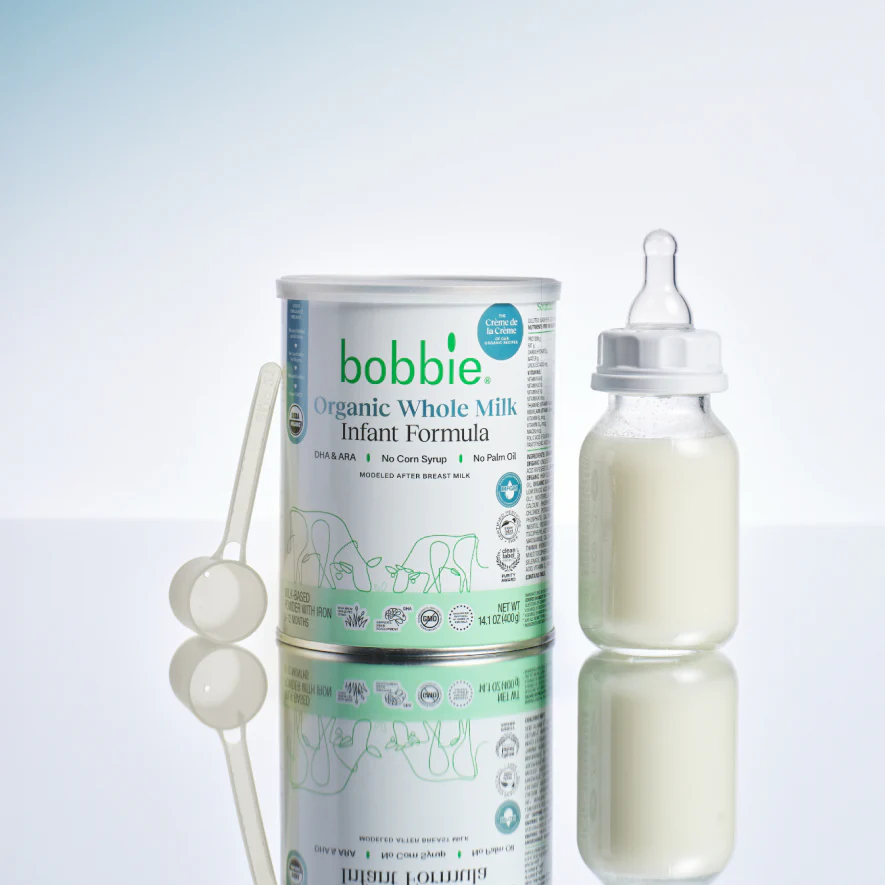
That is a realistic way many families approach formula decisions. Labels and ingredient lists matter, but parents also watch the baby in front of them: feeding volume, spit-up or gas patterns, stool changes, fussiness, and whether the feeding routine feels manageable.

Key Takeaways From The Source
- According to hibobbie Blog, some parents describe Bobbie as gentle on their babies’ digestion.
- The article highlights families using Bobbie while transitioning from breastfeeding, switching formulas, or combo feeding.
- Ingredient transparency is a recurring theme, including organic certification and the source’s claim that Bobbie avoids corn syrup and palm oil.
- The source says parents value subscription convenience, auto-ship options, a 10% discount, and responsive customer support.
- The article also notes that Bobbie is not a specialty medical formula for needs such as cow milk protein allergy.
Digestive Comfort Is The Main Parent Theme
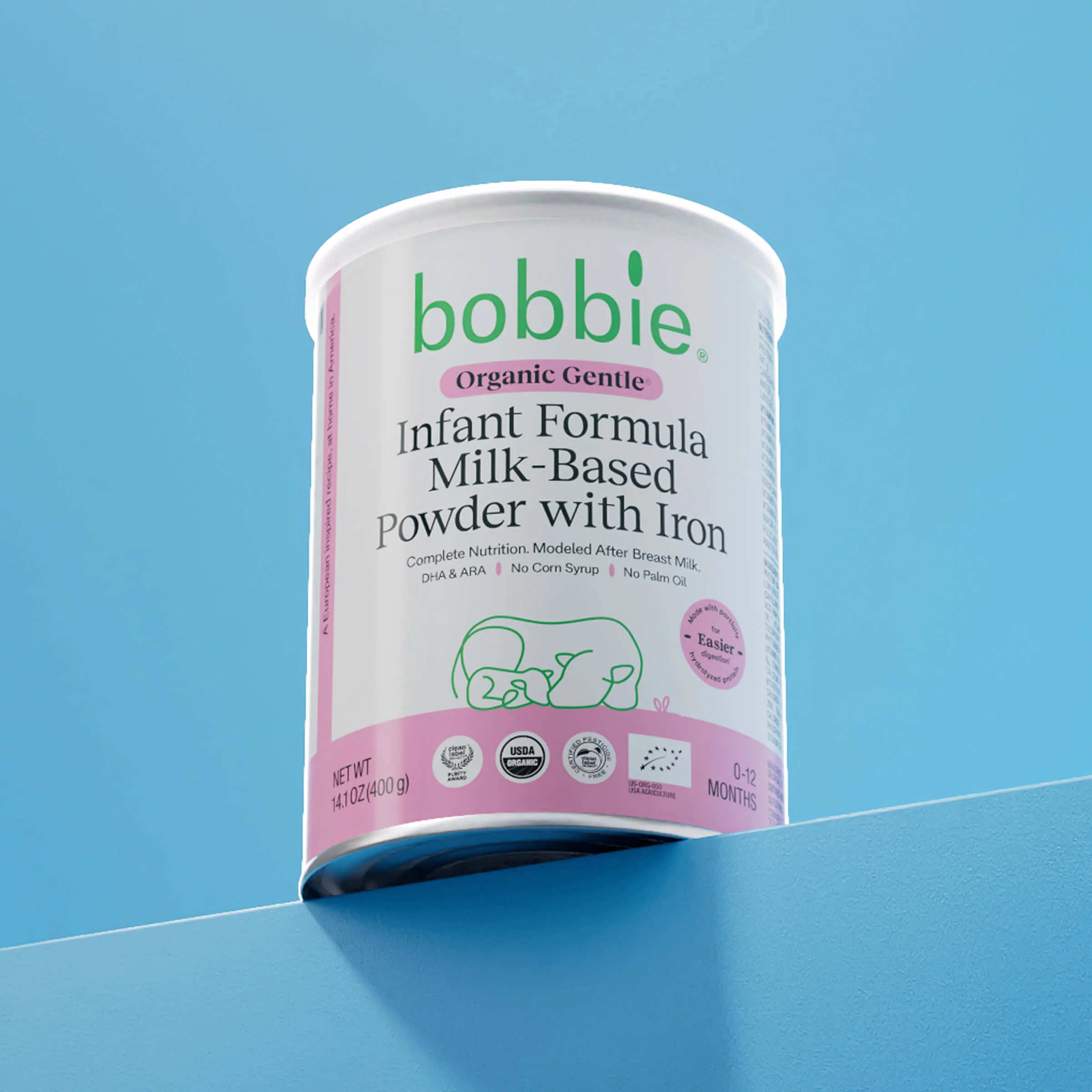
Several parent stories in the source center on digestion. hibobbie Blog says families often report fewer gas or discomfort episodes, and one parent from California described being relieved when her baby had regular, non-constipated diapers after using the formula.
That kind of feedback can be meaningful, but it has limits. A review cannot predict how another baby will respond, and stool changes during a formula transition can happen for many reasons. Parents comparing formulas should treat review patterns as conversation starters, then look at their own baby’s feeding cues and ask a pediatrician when symptoms are persistent, severe, or concerning.

Where Bobbie May Fit In Feeding Transitions
The source repeatedly connects Bobbie with transition moments. It mentions breastfed babies learning to take formula bottles, families switching from another formula, and parents using formula alongside breast milk. One parent quoted by the blog said her baby increased from taking 2 ounces to 6 ounces, while another said the formula’s protein level and breastmilk-inspired positioning influenced her choice.

For parents, the useful point is not that one formula will automatically solve a transition. It is that acceptance matters. A formula can look appealing on paper, but if a baby refuses bottles or feeds poorly, the routine may not work. Families introducing any formula often benefit from watching patterns over several feeds rather than judging a single bottle in isolation, unless a healthcare provider has given different guidance.
Ingredients, Cost, And Availability Deserve A Clear Look
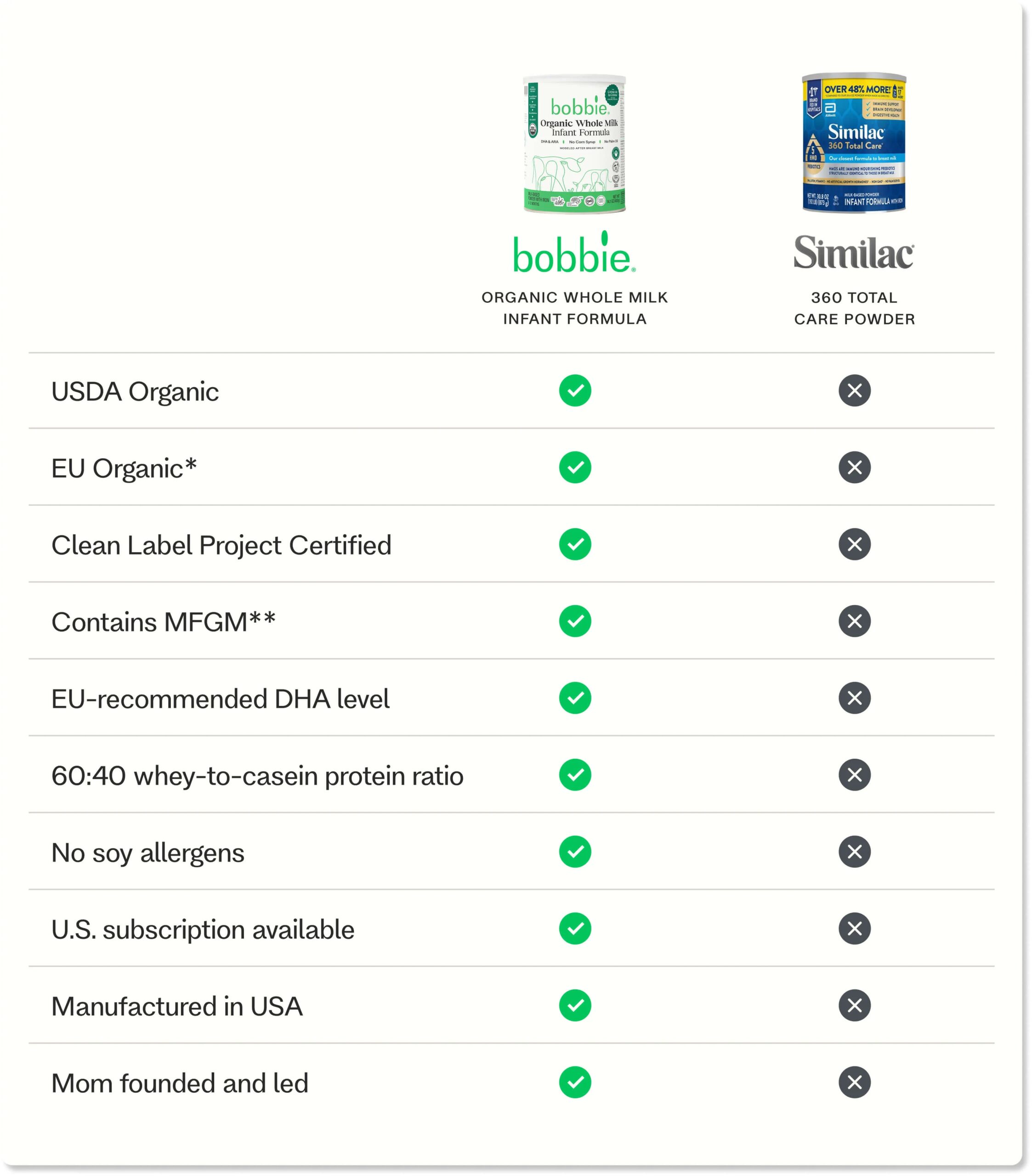
According to hibobbie Blog, parents in the article respond positively to Bobbie’s organic certification, non-GMO positioning, and the absence of corn syrup and palm oil. The source also describes the formula as made with clean ingredients and trusted sourcing practices.

Those points may appeal to families who prioritize organic products, but the source also acknowledges a tradeoff: Bobbie is described as having a slightly higher price point than conventional formulas. That makes the decision less about whether the product sounds good in a review and more about whether the cost, access, and feeding results are sustainable for a specific household.
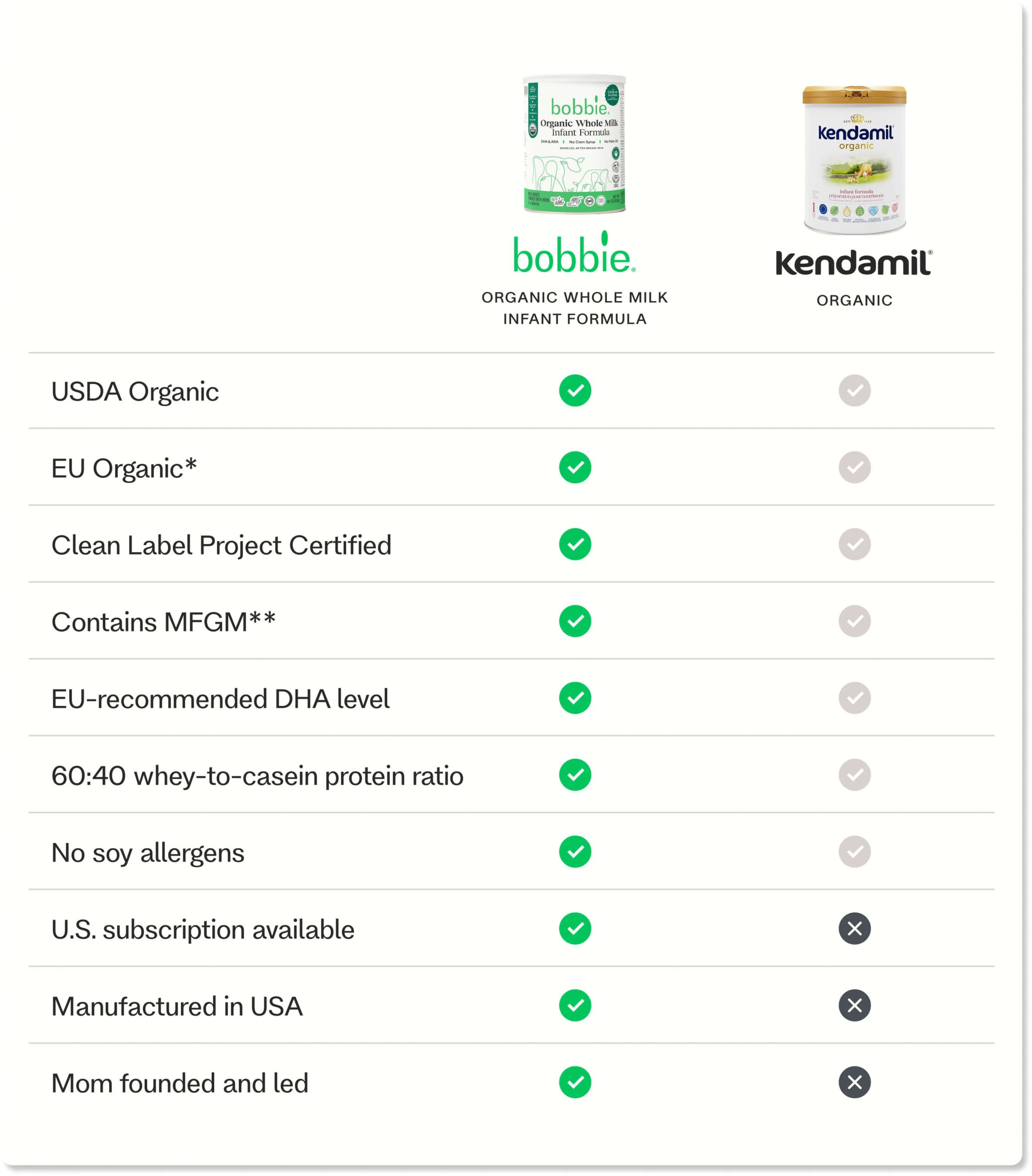
Availability is another practical consideration. The brand article says Bobbie is sold through a variety of retailers nationwide and that many families use the subscription option to avoid last-minute store runs. It also says the subscription includes auto-ship and an ongoing 10% discount. For families who depend on formula daily, predictable restocking can matter as much as the product itself.

Who Should Be More Cautious
The source presents Bobbie as a possible fit for families seeking certified organic formula, combo feeding support, ingredient transparency, comfortable digestion, and delivery convenience. It also includes an important boundary: Bobbie is not described as a specialty medical formula, such as a hydrolyzed formula for cow milk protein allergy or a soy formula.

That distinction matters. Reviews can be reassuring when the question is preference or routine, but they should not replace medical advice when a baby has suspected allergy symptoms, significant reflux, poor weight gain, blood in stool, or other health concerns. In those cases, the safest next step is to follow a pediatrician’s or healthcare provider’s guidance rather than relying on parent testimonials.
The Bottom Line For Parents Reading Reviews
The hibobbie Blog article paints Bobbie reviews around a few consistent ideas: digestive comfort, smoother transitions, ingredient confidence, and subscription convenience. Those themes can help parents decide what questions to ask before buying, especially if they are moving from breastfeeding, combining feeding methods, or comparing organic formulas.
The most useful way to read the reviews is with both openness and caution. Parent experiences can reduce the feeling of making the decision alone, but the right formula is still the one that fits the baby’s needs, the family’s budget, and any medical guidance already in place.
Inspired by this post on hibobbie Blog.