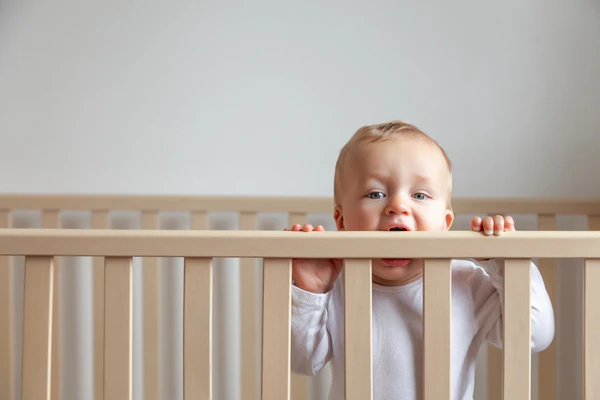
A baby who settles in arms, the stroller, or the car seat but wakes the moment the crib appears can turn bedtime into a nightly puzzle. The issue is not always the crib itself; it can be timing, comfort, routine, or a developmental phase.
Using Newton Hush as the source, this guide breaks the problem into practical questions: what might be getting in the way, how to make the crib feel less unfamiliar, and when parents should get more individualized advice.
Key takeaways
- Newton Hush notes that some babies resist the crib because they usually fall asleep somewhere else first, especially in a caregiver’s arms.
- Discomfort from teething or illness can make lying down and settling harder.
- Nap timing, overtiredness, and evening overstimulation can all affect how easily a baby accepts the crib.
- Daily non-sleep crib time, a steady bedtime routine, and putting a calm but awake baby down can help the crib become more familiar.
- Parents should ask a pediatrician before deciding how long to leave a baby awake alone in the crib.
Why Crib Sleep Matters
Sleep is not just downtime for babies. Newton Hush describes infant sleep as tied to cognitive development, including memory, language, and executive functioning, as well as physical growth, health, well-being, and emotional regulation.
That does not mean every rough crib phase is a crisis. It does mean the pattern is worth understanding. A baby who refuses the crib may be reacting to a specific change, a temporary discomfort, or a sleep association that has become hard to shift.

What May Be Behind The Resistance
The crib is not where sleep usually starts
According to Newton Hush, one common reason babies push back against the crib is that they have already learned to fall asleep elsewhere. If sleep usually begins in arms, a stroller, or a car seat, the crib can feel like a sudden change rather than the natural next step.
A developmental phase is making separation harder
Newton Hush reports that separation anxiety often begins around eight months, when babies are starting to explore more while also becoming more aware of distance from caregivers. During that period, a crib can feel less like a sleep space and more like being apart.
Pain or illness is interrupting sleep
Teething can make a baby less willing to settle. The source lists swollen or tender gums, more chewing, increased drooling, reduced interest in eating, fussiness, and poor sleep as possible signs. Newton Hush also says first teeth may begin to appear between four and eight months.
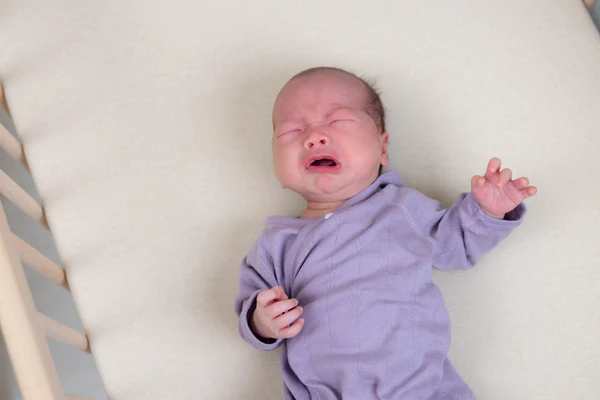
Illness can have a similar effect. Congestion, coughing, aches, or general discomfort may make lying down feel harder, just as it does for adults.
The sleep window is off
Daytime sleep can affect crib bedtime. Newton Hush points out that a long nap close to bedtime, especially one less than four hours before night sleep, may make it harder for a baby to fall asleep in the crib. The opposite problem also matters: an overstimulated or overtired baby may struggle to wind down.
Gentle Ways To Build Crib Comfort
The goal is to make the crib feel predictable before it has to carry the full pressure of bedtime. Newton Hush suggests putting a baby in the crib for five to 10 minutes during the day when sleep is not expected. Parents can sing, read, or play nearby so the space becomes associated with calm connection.

Once the baby is comfortable, brief caregiver absences can help build confidence. This should be gradual and responsive; the point is familiarity, not forcing independence before the baby is ready.
At bedtime, Newton Hush recommends placing the baby in the crib while awake but drowsy. If the baby fusses, a caregiver can stay close and use soothing support such as rubbing the baby’s back, humming, or making a gentle shushing sound. This keeps the crib as the place where sleep begins, while still offering reassurance.
Use Cues And Routine To Improve Timing
Timing matters because a baby who is not sleepy enough may protest, while a baby who is overtired may have trouble calming down. Newton Hush lists tired cues such as waving arms and legs, jerky movements, yawning, losing interest, fussing, and crying.
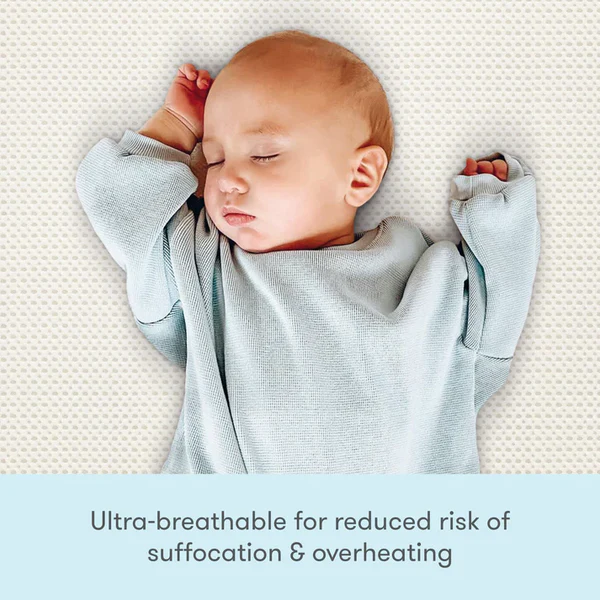
A consistent bedtime routine can also help. The source gives examples such as a bath, pajamas, brushing teeth, snuggling, reading, singing, and then sleep. The exact sequence matters less than repeating a calm pattern the baby can begin to recognize.
For babies who seem comforted by caregiver scent, Newton Hush suggests sleeping with the baby’s sheet for a few nights before putting it back on the crib mattress. Parents should still keep the crib set up safely and avoid adding loose items.
Check The Room Before Changing Everything
Sometimes the fix is environmental. Newton Hush says a room temperature between 68 and 72 degrees Fahrenheit is recommended and suggests making the room dark enough, such as with blinds or blackout curtains.
The source also emphasizes a firm crib mattress. That firmness is about safety, but comfort still matters. If parents use sleep aids, Newton Hush mentions a night-light, a sound machine kept below 50 decibels, wall art, or a ceiling mobile, with the caveat that anything used should be out of reach and securely attached.
When Parents Should Ask For Help
Newton Hush notes that babies vary: some adjust to the crib in a few days, while others may need weeks or even a month or two. That range can be normal, but persistent crying, illness symptoms, feeding concerns, or parental uncertainty are all good reasons to check in with a pediatrician.
The most useful crib plan is usually the one that fits the baby in front of the parent: consistent enough to teach the routine, flexible enough to account for pain, growth, and temperament, and cautious enough to involve medical guidance when sleep questions become safety questions.
Inspired by this post on Newton Hush.