Choosing between Bobbie and HiPP is not a simple best-formula contest. Based on hibobbie Blog’s comparison, the decision turns on where a family lives, how they want to buy formula, which ingredients they prioritize, and how their baby tolerates a given product.
This article summarizes the source’s key points in a decision-focused way. It is not medical advice, and ongoing feeding concerns should be discussed with a pediatrician.

The first split is access and regulation
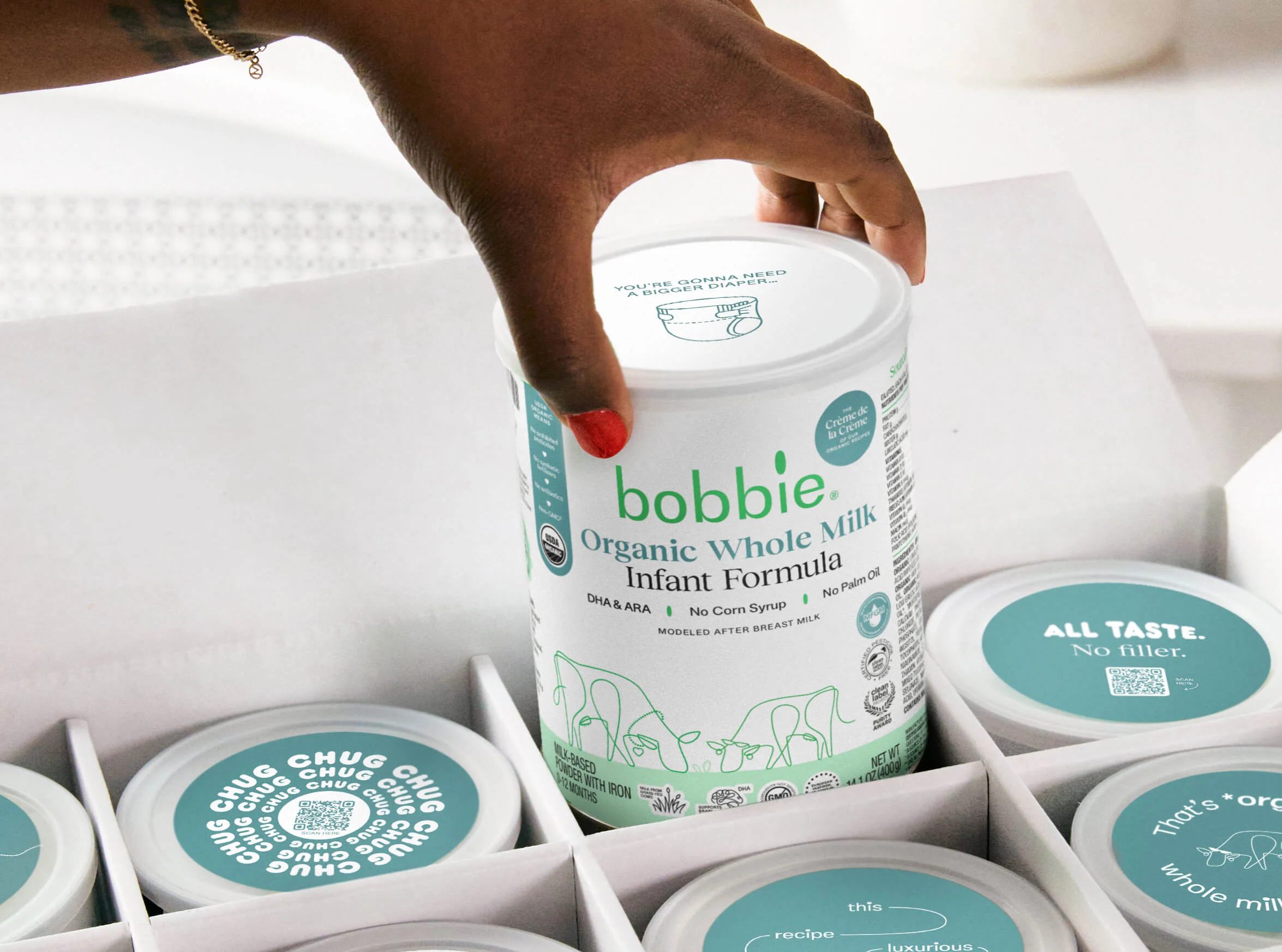
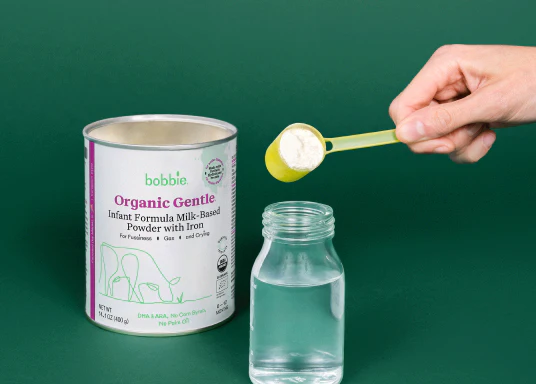
The most practical difference, according to hibobbie Blog, is that Bobbie is made for the U.S. market and meets FDA infant formula requirements. The source describes it as a U.S.-made, European-style formula option for families who want premium ingredients without relying on overseas import channels.
HiPP, by contrast, is presented by the source as a European formula brand manufactured primarily in Germany and the Netherlands. The article says HiPP is produced for European markets and does not meet FDA labeling requirements for standard U.S. retail distribution. For U.S. families, that can mean buying through third-party import sellers, which the source says may involve risks such as storage uncertainty, temperature-control concerns, Customs seizure, and weaker recall communication.

That does not make one product automatically right for every family. It does mean U.S. parents may want to treat availability and supply reliability as part of the feeding decision, not as an afterthought.
Ingredient priorities differ by brand and product line
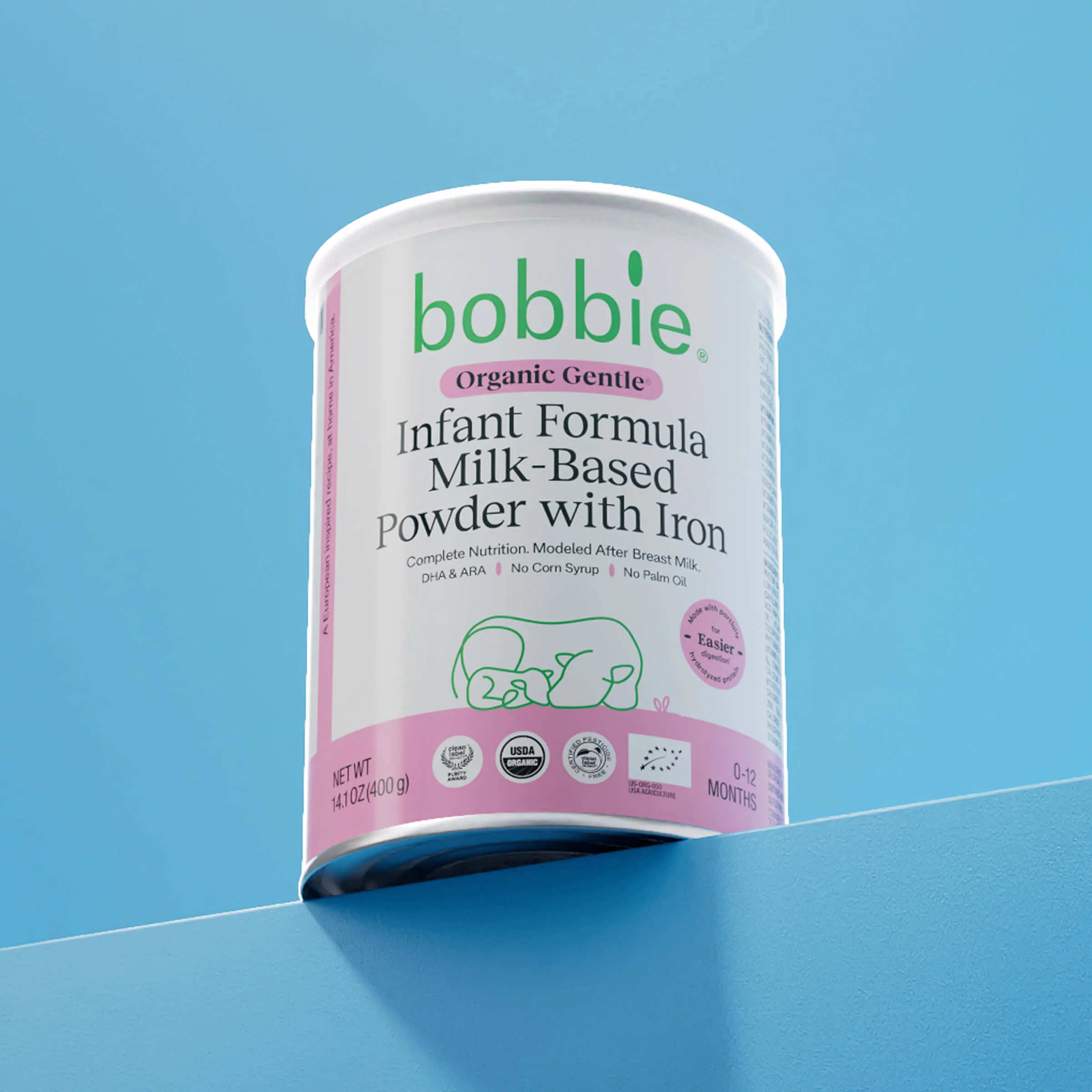
On carbohydrates, hibobbie Blog says Bobbie uses lactose as its exclusive carbohydrate source. Lactose is the main carbohydrate naturally found in breast milk, so many parents look for lactose-based formulas when comparing options.

The source says HiPP formulas generally prioritize lactose too, but exact recipes can vary by product line and stage, and some may include other carbohydrate sources such as maltodextrin. That variation matters because HiPP is not one single formula; families comparing labels would need to look at the specific HiPP stage and version they are considering.
Fat blends are another point of contrast. Hibobbie Blog reports that Bobbie includes whole milk ingredients and is made without palm oil. The source says some HiPP formulas include palm oil, while certain HiPP product lines also offer whole milk-based options. The source also notes that some parents prefer avoiding palm oil because of evidence that it can reduce calcium and fat absorption in some infants, though it does not frame palm oil as the only factor that determines tolerance.
Digestion is individual, not brand-wide
Parents often compare formulas because of gas, spit-up, fussiness, or worry that a baby is uncomfortable after bottles. The source’s main caution is useful: tolerance varies from baby to baby.

According to hibobbie Blog, formula comfort can be affected by protein composition, feeding pace, bottle type, swallowed air, developmental stage, and a baby’s individual needs. That means a change in formula may help some babies, but it is not the only possible explanation for feeding trouble.

The source describes Bobbie as using a whey-forward protein blend inspired by mature breast milk composition. HiPP formulas vary by product and stage, with the source noting that stage two and stage three formulas contain less whey protein. It also says many HiPP formulas include added prebiotics or probiotics, while Bobbie takes a simpler ingredient approach and offers probiotic drops separately.
Key takeaways for parents
- Bobbie may suit U.S. families who want a premium formula made for the U.S. market, with FDA requirements and more predictable domestic access.
- HiPP may appeal to families in Europe, or those with a trusted direct European source, especially if they want stage-based formulas or products with prebiotics or probiotics.
- Ingredient comparisons should be made product by product, because HiPP recipes can vary by line and stage.
- Digestion claims should be treated cautiously, since feeding tolerance depends on more than the formula label.
Convenience can become a real feeding factor
Hibobbie Blog emphasizes Bobbie’s subscription delivery, direct-to-consumer ordering, retail availability, U.S.-based distribution, and multiple formula recipes. The source says subscription delivery includes a 10 percent discount.
For HiPP, the source says U.S. availability is typically tied to specialty import websites, boutique formula retailers, and third-party sellers. It also says supply may depend on international shipping timelines, port schedules, Customs inspection, and inventory. For tired parents, that kind of uncertainty can matter as much as an ingredient preference.
How to make the choice without over-reading it
The cleanest way to read the comparison is this: Bobbie is positioned in the source as the more straightforward U.S.-market option, while HiPP is positioned as a European formula family with more stage-based and specialty variety. The source is also brand-adjacent, so readers should treat its brand claims as reported by hibobbie Blog rather than independent testing.
For parents, the useful question is not whether Bobbie or HiPP wins in the abstract. It is whether the formula is appropriate for the baby’s age and needs, can be sourced reliably, fits the family’s ingredient priorities, and is tolerated well. If symptoms are persistent, severe, or confusing, the next step is a pediatrician conversation before making repeated formula changes.
Inspired by this post on hibobbie Blog.