A red, irritated diaper area can make feeding choices feel suspect, especially after a formula change. According to hibobbie Blog, formula is rarely the sole cause of diaper rash, but digestion changes linked to feeding can sometimes make irritation more likely.
The useful question is not simply whether formula causes diaper rash. It is whether stool changes, skin sensitivity, diaper habits, or a possible formula sensitivity are lining up in a pattern that deserves closer attention.
Why Diaper Rash Has More Than One Trigger
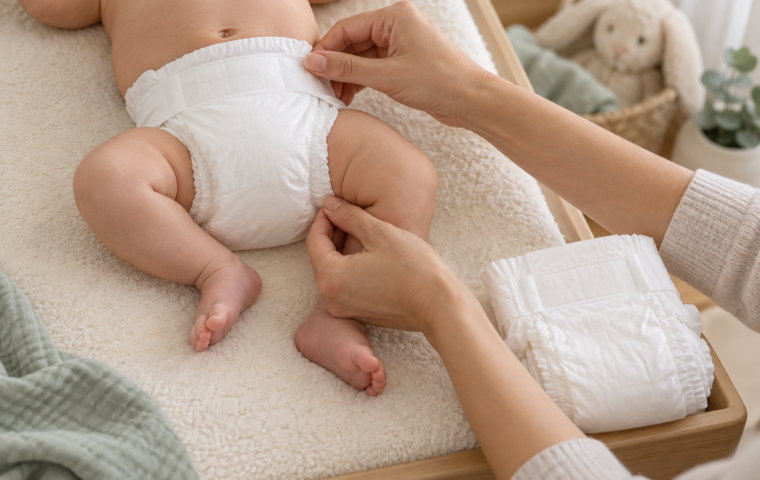
Diaper rash, also called diaper dermatitis, is irritation in the skin covered by a diaper. Babies have delicate skin, and the diaper area is exposed to a difficult mix: moisture, friction, urine, stool, wipes, and warmth. That combination can make even mild irritation look dramatic.

hibobbie Blog describes the most common signs as red or pink patches, small bumps, mild irritation, and discomfort during diaper changes. Those symptoms do not automatically point to formula. They can also come from a wet diaper staying on too long, rubbing from diapers or clothing, rough or scented wipes, yeast or bacterial overgrowth, illness, teething, or medication changes that affect stool.
That is why diaper rash is usually best approached as a skin-barrier problem first. Feeding may matter, but it is only one possible part of the picture.
How Formula Can Be Connected Without Being the Cause
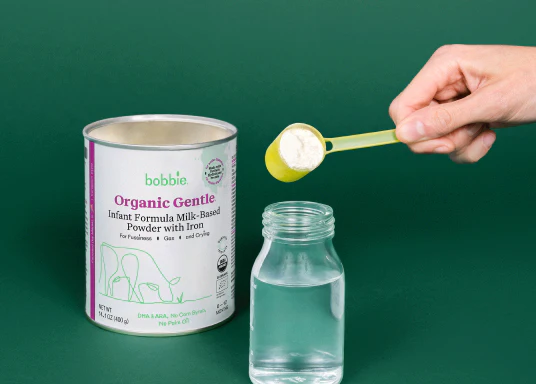
The source article makes a careful distinction: formula itself is not presented as a direct cause of diaper rash. Instead, formula can influence digestion, and digestion can change what sits against a baby’s skin.
When a baby starts formula, switches formulas, or moves from breast milk to formula, stool may temporarily become softer, more frequent, or more irritating. hibobbie Blog also notes stool acidity as a possible factor. More moisture and more frequent stool contact can put extra stress on already-sensitive skin.

This does not mean formula feeding is wrong or that a rash proves a formula is a poor fit. It means caregivers can watch timing: did the rash appear after a feeding change, and did stool patterns change at the same time?
Key Takeaways
- Formula is not usually the only reason diaper rash develops.
- Feeding changes may matter when they lead to looser, more frequent, or more acidic stool.
- Moisture, friction, sensitive skin, wipes, yeast, illness, teething, and medications can also contribute.
- A pattern after introducing or switching formula is more meaningful than one isolated rash.
- Allergy symptoms beyond the diaper area should be discussed with a pediatrician.
Sensitivity, Allergy, or Ordinary Adjustment?
Formula sensitivity and food allergy are not the same thing. As hibobbie Blog explains, a sensitivity may show up as mild digestive discomfort, stool changes, or diaper rash. A food allergy involves an immune response and may include symptoms beyond the diaper area, such as hives, vomiting, blood in the stool, or breathing-related concerns.

The distinction matters because ordinary feeding transitions often settle with time and gentle diaper care, while possible allergy signs deserve medical guidance. Caregivers do not need to diagnose the difference on their own. If symptoms seem broader than a diaper-area rash, or if feeding becomes difficult, the pediatrician is the right next step.
What to Watch After a Formula Change
A rash is more likely to be formula-related when it appears alongside digestive changes. The source points to a few patterns that can help caregivers decide whether to bring formula into the conversation.

- The rash starts after introducing formula or switching from one formula to another.
- Irritation continues even with frequent diaper changes and gentle cleaning.
- Gas, stool changes, or other digestive signs appear at the same time.
- Skin irritation seems connected to repeated loose or frequent stools.
Tracking these patterns can be more useful than making a quick switch. Changing formulas too often may create more digestive shifts, so any ongoing concern is worth discussing with a pediatrician before making repeated changes.
Gentle Care That Helps the Skin Recover
Whether formula is involved or not, diaper rash care starts with reducing moisture and friction. hibobbie Blog recommends frequent diaper changes, gentle cleaning with soft wipes or a damp cloth, patting rather than rubbing, barrier cream with zinc oxide, and short periods of diaper-free air time.

Prevention follows the same logic. A consistent changing routine limits how long stool and urine sit against the skin. Fragrance-free or sensitive-skin diapering products may be easier on babies who react to wipes or diapers. When feeding transitions are underway, caregivers can pair observation with simple skin care rather than assuming every flare means the formula must be changed.
When to Call the Pediatrician
Medical advice is especially important when a rash lasts more than a few days despite over-the-counter creams, spreads beyond the diaper area, appears to involve yeast or bacterial infection, or causes significant discomfort. Feeding difficulties are another reason to call.
The practical takeaway is balanced: formula can be part of the rash story through digestion, but diaper rash usually has several contributors. Careful timing, gentle diaper care, and pediatric guidance when symptoms persist can help caregivers respond without overcorrecting.
Inspired by this post on hibobbie Blog.