Maybe another baby isn’t possible, isn’t right for your family, or is still a painful subject. A puppy can look like an answer to the empty space you notice—or to a child’s wish for a playmate.
Here is the cleanest way to make the decision: get a puppy only if the adults want to raise a dog, even if the child never treats that dog like a sibling. A puppy can become a loved member of your family. It cannot take the place of another child, and it shouldn’t be given that job.
Name the two decisions separately
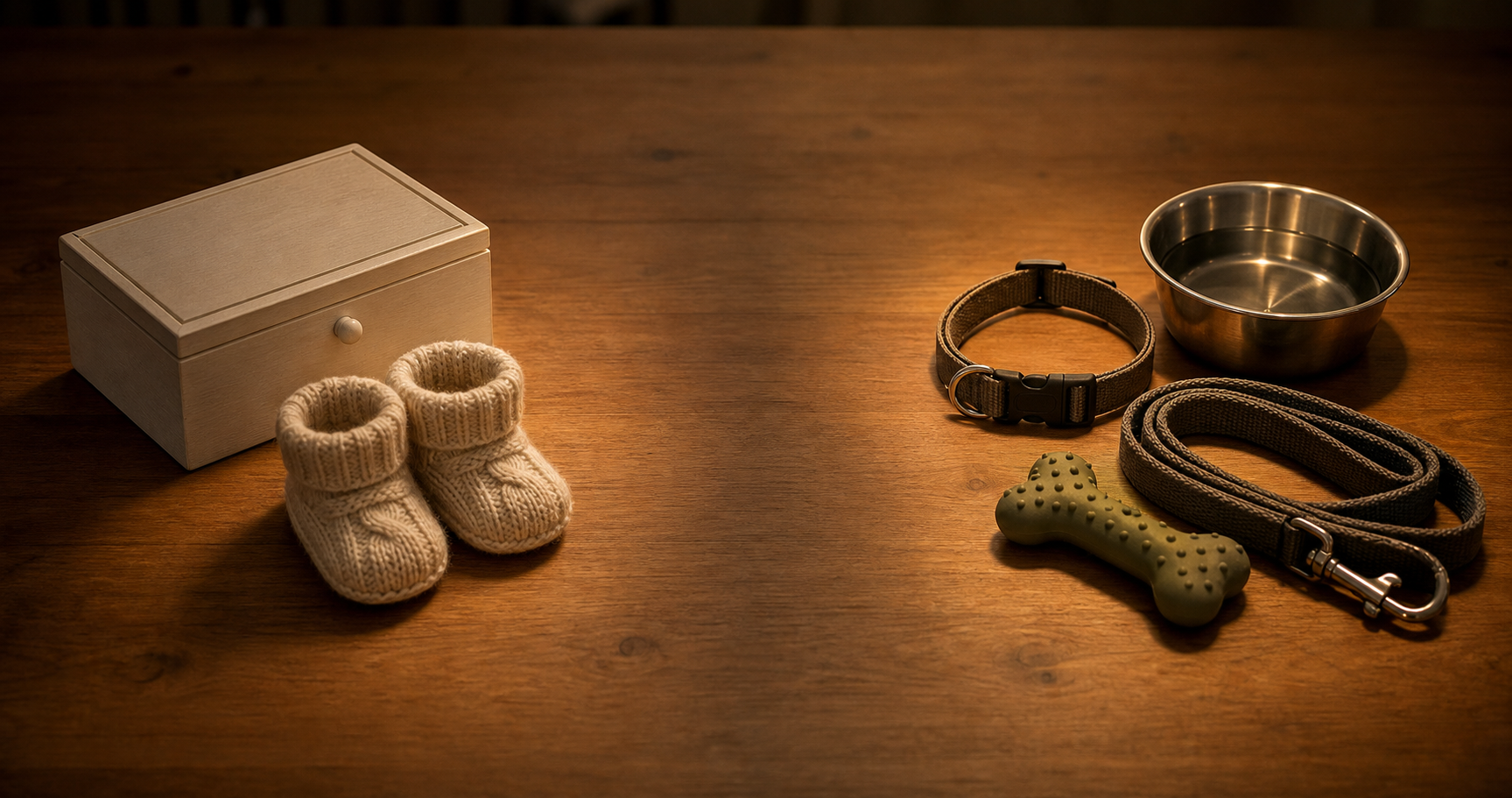
“Are we having another child?” and “Do we want a dog?” may feel connected, but they are different decisions with different consequences. The first concerns your family plan, health, relationship, finances and hopes. The second is a commitment to care for an animal through ordinary days, difficult days and future changes in your household.
Keeping those questions separate protects everyone. It keeps you from saying yes to a puppy mainly because you feel guilty about saying no to another baby. It also keeps the dog from becoming a test of whether your child is sufficiently happy with your family’s size.
A young child’s request for a sibling may mean several things: “I want someone to play with,” “I saw another family with a baby,” or simply “I like the idea of being a big kid.” You can respond to that wish without treating it as a household vote. Listen for the need underneath it, then decide whether a dog fits the adults’ lives.
Key takeaways
- A puppy should be an adult-led family decision, not compensation for a sibling your child will not have.
- Choose a dog only if the adults are willing to provide all essential care themselves.
- In a baby or toddler household, supervision and physical separation have to be built into the home before the dog arrives.
- Let your child participate in small, safe ways, but do not make the child responsible for the dog’s welfare.
- Use honest family language: the puppy may become deeply loved, but it is not a replacement child.
Test whether your home can absorb puppy life now
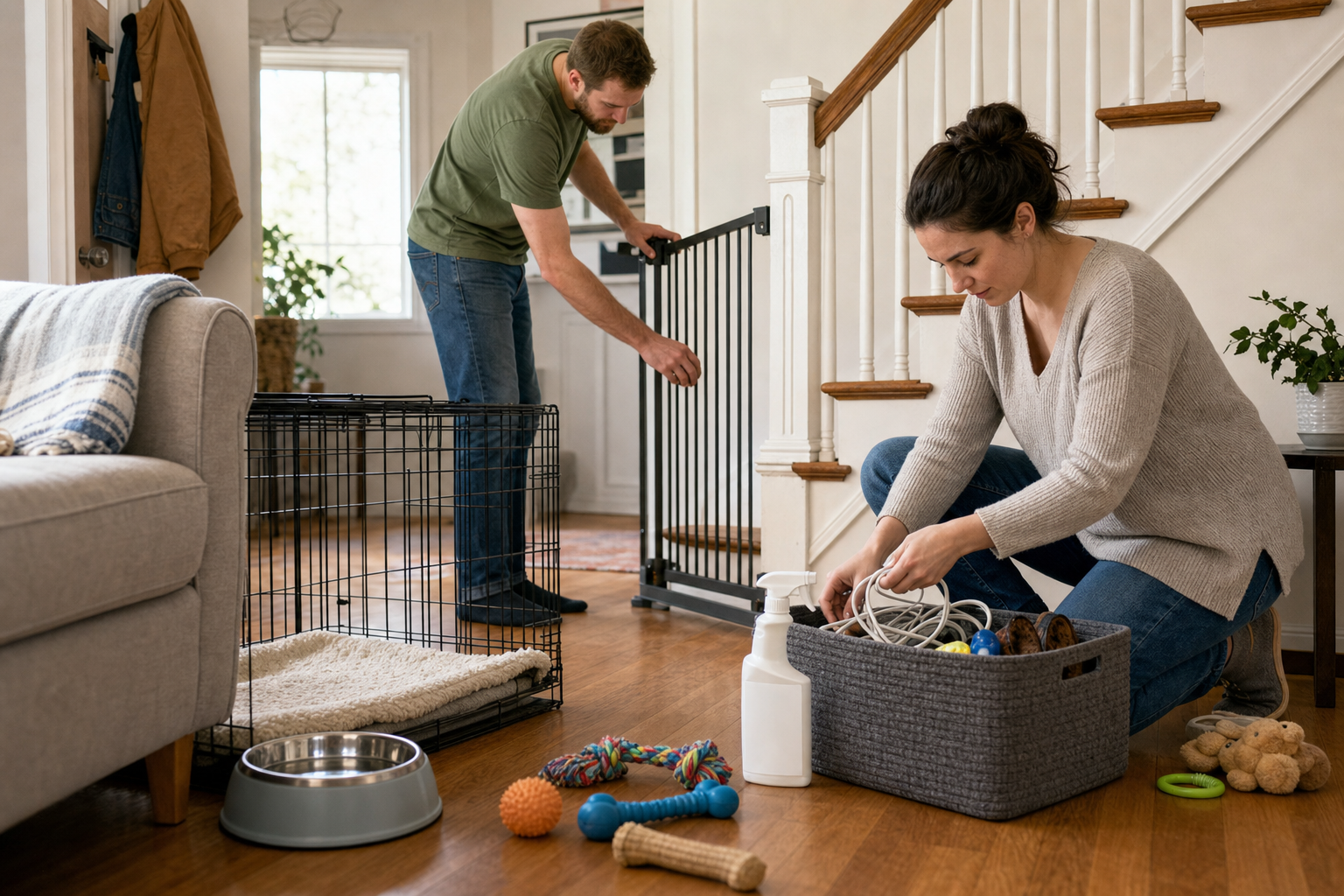
Do not evaluate the idea on a peaceful afternoon. Run it through your hardest ordinary day: poor sleep, a sick child, bad weather, work pressure, appointments and no spare patience. The puppy will still need feeding, toilet trips, exercise, supervision, training and veterinary care on that day.
Write down who will do each essential task. Use an adult’s name, not “the family” or your child’s name. If one parent expects the other to become the default dog carer, resolve that before you contact anyone about a puppy.
- Daily care: Which adult handles the first and last toilet trips, meals, walks, cleaning and training?
- Childcare collisions: What happens when the dog needs attention while you are feeding, bathing, settling or comforting your child?
- Money: Can the household cover food, routine veterinary care, training, equipment, grooming when relevant, boarding or pet care, and an unexpected health problem?
- Housing: Is a dog permitted where you live, and can you create separate child and dog areas without relying on constant verbal reminders?
- Backup care: Who can safely take the dog during travel, illness, birth, hospitalization or another family disruption?
- Adult agreement: Does every adult who will live with the dog consent to the work, mess, noise and limits involved?
- Long-term fit: Would you still want the dog if your child’s interest faded soon after the puppy arrived?
That last question is decisive. Babies and toddlers cannot understand the full commitment, and their interests change. If the adults would resent caring for the dog without a child’s enthusiasm, wait.
A puppy is also not the only route to living with a dog. If you want canine companionship but cannot accommodate the intensity of puppy care, ask a reputable rescue, shelter or other responsible placement organization whether an adult dog with a known history could suit your household. “Older” does not automatically mean safe with young children, so the individual dog’s behaviour and the quality of the assessment still matter.
Make safety a household system
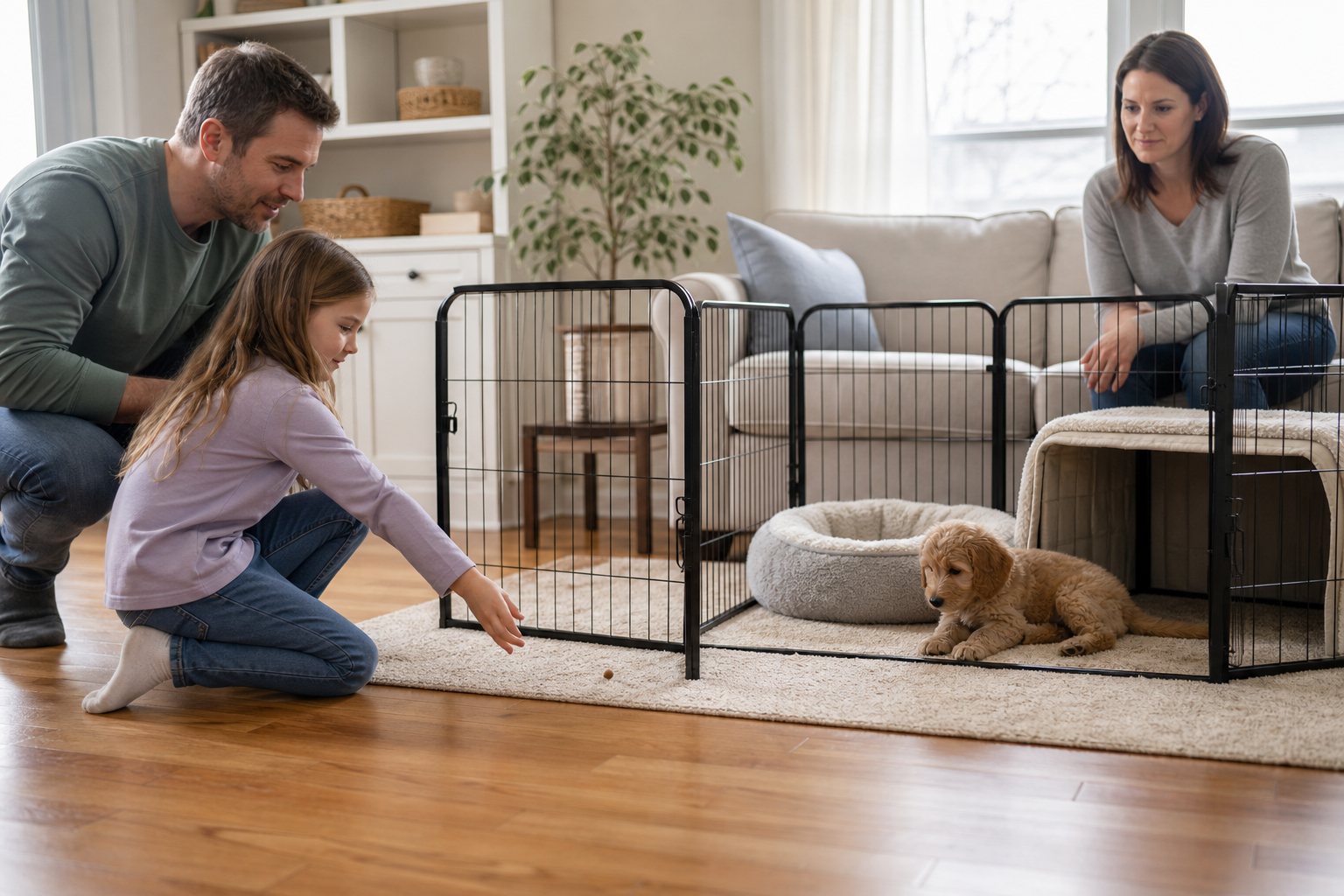
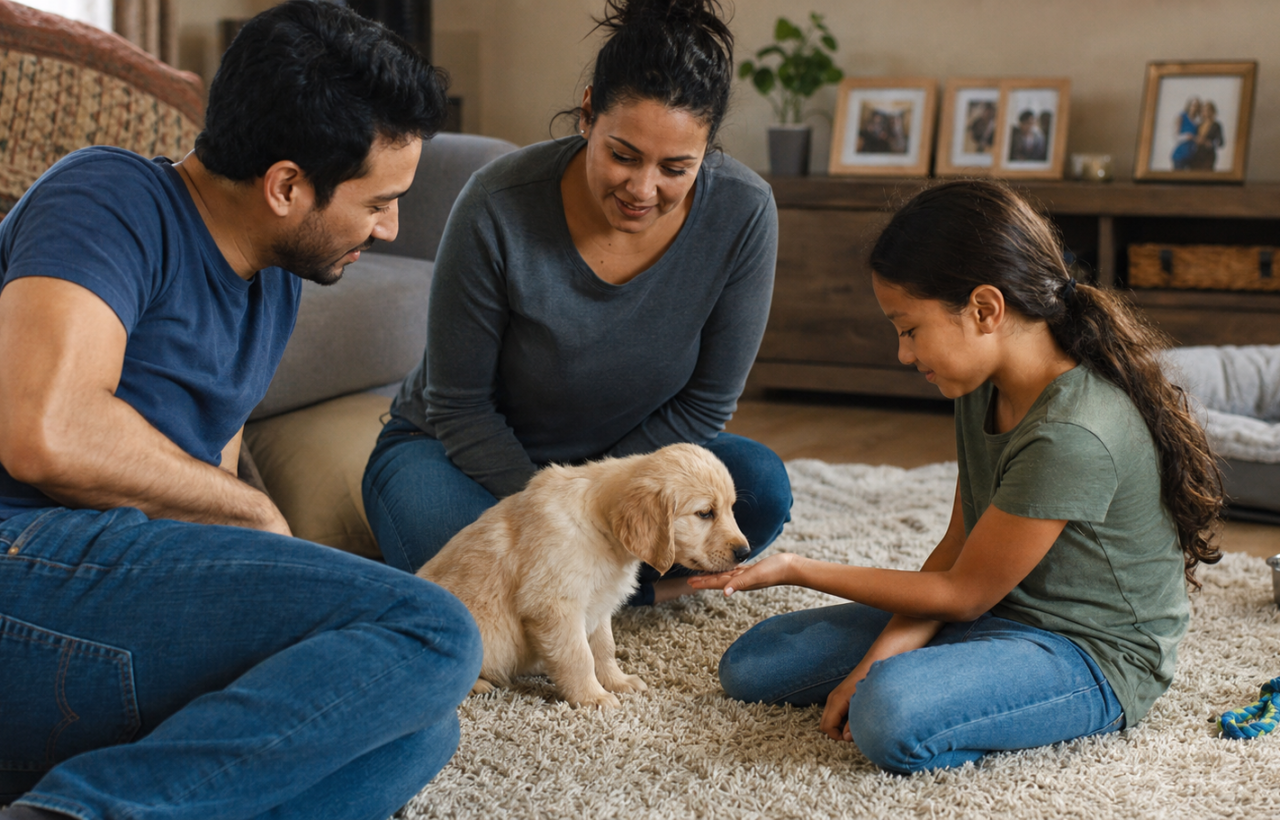
A baby or toddler cannot reliably read a dog’s signals, respect its space or follow a safety rule every time. A puppy cannot reliably control its mouth, body or excitement. That combination requires active adult management, regardless of the dog’s size or friendliness.
“Supervised” should mean an adult is close enough and attentive enough to intervene immediately. Watching from another room, cooking with your back turned or checking a phone does not meet that standard. When your attention has to move elsewhere, separate the child and dog with a closed door, a secure gate or another appropriate barrier.
- Give the dog a child-free resting place. Do not allow your child to crawl into it, follow the dog there or pull the dog back out.
- Keep your child away while the dog is eating, chewing, sleeping, sick, injured or trying to retreat.
- Do not permit hugging, climbing, grabbing, ear or tail pulling, face-to-face contact, or taking objects from the dog’s mouth.
- Keep pet food, bowls, medication, waste, chews and small dog toys out of your child’s reach. Wash hands after handling food, waste or soiled equipment.
- Model gentle contact instead of moving your child’s hand onto the dog. The dog should also be free to move away.
- End an interaction when either child or dog becomes overexcited. You do not need to wait for a frightening moment to justify a break.
Learn the particular dog’s early signs of discomfort with help from a veterinarian or qualified, reward-based trainer. Moving away, becoming still, avoiding contact or growling should prompt space—not another attempt to see whether the dog “really means it.” Treat a growl as a stop signal and get professional guidance rather than punishing the warning.
If the dog bites or scratches your child and breaks the skin, separate them safely and seek prompt medical advice for the child. Contact a veterinarian and an appropriately qualified behaviour professional before allowing further direct interaction. Affection for the dog does not make it safe to minimize what happened.
Give your child participation, not ownership
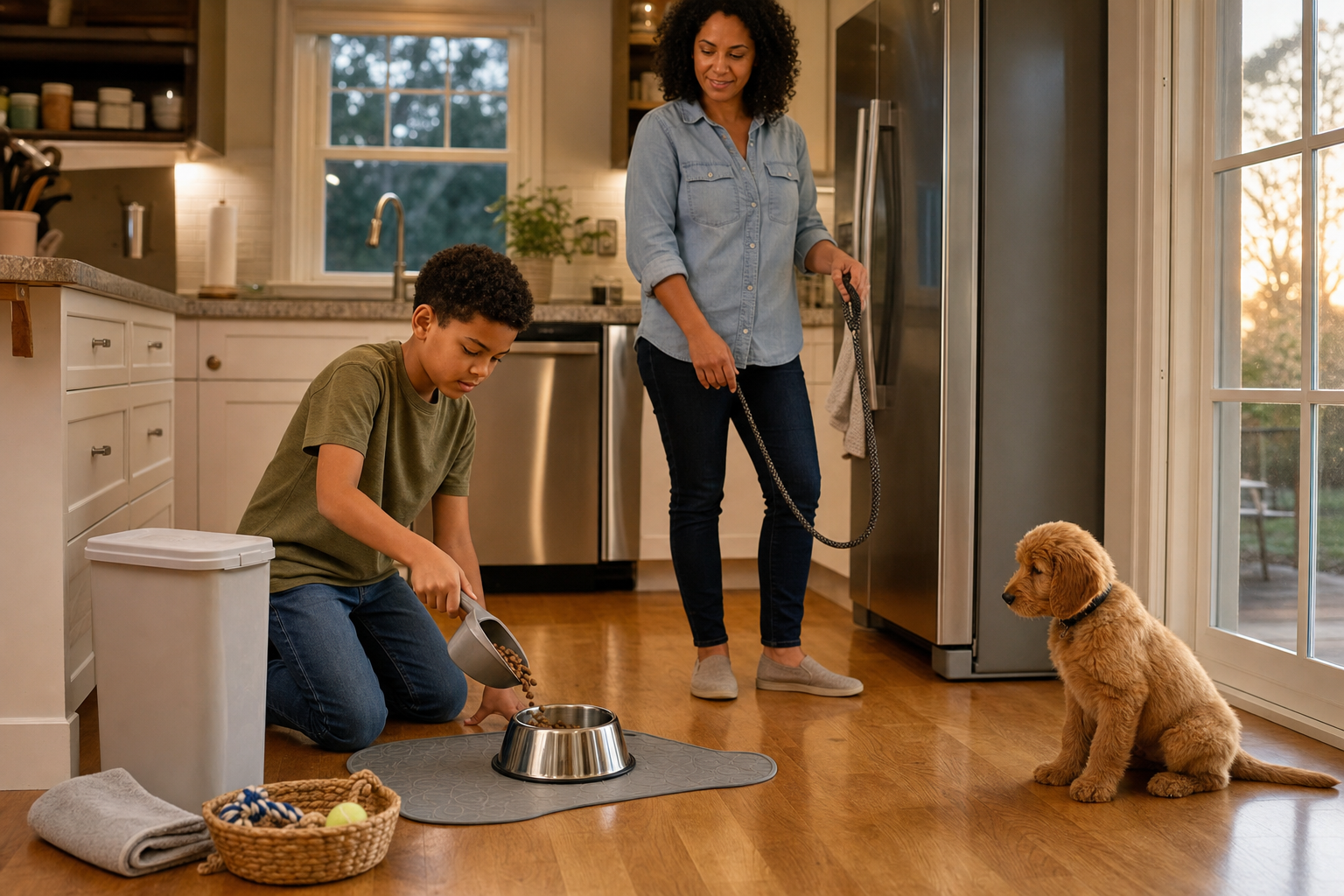
Calling the puppy “your dog” may sound charming, but it quietly assigns a responsibility your young child cannot carry. Say “our family dog” instead, while making it clear through your actions that adults provide the care.
Your child can still have a meaningful role. Choose jobs that remain optional, happen with an adult and do not put the child near food, medication, waste or an aroused dog. A toddler might choose between two safe toys, place a clean blanket in the dog’s area while the dog is elsewhere, help put an unused toy in a basket, or come along for a family walk in the stroller.
Avoid promises such as “You will feed the puppy every day” or “You asked for the dog, so you have to help.” When the novelty wears off, the dog’s care cannot depend on a lesson about follow-through. Teach responsibility through small invitations, while the adult quietly guarantees the outcome.
The choice can become a happy one. One parent who knew she could not have another baby later felt no regret about agreeing to the dog her son had requested. That is an encouraging family outcome, not a promise that a puppy will resolve every child’s wish for a sibling. Your household still needs its own independent yes.
Talk about the puppy without calling it a replacement
Your language gives the puppy a place in the family. “We aren’t having another baby, so we got you a puppy” ties the two decisions together and can make the dog responsible for fixing disappointment. It may also imply that your child should stop wanting or talking about a sibling because the family has already provided an alternative.
Use two separate, truthful messages. If your family-size decision is settled, you might say: “We won’t be having another baby. You can feel sad or have questions about that.” Then discuss the dog on its own terms: “We are thinking about caring for a dog. The grown-ups will decide whether our family can do that safely.”
If the answer about another child is not settled, say that plainly in age-appropriate words instead of letting the puppy stand in for an answer. A dog should not be used to end a conversation the adults are still having.
Keep the explanation short for a baby or toddler and expect to repeat it as language and understanding develop. You do not need to disclose adult medical, financial or relationship details. “Our family will not have another baby” is complete enough when that is the truth.
Before you commit, take a blank page and make two headings: “another child” and “a dog.” Put every hope, worry and practical constraint under the heading where it actually belongs. If the dog side still produces a clear adult yes after the sibling question is removed, your next step is to discuss household fit and safety with a veterinarian, qualified trainer, or reputable placement organization. If it does not, waiting is a responsible decision—not a failure to complete your family.