You have a baby boy or first birthday to shop for, but the toy aisle is giving you labels instead of answers. The useful question isn’t whether a gift looks right for a boy. It’s whether this particular child can enjoy it now, whether it fits the family’s home, and whether it will survive ordinary baby play.
The best choice usually becomes clear once you stop looking for the most impressive box. Start with what the child already likes to do, add a strict safety check, and choose something the adults won’t have to assemble, store, or tolerate against their will.
Key takeaways
- Shop for the child’s current play stage, not for a gender stereotype or a milestone you hope the gift will produce.
- Look for a simple action the child can repeat: turning pages, stacking, nesting, rolling, carrying, pushing, shaking, or copying a caregiver.
- Treat the age label as a safety and usability boundary, not as a measure of how advanced the child is.
- Ask before buying anything large, loud, personalized, difficult to clean, or likely to be duplicated.
- When you don’t know the family well, choose a compact, age-appropriate gift with little setup and include a gift receipt.
Start with the child, not the “baby boy” label
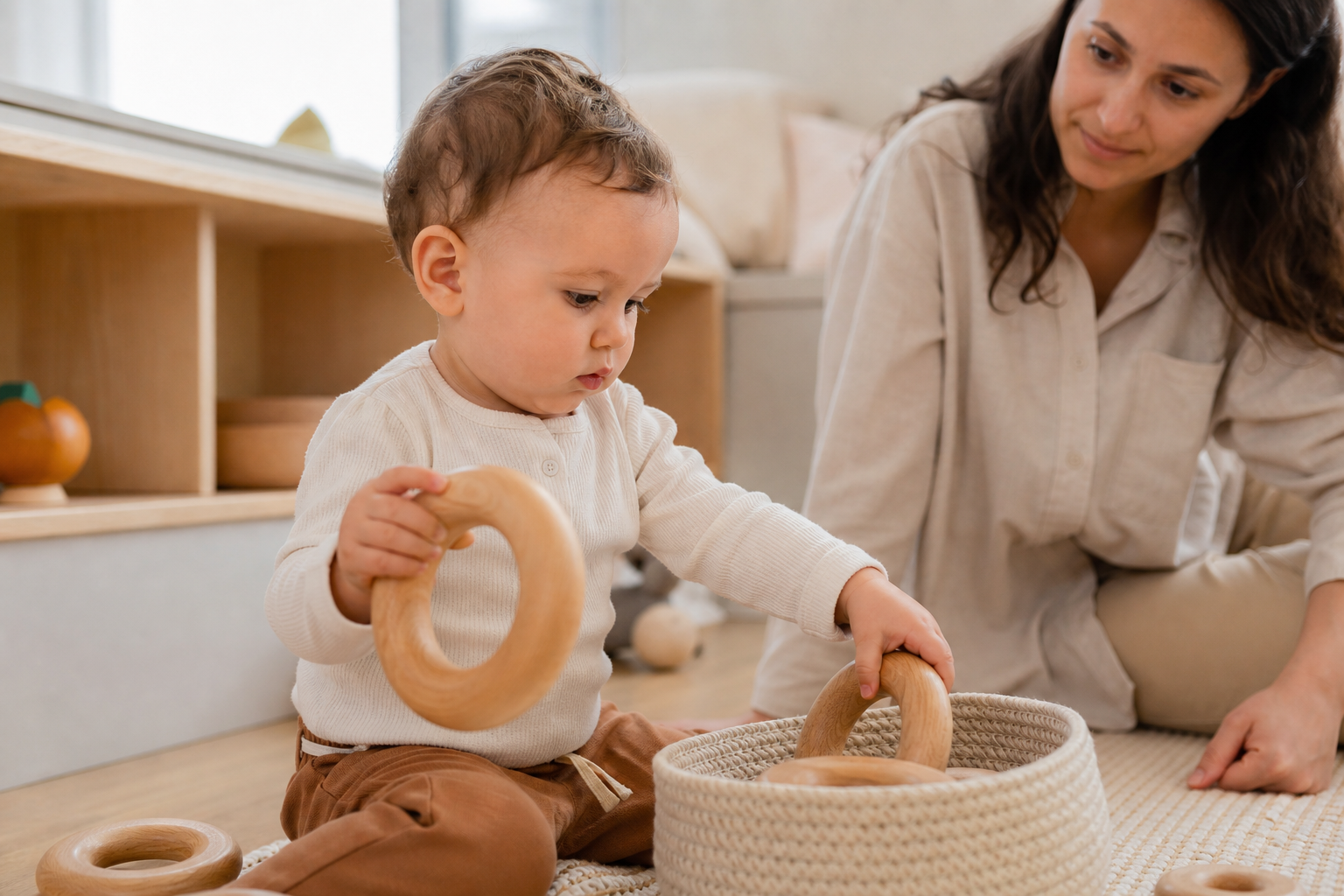
Being a boy tells you very little about how a baby plays. It doesn’t tell you whether he is fascinated by books, balls, containers, music, movement, faces, wheels, or the kitchen drawer. Colours and themes are matters of taste; they aren’t a useful developmental filter.
Age is only a starting point too. Around a first birthday, one child may spend most of his time crawling and emptying containers while another wants to walk along furniture and carry objects from room to room. Neither needs a gift designed to push him into the other’s stage. A good toy meets him where he is and leaves room for a new way to use it later.
If you can observe the child, notice the action he repeats after the novelty of an object wears off. Does he turn pages, put objects into a container, roll things away, bang two items together, or copy a familiar gesture? If you can’t observe him, ask his parent, “What does he keep reaching for lately?” That question is more useful than asking what boys his age are supposed to like.
Choosing among toys and books that suit emerging first-year milestones doesn’t mean turning play into a lesson. The educational value comes from what the child can do with the object: try an action, see what happens, repeat it, and eventually use it in a new way. A toy that performs continuously while the child watches may hold attention, but it gives the child less to control.
Match the gift to the way the child plays
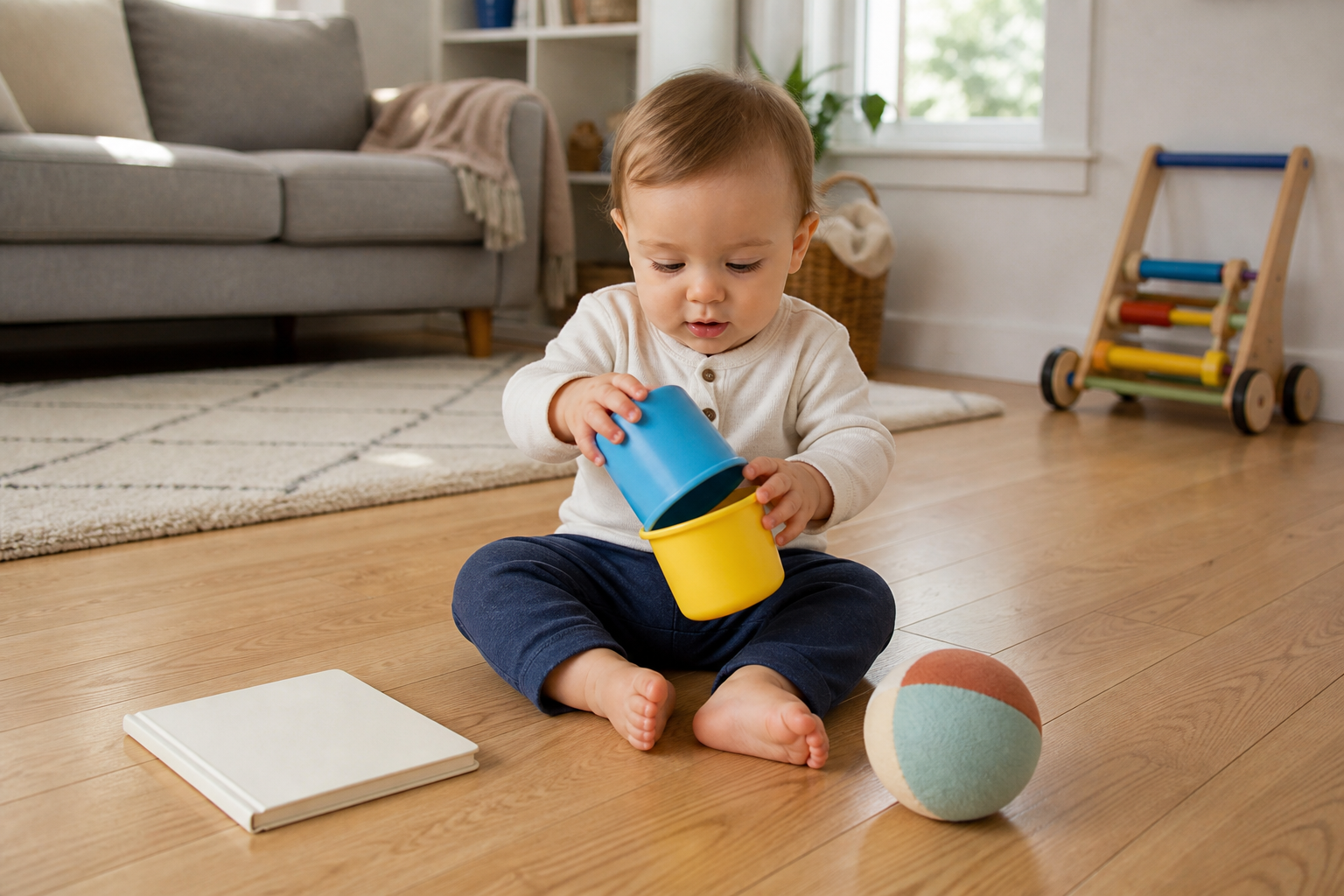
| What you notice | Gift direction | What to check before buying |
|---|---|---|
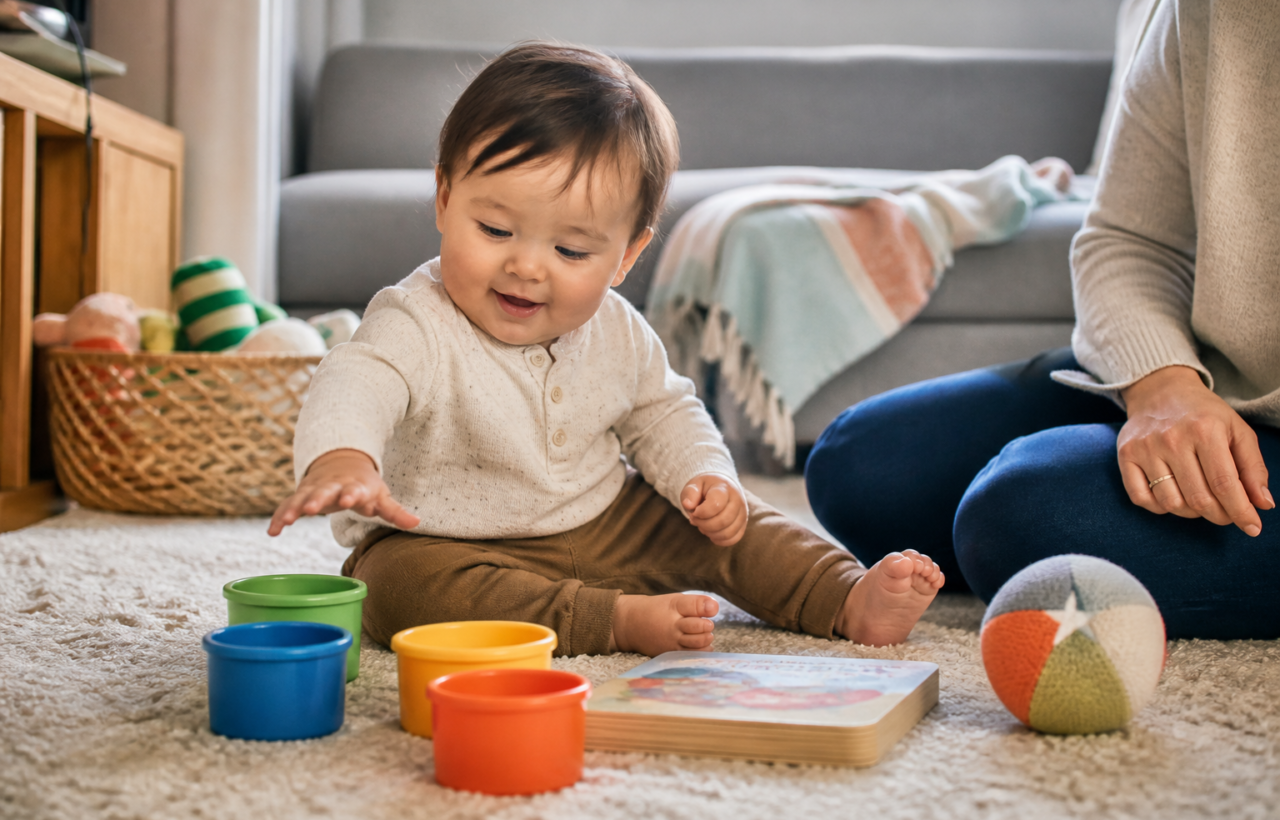
| He fills, empties, stacks, or knocks things down | Nesting cups, stacking pieces, or age-rated building pieces | Every piece is appropriate for the marked age, and the set is useful without complicated instructions |
| He studies pictures or tries to turn pages | A sturdy board book about familiar people, animals, objects, or routines | The pages are easy for small hands to separate, and the family doesn’t already own the title |
| He crawls after, carries, pushes, or rolls objects | A soft ball or a stable, age-rated push-or-pull toy | The family has suitable floor space, and the toy matches the child’s current mobility |
| He bangs, shakes, or reacts to rhythm | A simple baby instrument with securely enclosed parts | The volume is acceptable to the household and there are no loose accessories |
| He copies feeding, cuddling, waving, or other familiar actions | A washable soft doll, animal, or simple pretend-play object rated for his age | It works without small accessories and can be cleaned easily |
| The family already has plenty of toys | A practical gift, book, keepsake, or parent-approved contribution | Size, season, spelling, storage, and the parents’ preferences are confirmed |
For hands that want to stack, sort, and empty
Nesting cups and simple stacking toys earn their space because the play can change. At first, the child may bang or mouth the pieces. Later, he can put one inside another, build a short tower, knock it down, or use the pieces as containers during other play. The point isn’t that he completes the intended task. The point is that his actions make something happen.
Be cautious with elaborate sorters or puzzles marketed as educational. If most of the play depends on matching each piece correctly, the gift may require more adult intervention than the buyer expects. Look for something that remains enjoyable when the child uses it “wrong.”
For babies who keep bringing you books
A board book is a strong choice when the child likes faces, pictures, pointing, or sitting close to a caregiver. Choose sturdy pages and a subject connected to ordinary life. The adult’s willingness to read it repeatedly matters more than decorative features or a complicated story.
If you want to add an inscription, first make sure the title isn’t a duplicate. A note from you can turn an everyday book into a keepsake, but writing in it also removes the family’s ability to exchange it. Confirm the choice before personalizing.
For a child who wants to move
A soft ball supports play on the floor whether the child is crawling, cruising, or walking. A push-or-pull toy can suit a child already interested in moving objects, but it needs more scrutiny: stability, the marked age, the child’s current mobility, and the home’s floor space all matter. Ask the parents before bringing home anything that takes up a permanent parking spot.
Don’t choose a movement toy because you hope it will make the child walk sooner. The gift should work with the way he moves now. Development isn’t a contest, and a toy doesn’t need to accelerate a milestone to be worthwhile.
For shared sound and imitation
A shaker, small drum, soft doll, or washable animal can invite interaction without prescribing one correct result. The child can make a sound, copy a rhythm, cuddle the toy, hand it to an adult, or repeat something he sees at home. Dolls and caregiving play are as suitable for boys as for any other child; the useful filter is interest, not gender.
Volume is part of the gift. A sound toy that can’t be adjusted or comfortably heard again and again may become a burden for everyone else in the home. If you can’t test the sound, ask the parent or choose an acoustic toy the child controls directly.
When a practical or sentimental gift makes more sense
Not every useful present needs to be a toy. A gift can be practical, sentimental, or playful, depending on what the family actually needs. Well-chosen clothing, a book with a personal note, or a keepsake can be more welcome than another activity set.
Practical gifts require precision. Ask about the preferred size, the season in which it will fit, fastenings the caregivers like, and anything the child already has. Sentimental gifts require accuracy. Confirm names, spelling, dates, and whether the family wants personalized decor before ordering an item that can’t be returned.
Run every choice through safety and household fit
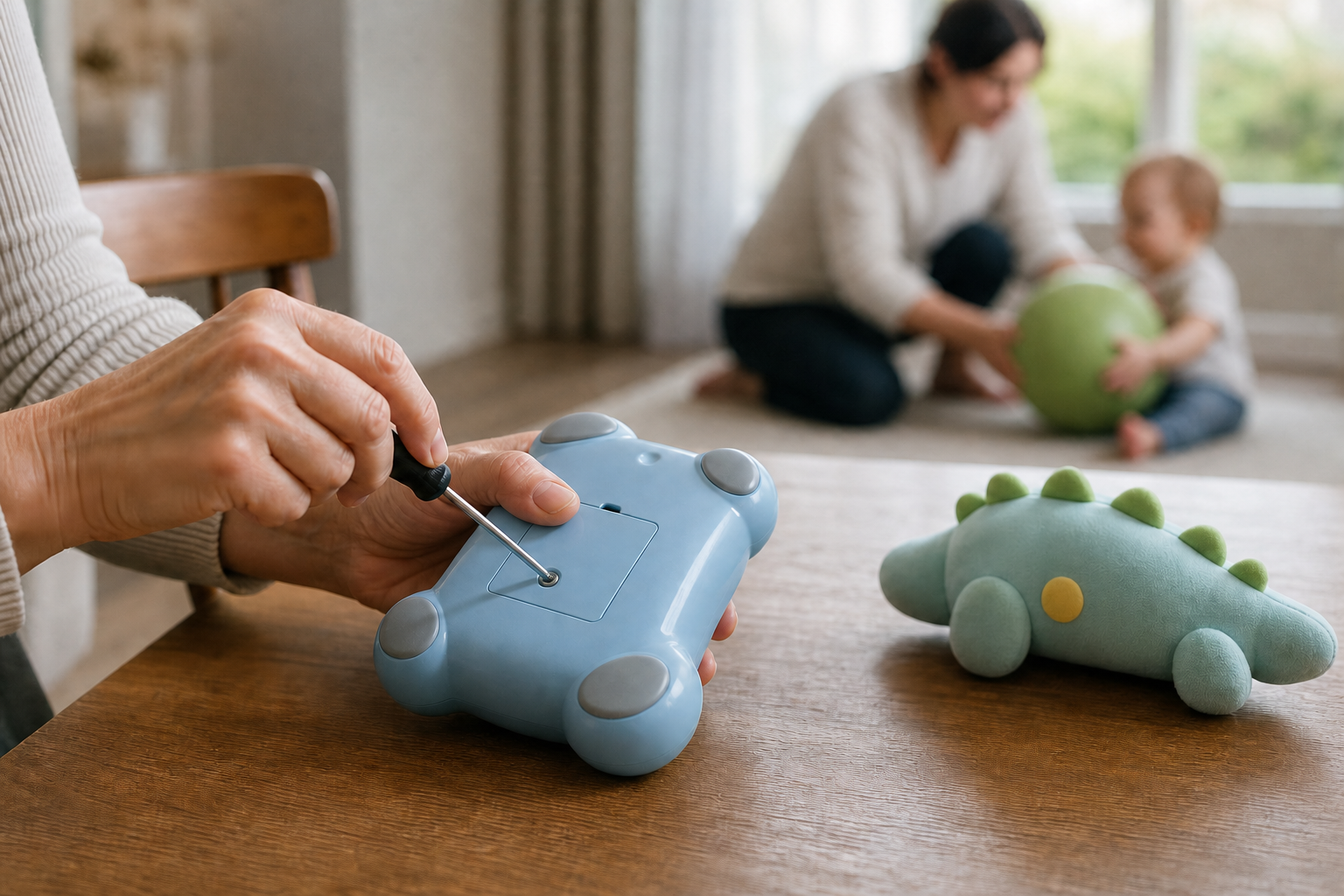
Safety comes before developmental ambition. Follow the product’s age marking and instructions even if the child seems advanced. That marking isn’t a challenge level. It can reflect the size of parts, construction, expected use, and other safety considerations that aren’t obvious from a product photo.
Before giving a toy, inspect it for detachable small parts, loose magnets, accessible button batteries, sharp or broken edges, long cords, and pieces that could come free under ordinary pulling or chewing. Skip the item if a hazardous component isn’t securely enclosed. Supervision doesn’t turn an unsuitable toy into an age-appropriate one.
Secondhand gifts need an extra check. Confirm the exact product and its age information, look for damage or missing components, and check whether that model has been recalled. If the product can’t be identified or its safety information can’t be verified, choose something else. A bargain isn’t useful when the recipient has to guess whether it is safe.
Then check the less dramatic reasons gifts go unused. Where will it live? Can it be wiped or washed? Does it require batteries, an app, constant assembly, or a large collection of pieces? Is it loud? Will an adult need to reset it after every attempt? A child may love a toy that creates work for the caregiver, but the caregiver decides whether it stays within reach.
Large toys deserve explicit approval. The same applies to ride-on toys, furniture, nursery decor, subscriptions, and anything mounted to a wall. These choices affect space, routines, and sometimes household safety. A surprise isn’t worth taking that decision away from the parents.
Make the final choice without overbuying
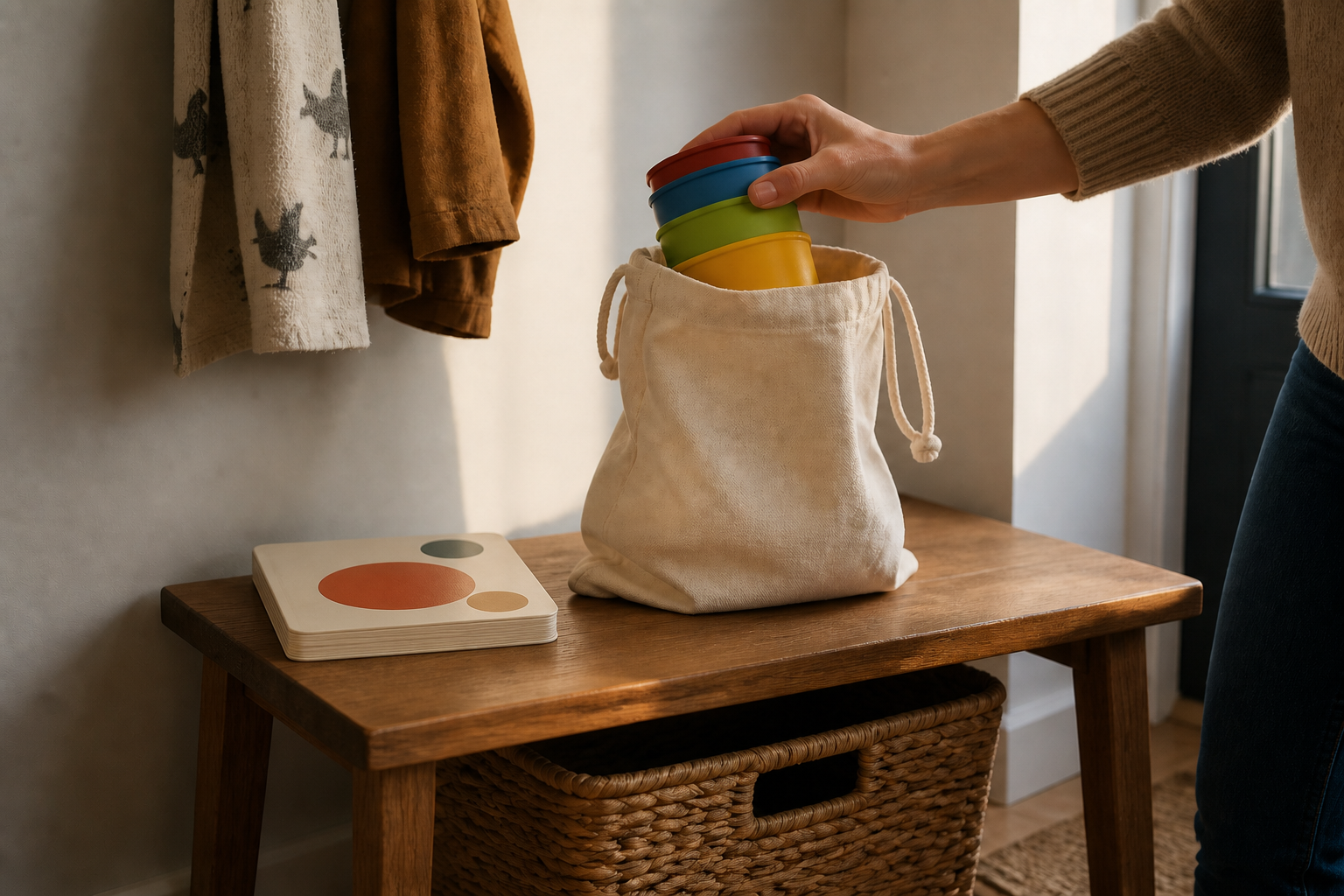
A parent-approved wish list outranks a clever surprise. If there is no list, ask whether the family wants toys, books, clothes, keepsakes, or a contribution toward something larger. You can also ask what they already own and what they don’t want more of. This is especially helpful around a first birthday, when several guests may reach for the same obvious gifts.
At checkout, finish this sentence: “This child can use this gift to…” A clear ending might be turn pages with a parent, nest cups, roll a ball, make a sound, or copy a familiar routine. If the only answer is that the toy lights up or looks impressive, keep looking.
Next, picture the gift in the family’s home after the wrapping is gone. It should have a plausible storage place, a manageable cleaning routine, and no surprise commitment. Include a receipt and resist filling the package with extra pieces just to make it look substantial. One well-matched object is a complete gift.
If you’re still torn, choose the smaller, simpler option that the child can control. Check the age label, ask the parent about duplicates, and let the gift be used in the child’s own way. That is a better measure of a successful present than how impressive it looked unopened.
References
- My Baba — 30+ Best Gifts For A Baby Boy
- Parents — The 50 Best Gifts for 1-Year-Olds, According to Parents