A sweaty sleeper can be startling: damp hair, clammy pajamas, and a baby who otherwise seems fine. According to Newton Hush, nighttime sweating is often related to overheating, clothing choices, immature temperature regulation, or a minor illness.
The useful question is not only why it happened, but what to check next. Parents can usually start with the room, the layers, and the baby’s overall behavior, then escalate to a pediatrician when sweating comes with warning signs.
First Check Whether Baby Is Too Warm
Newton Hush notes that too many layers are a common reason a baby may sweat during sleep. A practical rule from the source is to dress a baby similarly to how an adult would feel comfortable sleeping in the nursery, or with one additional light layer.
The room itself matters too. Newton Hush reports that a nursery temperature around 68 to 72 degrees F is ideal. If the room is warmer than that, reducing the temperature slightly may help. Breathable sleepwear can also make a difference because heavier or less breathable fabrics can trap heat close to the body.
Hats are a special case. The source says hats can contribute to overheating and should be removed before placing a baby in the crib.
Why Sweat Can Happen Even in a Comfortable Room
Not every sweaty night points to a room that is too hot. Newton Hush explains that babies under three months may sweat because their temperature regulation is still developing. In that situation, sweating can happen even when the sleep environment seems reasonable.
Activity can also play a role. If a baby has been very active before bed, crying before sleep, or moving a lot during active sleep, sweating may follow. The source also notes that deep sleep can make temperature control less precise, which may lead to some temperature fluctuation and sweating.
The key distinction is context. Occasional sweat without other symptoms is different from repeated sweating paired with fever, feeding trouble, unusual tiredness, or breathing changes.
Key Takeaways
- According to Newton Hush, baby sleep sweating is often caused by overheating, extra layers, immature temperature regulation, activity, crying, deep sleep, or illness.
- Check the chest or tummy rather than relying on hands and feet, which can feel cooler because of circulation.
- A nursery around 68 to 72 degrees F and lighter, breathable clothing may reduce overheating.
- Take the baby’s temperature if illness is possible, and contact a doctor if sweating appears with concerning symptoms.
What Parents Can Do After a Sweaty Night
Newton Hush recommends checking the baby’s torso to get a better sense of core warmth. Hands and feet can feel cool even when the rest of the body is warm, so the chest or tummy is a better place to assess whether the baby may be overheated.
If the torso feels warm or sweaty, consider the simplest changes first: lower the room temperature if it is above the suggested range, remove one layer of clothing, or switch to more breathable pajamas. If a baby is sweating regularly, the source suggests tracking patterns, including how often it happens, whether the baby wakes fussy, and whether other symptoms appear.
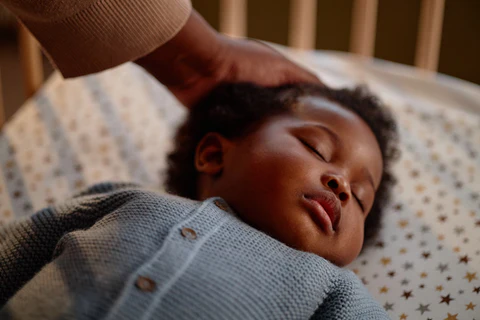
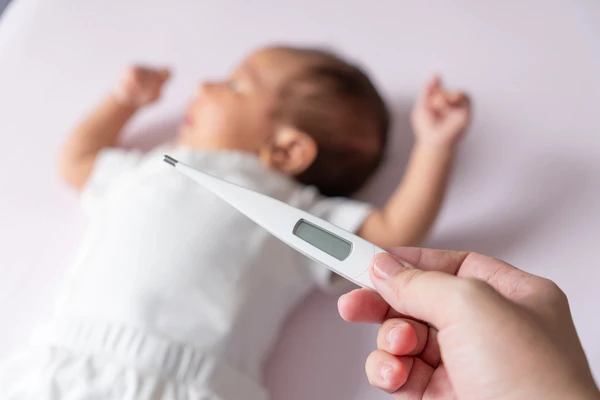
Taking the baby’s temperature can help clarify whether fever may be involved. If anything feels off, or if the sweating pattern is new and persistent, Newton Hush advises checking with the baby’s doctor.
When Sweating Deserves Medical Attention
Night sweating can be normal, but it should not be ignored when it appears alongside other symptoms. Newton Hush lists fever, rapid breathing, lethargy, poor growth patterns, and dehydration as signs that should prompt a call to a pediatrician.
The source also mentions that mild infections, asthma, and allergies can be associated with night sweating. That does not mean sweating alone points to one of those causes, but it does mean parents should look at the whole picture instead of treating sweat as an isolated detail.
Keep the Sleep Space Simple and Safe
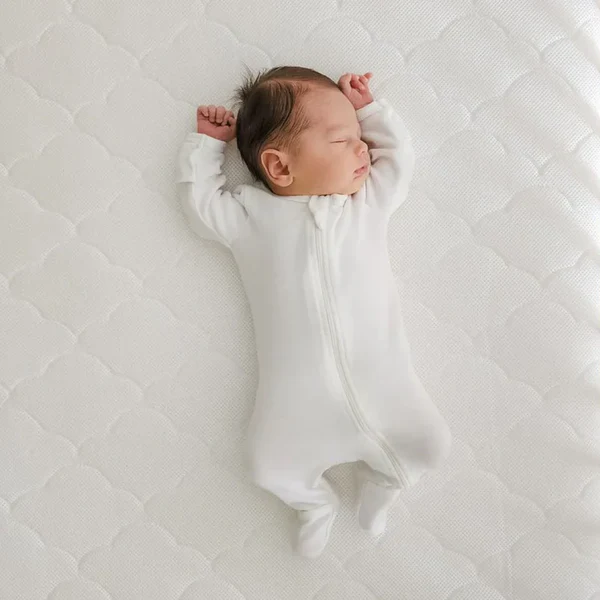
Comfort checks should happen alongside safe sleep basics. Newton Hush recommends a crib, bassinet, or travel crib with only a mattress and fitted sheet. The source also says babies should be placed on their backs, and notes that swaddling is only for infants who are not rolling; once rolling signs appear, swaddling should stop.
A consistent bedtime routine and calmer activity close to bedtime may also help, especially if sweating seems linked to crying, overtiredness, or active play right before sleep. The goal is not to eliminate every damp morning, but to reduce avoidable overheating and recognize when a doctor’s input is needed.
Inspired by this post on Newton Hush.