A sleep sack can make baby sleep feel simpler: it adds warmth without loose bedding, keeps the bedtime routine familiar, and gives babies room to move their arms and legs. The harder question comes later, when the sack starts to seem too small, too restrictive, or simply unnecessary.
Based on guidance reported by Newton Hush, there is no single perfect age for every child to stop using one. The decision is usually a mix of safety, size, comfort, and whether the child is old enough for a light blanket.
Key Takeaways
- Newton Hush describes a sleep sack as a sleeveless, zip-up wearable blanket with room for the legs to move.
- The source says babies under one should not use traditional blankets, so a sleep sack can be a safer warmth option when used correctly.
- Signs it may be time to transition include a too-snug fit, frustration in the sack, or a child old enough and ready for a light blanket.
- If a baby is not yet one, Newton Hush suggests adjusting layers, room temperature, or sleep sack size instead of switching to a blanket.
What a Sleep Sack Is Doing for Nighttime Sleep
A sleep sack is not just another set of pajamas. As Newton Hush explains, it works like a wearable blanket: the top has openings for the head and arms, while the lower portion leaves space for the legs to kick and shift.
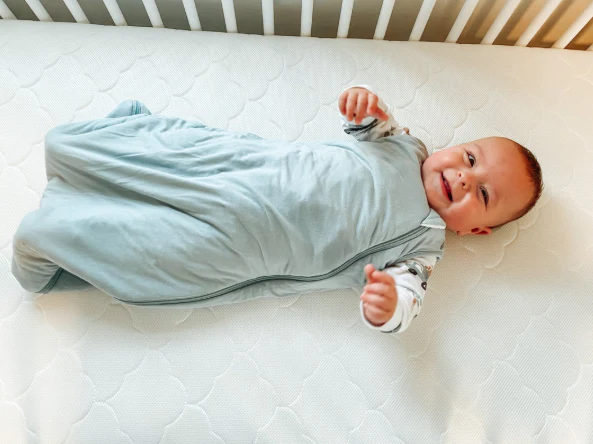
That design matters because loose blankets are not recommended for very young babies. A properly fitted sleep sack can help keep a baby warm while avoiding the extra fabric that can create a suffocation concern in the crib. It can also become part of the sleep routine, which may help a child recognize that nap or bedtime is beginning.
The fit and fabric still matter. Newton Hush advises checking sizing, the warmth rating, and the material. The source notes that sleep sacks may list a TOG, or Thermal Overall Grade, generally ranging from 0.5 to 3.5, with higher numbers meaning more insulation. Breathable materials such as cotton, bamboo, merino wool, muslin, or Tencel Lyocell are highlighted as options parents may see when shopping.
The Main Signs Your Baby May Be Ready to Move On
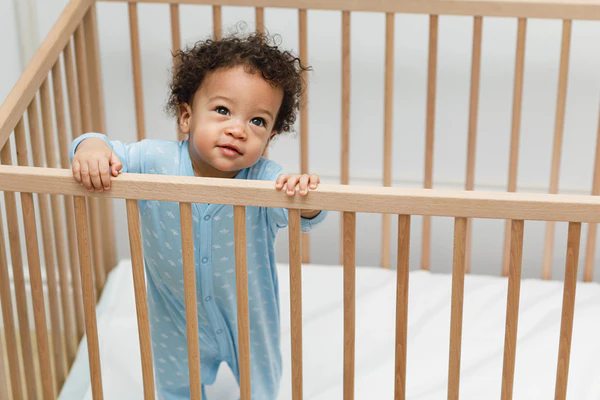
The clearest practical sign is fit. If the sleep sack is tight around the legs or seems to limit movement, Newton Hush says it is time to size up or consider a different sleep setup. A sleep sack should allow kicking and repositioning, not bind the child inside it.
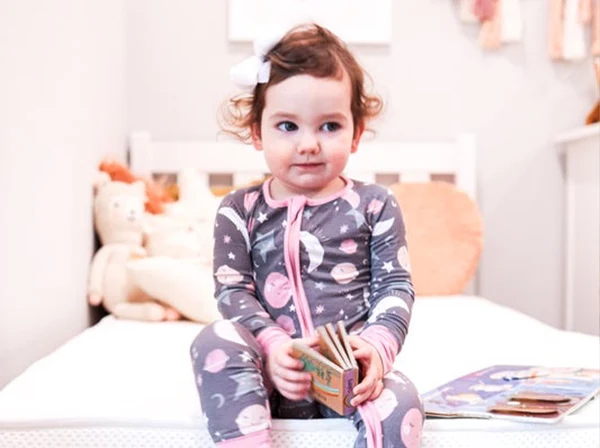
Age is the bigger safety line. According to Newton Hush, traditional blankets are not recommended for babies under one. After the first birthday, the source says a child can transition to a light blanket from a safety standpoint, although readiness still varies. Some toddlers remain comfortable in a sleep sack for longer, especially if it is part of a steady bedtime rhythm.
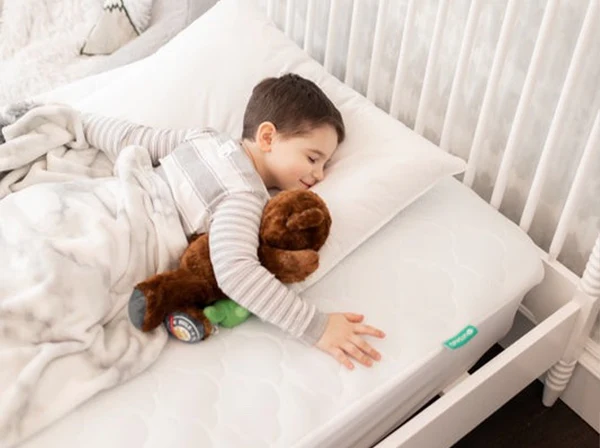
Comfort is the other clue. A child who repeatedly tries to wriggle out, appears annoyed, or seems to want more freedom at night may be signaling that the sleep sack no longer works well. That does not mean the switch has to happen immediately, but it is a useful cue to watch.
If Your Baby Is Under One, Do Not Replace It With a Blanket
Newton Hush is clear that the gentle blanket transition applies only once a child is at least one year old. If a younger baby seems unhappy in the sleep sack, the safer response is to troubleshoot the sleep sack and sleep environment rather than add loose bedding.
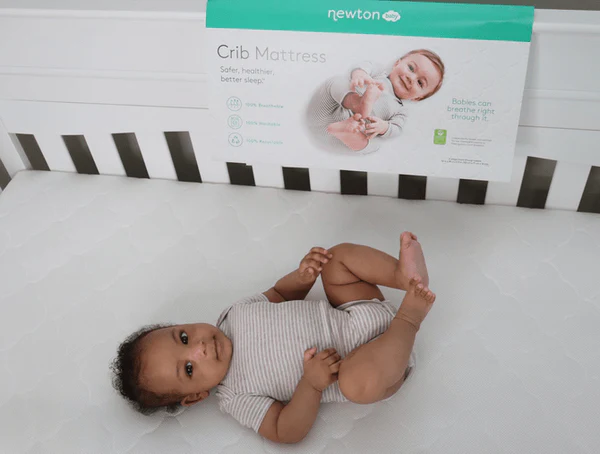
That might mean trying a larger sleep sack, choosing a different fabric, or changing the clothing underneath. The source repeats a common dressing guideline: babies are often dressed in one more layer than an adult would find comfortable. At the same time, too many layers can raise overheating concerns.
Room conditions also count. Newton Hush reports an ideal baby sleep temperature range of 68 to 72 degrees Fahrenheit. The article also notes that breathable layers can help parents balance warmth and comfort without overdoing it.
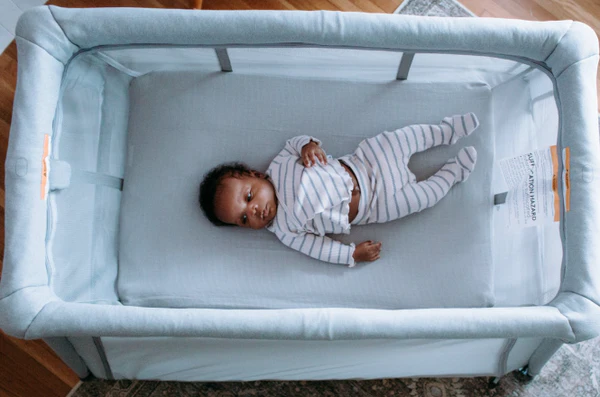
How to Make the Blanket Transition Less Abrupt
Once a child is over one and seems ready, parents can either stop the sleep sack all at once or ease into the change. Newton Hush suggests a gradual approach for children who resist change.
One option is to introduce a light, breathable blanket during naps while keeping the sleep sack available for familiarity. After a few days, the blanket can become part of nighttime too. Using it during quiet bedtime moments, such as reading, may help the child associate the blanket with comfort rather than with losing the sleep sack.
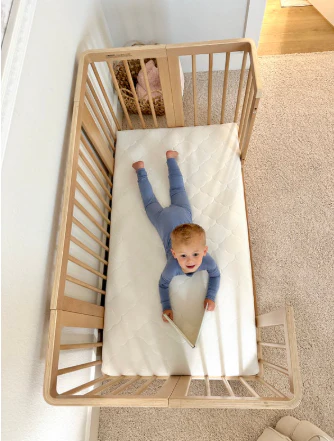
If the child wakes and wants the sleep sack back, the source suggests offering it for comfort while continuing the transition. The broader point is that readiness is not only about age. It is also about how the child handles change and whether sleep remains settled.
Safe Sleep Still Matters After the Sleep Sack
Stopping the sleep sack should not mean adding a crowded crib. Newton Hush emphasizes a firm, flat sleep surface, back sleeping for babies under one, and keeping the crib bare. Before the first birthday, the source says pillows, blankets, and stuffed animals should stay out of the crib because of suffocation risk.
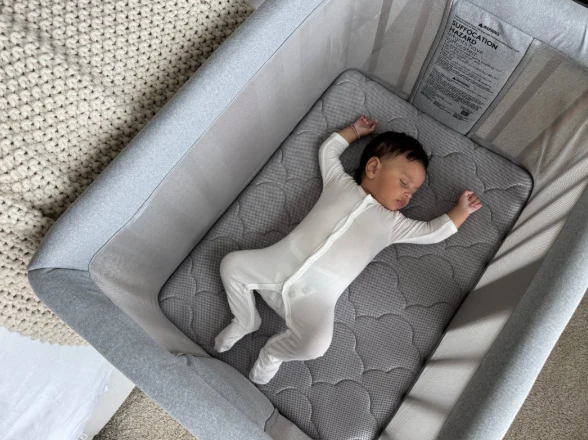
The source also distinguishes room sharing from bed sharing, noting that bed sharing carries suffocation risk while room sharing is recommended. For everyday sleep support, Newton Hush points to familiar routines, sleep cues such as yawning or eye rubbing, a dark and quiet room, and placing a baby down drowsy but awake.
The practical takeaway for parents is simple: a sleep sack can last as long as it fits, feels comfortable, and remains age-appropriate. When the child is over one and ready for more freedom, a slow transition to a light blanket can make the change feel less disruptive.
Inspired by this post on Newton Hush.