A chilly nursery can make bedtime feel uncertain, especially when a baby cannot say whether they are comfortable. The useful question is not whether tiny hands feel cool, but whether the baby’s core temperature and behavior suggest they need a warmer sleep setup.
Using Newton Hush as the source, this guide explains which signs matter most, what parents can adjust first, and where warmth needs to stay balanced with safe sleep.
The quickest temperature check is not the hands or feet
Newton Hush advises checking a baby’s upper back, chest, or stomach when trying to judge whether they are cold at night. If that core area feels cold, the room may need to be warmer or the baby may need another appropriate sleep layer.
Cool hands, feet, or a cool nose are less reliable on their own. The source explains that babies can have chilly extremities because their circulatory systems are still developing. In other words, cold fingers do not automatically mean the whole baby is cold.
That distinction matters because adding too much warmth can create its own risks. Newton Hush notes that an overly hot room is associated with a higher risk of sudden infant death syndrome, as well as heat rash and other heat-related concerns.
Key takeaways
- According to Newton Hush, 68 to 72 degrees is the general room-temperature range recommended for baby sleep.
- Check the baby’s back, chest, or stomach rather than relying on hands, feet, or nose.
- Possible signs of being too cold include pale or blotchy skin, shivering, frequent waking, restlessness, and a tucked-in sleep posture.
- If the baby’s core feels cold, adjust the room temperature or add a lightweight, sleep-safe layer.
- Stop swaddling when a baby shows signs of rolling over, which the source says usually happens around two to four months.
Signs that may point to a too-cold sleep space
The most direct sign is a cold core when you pick up or gently check the baby. Newton Hush also lists several visible and behavioral clues that can suggest the room is not warm enough for comfortable sleep.
Pale or blotchy skin may be one clue, especially if it is different from the baby’s usual appearance. Shivering or small tremors during sleep can also suggest that the baby is cold. A baby who sleeps with arms and feet tucked in may be trying to conserve warmth.
Sleep disruption can be another signal, though it is not specific to temperature. Newton Hush includes waking often, difficulty falling asleep, restlessness, fussiness, and increased clinginess among possible signs. Those behaviors can happen for many reasons, so they are most useful when they appear alongside a cold core or a noticeably chilly room.
How to warm the room without overdoing it
Newton Hush gives 68 to 72 degrees as the general temperature target for baby sleep. If the nursery is below that range or feels cold, the first adjustment is the environment: reset the thermostat, close any open windows, and look for drafts or other sources of cold air.
A room thermometer can be useful because temperatures may shift overnight. Babies are still developing the ability to regulate their body temperature, and newborns in particular depend on caregivers to notice when the room or clothing is not matching their needs.
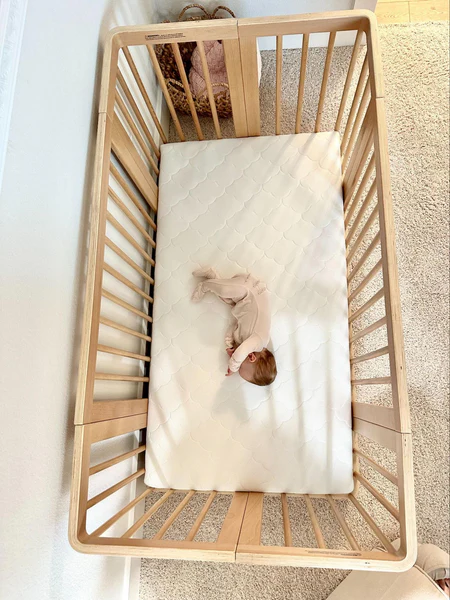
The goal is a room that feels cool but not cold. Newton Hush also notes that cold air itself does not cause respiratory infections, but very cold, dry air can irritate a baby’s airway.
Dressing a baby for a cooler night
For clothing, Newton Hush suggests a familiar rule of thumb: dress the baby in one more layer than would make an adult comfortable in the same room. Breathable fabrics, including organic cotton, are presented by the source as a good option for sleep clothing.
Lightweight layers are usually easier to adjust than one very heavy layer. The source gives examples such as starting with a onesie, adding a romper, and using a swaddle or sleep sack when appropriate. If using a sleep sack, Newton Hush says to pay attention to its TOG rating, which reflects the weight and warmth of the fabric; the source mentions ratings from .2 to 2.5.
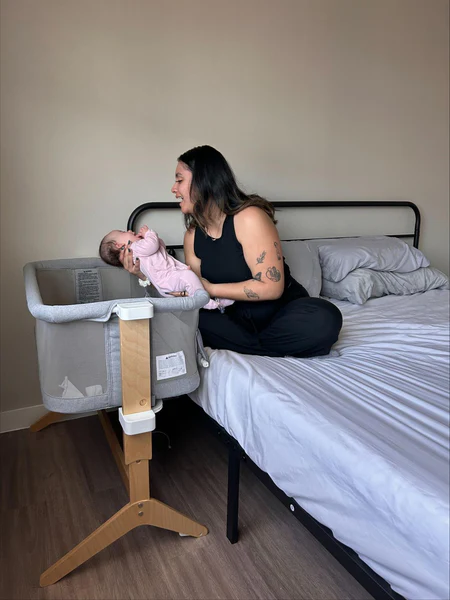
Swaddling has a clear limit. Newton Hush says parents should stop swaddling as soon as a baby begins showing signs of rolling over, usually around two to four months.
Small warmth add-ons need the same safety filter
Newton Hush says mittens or socks may be used if the room is cold, but should not be necessary when the room is within the 68 to 72 degree range. Once a baby is rolling or gaining more hand control, the source advises stopping hand coverings so movement is not restricted.
If socks are used, fit matters. The source says they should be snug and free of embellishments such as beads or anything else that could create a choking hazard.
Safe sleep remains the bigger frame for every temperature decision. Newton Hush points to placing babies on their backs, using a crib, bassinet, or travel crib, and keeping the sleep space bare except for the mattress, fitted sheet, and baby. It also notes that the sleep space should be away from windows, cords, or other hazards, and that the American Academy of Pediatrics recommends room sharing for at least the first six months, while avoiding bed sharing.
When the pattern matters more than one cold check
One cool hand or one restless night does not prove the nursery is too cold. A stronger signal is a pattern: a cold chest or back, a room below the recommended range, and repeated signs such as shivering, waking, or unusual fussiness.
The practical move is to make one measured change at a time, then check the baby’s core again. Keeping the room temperate, using breathable layers, and avoiding loose bedding gives parents a calmer way to respond without turning warmth into a safety problem.
Inspired by this post on Newton Hush.